Category: IVF

  • Recurrent Implantation Failure: A Systematic Review And Meta-Analysis

    Recurrent Implantation Failure: A Systematic Review And Meta-Analysis

    Recurrent Implantation Failure (RIF) is hard to deal with and can be very discouraging for couples going through IVF failure or other fertility methods. It happens when transferring more than one egg does not lead to a baby. This piece will talk about what causes recurrent implantation failure, diagnosis and treatment, systematic review, and meta-analysis to get past it. It will give people who are trying to get pregnant hope and direction.

    What does “Recurrent Implantation Failure” Mean?

    When at least three high-quality embryos have been transferred during repeated IVF cycle rounds and a clinical pregnancy rate has not been achieved, this is called recurrent implantation failure after in vitro. RIF patients who want to have a child may find this situation hard on their minds and bodies.

    Causes of Recurrent Implantation Failure

    Women with recurrent implantation failure have a low implantation success rate, and finding the root reasons is important for successful implantation.

    Endometriosis: Recurrent miscarriage can make the uterus environment worse, which can make it harder for a baby to implant. Taking care of your endometriosis before you try IVF might increase your chances of success.

    Uterine Abnormalities: Problems with the structure of the uterus, like tumors or polyps, can make it hard for the baby to grow. Some of these problems might need to be fixed with treatment options like surgery

    Immune System Effects:  If the immune system reacts too strongly, it may reject embryos. Therapies that change the immune system can be thought about.

    Genetic Problems: The genetic makeup of both partners can affect the survival of the baby. Preimplantation genetic testing, or PGT, can improve implantation and pregnancy rates.

    Thrombophilia: Women with recurrent problems with blood clotting can make it hard for blood to get to the uterus, which can make it hard for the baby to grow. People may receive blood-thinning medications.

    Treatment for Repeat Implantation Failure

    The treatment approach for RIF depends on its underlying cause. These are some common plans for patients with recurrent implantation failure:

    Making changes to your lifestyle: Living a healthy life with a balanced diet, regular exercise, and less stress can decrease your fertilization failure.

    Endometrial Receptivity Analysis (ERA): This test checks the lining of the uterus to find the best time to move the egg, which increases the chances of treatment of recurrent

    Hormonal Therapy: Treatments based on hormones can make the uterus more open, keep the period regular, and lower immune responses.

    Surgical Interventions: Fixing problems with the uterus through surgery, like hysteroscopy or myomectomy, can raise the chances of implantation.

    Immunomodulation: To keep the baby from being rejected, the immune system may need to be slowed down or changed.

    Genetic Screening: PGT can find embryos that have problems with their genes, making sure that only healthy embryos are transferred.

    Thrombophilia Management: If thrombophilia is a problem, medicines that thin the blood may be given.

    Success After Several Failed Embryo Implantations

    Embryo Implantation Failure does not mean you can’t have children. After dealing with the root reasons, many patients with rif can have healthy babies. It’s important to work closely with a fertility expert who can make a treatment plan just for you.

    Conclusion

    Unexplained Recurrent Failure after in vitro fertilization is a tough problem that can be solved on the way to having a child. Many couples can get over this problem and finally have the child they want if they fully understand what causes it and what treatments are available. If you’re dealing with RIF, talk to a fertility expert. They can help you through your journey and give you personalized care.

    FAQs Regarding Implantation Failure Patients

    1. What is the success rate of patients with repeated implantation failures?

    RIF doesn’t happen very often; only 5–10% of couples going through IVF get it. The frequency may change based on the person’s situation and the root reasons.

    2. Can I make changes to my habits that will help stop repeated unexplained implantation failure?

    Adopting a healthy lifestyle that includes a well-balanced diet, regular exercise, and ways to deal with stress can help with fertility and lower the risk of RIF.

    3. How many IVF attempts do you need to have before the implantation fails again?

    Most of the time, recurrent implantation failure and recurrent is identified after at least three IVF rounds with healthy egg transfers that don’t lead to a baby.

    4. Is it possible to treat women with repeated implantation failure?

    Of course, many couples with RIF can have healthy babies after getting the right evaluation and care.

    5. How does mental support role in implantation failure in IVF?

    During RIF treatment, mental support is very important because the process can be hard on the emotions. Fertility treatments can be stressful, but support groups, counseling, and being honest with your partner can help.

  • Laser Assisted Hatching (LAH) in IVF

    Laser Assisted Hatching (LAH) in IVF

    In the field of assisted reproductive technology, a method known as laser-assisted hatching, which is often commonly referred to as “laser hatching,” has recently emerged as a ground-breaking approach to improve the success rates of in vitro fertilization (IVF) cycles. This cutting-edge treatment has provided infertile couples with access to previously unavailable options and opportunities. Ritu IVF Centre is at the forefront of implanting this innovative therapy to its patients, giving those who are hoping to grow their families a glimmer of hope in the process.

    What Exactly does “Laser Assisted Hatching” refer to?

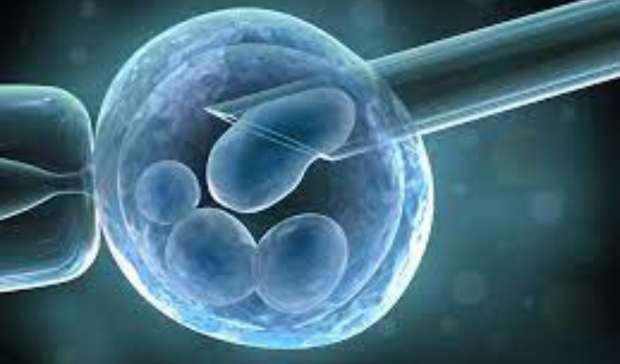
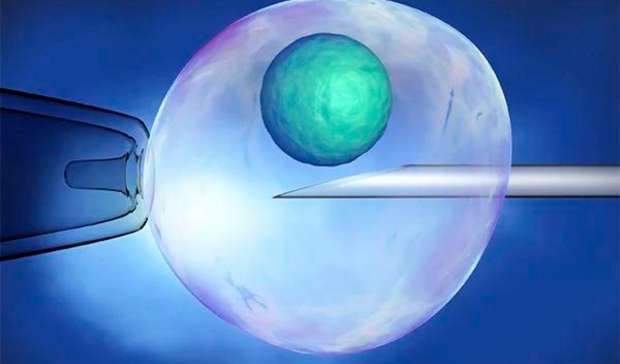
    During the in-vitro fertilization (IVF) procedure, a specialized method known as laser-assisted hatching is used to aid in the implantation of the embryo into the uterine lining. The zona pellucida is the protective outer layer that surrounds the embryo. The method includes the precise use of a laser to generate a tiny hole or thinning in the zona pellucida. This delicate process done by embryologists makes it possible for the embryo to more readily break free from its protective shell, which in turn promotes its attachment to the woman’s uterus (uterine wall )and increases the chances of a healthy pregnancy.

    The Science Behind Laser-Assisted Hatching in IVF

    Medical experts perform laser hatching at a critical stage in the in vitro fertilization process. Following fertilization, the embryo immediately enters the zona pellucida, where it will continue to grow. The (blastocyst) embryo has to be able to escape from this protective layer for the implantation process to be effective. On the other hand, the pellucida may be abnormally thick or rigid in some instances, making it impossible for the embryo to emerge normally. At this stage, it is possible to use lasers to assist with hatching.

    In laser hatching, a focused laser beam creates a precise opening in the pellucida, allowing the embryo to emerge from its shell. This controlled, non-invasive method increases the chances of a healthy pregnancy and successful implantation.

    The Probability of Successful Laser-Assisted Hatching(LAH)

    The use of lasers to help in embryo hatching has shown some encouraging outcomes in terms of increasing the success rates of in vitro fertilization procedures. According to the findings of several studies, this procedure may be of particular benefit to specific categories of patients, including older women and those who have had prior attempts at IVF failure. However, it is essential to keep in mind that the effectiveness of laser hatching might differ from case to case depending on the specifics of the situation.

    FAQs Regarding Laser-Assisted Hatching Technique

    How much does it cost to hatch eggs with the help of an IVF laser-assisted hatching?

    The cost of laser-assisted hatching may vary depending on the IVF center, its location, and the patient’s specific needs. In most cases, there is an added cost associated with it on top of the cost of the conventional IVF operation.

    When is the use of laser-assisted hatching advised?

    Here are some situations in which medical professionals often recommend laser-assisted hatching:

    • Previous IVF rounds that were unsuccessful
    • Advanced years of age for the mother
    • Unusual appearance of the zona pellucida
    • High amounts of the hormone FSH
    • Zone pellucid that has become more dense

    Is the embryo in any danger during the laser-assisted hatching process?

    When knowledgeable medical experts perform assisted hatching, they consider it a safe procedure that causes only minimal discomfort for the patient.

     When using frozen embryos, is it possible to hatch them with laser assistance?

    The answer to your question is that it is possible to conduct laser-assisted hatching on frozen embryos before transferring them during a frozen embryo transfer (FET) cycle.

    Ritu IVF Center: Setting the Standard for Excellence

    The Ritu IVF Fertility Center is committed to offering cutting-edge reproductive treatments, such as assisted hatching, to its patients. Ritu IVF Center is dedicated to assisting individuals and couples in realizing their goals of becoming parents by providing them with access to an experienced staff of fertility doctors as well as technologically advanced equipment.

    Conclusion

    IVF has made incredible strides forward in recent years, and one of those steps has been the development of laser-assisted hatching, which gives those struggling with infertility a new source of hope. This method has become standard practice in almost all aspects of the in vitro fertilization process due to its high rate of success and little potential for adverse effects. Ritu IVF Center in Jaipur is a reliable partner for those who are just starting on their path to becoming parents because of the center’s dedication to providing exceptional care. The use of lasers to help eggs hatch is an exciting new advancement that will undoubtedly have a significant impact on the field of assisted reproduction in the future.

  • Main Reasons of IVF Failure

    Main Reasons of IVF Failure

    “Why does IVF fail?” may be on your mind. We have heard a lot of good things about in-vitro fertilization (IVF) methods from family, friends, and the internet. However, we don’t hear much about IVF implantation failure because it’s usually a very touchy subject for people who want to have children. This blog post breaks the taboo and talks about reason of IVF Failure.

    The most recent success rates we sent to the Human Fertilization and Embryology Authority (HFEA) show that the treatment of IVF success rate is 40.6% for getting pregnant and a live birth rate of 32.5%. Sometimes, IVF doesn’t work for people, and they don’t get pregnant or have a live birth. There are several reasons for this.

    What Are The Main Reasons Of IVF Failure:

    There are several things that can go wrong with IVF. One of these reasons is recurrent implantation failure, which happens after a few days. This happens when the growing baby doesn’t stick to the wall of the uterus, stopping a link from being made. There are also problems with growing in the baby and a lot of DNA variation. No matter what the reason for IVF failure but, it can be painful and mentally tiring. Here are some main reasons why IVF fails:

    1. Sperm Abnormality

    Sperm that isn’t working right is a reason of IVF failure. A doctor will carefully look at the sperm for any problems during the treatment. If the sperm isn’t shaped right, the egg probably won’t get fertilized. During this process, the sperm will have to break through the egg’s outer layer and release half of its genetic material. This will allow a healthy baby to grow. Your ability to choose good sexes during the process is important if you want to have a healthy pregnancy. If not, a doctor might have to do genetic testing before the pregnancy to find these problems.

    2. Female Age

    As women age, the quality and number of their eggs decline. It’s a well-known fact that women have a lower chance of getting pregnant as they age. However, a drop in egg number and quality also lowers the chances of a clinical pregnancy or a live birth after IVF treatment.

    “According to our success rates, women up to the age of 35 have the highest chance of IVF success: 47% for clinical pregnancy and 38% for live birth,” says Dr. Ritu Agrawal, co-founder of The RITU IVF Center and one of the most well-known fertility experts in India

     3. Quality of The Embryo

    In the IVF clinic for fertility treatment, the eggs from the female and the sperm from the donor (male) are put together to try to make a baby. Embryo implantation may look healthy in the lab, but there is a chance that they won’t settle into the uterus because of a problem that can’t be seen. Scores are used by our fertility specialist to rate the eggs’ quality and pick the best ones to put back into the uterus. We also use time-lapse images (embryoscope) to keep the embryos warm until they reach the blastocyst stage, which is when embryos are 5 days old. There is a camera inside the closed box that takes pictures of the embryo quality in every 10 to 20 minutes. This is called the embryoscope. The screen on the outside of the embryoscope lets us see how the embryos are growing. This way, we don’t have to take the embryos out every day to check on them, which keeps them in a safe setting. We can also play back the video recording and see how the embryos changed overnight. This lets us pick the best embryo transfer in order to get pregnant.

    4. What the Ovarian Does

    At the start of IVF treatment, the woman has to give herself a shot of follicle-stimulating hormone (FSH), a fertility hormone, every day. The goal of this injection is to make more eggs. Some women’s ovaries don’t react properly to this medicine, so they don’t make enough eggs to collect. Low ovarian reserve means that older women already don’t have many eggs, so this is especially true for them.

    “If the ovaries don’t respond well, it doesn’t mean the end of the IVF treatment,” says Dr. Ritu. The case might be able to get better with more research and changes to the medicine. AMH levels in the blood and the number of antral follicles seen on an ultrasound scan are used to figure out the ovarian reserve. The amount of ovarian reserve would tell you the best way to activate your ovaries and get them to make a good number of eggs.

    5. Problems with Implants

    This means that the eggs did not grow inside the uterus. There could be uterine cysts, an early rise in progesterone levels, an endometrial covering that is too thin, or an infection in the uterus leading to infertility. “If an embryo doesn’t implant, it’s not your fault,” says Dr. Ritu. “Most of the time, problems with implantation are out of anyone’s control.” We put together a wide range of tests to look for the reasons why implantation might not have worked.

     6.  Way of lifestyle

    As with a normal pregnancy, living a healthy life before and during IVF is likely to make it easier to get pregnant. Giving up smoking a few months before you start IVF is a good idea because it has been shown to hurt fertility. In addition to eating well and working out daily, reaching a healthy weight will also help you.

    7. Chromosomal Abnormalities

    Sometimes IVF fails because the eggs don’t have the right chromosomes. This means that there is a piece of chromosomal DNA missing, extra, or not arranged right in the baby. The body then rejects the baby, which means the IVF doesn’t work. Chromosomal abnormalities can be passed down from one parent to the child or form during the early stages of cell division.

    As per Dr. Ritu Agarwal, the best IVF doctor in Jaipur, “Chromosome problems are most likely to be present in embryos from women over the age of 35.” But don’t let that stop you. We can check all 23 pairs of chromosomes in the embryos to see if they have any inherited genetic or gene problems, and only the healthy embryos will be replaced.

    Reproductive immunology is the idea that an egg or fetus is rejected because the body’s immune cells are working too hard. There is a chance that your immune cells are fighting the baby if you have tried IVF but have not been able to get pregnant. Reproductive immunology might be able to help you figure out why your IVF cycles keep failing and, if your immune system is responding in this way, give you a way to treat it.

    Conclusion:

    Failure of IVF is distressing. Mental and emotional health and money might suffer. Support will help you manage these feelings. Counseling and infertility treatment are alternatives.

    Breaks from therapy might also assist. This may alleviate stress and prepare you for another treatment cycle. Many physicians advise waiting four to six weeks before undergoing IVF again, following a negative pregnancy test.

    Identifying the Reason of IVF Failure might enhance future efforts. Your doctor may recommend genetic testing if you have a hereditary condition.

    Different drugs affect your body differently. Inducing ovulation using ovarian stimulation medications may cause reproductive system inflammation. Your doctor will adjust your stimulation regimen based on your reaction.

    Many couples struggle after their first unsuccessful IVF process. But there are various methods to become parents.

    FAQs Regarding IVF Fail Reasons:

    What causes most IVF failure?

    Despite its complexity, embryos that fail to implant on the uterine lining are a common cause of IVF failure. It may have been delivered to the uterus with an unsuitable lining or not attached properly.

    After 3 unsuccessful IVF rounds, what next?

    After your third unsuccessful IVF cycle, consider a second opinion, more diagnostic testing, reevaluating your treatment plan, or other reproductive therapies.


  • What is Ovarian Stimulation in IVF?

    What is Ovarian Stimulation in IVF?

    There are a lot of things about in vitro fertilization (IVF) that help it work, or lead to a good baby. One of these parts is the process of ovarian stimulation, which tries to make ovulation happen before other methods are used. The goal of stimulating the ovaries is to make it more likely that a woman will get pregnant.

    Let’s talk more about how ovarian stimulation works to help you and your partner know what to expect during your IVF treatment.

    What is the Goal of Ovarian Stimulation?

    The goal of ovarian stimulation is to make it work like the body’s normal ovulatory cycle, in which chemicals make the eggs develop and release them.

    IVF stimulation is done with pills or hormone shots or injection to help more than one egg develop at the same time, which increases the chance of getting pregnant. When hormones are used to stimulate the ovaries, they also help improve the quality of the eggs.

    Ovarian stimulation is often used to get eggs during the second part of IVF treatment. You can use these eggs right away or save them for another time. This method is mostly used for people who have been told they have a problem with ovulation because it helps them ovulate.

    Stages of IVF Stimulation of the Ovaries:

    There are two main kinds of ovary stimulation:

    1. Long Protocol
    2. Blocker Protocol

    Long Protocol

    The usual way to do things is to follow a long routine. It starts about a week before the next period is supposed to start. GnRH-analogue, or gonadotropin-releasing hormone, is given to stop the ovary from doing anything on its own. This is done to stop the eggs from getting out so that a medical team can get them. Once the menstrual cycle starts, the patient gets hormone shots every day and is watched for two weeks. At the end of that time, the eggs are taken.

    Blocker Protocol

    Once the monthly cycle starts, the antagonist procedure begins. At this point, hormone shots are given to speed up egg maturation so that more eggs can be collected during the extraction stage. When the long plan doesn’t work, this is often the next step. It is also done when a woman has polycystic ovaries or a small number of eggs left in her ovaries.

    Ovarian Stimulation Process

    During ovarian stimulation, chemicals called follicle-stimulating hormones (FSH) and luteinizing hormones (LH) are used to help make more eggs, make them mature, and release them. To start the process, these hormones are given over the course of two weeks.

    Depending on how long it takes the eggs to grow, this stage can last longer for some women. One study in the Journal of In Vitro Fertilisation and Embryo Transfer found that women who didn’t respond well to a certain dose of FSH did respond well to a higher dose of the hormone the next time around.

    The goal of using FSH is to raise estrogen levels and help ovaries grow since some of them die when the body’s FSH levels go down. It is important that these amounts stay high so that more eggs can be made. To raise LH, the amount of estrogen needs to be high since this hormone helps start menstruation. In order for IVF to work, the eggs have to be taken out before the woman ovulates.

    What to Look For

    As you might expect, time is very important when it comes to stimulating the ovaries with hormones. Every step of the process needs to be done carefully and at the right time. The process can have to start over if there is even a small problem or delay.

    The physical parts of the whole process can also be stressful, but they can also give people hope. During the process of stimulating the ovaries, there are a few things to keep in mind. Here are a few things to remember.

    Taking Care of Your Medicines

    The hormone shots are just one of the ways that the IVF procedure is treated with medicine. Most people have to give themselves the shots and take pills and patches that are given to them. Again, just like with IVF shots, it’s important to time all of your medicines right so that your body can respond to the treatment.

    Along with taking normal medicine, it’s important to keep track of hormone levels with blood tests. With these tests, the practitioner can figure out when and how to make changes. Appointments to look at an ultrasound are also a part of the treatment.

    Tests and Touring

    Some people may have to drive a lot for regular tests and meetings, especially if the treatment place is in a different city or town. During the IVF process, it should be easy to stay in touch with the medical team by phone and email, but you’ll need to be there for any physical tests.

    Stress and Changes in Mood

    During the process of stimulating the ovaries, the hormones and medicines that are needed can make a person feel bad. Even though it may seem like the treatment to stimulate the ovaries is causing these mood changes, research has shown that this is not the case.

    Problems and Harmful Effects

    In addition to stress, fear, and worry, the medicine and hormone shots used in ovarian stimulation can have physical side effects. A rash or swelling at the treatment site can be a sign of mild illnesses. People have also said that their breasts hurt, they feel full, and they have stomach pain.

    Some patients have had more than one kid, usually twins or more because the treatment can cause more than one egg to mature at the same time. This means that more than one egg can be fertilized. There can also be problems like babies being born early or even losses.

    Services from Ritu IVF

    Ritu IVF Center is the best place in the Jaipur area for fertility care, treatment, and therapy. Some of the best infertility care experts in India work at our state-of-the-art center. The RITU IVF Fertility team uses a medical method that is backed by proof and combines it with caring treatment and individual care at every step. Our treatment plans can be changed to fit your needs. Contact us today to talk about your fertility questions and let us help you find hope on your IVF path.

  • Whose Sperm Is Used in IVF (In Vitro Fertilization) Process

    Whose Sperm Is Used in IVF (In Vitro Fertilization) Process

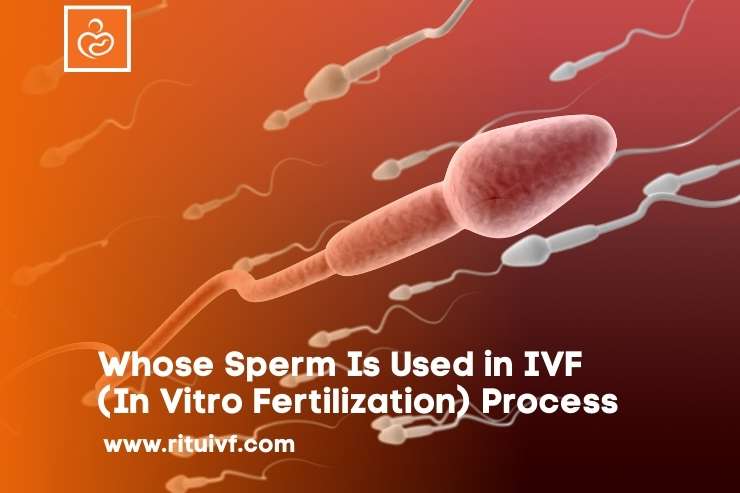
    IVF, which is also called “in vitro fertilization,” is a breakthrough in the area of “assisted reproductive technology” that has changed the way people have babies. It makes artificial breeding possible for partners who can’t have children on their own. IVF gives many people a spark of hope, but it also brings up important questions about whose sperm is used in the IVF Process, the role that sperm motility plays, the minimum number of sperm that is needed, and the use of donor eggs is also an option. This article will talk about these important parts of in vitro fertilization (IVF), and it will also explain how sperm is collected.

    In IVF Treatment, Whose Sperm Is Used?

    IVF, or in vitro fertilization, is a medical treatment that helps couples overcome a variety of reproductive challenges. The procedure includes fertilizing an egg with sperm outside of the body. There are a few different scenarios that might play out in the process of deciding whose sperm will be utilized in – vitro fertilization (IVF)

    Sperm from the Male spouse:

    In vitro fertilization (IVF) often makes use of the sperm of the male spouse. Because of this, if a heterosexual couple decides to pursue in vitro fertilization, the fertilization process will normally include the husband’s sperm.

    Donor Sperm:

    If the partner’s sperm (male) has a low sperm count, poor motile sperm, or any other sperm-related difficulties that make fertilization difficult or impossible, using donor sperm may be a possibility. Donor sperm may also be an alternative when donor sperm may be necessary. This method entails fertilizing many eggs with sperm obtained from a donor who has been chosen with great consideration.

    In ivf whose sperm is used

    How to Collect Sperm for In Vitro Fertilization

    The technique of collecting sperm for in vitro fertilization (IVF) is an essential stage. The collection of sperm directly for use in in vitro fertilization (IVF) can be broken down into the following steps:

    Sperm Collection in a Fertility Clinic:

    In the vast majority of cases, the collection of sperm for in vitro fertilization takes place at a fertility clinic. In this stage of the process, the male partner will produce a sample of his semen by masturbating. The sample is brought to the laboratory, where it is processed to isolate the sperm from the other components of the sample.

    Sperm Extraction for In Vitro Fertilization (IVF):

    In certain instances, where natural ejaculation is not feasible owing to medical issues or physical constraints, sperm extraction procedures such as testicular sperm aspiration (TESA) or epididymal sperm aspiration (TESA) may be utilized. These procedures are used when natural ejaculation is not possible. These techniques include extracting sperm straight from the testicles or the epididymis, depending on the procedure being used.

    Donor Sperm Is Collected:

    Sperm banks collect donor sperm from donors after they go through a screening process and then keep it. Individuals or couples can choose a donor according to certain criteria, such as the donor’s physical traits, medical history, or genetic heritage.

    IVF Success Rates and Sperm Quality

    The quality of the sperm utilized in the process directly correlates with the viability of an in vitro fertilization cycle. The following are some considerations to take into account:

    Sperm Motility:

    People refer to the capacity of sperm to move around effectively as sperm motility, and it is an important element. Even though in vitro fertilization can fix certain motility problems, having a greater motility rate will almost always improve your chances of a successful pregnancy

    Minimum necessary Sperm Count for IVF:

    There is no predetermined minimum necessary sperm count for in vitro fertilization, as this number might change based on the clinic’s procedures and the person or couple’s circumstances. On the other hand, a greater number of sperm in the sample will often boost the chances of success.

    Minimum Sperm Motility for IVF:

    In the same way, there is no rigorous minimum need for sperm count. There is also no stringent minimum requirement for sperm motility in IVF. Having greater motility, on the other hand, is desirable since it increases the odds of fertilization.

    IVF Treatment with Donor Sperm in India: Cost and Other Considerations

    Couples struggling with male infertility treatment should consider IVF using sperm from a donor as an option. The cost of in vitro fertilization (IVF) in India with a donor can vary greatly from clinic to clinic, based on location as well as the number of extra treatments necessary. It is necessary to conduct research on as many different fertility clinics as possible and make comparisons between them to pick the one that best meets your needs and offers the best value.

    FAQs Regarding The Process of Collecting Sperm for IVF Process:

    Is it possible to harvest sperm at home for the IVF process?

    The collection of sperm for in vitro fertilization should normally take place at a fertility clinic. On the other hand, several medical facilities could let patients collect their sperm at home provided they meet certain requirements and adhere to certain protocols.

    How much sperm does in vitro fertilization (IVF) require?

    The quantity of sperm required for in vitro fertilization might vary but is often rather low. Fertility clinics can fertilize eggs effectively with very little sperm even if there is only a small amount of sperm.

    Can a specialist conduct an in vitro fertilization (IVF) procedure even with a low sperm count?

    Even with a low sperm count, undertaking IVF is possible, but it likely decreases the odds of leading to a pregnancy. In such circumstances, experts may suggest various methods of assisted reproductive technology, like intracytoplasmic sperm injection (ICSI), as alternatives.

    How are sperm selected for IVF?

    In IVF, sperm are selected through a process called sperm washing and sorting. This involves separating the healthiest, most motile sperm from the semen sample. Techniques like density gradient centrifugation and swim-up methods are commonly used. The selected sperm are then evaluated under a microscope to choose the best ones for fertilizing the eggs.

    What type of sperm is needed for IVF?

    For IVF, high-quality sperm are needed, characterized by strong motility, normal morphology, and healthy DNA. These sperm must be capable of swimming effectively to fertilize the egg. The best sperm are selected through rigorous screening processes to ensure successful fertilization and embryo development.

    Conclusion

    In vitro fertilization (IVF) gives couples who are struggling with infertility reasons to have hope. It is essential to understand the many methods for sperm collecting. IVF success is highly dependent on the quality that is used as well as the motility of the sperm, regardless of whether the sperm comes from the spouse or a donor. In addition, the cost of in vitro fertilization (IVF) in India with donor sperm can vary greatly. Thus, individuals who are considering this alternative need to give it significant thought and conduct extensive studies. Consult a Ritu IVF fertility Center expert for fertility treatment if you have any further questions or concerns. They can give you individualized counsel and support throughout the IVF process.

  • Is In Vitro Fertilization (IVF) Pregnancy High-Risk?

    Is In Vitro Fertilization (IVF) Pregnancy High-Risk?

    IVF has now reached a stage where it is called pioneer therapy and has brought happiness to the lives of many couples. Millions of couples have realized their eternal goal of starting a family because of IVF. However, in the middle of the thrill of the prospect of becoming a parent, worries regarding the safety of IVF pregnancies and the possible hazards that are linked with them frequently arise. Let’s take a look at the question that everyone has “Is Pregnancy after IVF High-Risk?”. Let’s have a look at the IVF Procedure.

    A Guide to Understanding Pregnancy Through IVF (In Vitro Fertilization)

    In vitro, fertilization is a type of assisted reproductive technology in which a woman’s egg and sperm are joined together outside of her body in a dish in a laboratory. Embryo developed in this process.

    After that, the embryo is placed in the uterus in the hopes that it will grow normally and result in a healthy pregnancy. If couples have different types of fertility issues like locked fallopian tubes, male infertility, or infertility, they should suggest taking the help of In vitro fertilization (IVF).

    Why is In Vitro Fertilization Considered a High-Risk Pregnancy Option?

    IVF pregnancies are frequently deemed high risk due to a number of issues, including the following:

    1. IVF procedures can result in the implantation of numerous embryos at once in order to boost the patient’s chances of achieving a successful pregnancy. This can lead to multiple pregnancies. Because of this, there is a greater chance of producing twins, triplets, or even more children, which in and of itself entails a higher risk of difficulties.

    2. The age of the mother is an important factor to consider when deciding whether or not to undergo in vitro fertilization (IVF), since advanced maternal age is linked to an increased risk of difficulties arising during pregnancy.

    3. Some of the couples who turn to in vitro fertilization have pre-existing health issues therefore, pregnancy than in the case risk is approximately high./

    4. IVF is the introduction of hormones to boost egg production in order to increase the number of eggs produced. The result of this is always not good for everybody’s health.

    IVF’s Unwanted Side Effects

    Even while in vitro fertilization (IVF) offers those who are interested in having children a glimmer of hope, it is essential that these individuals are aware of the possible and specific health risks for mother associated with the procedure: The following are some of the potential adverse effects of receiving IVF injections:

    1. Ovarian Hyperstimulation Syndrome : often known as OHSS, is a condition that has the potential to manifest itself as a side effect of the hormonal stimulation that is received during the process of in vitro fertilization. Pain in the belly, bloating, and, in more severe cases, fluid collection in the chest and abdomen might be the result of this condition.

    2. Hormonal Therapies: Therapies like Emotional Stress and Mood Swings negatively on mental health and cause stress and sadness.

    3. Injection Site Reactions: It is not uncommon for patients to experience pain, redness, or edema at the injection site.

    Other Adverse Reactions Associated with IVF Treatment:

    1. Pain in the Pelvis Some people report feeling a little discomfort in their pelvis both during and after the egg retrieval process.

    2. Ovarian Torsion: Although it is uncommon, the enlarged ovaries that result from hormone stimulation can twist, which results in excruciating pain in the pelvis.

    3. Treatment of ectopic pregnancies has a slightly higher risk, which is when the embryo implants outside the uterus, most commonly in the fallopian tube.

    4. IVF kids May Have a Slightly Increased Risk of Birth abnormalities.

    Frequently Asked Questions Regarding High Risk IVF Fertility Treatment:

    1. Are pregnancies that result from IVF always considered to be high-risk?

    No, not every pregnancy that results from IVF is considered high-risk. The risk factors can vary from person to person depending on a variety of factors. It is slightly higher, such as the age of the mother, the number of embryos that are implanted, and any preexisting health concerns.

    2. Does in vitro fertilization pose a health risk?

    The process of in vitro fertilization (IVF) is typically safe, although as was noted previously, it is not without its possible side effects and hazards. These dangers are mitigated to the best of the healthcare practitioners’ abilities.

    3. What are the odds that in vitro fertilization will be successful?

    IVF Success rates can vary widely based on a variety of factors, such as the patient’s age, the nature of the condition causing infertility, and the total number of treatment cycles received. It is really necessary to have a conversation about expectations with your healthcare staff.

    4. Is there any way to lessen the dangers that are connected with having a baby through in vitro fertilization?

    Your healthcare practitioner will, without a doubt, keep a careful eye on your development and take precautions to reduce any potential dangers. These could include things like making an informed decision about the number of embryo transfers and keeping an eye out for any potential issues.

     Conclusion:

    In vitro fertilization (IVF) can bring special joy to pregnancy and birth, but it may also increase the risk of issues. IVF can lead to twins, triplets, or high-order multiples, which can lead to preterm delivery, high blood pressure, damaged placenta, and other issues. In vitro fertilization is often driven by the mother’s age, which increases the risk of miscarriage and birth defects. Luckily, our maternal-fetal medicine (MFM) doctors and colleagues can handle all of these needs and work closely with the reproductive surgery and infertility treatment departments. The Ritu IVF a leading IVF Center in Jaipur will care for your hard-earned pregnancy.

    Remember that every pregnancy is different and that many couples may realize their goal of becoming parents by using in vitro fertilization (IVF) if they take the necessary precautions and follow their progress closely.

  • Are IVF Babies Grows Normal?

    Are IVF Babies Grows Normal?

    There have been major advancements in many studies in medical science over the past several decades, and as a result, couples who are struggling with infertility now have more hope and alternatives available to infertility treatment than ever before. Many individuals have discovered that in vitro fertilization (IVF) is their salvation since it enables them to become the parents they have always desired to be. This realization has been a game-changer for some individuals. However, as the practice of in vitro fertilization (IVF) has grown increasingly common, several concerns and misunderstandings have developed around the IVF procedure. Some individuals are interested in knowing if IVF children are normal or differ from natural infants in any manner. In this article, we shall discuss the problem at hand like the risk of birth defects, and analyze the differences and similarities between children born through IVF and naturally conceived in the “normal” manner.

    Nevertheless, it is necessary to further dissect this matter in order to address the many elements of the issue as well as the myths that surround the difference between IVF babies and conceived babies

    Is IVF Baby Different than Normal

    The short and straightforward response is that are IVF babies normal, compared with children conceived through naturally successful pregnancy? Despite this, it is vital to further analyze this topic to address the several aspects of the problem as well as the misconceptions that surround the birth of children through in vitro fertilization.

    Are IVF Babies Healthier than Normal Babies?

    Babies born through natural conception are not guaranteed to be in better or worse health than those born via in vitro fertilization (IVF) conception. The health of an offspring is influenced by a multitude of factors, some of which include the mother’s way of life, her genetics, the prenatal care that she receives, and the environment in which they are raised. The use of in vitro fertilization (IVF) will not, on its own, place a kid at a higher risk of having any form of health concern. In vitro fertilization (IVF) treatment, in point of fact, typically involves severe screening procedures, which can lead to better pregnancies and, as a result, IVF babies’ normal and better health. This can be attributed to the fact that IVF is different and regularly involves screening methods.

    Born from IVF vs. Normal Babies

    There is no evidence to suggest that are IVF Babies normal, inherently more clever, or less intelligent than infants conceived through natural conception, according to research conducted in the scientific community. There is no correlation between a person’s mode of normal conception and their level of intellect since intelligence is a complex trait that is influenced by both genetics and the environment. In the same way as other parents, people who have their in vitro fertilization IVF babies born are frequently prepared to do a great deal of work to cultivate an environment that is uplifting and supportive for their progeny. Some are the myths related to cases of IVF babies v/s normal babies

    Are IVF Babies Smarter than Normal Babies

    It is not confirmed that babies born from IVF or smarter in each and in every way; they have the same opportunities to grow up to be healthy adults, realize their full potential, and live happy, successful lives as children who were test tube babies. They are the same as any other children in terms of their mental and physical attributes, birth weight the developmental milestones they reach, and the contributions they make to the larger community.

    Twins Born IVF Babies:

    The vast majority of twins born IVF babies are born as a result of the simultaneous transfer of two embryos into the uterus. These embryos might have developed from various eggs; thus, they are not the same as one another. Sometimes, a single embryo will divide into two, which can lead to the birth of twins that are genetically identical to each other. However, both of the twins who were born as a result of the IVF process are deemed to be in good health.

    Are IVF Babies Normal in Emotional, Mental, and Physical Well-Being as Compared to Normal Children?

    IVF may find that children born face unique challenges connected to their conception, such as feelings of being different or concerns about their roots. On the other hand, having parents who are honest with one another and who are supportive of their children as a means of helping to resolve these issues might be of great assistance. If they are given the appropriate amount of love and care, children created through in vitro fertilization typically exhibit the same degree of emotional and psychological health that other children do.

    FAQs Related to that are IVF Babies?

    Are there increased rates of birth abnormalities among IVF babies?

    According to the findings of the study, IVF Babies have a modestly increased risk of certain birth defects. Despite this, the total risk is still quite low. This risk is determined by a wide range of factors, one of which is the mother’s age as well as her general state of health.

    IVF Pregnancy is more challenging than natural pregnancy?

    Pregnancies that are the product of in vitro fertilization are the focus of close monitoring, and medical experts routinely use additional precautions to ensure the baby’s well-being. Successful IVF pregnancies are not inherently more troublesome than regular delivery; nonetheless, with multiple pregnancies, there is always the risk that complications will arise.

    IVF Babies and Natural babies bond are different with their parents

    There is no bearing on the feeling of closeness that develops between a child and their parents on the subject of how the child was brought into the world. When it comes to the love and connection that exists between a parent and their child, then there is no difference between an IVF Child and a Natural Child

    Are IVF Babies healthy in childhood or have health issues later?

    Babies Conceived through IVF have the same potential for future health issues as children conceived naturally. Nevertheless, these difficulties are not inextricably connected to the manner in which they were conceived. The health of a kid is impacted by a variety of circumstances, and conception via IVF does not, on its own, put a baby at risk for developing long-term health issues.

    Success Rate of IVF

    The success rate of IVF operations might be challenging to assess. IVF works when physicians fertilize several eggs. IVF Cycle is more likely to succeed for women under 35. However, IVF success is somewhat lower for women over 40. The result of an IVF operation may also vary. IVF Success rates in India are 30–35%. IVF success rates might reach 80%, depending on the therapy. Main factors affecting IVF success:

    • Maternal Age
    • Type of infertility issues
    • Previous IVF failures and miscarriages
    • Type of procedure
    • Ovarian response

    The Last Word for IVF Babies

    There is no essential difference between babies born through IVF and millions of babies in any other method. They are, in every significant regard, children who are representative of the norm; they grow, learn, and flourish as normal as other children do. Even though there may have been particular challenges and ways of conception from normal surroundings, these are aspects that may be handled within the family with love, care, and open communication. The love and support that is not conditional that a child receives from their parents and any other primary caretakers is, in the end, what decides whether or not a child may be deemed “normal.”. Ritu is the best IVF Center with our skilled IVF specialists treating infertility with commitment. We also use cutting-edge IVF methods for different ways of conception. Walk into our IVF Centre for lifelong delight from the top IVF professionals.

  • How is IVF Success at First Attempt?

    How is IVF Success at First Attempt?

    You will be able to learn the ins and outs of How is IVF success in first attempt. Find out the solutions to some of the questions that are asked the most commonly regarding in vitro fertilization (IVF), and study the factors that affect the percentage of times that IVF is successful on the first try.

    Factors to Consider on IVF Success Rate in the First Attempt

    IVF, which stands for in vitro fertilization, has been a game-changer in the field of reproductive health in recent years. As a result, it has given many infertile couples the opportunity to be positive about their potential to establish a family. Those who are thinking about beginning the process of in vitro fertilization (IVF) are likely to ask one of the most common questions, which is “Is it possible to have IVF success on the first attempt?” In this article, we will explore the factors that contribute to successful in vitro fertilization on the first try, investigate the rate of successful in vitro fertilization on the first attempt, and offer answers to certain questions that are frequently asked.

    IVF Success Rate in the First Attempt and the Factors That Affect Them

    Many couples go into their first attempt at in vitro fertilization (IVF) with the expectation that they will be successful. Even though there is no way to know for sure, there are a number of things that can increase or decrease one’s chances of being successful, including the following:

    The Mature Years of the Female:

    When trying to predict whether or not in vitro fertilization (IVF) will be successful, the age of the mother is a key aspect to consider. The success rate of in vitro fertilization treatments conducted on younger women is often higher than that of procedures performed on older women. This is due to the fact that eggs generated by younger women are typically of higher quality and more likely to result in a healthy pregnancy.

    The Root Causes of Infertility:

    The fundamental cause of a woman’s inability to conceive a child is a factor that can influence how effective IVF therapy will be. If the root of the issue can be solved or fixed in a short amount of time, then the chances of being successful will be greatly boosted.

    The Standard of the Embryo:

    The quality of the embryos that are used in the process of in vitro fertilization is an essential component to take into consideration. A healthy pregnancy has a better possibility of occurring when the embryos used to create the baby are of a high grade and in good health.

    Experience Level:

    IVF clinic is yet another aspect that may affect a couple’s chances of having an in vitro fertilization cycle that is successful. RITU IVF has a track record of being successful often employing cutting-edge medical practices and has staff members who have received extensive training.

    A Healthy Lifestyle:

    Having a healthy lifestyle, which includes having a balanced diet, frequently exercising, and finding methods to manage stress, can have a positive influence on the efficacy of in vitro fertilization (IVF).

    The proportion of women who give birth to healthy children after undergoing IVF for the first time.

    It is possible that the IVF success rate first attempt might be rather vary depending on the specifics of each individual’s situation. On the first attempt, the success rate of in vitro fertilization is, on average, between 30 and 40 percent. This proportion, however, may look very different depending on the other criteria that were brought up earlier in the discussion.

    Common FAQs Regarding IVF Success Rates on the First Attempt:

    Is it normal for the first attempt at IVF to be successful in producing a healthy baby?

    It is possible to have successful in vitro fertilization (IVF) on the very first attempt, but this is not a guarantee. There are several factors that can affect the outcome of the procedure. The chance of success is dependent on a number of different factors, including the age of the patient, the primary cause of infertility, and the quality of the embryos that are used in the procedure.

    Does success in the first attempt imply that it will be more likely to be successful the next time it is tried?

    The answer is no, not always in every circumstance. Because each round of in vitro fertilization (IVF) is carried out independently, a good outcome in one cycle does not guarantee that the following rounds will likewise be fruitful. Nevertheless, a history of accomplishments may serve as a reliable indicator of future achievements.

    What kinds of things can I do to improve the success of IVF on the first attempt?

    If you want to increase your chances of having a successful in vitro fertilization procedure, you should live a healthy lifestyle, as recommended by your physician, and choose an IVF center that has a solid reputation.

    In the event that the first attempt at in vitro fertilization (IVF) is not successful, what further choices do I have?

    If the initial attempt at in vitro fertilization (IVF) does not result in a successful pregnancy, you and your medical team will be able to assess the treatment plan and make any necessary adjustments for subsequent IVF attempts.

    Conclusion:

    It is feasible for many couples to conceive with IVF success in the first attempt however, doing so is reliant on a number of conditions, some of which are beyond your control. While it is possible for many couples to conceive with IVF in the first attempt, doing so is contingent on a number of variables. If you maintain a healthy lifestyle, work closely with a knowledgeable medical team, and have a strong understanding of the technique, you can boost your chances of achieving your ambition of becoming a parent through in vitro fertilization (IVF). This will allow you to achieve your dream of being a parent. Keep in mind that determination and resolve are highly vital tools on the route to becoming a parent and that every unsuccessful attempt means a fresh chance to discover hope for the future.

  • What Are The 3 Different Types of IVF?

    IVF, which stands for in vitro fertilization, is a form of assisted reproductive technology that has fundamentally altered the ways in which infertile couples can realize their ambitions of starting a family. IVF techniques have changed throughout time, leading to the establishment of three primary types of IVF operations. This is due to the continual advancement of scientific knowledge. This article, which was provided to you by the professionals at Ritu IVF Centre, dives into the explanation of what are the 3 different types of IVF. We are highlighting their advantages and disadvantages, success rates, prices, potential safety issues, and the most recent developments in the area.

    Explanation of 3 IVF Methods Along with their Pros and Cons of the 3 IVF Types

     1. Natural Cycle IVF

    IVF Cycle:

    Overview:

    Natural cycle IVF is a more minimalistic and less medicated approach to traditional IVF. It closely mimics a woman’s natural menstrual cycle without the use of high doses of fertility medicines.

    Process:

    Monitoring: The patient’s natural menstrual cycle is closely monitored to identify the timing of ovulation.

    Egg Retrieval: A single mature egg, which is naturally selected by the body, is retrieved through a minimally invasive procedure.

    Fertilization: The retrieved egg is fertilized with sperm in the laboratory, and the resulting embryo is transferred to the uterus.

    Advantages:

    Reduced Medications: This method involves fewer fertility medicines, which may reduce the risk of certain side effects.

    Lower Costs: As fewer medications are used, it can be a more cost-effective option.

    Suitability: Natural cycle IVF is typically recommended for women who prefer a less invasive approach or those with specific medical conditions that contraindicate the use of fertility medications.

     2. Mild Stimulation IVF:

    Mild Stimulation IVF

    Image Source: https://www.alamy.com/

    Overview:

    Mild stimulation IVF, also known as mini-IVF or low-dose IVF, involves using lower doses of fertility medications compared to traditional IVF.

    Process:

    Medications: Mild ovarian stimulation medications are administered to encourage the growth of a few eggs, typically 3-5, as opposed to the larger number in traditional IVF.

    Egg Retrieval: The mature eggs are retrieved and fertilized in the laboratory.

    Embryo Transfer: One or two embryos are typically transferred to the uterus.

    Advantages:

    Reduced Medications: Lower doses of medications may lead to fewer side effects and a lower risk of ovarian hyperstimulation syndrome (OHSS).

    Cost-Effective: It can be more cost-effective than conventional IVF.

    Suitability: Mild stimulation IVF is often recommended for women who may not respond well to high doses of fertility medicines or who want to minimize the risk of side effects.

     3.  (IVM):

    In Vitro Maturation

    Overview:

    IVM is a technique that involves collecting immature eggs from a woman’s ovaries and allowing them to mature in the laboratory before fertilization.

    Process:

    Egg Collection: Unlike traditional IVF, where fully mature eggs are retrieved, IVM involves collecting immature eggs via a minimally invasive procedure.

    Maturation: In the laboratory, these immature eggs are cultured until they reach maturity.

    Fertilization and Transfer: Once mature, the eggs are fertilized with sperm and the resulting embryos are transferred to the uterus.

    Advantages:

    Reduced Medications: IVM requires fewer fertility medications since it harvests immature eggs.

    Lower Hormonal Impact: This technique may be suitable for women who wish to avoid the hormonal side effects associated with traditional IVF.

    Suitability:

    IVM is often considered for women with certain medical conditions or those at risk of OHSS. It can also be an option for cancer patients who need to preserve fertility before undergoing treatment.

    Analyzing the Relationship Between Costs and Success Rates

    Below is the clarification regarding the IVF Cost difference between the three IVF methods and different types of Success rates by IVF method type.

    1. The success rate of each type of in vitro fertilization (IVF) might differ from patient to patient depending on their specific circumstances and reproductive concerns. 
    2. ICSI is the treatment of choice when male infertility is the major issue, although conventional IVF is frequently the first choice because of the variety it offers.
    3. PGT has the potential to greatly enhance success rates by selecting healthy embryos.
    4. As a result, it is appropriate for couples that have a family history of genetic diseases.
    5. Owing to the additional laboratory treatments that are required, ICSI and PGT often have a higher price tag than traditional IVF owing to the fact that they are utilized.
    6. On the other hand, for couples struggling with certain reproductive issues, the expenditure can be well worth it.

    Recent Developments and Concerns Regarding Safety

    1. The area of in vitro fertilization (IVF) is quickly advancing, and there are continuous innovations being made that attempt to improve success rates and minimize hazards.
    2. The most recent technological advances, such as time-lapse imaging for the selection of embryos, artificial intelligence for the evaluation of embryos, and enhanced methods of cryopreservation, are some of the most recent breakthroughs that contribute to increased success rates.
    3. The use of hormones, the possibility of having multiple pregnancies, and the presence of genetic defects are the primary sources of worry over the procedure’s safety.
    4. These worries can be alleviated by maintaining open lines of communication, adhering to the measures that are prescribed, and conducting close monitoring by knowledgeable reproductive specialists.

    Nutritional Supplements for Optimal IVF Outcomes

    1.  In vitro fertilization (IVF) success in India rates have been shown to increase when patients take specific nutritional supplements and make other lifestyle changes.
    2. However, assurances cannot be made.
    3. Antioxidants like vitamin C and coenzyme Q10 can improve sperm quality, and minerals like folic acid and vitamin D are crucial for female fertility.
    4. However, it is crucial to consult a medical expert before commencing any supplement program.

    Suggestions for IVF in Particular Cases

    1. When deciding on the best course of action for in vitro fertilization, couples’ individual reproductive features are taken into account.
    2. Ritu IVF Centre advocates having a full consultation and fertility evaluation done in order to pick the optimal line of action.
    3. There are a number of factors to consider while making this call, including the patient’s age, current health, and response to previous therapies. 

    Conclusion

    Having access to a wide range of IVF processes gives hope and opportunities to couples who are having trouble conceiving a child. Because there are pros and downsides to each type of in vitro fertilization (IVF), it’s important to talk to fertility experts to figure out which one would work best for you. To assist couples in achieving the highest possible success rates while simultaneously emphasizing their safety and well-being, the Ritu IVF Center is at the forefront of these technological developments by providing them with customized treatment plans and cutting-edge technologies.


  • How IVF Pregnancy is Done?

    When it comes to faith and belief, for couples without children, IVF is no less than a miracle. Having a baby through in vitro fertilization is an effort of science, focus, and faith. Let’s go deep into the Process of How IVF Pregnancy is Done? from learning the fundamentals to being ready for it.

    Is In Vitro Fertilization (IVF) Pregnancy Possible?

    In vitro, fertilization, usually referred to as IVF, is a method used for having a child treatment that processes fertilization outside of the body. Fertilization is induced by mixing egg and sperm in a petri dish. After a few days of meticulous care, the developing embryo is implanted and grows in the uterus, resulting in a healthy pregnancy.

    Procedure for IVF Pregnancy Step by Step:

    IVF pregnancies follow a well-planned sequence of procedures:

    Ovulation Stimulation:  Fertility medicines are used to stimulate a woman’s ovaries, increasing the likelihood of a fertilized egg. This is an essential stage since many eggs will be required.

    Egg Retrieval: Egg retrieval occurs during a brief surgical operation once the eggs have matured in the ovaries. In most cases, sedation is used during this treatment.

    Fertilization occurs when a woman’s eggs are mixed with the sperm of her male spouse or a sperm donor in a lab. The process of fertilization is carefully observed.

    Embryo Cultivation: Over a few days, fertilized eggs grow into embryos while being carefully monitored and fostered.

    Transferring a healthy embryo or embryo into a woman’s uterus is known as embryo transfer. This method is complete under the vision of care.

    Testing for Implantation and Pregnancy Approximately two weeks following embryo transfer, a pregnancy test is performed to confirm if implantation has taken place. If the test comes back positive, then the IVF pregnancy quest may officially begin.

    ivf process
    IVF Treatment

     IVF Pregnancy Planning:

     There are a few things that must be done before beginning the IVF process:

    1.  Physical Health: Exercising regularly and eating a well-balanced diet can benefit the IVF procedure.
    2. Emotional Stamina: The IVF Pregnancy Procedure can be taxing on one’s emotional stamina. The help of friends and family, or even a professional counselor, may be vital.
    3. Medication: It is essential to take medicines exactly as recommended. Hormonal therapies are an option to help the uterine lining become ready for embryo implantation.
    4. Fertility medicines: They are essential to achieving pregnancy through in vitro fertilization. They help the uterine lining thicken enough so embryos can implant and they boost egg production to increase the likelihood of ovulation. Each patient receives a prescription that is uniquely formulated for them, and their progress while taking these drugs is closely monitored.

     Diet and Nutrition during IVF Pregnancy

    1. A good diet can help increase the likelihood of a successful IVF pregnancy.
    2. Nutrient-dense foods are those found in a diet high in fruits, vegetables, whole grains, and lean meats.
    3. Keeping yourself well-hydrated and cutting less on coffee can also help. Nutrition will help in making diet plans healthy and according to the treatment which is very important.
    IVF Diet Chart
    IVF Diet Chart

    Pregnancy Test after Embryo Transfer

    1. Pregnancy tests are typically performed between 10- and 14 days following embryo transfer.
    2. If the test came back positive, the implantation was successful.
    3. At this pivotal juncture, people frequently feel both anxious and excited.

    Intended Parenthood Ultrasound Schedule

    1. After a pregnancy is confirmed, a regular ultrasound schedule is set up to track the development of the fetus.
    2. Ultrasounds are useful for monitoring the pregnancy’s development and determining if everything is developing normally.

    IVF Pregnancy Follow-Up Care

    1. Consistent medical treatment and monitoring are essential after a positive pregnancy test.
    2. Maintaining a healthy pregnancy requires regular checkups, ultrasounds, and adherence to medical advice.

    What is the IVF Pregnancy Calculator?

    Only your doctor can explain the time of conceiving while doing IVF Put this date into the calculator’s “Date of transfer” field.

    The process depends on which type of IVF you have. There are many methods to know when you are going to give birth. In the “Type of transfer” column, select your IVF procedure.

    IVF pregnancy calculator

    Flo’s IVF calculator formulae (which are automatically set in the calculator for each choice) look like this:

    1.   IVF using own eggs (with or without ICSI) 266 days (+ 38 weeks) after the day of egg retrieval.
    2.   IVF with fresh donor egg cycle (with or without ICSI) 266 days (+ 38 weeks) after the day of egg retrieval.
    3.   The recipient’s date of egg retrieval plus 266 days (or 38 weeks) is the fresh donor embryo cycle.
    4.   3-day FET Add 266 days (or 38 weeks) to the date of transfer. Embryos only have a three-day lifespan. The actual age of the embryos must be subtracted if their age is greater than three days.
    5.  A blastocyst’s estimated survival rate after a 5-day FET is Transfer date + 266 days (or 38 weeks) – 5 days.

     If the blastocysts are older than 5 days, the age difference must be calculated precisely.

     How to Prepare for IVF Pregnancy?

    You should need to know a few things to get prepared before starting IVF Treatment.

    1.  Eat food that is good for you and doesn’t mess with your body’s natural chemistry.
    2.  As soon as possible, begin taking prenatal vitamins.
    3.   You must stick to a weight that’s healthy for you.
    4.  Put an end to harmful habits including smoking cigarettes, binge drinking, and drug use.
    5.  You should avoid going to any countries or regions where there is a chance you might be exposed to Viruses or other serious infectious diseases since doing so could delay your treatment.
    6.  Reduce your caffeine intake or stop using it altogether.

    Read to know: Is IVF treatment painful?

    Conclusion

    IVF Pregnancy is a process that shows how science is progressing in the field of the reproductive system. This adventure of science required a lot of dedication, focus, and desire.

    Preparing mentally, physically, and spiritually at each stage brings you closer to realizing your dream of being a parent. IVF pregnancy may be a gateway to fresh beginnings and limitless possibilities when accompanied by competent medical care, caring loved ones, and a balanced way of life.