Category: IVF

  • How to Avoid Ectopic Pregnancy with IVF When Getting Treated at the Best IVF Clinic?

    How to Avoid Ectopic Pregnancy with IVF When Getting Treated at the Best IVF Clinic?

    For couples who cannot achieve normal pregnancy, in vitro fertilization is among the best options. However, no assisted reproductive technology is devoid of risks and one such complication is ectopic pregnancy. Most people don’t know about ectopic pregnancy, its symptoms, and how it can impact their pregnancy. So, in this detailed guide, let us delve deep into ectopic pregnancy’s causes and signs. We will also tell you how to avoid ectopic pregnancy with IVF. So, if you are undergoing IVF or thinking of opting for IVF, stay tuned till the end.

    Ectopic Pregnancy: An Overview

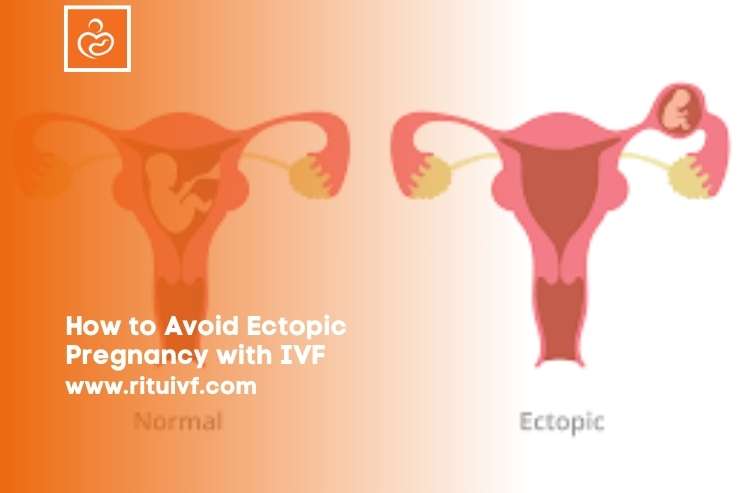
    In simple words, it is a type of pregnancy in which the development of the fetus takes place not in the uterus but outside it. So, the cervix or the ovaries become pregnant during ectopic pregnancy.

    But the fallopian tubes or the cervix are not equipped for carrying a fetus and so, it becomes important to end an ectopic pregnancy. Fortunately, precautions can be taken to avoid this serious condition.

    What Is the Cause of Ectopic Pregnancy?

    An IVF treatment involves several stages such as stimulating the ovaries, collecting eggs, and fertilizing the eggs in the lab. Once the eggs are fertilized, they placed into the womb again. But how do these processes increase the risk of an ectopic pregnancy? Scroll down to find out.

    As opposed to natural conception, during IVF, the embryos cannot be naturally guided through a woman’s fallopian tubes. So, when the embryo transfer takes place in this manner, there is some risk of ectopic pregnancy. If multiple embryos are transferred, the risk also increases. This is one of the common causes and that explains why many fertility treatment centers are now advocating for the transfer of a single fertilized embryo.

    Ectopic pregnancies occur when the fertilized egg attaches itself outside the uterus. While IVF treatments lower the chances compared to natural conception, it’s still essential to take precautions. Here’s what you need to know:

    Signs of Ectopic Pregnancy after IVF

    Some people experience some early symptoms of ectopic pregnancy. These include vaginal bleeding and pelvic pain. Some other signs are:

    • contractions
    • abdominal pain
    • a missed period
    • pain in the shoulder’s tip
    • discomfort when pooping or peeing

    How Is Ectopic Pregnancy Diagnosed?

    If you are experiencing the above-mentioned symptoms of ectopic pregnancy, your doctor might suggest the following tests to diagnose if ectopic pregnancy is causing the symptoms. The tests are:

    • Laparoscopy
    • Ultrasound
    • Laparoscopy
    • Blood Tests

    If the diagnosis confirms someone is experiencing ectopic pregnancy, it should not be left untreated.

    How to Avoid Ectopic Pregnancy with IVF?

    Ectopic pregnancy is a serious concern, especially for those undergoing IVF (In Vitro Fertilization). It occurs when a fertilized egg implants outside the uterus, often in the fallopian tubes, making it a life-threatening condition. Fortunately, there are effective strategies to minimize the risk of ectopic pregnancy during IVF.

    1. Treat STIs

    Sexually Transmitted Infections (STIs) like chlamydia or gonorrhea can increase the risk of ectopic pregnancy by damaging the fallopian tubes. Timely treatment is crucial to mitigate this risk.

    • Diagnosis: Regular screenings for STIs, especially before IVF.
    • Treatment: Antibiotics prescribed by your healthcare provider.
    • Follow-up: Continuous monitoring to ensure the infection is fully cleared.

    Sadly, many people feel embarrassed to visit a doctor for STIs. But now you know that timely treatment of STIs from a reputed fertility clinic becomes critical to keep ectopic pregnancy IVF at bay. Also, if you practice safe sex, STIs won’t bother you.

    2. Quit Smoking

    Any individual planning a pregnancy knows that smoking is extremely harmful. However, you will be surprised to discover that this habit does not just lower the fertility levels in men and women but also doubles ectopic pregnancy’s risk.

    Smoking significantly impacts fertility and increases the risk of ectopic pregnancy. Quitting smoking before starting IVF can lower this risk.

    • Immediate Steps: Consider nicotine replacement therapies or professional counseling.
    • Long-Term Plan: Maintain a smoke-free lifestyle, with regular check-ins with a healthcare provider.

    3. Treat Intraperitoneal Sperm Transmigration

    It is a medical ailment that happens if sperm fertilizes a mature egg outside the endometrial or uterine lining. Despite being a spontaneous illness, it mostly affects women who have clogged or ruptured fallopian tubes.

    • Prevention: Thorough medical evaluation before IVF to identify potential risks.
    • Treatment: In certain cases, Intracytoplasmic Sperm Injection (ICSI) may be recommended.

    4. Single Embryo Transfer

    Transferring a single embryo during IVF reduces the risk of ectopic pregnancy compared to multiple embryo transfers.

    • Why It Matters: The risk of ectopic pregnancy increases with the number of embryos transferred.
    • Consultation: Discuss the best strategy with your fertility specialist based on your case.

    5. Eat Nutrient-rich Meals

    Some studies have revealed that exercising daily and eating well can significantly reduce the chances of ectopic pregnancy. One excellent food to prevent ectopic pregnancy is avocado. You should also increase the consumption of foods rich in folic acid to maintain good folate levels.

    6. Monitoring and Early Diagnosis

    Early symptoms of ectopic pregnancy, such as pelvic pain and vaginal bleeding, should not be ignored. Immediate medical attention can prevent complications.

    • Diagnostic Tools: Blood tests, ultrasounds, and laparoscopy are essential for early detection.
    • Treatment Options: Depending on the timing and severity, treatment may include medication or surgery.

    What Are the Chances of Ectopic Pregnancy in IVF?

    Ectopic pregnancies in IVF are rare, with an incidence of about 2-5%, but certain factors like age, prior health conditions, and multiple embryo transfers can influence this risk. Understanding these factors can help you make informed decisions during your IVF journey.

    Can I Get Pregnant after Ectopic Pregnancy?

    Any woman who has experienced ectopic pregnancy in the past can have a successful pregnancy. With an early diagnosis, the treatment will be effective. In some cases, methotrexate is administered. Surgical intervention might be necessary in other cases.

    The chance of it occurring again is less than 10%. So, once your ectopic pregnancy is treated, you can plan a baby again. Just make sure you get in touch with a good fertility clinic that has accomplished doctors who can assist you in your IVF journey.

    If you are concerned about the scar resulting from an ectopic pregnancy operation, you can apply avocado oil or coconut oil regularly to make it less visible.

    How to Get Pregnant Fast after Ectopic Pregnancy?

    Your doctor will advise you to wait for at least 3 months as your body needs some time to recover completely after experiencing an ectopic pregnancy. The chances of getting pregnant after 2 years is around 85%. To quickly get pregnant, you should find an experienced doctor. Additionally, stay away from alcohol, cigarettes, processed food, and junk food. By maintaining a healthy lifestyle after ectopic pregnancy, your wish to be a mother will transform into a reality.

    The Takeaway

    Reducing the risk of ectopic pregnancy during IVF involves proactive measures such as treating STIs, quitting smoking, and considering single embryo transfers. Regular monitoring and early diagnosis are critical to ensuring a safe and successful pregnancy. Just take the preventive steps recommended by your fertility specialist to reduce the risk of ectopic pregnancy. Even if you have an ectopic pregnancy, stay positive and commence the ectopic pregnancy treatment at the earliest. After medical intervention, your body will again be ready to undergo another IVF cycle.

    Read to know more: Ovum Pick Up Procedure
  • Ovum Pick Up Procedure in In Vitro Fertilization (IVF) 

    Ovum Pick Up Procedure in In Vitro Fertilization (IVF) 

    In vitro fertilization treats a range of infertility issues in women and men so that they can fulfill their dream of starting a family. Also known as IVF, this treatment involves a complex series of steps that ultimately lead a person to their pregnancy. So, for any couple who have made up their mind to go ahead with IVF, there is a lot of confusion as this is not something they have done before. However, for an IVF pregnancy to be successful, everything must happen systematically. For instance, the ovum pick-up procedure is an important part, and, in this article, we will tell you all about it.

    So, stay tuned till the end as all your doubts will be clear, and you can learn about the precautions you need to take prior to the OPU procedure.

    How Is Ovum Pickup Or Egg Retrieval Done?

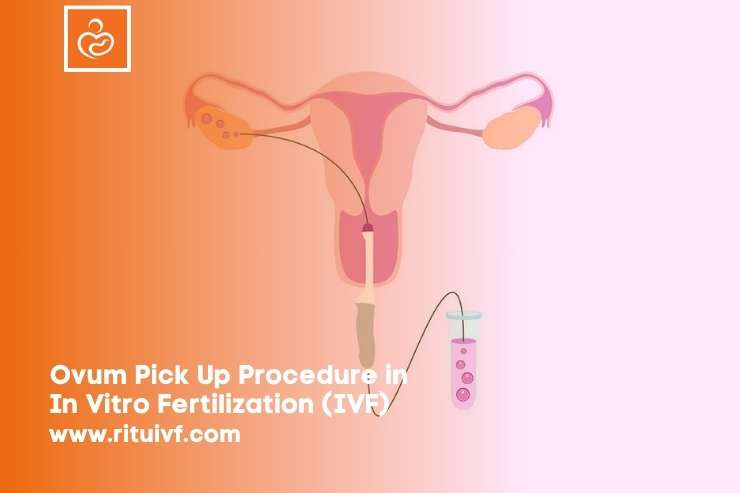
    The ovum pick-up (OPU) procedure, also known as egg retrieval, is a critical step in the in vitro fertilization (IVF) process. It involves using a fine 25-gauge needle attached to a syringe to aspirate mature ovarian follicles under ultrasound guidance. The procedure is minimally invasive and performed under mild sedation. The collected oocytes are then transferred to a specialized medium for subsequent fertilization in the laboratory. This process is essential for retrieving viable eggs from the ovaries, making them available for fertilization and embryo development.

    Understanding the Ovum Pick-Up Procedure in IVF

    In vitro fertilization (IVF) addresses various infertility issues in both women and men, helping them realize their dream of starting a family. IVF involves several complex steps, one of which is the ovum pick-up (OPU) procedure. This article aims to provide a detailed understanding of the OPU process and the precautions necessary for its success.

    How Is Ovum Pick-Up Done?

    1. Preparation:

      • On the day of the OPU, arrive at the fertility clinic on time.
      • The procedure is typically performed under mild sedation to ensure comfort.
    2. Procedure:

      • An ultrasound is conducted to locate the ovaries accurately.
      • A fine 25-gauge needle, connected to a test tube and a suction device, is guided through the vaginal wall into the ovarian follicles.
      • The needle gently aspirates the follicles to collect the eggs, which are then transferred to a Petri dish containing a specialized medium.
    3. Post-Procedure:

      • After the effects of anesthesia wear off, you can go home the same day.
      • Temporary side effects like nausea or a feeling of heaviness may occur but typically subside soon.

    Read to know: HSG procedure

    How to Prepare Yourself for the Day of the Ovum Pick-up?

    Here are some things you need to ensure before you visit the fertility clinic for the ovum pick-up procedure:

    Injection timings:

    The daily injections before egg collection are of great significance as these injections are given to stimulate the ovaries and facilitate the development of multiple eggs within the woman’s ovaries. Usually, these injections are administered for 10-16 days so that the stimulation is effective and follicles reach the desired size: 18 to 20 mm. The last injection that is given induces ovulation and hence, the final injection must be given at the right time. If there is any deviation in its timing, there can be a negative impact on the result and the eggs may not mature.

    Proper storage of the final injection:

    Your doctor will ask you to keep the last injection in your fridge but not inside the freezer. Then you have to transport the injection to the clinic in a cold condition. Wondering why this is important? It is to make sure that the medication is effective, and the conditions are favorable for egg maturation.

    Stomach cleansing and antibiotics: 

    Antibiotics will be prescribed by your doctor 24 hours before the egg retrieval or ovum pick-up. You also have to take stomach-cleansing medication at least one day before. These medications minimize the chances of infection and prepare your body for the procedure.

    Prepare your spouse:

    After the egg retrieval procedure, the next step is sperm retrieval, and the man needs to ejaculate around 3-4 days before the ovum pick-up so that the number of live sperm is higher in his semen sample. For IVF treatment to yield results, this is mandatory. Use donor sperm if the quality of the partner’s sperm is not great.

    ECG and Blood Reports:

    You must not forget to bring your blood reports. Your doctor might also request you to do an ECG (based on your age). Both the ECG and blood tests prevent health issues after the doctor gives anesthesia.

    Avoid eating:

    Fast before the procedure; an empty stomach is necessary for the anesthesia. When you visit the IVF treatment center, your stomach should be empty. Also, try to reach the hospital at least 1 hour before the time slot given to you.

    Read more to know the fertility window

    Will Ovum Pick-up Procedure Hurt?

    If you think ovum pick-up can be painful, stop worrying about it. It is a pain-free procedure, and no incision will be necessary. Your healthcare provider will only insert a small needle for collecting the eggs and you will not feel any pain during or after the procedure.

    Note: Some people feel mild pain after the IVF egg collection procedure. It is normal and will go away within 24 hours.

    To Sum Up

    We may conclude by saying that undergoing IVF is a different kind of experience for any couple. When you know the necessary steps, you will be less intimidated before and during the procedure. You also won’t commit any mistakes.

    So, this was all about ovum pickup in IVF and if you want to know in detail about the other crucial steps, discuss it with your fertility specialist.

  • Coping with Failed IVF: What to Do After IVF Failure?

    Coping with Failed IVF: What to Do After IVF Failure?

    In Vitro Fertilization (IVF) has revolutionized how people approach fertility. It allows countless couples to become parents. However, the IVF journey may not always be smooth and when an IVF cycle fails, it involves financial and emotional distress. Most couples find it challenging to move on after a failed IVF cycle. So, in this article, we will tell you how to handle yourself after IVF failure and when to begin the next IVF cycle.

    After Effects of Failed IVF treatment

    What happens to the female body and mind after an unsuccessful IVF treatment? It is natural to have this question when you have made up your mind for IVF treatment. Let us delve deep into how your physical and mental health might be affected when IVF fails.

    1. IVF Failure Physical Effects

    According to fertility specialists, patients experience hormonal imbalances after IVF failure. This happens because IVF treatment involves the usage of fertility medications that are necessary for ovarian stimulation and promoting the fast growth of several follicles.

    So, there can be some side effects of taking these medications and the common side effects are breast tenderness, fatigue, abdominal pain, bloating, and mood swings. While some women experience a lot of physical discomfort, others have minimal discomfort. So, after one failed cycle, your body needs some time so that it recovers completely.

    2. Psychological Consequences of a Failed IVF Cycle

    When a person’s dreams to conceive get crushed, it is natural to feel overwhelmed. Individuals experience various emotions such as grief, profound sadness, and frustration. While some can deal with the disappointment, for some it can be difficult to accept the reality. So, in the next section, we have discussed what steps you can take to get back to your normal life and embark on the IVF expedition with renewed enthusiasm.

    Ways to Cope with IVF Failure

    You should know that the effectiveness of fertility treatments depends on various factors like the person’s age, the quality of their embryos, and underlying health issues. So, there is always a possibility of the first IVF process resulting in failure and if that happens, instead of being devastated, you should prepare yourself mind and body for another attempt.

    1. Get emotional support from your partner

    Many couples admit that the shared disappointment leads to communication challenges and increased tension. Don’t let an IVF failure strain your relationship with your spouse. Remember that he too was excited to become a father and you two are together in this.

    Hence, foster honest and open communication, allowing each individual to express concerns freely. Couples therapy is a good idea as a therapist offers a neutral and safe space where both partners are encouraged to communicate effectively and sort out their differences.

    2. Join a support group

    Many women who underwent infertility treatment for years before they could get pregnant expressed that they were part of some support groups. By joining a support group, you can interact with people who are going through the same thing as you are. This will make you realize that you aren’t the only one struggling to get pregnant.

    3. Look after yourself

    Grieving won’t result in a successful pregnancy and hence, you must focus on doing things that make you happy. Begin with taking good care of yourself by eating nutritious foods and exercising. This is crucial if you want IVF success in your future attempts as a healthy lifestyle can increase your fertility levels dramatically.

    When Is the Right Time to Try Again?

    First, if failed IVF when to try again? Here are two things you should consider:

    • Emotional Readiness: As IVF is emotionally challenging, be clear about how you are feeling. Rushing into another cycle will only cause recurrent IVF failures. So, unless you have processed your sadness, it is better to wait.
    • Physical Recovery: As you are likely to experience hormonal fluctuations due to IVF medications, you also have to wait for physical recovery. The recovery period differs from woman to woman. Even if your body recovers quickly, IVF doctors suggest waiting one menstrual cycle at least.

    So, to know when the right time for you is, you should observe your body and get in touch with an IVF specialist.

    Why Seek Professional Guidance?

    After embryo implantation failure, discussing the matter with your fertility specialist is a must. A well-known IVF clinic will provide personalized care and expert guidance. First, they will try to figure out the IVF failure reasons for your first IVF cycle. When they know the reasons for IVF failure, they can ensure that your second IVF cycle is a success. They will also inform you about alternative options.

    Next Steps

    What if in vitro fertilization didn’t work for you? There are other ways of conceiving. Have a look at these alternative treatments:

    1. Preimplantation Genetic Screening
    2. If egg quality is poor, IVF with the help of donor eggs can be tried
    3. Gestational surrogacy

    Parting Thoughts

    We may conclude by saying that we understand how draining (physically and emotionally) it can be to face implantation failure. So, we tried our best to tell you about the significance of getting professional guidance and the most reliable support systems to help you navigate this stressful chapter in your fertility journey.

    We hope that you found our comprehensive insights useful and that you feel motivated enough to start afresh after a failed IVF attempt. Stay positive and all the best!

  • How to Find the Best IVF Center: Tips to Choose a Reliable IVF Clinic

    How to Find the Best IVF Center: Tips to Choose a Reliable IVF Clinic

    A rapidly changing, modern world offers endless opportunities to individuals. However, one of the adverse effects of today’s fast-paced, advanced world is huge changes in the eating habits and lifestyles of people. The deteriorating health among young adults is directly linked to their food preferences and their lifestyle choices. One such major health condition affecting women and men of reproductive age is infertility. Today, more and more people are unable to conceive naturally and are bound to seek medical assistance. So, in every city, you will find many IVF clinics and hence, knowing how to find the best IVF center becomes crucial.

    Factors to Consider to Find the Best IVF Clinic

    According to stats revealed by the World Health Organization, one out of seven couples around the globe is infertile. As infertility is increasingly becoming a matter of concern for people who are willing to start a family, medical advancements make it possible for them to fulfill their dream of welcoming a baby into their lives.

    But to increase your chances of conceiving through an assistive reproductive technology like IVF, you have to get in touch with a reputed IVF treatment center that offers quality treatment. So, here’s your guide to choosing the right IVF clinic:

    1.      Location of the IVF Clinic

    It may seem immaterial initially, but it is one of the points you must keep in mind when selecting a fertility clinic. You have to visit the clinic multiple times for consultation, diagnostic tests, collecting reports, discussing the best treatment options, lab procedures, and so on. If the facility is far from your home, commuting frequently will be a hassle.

    Once you conceive, you need to go for regular check-ups. Then it will be more inconvenient for you to visit the center and it will also be time-taking. To keep such troubles at bay, explore the IVF centers close to your home first by searching ‘best IVF center near me’ on Google.

    2.      Reviews

    When it comes to visualizing a service that you have yet to experience, reviews submitted by other patients can be of great help. They have already experienced the IVF journey you are about to embark on and so, their feedback will give you an idea about what to expect.

    To check the review of the treatment centers you have shortlisted, you can visit their Facebook pages and official websites. However, reviews can be subjective and so, it will be wise to assess some other factors that are mentioned below.

    3.      Success Rates and Credentials

    How to find the best IVF center for someone opting for fertility treatment for the first time? For comprehensive treatments such as Intra intra-uterine insemination, In Vitro Fertilization, and Intra-Cytoplasmic Sperm Injection, the success rate of clinics is among the foremost things any couple should check.

    Any well-known company maintains its statistics to convey the message that they are trustworthy. If they are confident of the treatments they do, they will be flaunting their success rate which is usually present on their website. However, IVF success rates differ according to the patient’s age group and the procedure. So, always discuss these things face-to-face to have clarity.

    4.      Experienced IVF Specialists

    One of the questions to ask when researching IVF centers is if they have highly qualified and experienced doctors to treat you. A good clinic has an efficient team of certified, accomplished, and trained medical staff. They have esteemed doctors who specialize in providing a range of infertility treatments. The clinical staff (such as lab staff and nurses) should be equally competent.

    You can pay a personal visit to the fertility center and interact with the staff to get a glimpse of their professionalism. You should also check the qualifications and success rate of the fertility specialist who will treat you.

    5.      Technologies and Facilities

    In the past few years, there have been commendable breakthroughs in the field of medical science. Cutting-edge equipment and state-of-the-art technology significantly increase the possibilities of conception. So, it makes sense to go ahead with a clinic that uses the latest technologies and is capable of carrying out procedures like Blastocyst culture, Cryopreservation, and Laser Assisted Hatching with perfection.

    6.      Affordability of the IVF Treatment

    As someone looking forward to IVF treatment, you must have discovered already that it isn’t inexpensive. The IVF cost can still differ largely from one clinic to another, and budget is undoubtedly one of the important factors.

    Moreover, prices quoted can be misleading and confusing and the costs might keep adding up. That explains why it is important to receive treatment from a place that follows ethics and is transparent about financial and medical procedures. So, verify if the cost they have estimated at the beginning will be the total cost you have to pay.

    7.      Overall Ambience

    Other than the expense, transportation, and online reviews, you should also assess the environment of the clinic. Does it appear well-maintained, clean, and hygienic? Did you find the staff approachable, and did they make you feel comfortable and safe? Paying attention to these little details is necessary to get over feelings of anxiety and awkwardness.

    You have made a big decision, and it is normal to have doubts and fears. In such an overwhelming situation, the aesthetic of the place and the behavior of the people who guide and assist you are of immense significance.

    8.      Personalized Care and Treatment

    As stated already, undergoing IVF will be an emotional trip. Every person’s body is different and there can be various reasons behind infertility like age, obesity, premature ejaculation, low-quality sperm, etc. Skilled IVF specialists curate a treatment plan after performing many diagnostic tests. Personalized treatment is mandatory to achieve great results but not all clinics can promise that.

    Additionally, choosing the right IVF clinic will be good for your mental health. You will get the best possible care and they will be compassionate and address your concerns with sensitivity.

    Parting Thoughts

    If you are mindful of the above-mentioned factors, it will be easy for you to narrow down the choices and pick a fertility clinic that matches your preferences. So, now that you have learned how to find the best IVF center, what are you waiting for? Google ‘best IVF center near me’ and begin your quest. Good luck!

  • Advantages of IVF: 7 Amazing Benefits of IVF Treatment 

    Advantages of IVF: 7 Amazing Benefits of IVF Treatment 

    When it comes to making a baby, most people think that in vitro fertilization is their last resort. Despite its high success rate, many infertile couples are skeptical about opting for this excellent procedure because they are unaware of the advantages of IVF. If you and your partner aren’t sure about undergoing IVF treatment, have a look at its top benefits to decide for yourself if it is a favorable option for you.

    What Are the Advantages of IVF Treatment?

    When infertility stands in the way of becoming a parent, receiving IVF treatment from a reputed fertility clinic will maximize your chances of having a successful pregnancy. Here are some ways IVF can be a great solution for you:

    1. Offers a ray of hope

    When other infertility treatments cannot make implantation possible, IVF is the only way of welcoming a baby into your home. However, before they consider IVF, most people spend months experimenting with other reproductive therapies such as intrauterine insemination, fertility drugs, etc. But for issues like reduced ovarian reserve, fallopian tube blockage, and advanced age – IVF is an ideal treatment.

    So, with proper diagnosis at a well-known fertility treatment center, you can skip all these and begin your first IVF cycle at the earliest. This way, you won’t be wasting money, time, and effort on treatments that aren’t going to work.

    2. Anybody can opt for IVF

    There is a misconception that IVF is only for the mother. However, gestational carriers or surrogates may also utilize the benefits of IVF. So, from women who are incapable of conceiving naturally and same-sex couples – all can rely on in-vitro fertilization. IVF is even for single women who haven’t found their soulmate yet, but their biological clock is ticking.

    3. Treats various infertility issues

    Age is not the only reason why doctors recommend IVF. Perhaps you are unable to embrace motherhood because of other reproductive problems. These include low egg count, damage or scarring of the fallopian tubes, irregular ovulation, and so on.

    If you are fertile and still can’t get pregnant, your partner can also be the one with the problem. Perhaps low sperm count or some other condition is the culprit. During IVF, all these impediments are removed. Whatever your infertility issue – IVF will come to your rescue. So, this is another advantage of in vitro fertilization.

    4. Keeps miscarriages at bay

    If someone experienced multiple miscarriages in the past, healthcare providers might suggest IVF. Here’s why:

    IVF involves PGT (preimplantation genetic testing) which is an advanced test that analyzes if any genetic disorders may lead to a miscarriage. The use of technology makes sure that the healthiest embryos are inserted into the uterus. So, the advantages of embryo transfer are that these embryos have a higher chance of survival, and the risk of pregnancy loss is decreased.

    5. Can be done with donated sperm/ eggs

    If your egg or your spouse’s sperm is not of high quality, a fertility expert may advise you to use donated sperm/ eggs. This is undoubtedly one of the best advantages of artificial reproductive technology like IVF.

    Additionally, as the sperm is brought in contact with the egg in a lab under favorable circumstances, multiple eggs can be fertilized at once. After that, one or several fertilized eggs are carefully placed in the uterus. Hence, the chances of implantation on the first/ second attempt are quite high.

    6. You can select a suitable time to conceive

    A woman’s body is most fertile in her 20s. But 20s and early 30s are also the prime time to focus on higher education and career accomplishments. So, most people are not ready to start a family as they are busy achieving personal and professional milestones. Unfortunately, with time, the quantity and quality of eggs keep diminishing.

    With IVF, you don’t need to worry about such things. If there is a low ovarian reserve, IVF can help. Eggs can be fertilized externally with the help of donor eggs.

    7. Incredibly high success rate

    As the cause of infertility is identified during IVF, the chance of success is high. Moreover, it is a systematic process that follows certain steps like stimulating the ovaries, collecting mature eggs, fertilizing those eggs, and embryo transfer. As only the most mature eggs are chosen and the most fertilized ones are used, the IVF success rate is quite impressive.

    Read Our latest post: ivf pregnancy symptoms

    In vitro fertilization: cons

    Since you have understood the advantages of using IVF, now go through its disadvantages as well.

    • It isn’t cheap

    During IVF, you have to pay for tests, medication, and other costs. Hence, IVF may seem expensive as the costs keep adding up.

    • Multiple pregnancies

    As in some cases, multiple embryos are used, there is also a chance of multiple pregnancies. However, such instances are rare as the use of a single embryo is always preferred.

    To Sum Up

    We may conclude by saying that thanks to IVF, every year, thousands of women can fulfill their dream of delivering healthy babies. And now that we have explained the advantages and disadvantages of IVF, it will be easy for you to decide if it’s meant for you, or if you’d like to explore alternate options.

    Whether you choose IVF or some other assisted reproductive technology, making lifestyle changes, exercising regularly, and eating nutrient-rich food will enhance your chances of conceiving.

  • IVF Pregnancy Symptoms Week by Week Post Embryo Transfer

    IVF Pregnancy Symptoms Week by Week Post Embryo Transfer

    For someone trying to conceive through IVF, it is natural to have many questions. If you have been receiving the treatment and taking all the medications, you must be wondering how long you need to wait to get the good news. Once the embryo transfer is done, you have nothing to do besides have nutritious food, get sufficient sleep, and keep stress at bay. As you are hopeful and anxious simultaneously, several thoughts will cross your mind. As you wake up every day with renewed hope, the most important thing you’d like to know is; ‘What are the common IVF pregnancy symptoms?

    Knowing the symptoms of pregnancy after undergoing IVF treatment will let you know if it’s time for a pregnancy test. While the symptoms may vary from one individual to another, these are the most common ones that you may experience if embryo transfer has been successful:

    Early Pregnancy Symptoms for Weeks 1 & 2

    The first two weeks are the most crucial as they reveal if the IVF cycle failed or was successful. Below are some major early IVF pregnancy signs that indicate the success of the procedure:

    1. Missed periods

    One of the biggest positive signs after embryo transfer is a missed period. If your menstrual cycle is not irregular, then you can take the missed period as a clear indication of your pregnancy. You should still book an appointment with your IVF clinic to be sure that the missed period is due to pregnancy and not because of some underlying health condition.

    2. Abdominal cramps

    If the embryo implants in the uterus, abdominal cramps will follow and hence, they are also called implantation cramps. Hormonal changes are responsible for causing these cramps and the pain won’t be as intense as periods cramps.

    3. Light bleeding

    Mild spotting is one of the 7 days after embryo transfer symptoms, and this is considered normal by IVF doctors. A blackish or brownish discharge noticed one week after embryo transfer is known as mild spotting. The spotting may or may not be accompanied by cramps in the stomach.

    4. Breast tenderness

    Do your breasts feel tender and swollen? Breast tenderness is yet another sign that confirms your pregnancy and it’s one of the 9 days after embryo transfer symptoms. It is your body’s way of preparing your breasts for breastfeeding.

    IVF Pregnancy Symptoms (Weeks 2-8)

    Once the pregnancy is confirmed, symptoms like breast tenderness and abdominal pain will still be there. You will begin experiencing various other symptoms that are stated below:

    1. Bloating

    During this period, your uterine lining will get thick. So, you can experience bloating and gassiness. Taking 6 small meals instead of 3 large meals will be helpful.

    2. Headaches

    Due to increased levels of estrogen and progesterone, you may have recurring headaches 2-3 weeks after implantation. Headaches can also be due to a lack of proper hydration. So, to reduce headaches, drink plenty of water and get sufficient rest.

    IVF Pregnancy Symptoms on Week 10

    As your pregnancy progresses, the IVF pregnancy week-by-week symptoms will keep changing. Just like normal pregnancy, you are likely to experience these symptoms:

    1. Morning sickness

    Experiencing morning sickness problems like nausea, stomach pain, etc. is not uncommon during this stage. These symptoms trouble almost every pregnant woman during the first trimester. However, they will subside after a few weeks.

    2. Mood swings

    If you are pregnant, your body will undergo several hormonal changes. The constant secretion of female reproductive hormones can have effects on your mood. So, mood swings aren’t rare, and you can handle them better by getting a relaxing massage or watching a rom-com.

    3. Acne

    If you have suddenly started getting pimples, do not panic. They will disappear on their own after childbirth.

    4. Fatigue

    When a baby is developing in your womb, the baby relies on you for nutrition. So, you may feel exhausted if you are not on a healthy pregnancy diet. Take power naps to refuel yourself and increase your intake of protein, vitamins, and minerals to boost your energy.

    5. Weight gain

    Some weight gain every month during pregnancy is not just normal but also desired. So, if you feel you’ve started putting on weight, do not be stressed. Enjoy the journey and keep tracking your weight gain after every 15 days.

    The Takeaway

    So, it goes beyond saying that there isn’t much difference between the signs of pregnancy through IVF and the signs of a natural pregnancy. However, the duration and intensity of each symptom can vary for each woman.

    So, even if you don’t experience all of the post-IVF symptoms we have discussed above, do not worry. Stay optimistic and if you have any queries or concerns, don’t delay getting in touch with your fertility specialist.

  • When Will I Get Period After Failed IVF Cycle?

    When Will I Get Period After Failed IVF Cycle?

    Be it the initial excitement, the immense hopefulness, or the extreme disappointment after a failed cycle – every step of a woman’s IVF journey is emotionally taxing. While testing negative even after following all the steps is painful, not getting your period can increase your frustration levels. It is natural to wonder: When will I get my period after failed IVF? Also, should you be worried if your period is delayed? In this article, I will tell you everything about menstruation after IVF failure.

    Being a fertility specialist with years of experience, I understand how concerning and confusing irregular periods can be for patients after unsuccessful IVF. So, I will try my best to discuss the major reasons behind a delay in periods after a failed attempt at getting pregnant through IVF. I will also tell you how to get rid of period problems and have a regular menstrual cycle again. So, when will I get my period after IVF failure? Let’s find out!

    If IVF Fails when will the Period Come?

    When the embryo is unable to implant, most women see that their menstruation usually begins within 3-14 days from the day of embryo replanting. The exact timing cannot be stated as it depends on hormonal levels and other factors. However, if there is no sign of your period even after 15 days, it is better to opt for a medical consultation at the IVF center where you received treatment earlier. As they are already aware of your health history, they can guide you better.

    As far as irregular periods are concerned, many women experience longer or shorter cycles and this shouldn’t make you anxious. Lighter or heavier bleeding are some temporary irregularities, and they will disappear after a few cycles.

    Why is there a delay in your period after a failed IVF cycle?

    Are you guessing ‘When will I get my period after failed IVF?’ even after two weeks of the failed IVF cycle? Then have a look at the common reasons behind the delay:

    1. Ovarian hyperstimulation syndrome

    A person may experience a missed period after an unsuccessful IVF cycle because of OHSS (ovarian hyperstimulation syndrome). If ovaries are overly stimulated, too many eggs are produced. This puts too much pressure on the ovaries, and they become enlarged. Sometimes, fluid may get accumulate in the abdominal cavity. Ovarian hyperstimulation syndrome can also delay the arrival of a period.

    Through rest and hydration, OHSS generally gets resolved without medical intervention. In rare cases, the patient might require medication. So, after the IVF cycle, watch out for symptoms like discomfort in the abdomen, difficulty breathing, bloating, etc. as these are side effects of OHSS.

    2. Hormonal imbalances

    Hormonal imbalances could be a major reason why you aren’t getting your period after IVF failure. During the IVF fertility treatment, several medications are given to stimulate a woman’s ovaries and balance the hormone levels in her body. This is crucial to facilitate the production of multiple mature eggs and make implantation more probable.

    However, at times, hormones may impact the natural balance of the body and lead to absent or delayed periods. Note that each individual’s response to the medications used can differ and this is linked to the severity of the hormonal imbalance.

    So, if you have dealt with hormone-related problems or irregular periods previously, it is best to consult your doctor before the IVF cycle commences. Then they will keep monitoring the hormone levels and make adjustments in the dosages (if necessary).

    3. Stress

    A missed or delayed period can also be because of stress due to a failed IVF. Several studies have proved that stress can disrupt a person’s hormone levels and end up interfering with the normal menstrual cycle of the body.

    So, you must reduce stress if you plan on resuming the IVF treatment plan as stress also affects an individual’s fertility levels. Meditation, spending quality time with your spouse, and exercising are ways of keeping stress at bay and increasing the success rate of IVF in the future.

    Tips to get regular periods after IVF failure

    If there aren’t any underlying issues, these are some tried-and-trusted ways of regulating your menstrual cycle:

    1. Do yoga for 30 minutes daily to get regular periods and get relief from period cramps.
    2. Eat a nutrient-rich diet and maintain a healthy body weight.

    Parting Thoughts

    Dealing with the frustration of an unsuccessful IVF cycle and then a missed period can be upsetting, and it can take a toll on your emotional health. So, it is necessary to seek support from your friends and family. Remind yourself that you are not the only woman going through this and your husband must be equally heartbroken.

    You should also get in touch with your IVF specialist who will provide clear answers to questions like ‘When will I get my period after failed embryo transfer?’. Your doctor will suggest coping mechanisms to make it less challenging for you to move on from the disappointment. Only then will you be able to resume the IVF treatment with renewed enthusiasm?


  • Everything You Need to Know About Miscarriage During IVF

    Everything You Need to Know About Miscarriage During IVF

    Miscarriage is so common that one out of four pregnancies results in a miscarriage. While 10-15% is the rate of miscarriage for women with healthy embryos and under the age of 35, the rate increases by 40-50% for women who are aged 40 or more. So, whether you have lost a baby in the past or you want to take precautionary measures to prevent miscarriage – it’s natural to be interested in learning how to reduce the chances of it happening once again. From its causes to its symptoms to ways of minimizing its risk – this article will answer all your questions about miscarriage during IVF.

    IVF Miscarriage: An Overview

    The sudden loss of pregnancy before the 20th week is known as a miscarriage. Even people undergoing IVF treatments can have miscarriages. Now have a look at this informative guide to understand and cope with the complexities of IVF miscarriages.

    Common Causes of Miscarriage

    A miscarriage can be because by various reasons. The following are some possible causes:

    Quality of the Embryo:

    In IVF, the embryos used should be of high quality as this will play a major role. When the embryos aren’t of the best quality, implantation or embryo development may not be proper, thus causing miscarriage.

    Chromosomal Abnormalities:

    Chromosomal abnormalities top the list of miscarriages caused during early pregnancy when the embryo is still developing. This may happen at the time of fertilization or during cell division’s initial stages. The advanced age of the mother is also associated with a heightened risk of such chromosomal abnormalities.

    Uterine Abnormalities:

    If there are structural abnormalities in a person’s uterus, they can interfere with the process of implantation and cause recurrent miscarriages. Septum and fibroids are examples of such conditions that stand in the way of a healthy pregnancy.

    Implantation Issues:

    For implantation to be successful, several factors play a role. For instance, improper positioning of the embryo or thin uterine lining can be responsible for complications (like miscarriages) in your IVF journey.

    Hormonal Imbalances:

    If the levels of estrogen, thyroid hormones, and progesterone in your body are not as desired, it is called a hormonal imbalance. This too impacts the chances of a successful pregnancy.

    Lifestyle Factors:

    Various lifestyle factors like smoking, unhealthy eating habits, obesity, regular consumption of alcohol, high-stress levels, and lack of sleep can adversely impact your fertility and contribute to a heartbreaking miscarriage.

    Immunological Factors:

    Studies have found that some ladies have an overactive immune system. It ends up perceiving the embryo as a harmful foreign body and thus rejects the embryo.

    Infection:

    Bacterial and viral infections can pose risks to the growing embryo, sometimes, resulting in miscarriage.

    Genetic Factors:

    One or both partners might carry certain genetic factors that often enhance the chance of miscarriage. Potential issues can be diagnosed through genetic testing.

    Most of the above-mentioned miscarriage causes are common for both IVF miscarriages and miscarriages occurring during natural conception.

    Miscarriage Symptoms

    Abdominal Pain:

    Abdominal pain and cramping can be indicative of a potential miscarriage. You must seek medical attention if the pain is constant or severe.

    Vaginal Bleeding: 

    Miscarriage’s most common sign is vaginal bleeding. Occasional spotting is not uncommon, but persistent, heavy bleeding must be immediately addressed.

    No Pregnancy Symptoms: 

    If your pregnancy symptoms like nausea and breast tenderness decrease suddenly, perhaps you had a miscarriage. Note that the pregnancy side effects vary from one individual to another.

    Pregnancy After Miscarriage

    Couples who had a miscarriage have a common concern and that’s when to try conceiving again. You must know that a single miscarriage does not permanently impair your fertility. So, with the help of a fertility specialist, you can understand the root cause and take the necessary medications.

    If you wait for a few weeks, another IVF cycle can be attempted with renewed enthusiasm. Your doctor will determine the right timing to commence the next IVF cycle.

    Tips for Avoiding Miscarriage During IVF

    To prevent miscarriages when undergoing IVF treatment, you need to address the factors that may cause pregnancy loss. Here are some preventive measures recommended by fertility experts:

    Thorough Screening:

    Before the IVF procedure begins, both partners must opt for comprehensive screening to identify underlying health complications, genetic conditions, or infections that may pose a threat to pregnancy.

    Making Lifestyle Alterations: 

    Do you follow a well-balanced diet enriched with adequate minerals and vitamins? If not, then you should be mindful of what you eat as your food choices are directly linked to your fertility. Did you know that you are also supposed to maintain a healthy body weight as being underweight/ overweight impacts fertility? Additionally, quit smoking, the use of illicit drugs, and excessive alcohol consumption, as these may negatively affect your fertility and therefore, double miscarriage risks.

    Treating Hormonal Imbalances:

    In many couples, hormonal imbalances are found to be the reason behind miscarriage. Hence, to reduce the risk, your healthcare provider will first treat the hormonal imbalances that are making fertilization difficult and can lead to pregnancy loss.

    Managing Chronic Health Issues:

    Are you suffering from chronic health problems such as thyroid disorders or diabetes? Then, before trying to conceive, you must ensure they are controlled and well-managed.

    Managing Stress:

    Stress is another factor that affects fertility in men and women. So, during your pregnancy, you should regularly engage in stress-relieving activities like yoga, counseling, massages, and meditation.

    Supportive Medications: 

    In some cases, healthcare providers prescribe specific medications like progesterone supplements that can support the initial stages of pregnancy.

    Thrombophilia Testing:

    If you have a history of issues like blood clotting disorders, you should consider thrombophilia testing to prevent miscarriage after IVF.

    Regular Monitoring and Check-ups:

    You should schedule regular ultrasounds and check-ups to closely track the progress and address concerns promptly.

    PGT (Pre-implantation Genetic Testing (PGT):

    Pre-implantation genetic testing is done before implantation to identify and choose embryos that have the lowest chances of chromosomal abnormalities. If the person conceiving is in her late 30s or 40s, this technique is immensely useful.

    The Bottom Line

    We may conclude by saying that many women who had a miscarriage earlier have delivered healthy babies. Moreover, having one miscarriage will not make you infertile permanently. So, you must stay positive and have faith in fertility treatments. You may also follow the above-mentioned tips to decrease the chances of a miscarriage.

  • Can I Have Normal Delivery After IVF? A Comprehensive Guide to Delivery for IVF Moms

    Can I Have Normal Delivery After IVF? A Comprehensive Guide to Delivery for IVF Moms

    In vitro fertilization or IVF is an advanced fertility treatment designed to help couples or individuals conceive when natural conception becomes difficult. It is the most popular assisted reproductive technology preferred by infertile men and women who dream of becoming parents. However, despite its high success rate, it is still a taboo in many parts of the world. The biggest concern for these people who are skeptical about opting for IVF is that a normal delivery won’t be possible. So, will it truly be challenging to have normal delivery after IVF or is it just a myth? In this article, we will tell you all about delivering babies through IVF.

    An Overview of IVF

    During the IVF procedure, the first step is stimulating the ovaries so that they generate multiple mature eggs. Then, surgical removal of the eggs from the ovaries takes place and this procedure is called egg retrieval. The mature eggs and sperm are combined outside the woman’s body and in a lab to maximize the chances of implantation. The sperm can be either the male partner’s sperm or the sperm of a donor. When eggs and sperm come in contact with each other in a controlled environment, several embryos (fertilized eggs) are formed at the same time. Finally, the embryos are carefully placed into the uterus and then, you simply have to wait.

    If implantation is successful, you will experience the same symptoms as someone who got naturally pregnant. But the main question is: After IVF normal delivery is possible or not? Let’s find out.

    Can You Expect a Normal Delivery After IVF?

    Even in IVF pregnancy normal delivery is not uncommon. IVF treatment only treats a woman’s infertility issues without impacting her ability to deliver babies through her vagina. Once she gets pregnant through IVF, her pregnancy journey will be the same as another woman who conceived through intercourse.

    So, whether you will require a Caesarean delivery or a normal delivery depends not on the IVF procedure but on various factors such as maternal health, fitness levels, and age of the individual undergoing IVF.

    The decision regarding the delivery process – be it cesarean section or vaginal delivery- is usually the doctor’s discretion. Once a pregnant woman goes into labor, the doctor considers the mom’s and the baby’s health and suggests the best option. As a would-be-mother, it is essential to ask questions and have detailed discussions about your delivery options with your healthcare provider as that person can give personalized guidance after monitoring you and the baby.

    Why Is Normal Vaginal Delivery Desired After IVF?

    We all hope for normal delivery in IVF and the advantages are many:

    • As opposed to a C-section, the recovery period is shorter for IVF babies delivered vaginally.
    • If it’s a normal delivery, the risks of infections and surgical complications will be lower.
    • After normal delivery, a woman can immediately breastfeed.
    • To alleviate the pain, the female body releases endorphins and oxytocin during natural labor and normal delivery. So, normal delivery also positively impacts the emotional well-being of the mother.
    • Some studies claim that a normal delivery after IVF is linked with a low risk of long-term health issues like childhood obesity and respiratory ailments in the baby.

    Reasons Why Doctors Perform C-Section for Some IVF Pregnancies

    Now let’s have a look at some of the biggest determining factors that help doctors choose between NORMAL PREGNANCY V/S THE IVF PREGNANCY:

    Prolonged labor:

    If a pregnant lady is in labor for at least 20 hours, the condition is called prolonged labor. 1/3rd of the C-section births taking place around the globe happen due to this reason. Prolonged labor is something that even a woman with a normal pregnancy can experience and to avoid complications, doctors proceed with surgery.

    Not getting adequate oxygen:

    Sometimes, doctors perform surgery in urgency to take out the baby from the mother’s body. One such scenario is when the baby does not get sufficient oxygen and might get choked.

    Maternal health problems:

    When a woman has pre-existing conditions that can get exacerbated during vaginal delivery or labor, the doctor must prioritize her well-being and suggest a C-section.

    Abnormal position:

    The baby should remain in a headfirst position around its mother’s birth canal. This facilitates a successful delivery through the vagina. If the baby suddenly flips, the butt/ fete will be in the birth canal and so, for the safety of the baby, C-section is preferred.

    Complicated pregnancy:

    Placenta previa and placental abruption are some pregnancy complications. Placenta previa means cervix getting covered by the placenta and placental abruption indicates an untimely separation of your placenta. Both conditions necessitate a Cesarean delivery to keep potential risks at bay.

    Multiple babies:

    If someone is pregnant with multiple babies, the doctors want to ensure the safety of all the babies. So, what could be more reliable than a C-section?

    Health conditions:

    A C-section is the safest option for an expecting mom who has been diagnosed with heart problems, high BP, or diabetes. C-section is also the right choice for women with serious health complications like cancer or HIV.

    Tips to Increase the Chances of Normal Delivery in IVF

    Most women desire to give natural birth after IVF but there is no guarantee. However, you can follow some steps to maintain your overall health and prepare your body for vaginal birth. These are some lifestyle alterations advised by healthcare providers:

    1. Select a qualified IVF doctor 

    An accomplished and qualified fertility doctor will help you have a smooth and low-risk pregnancy through IVF. So, your chances of a normal vaginal birth will be higher.

    1. Stay physically active 

    Engaging in physical activity daily is not just safe but great for expecting moms. Walking, swimming, and prenatal yoga are some excellent exercises to facilitate fetal positioning and thus, prepare the female body for uncomplicated labor.

    1. Eat a balanced diet

    If you aren’t a fan of Cesarean delivery, eating nutrient-rich meals is as important as regular exercise. Additionally, give adequate rest to your body to keep fatigue at bay and aid the baby’s development.

    Read to know: What to Avoid during IVF Treatment

    1. Get proper prenatal care

    Prenatal care encompasses everything from going for regular check-ups to taking your prenatal supplement. If you visit your doctor regularly, they will address any complications promptly and so, normal vaginal delivery will still be an option.

    1. Prepare mentally for a Cesarean section

    As explained already, many factors influence the mode of delivery. If things don’t go as planned, your doctor may not ask you to wait for a normal delivery. So, you should always stay prepared for Cesarean delivery as nothing matters more than the well-being of the baby.

    1. Be positive

    Giving birth is not easy and a positive attitude will benefit you immensely. So, do not take stress and stay hopeful. These will double your chances of having a normal and quick delivery.

    To Sum Up

    We have told you everything you need to know about the link between IVF and normal delivery. Lastly, your healthcare provider will decide your mode of delivery after weighing factors like fetal position, obstetric complications, multiple pregnancies, duration of labor, fitness levels of the mother, etc. The aim of every couple should be to prioritize their baby’s safety and the well-being of the mom. So, have open communication with your doctor, and whatever delivery mode is ideal for you, we wish you all the best!

  • Everything You Need to Know About IVF Follicle Growth Chart 

    Everything You Need to Know About IVF Follicle Growth Chart 

    Assisted reproductive technology is a vast field and in vitro fertilization is one of the most reliable ways for infertile couples to conceive. But for it to be successful, several factors need to be considered. For instance, the follicle size plays a key role in delivering successful outcomes and hence, monitoring it is crucial if you want the fertility treatment to be effective. So, what does an IVF follicle growth chart look like? Scroll down to learn all about follicle development and size monitoring throughout your IVF journey.

    What Are Follicles?

    Fluid-filled sacs and small in size, follicles are present within a woman’s ovaries. There is an immature egg/ oocyte in each follicle. During a normal menstrual cycle, multiple follicles grow but any one follicle matures and ends up releasing an egg when you ovulate. In IVF, the ovaries are stimulated with fertility medicines in such a manner that multiple follicles are produced at the same time, and each has a viable egg. Keep reading if you are curious to find out more about the process.

    The Process of IVF: An Overview

    When a couple opts for IVF treatment, an IVF cycle has several stages. The treatment commences the moment the fertility specialist comes up with a treatment plan after assessing the woman’s hormone levels and reproductive health. Then the doctor prescribes medicines (known as gonadotropins) as they are necessary for stimulating the ovaries and producing multiple follicles.

    The process of IVF typically has the following stages:

    1. Ovarian Stimulation:  With the help of fertility medications, the maturation of several follicles takes place within the ovaries.

    2. Follicle Monitoring: After the ovarian stimulation, follicle growth will be monitored closely. Doctors must monitor the follicle size through blood tests and transvaginal ultrasounds.

    3. Triggering Ovulation: When the follicles are of the desired size, your fertility specialist will administer a trigger shot of human chorionic gonadotropin (HCG) to cause the final maturation of the follicles containing the eggs.

    4. Egg Retrieval: After giving a trigger shot, 36 hours is the waiting time. Then, it is time to retrieve the eggs from the mature follicles and it is a minimally invasive procedure termed transvaginal aspiration.

    5. Fertilization: Then the eggs are fertilized by bringing them in contact with the sperm in a lab and this is how embryos are created.

    6. Embryo Transfer: The healthiest embryos are chosen and carefully placed into the uterus. If they succeed at attaching themselves to the uterine wall, it is called implantation, and the pregnancy test results will show positive.

    Why Must You Have an IVF Follicle Growth Chart?

    A critical aspect of in vitro fertilization is follicle monitoring, and it serves various purposes:

    • Egg retrieval timing: Healthcare providers monitor follicle growth so that they can determine the most suitable time to proceed with egg retrieval. That’s because unless the eggs are fully mature, they won’t be ready for fertilization.
    • Alterations in medication: Through monitoring follicles, doctors figure out if the prescribed medications are doing their work or if the timing and dosage of the fertility medications need to be altered. This type of personalized approach is crucial as every woman’s body is different and it responds differently to reproductive medications.
    • Avoiding OHSS:  OHSS stands for ovarian hyperstimulation syndrome which is a serious condition affecting the ovaries. It is a side effect of overstimulating the ovaries and they become painful and swollen. Monitoring follicles closely can help doctors prevent issues like OHSS and minimize the risk of other complications.
    • Improving the success rate of IVF: The more precise the follicle growth monitoring, the higher the success rate of IVF. It enables fertility specialists to tailor the response of each individual to IVF medications.
    • Mental peace: As a couple eager to become parents, follicle monitoring offers valuable insights to them regarding the progress of the IVF cycle. They get the reassurance they seek to be confident that there is progress in the right direction. The knowledge enlightens them and makes them feel involved in the fertility journey.

    IVF Follicle Growth Chart Day by Day

    Now that you understand why follicle size monitoring is necessary, let us delve deep into the intricacies of this specific aspect of your IVF treatment:

    • Day 1: 10-12 mm follicle size
    • Day 2: 12-14 mm follicle size
    • Day 3: 14-16 mm follicle size
    • Day 4: 16-18 mm follicle size
    • Day 5: 18-20 mm follicle size
    • Day 6: 20-22 mm follicle size
    • Day 7: 22-24 mm follicle size
    • Day 8: 24-26 mm follicle size

    [Note: This is a general guideline, and the actual follicle growth chart IVF differs from one individual to another. It is significant to trace the follicle growth via ultrasound scans to realize when ovulation is happening.]

    Follicle Size & Follicle Development: The Steps Explained

    Take a closer look at what to expect during each stage throughout the IVF cycle:

    1. On the first day, the overall health of the ovaries is tested, and the ovarian stimulation starts. Without doing initial assessments, the doctor should not begin the treatment.
    2. The second and third days involve giving IVF injections to the patient. The two commonly used medicines are Follicle-Stimulating Hormone and Luteinizing Hormone. These medicines trigger the growth of several follicles.
    3. Between days 5 and 7, monitoring should be done more frequently. So, these days, doctors rely on blood tests and transvaginal ultrasounds to measure the size of follicles and their progress.
    4. By the 8th-10th day of your IVF, some of the growing follicles become dominant and leave the others behind. Your doctor will fine-tune the dosages of medications based on hormone levels and the size of the dominant follicle. The goal is to ascertain that the ovarian follicles have reached the optimal size.
    5. Around the 11th/ 12th/ 13th day of a woman’s IVF cycle, human chorionic gonadotropin is injected to lead the maximum number of eggs to their final maturation. To complete egg retrieval, the trigger shot’s timing is critical.
    6. The eggs can be retrieved 36 hours after administering the trigger shot of HCG.

    So, now you realize that time management is of utmost significance for the success of the IVF treatment. Precise timing will ensure that all steps of the treatment align seamlessly and hence, monitoring follicular growth is indispensable. Couples that do not skip their doctor’s appointments and monitor that many follicles reach the ideal size have an increased chance of timely egg retrieval and embryo transfer.

    The Bottom Line

    We may conclude by saying that fertility treatments like IVF involve various complexities and to demystify them, you should know the basics of follicle development taking place within your ovaries. Understanding follicle size and the role it performs in the IVF treatment will empower you to pursue IVF and make informed decisions. So, maintaining a follicle size growth chart IVF is not just a procedural formality but a pivotal aspect of your fertility treatment.