Category: Pregnancy

  • Understanding Thyroid Levels in Pregnancy: The Impact on Maternal and Fetal Health

    Understanding Thyroid Levels in Pregnancy: The Impact on Maternal and Fetal Health

    During pregnancy, the importance of the thyroid gland, which already plays an important part in the regulation of a variety of activities throughout the body, is amplified. A pregnant woman’s thyroid function is an important component during pregnancy since it may affect the health of the growing baby as well as the mother’s health. In this article, we will investigate why it is so vital to have normal maternal thyroid level in pregnancy and talk about how thyroid abnormalities may impact both the mother’s health and the development of the baby.

    Thyroid Function Tests During Pregnancy

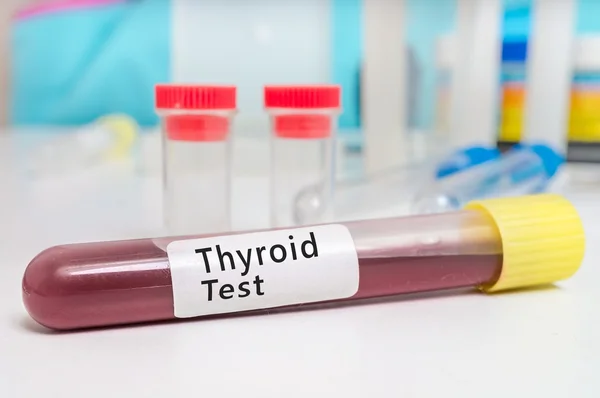
    As a result of its influence on both the mother’s health and the child’s growth and development, proper thyroid function is an essential component of pregnancy. The thyroid gland secretes hormones, some of which assist control of metabolism, the creation of energy, and other body functions as a whole. When thyroid disease during pregnancy starts, it might have far-reaching effects on the baby.

    Thyroid Function During Pregnancy Is Typically Normal for Women

    It is critical to ensure that your thyroid levels remain normal during your early pregnancy to have the best possible health. During pregnancy, the diagnosis and management of thyroid hormone between these reference ranges set by guidelines of the American Thyroid Association are:

    Women with TSH, or thyroid-stimulating hormone, should be between 0.1 and 2.5 mIU/L during the first trimester of pregnancy, and between 0.2 and 3.0 mIU/L during the second and third trimesters of pregnancy.

    Free T4 (Free Thyroxine) levels should be between 0.8 and 1.2 ng/dL during the first trimester, then between 0.5 and 1.0 ng/dL during the second and third trimesters.

    The Thyroid Level In Pregnancy

    During pregnancy, the thyroid stimulating hormone goes through several physiological shifts, which may result in changes to the levels of thyroid hormone. The increased need for thyroid hormones as well as the effect of other hormones generated during pregnancy are the causes of these alterations.

    In the third trimester of pregnancy, the thyroid level is measured

    During pregnancy, thyroid hormone levels will normally rise to accommodate the expanding nutritional requirements of both the mother and the developing baby. It is especially crucial to monitor thyroid function throughout the third trimester of pregnancy since this is such a vital period for the development of the brain of the fetus.

    Is There a Connection Between Hypothyroidism And Pregnancy?

    The state of a woman’s thyroid gland is very important to the likelihood of her becoming pregnant. The menstrual cycle may be thrown off by thyroid abnormalities such as hypothyroidism during pregnancy and hyperthyroidism, which can also have an effect on ovulation and raise the likelihood of reproductive problems. Those who try to conceive should keep their thyroid levels normal at all times.

    Ritu IVF Center is a Best Fertility Centre in Jaipur

    You must seek the advice of a professional if you have concerns about the influence that your thyroid hormone levels will have on your ability to conceive or carry a pregnancy. In addition to specializing in reproductive care, the Ritu IVF Center in Jaipur can provide complete assistance and treatment for thyroid-related disorders that may arise during pregnancy and postpartum.

    FAQs Regarding  TSH Level And Thyroid Disease

    1. What signs can indicate that there the thyroid dysfunction while a woman is pregnant?

    During pregnancy, thyroid abnormalities may cause a variety of symptoms, including but not limited to exhaustion, weight changes, changes in heart rate, mood swings, and issues regulating body temperature.

    1. What kinds of tests are performed to check the thyroid function during pregnancy?

    Blood tests are the standard method for assessing thyroid function. These blood tests commonly evaluate TSH reference and Free T4 levels. Regular monitoring of thyroid levels is necessary to ensure they remain within acceptable limits.

    1. What are the potential dangers to the unborn child if thyroid disorders go untreated throughout pregnancy?

    Untreated thyroid disorders during pregnancy may lead to difficulties such as premature birth, low birth weight, developmental abnormalities in the infant, and postpartum thyroid problems in the mother. Preterm birth is the premature delivery of a baby before 37 weeks of pregnancy.

    1. Are there any ways in which thyroid problems may be addressed during pregnancy?

    A healthcare expert can address thyroid problems during pregnancy. As part of the treatment, the patient may receive medication to manage their thyroid hormone levels.

    1. During pregnancy, how often should you check your thyroid levels?

    At the beginning of pregnancy, typically around the 16th to 18th week, and at least once during the third trimester, healthcare professionals should assess a woman’s thyroid levels. If you find any problems or if symptoms manifest, we recommend further testing.

    Conclusion

    During pregnancy, it is very important for both the mother and the growing fetus to ensure that their TSH levels are between 2.5.  Consistent monitoring, expert support, and personalized therapy can contribute to a healthy and successful pregnancy. If you are pregnant and have concerns about the health of your thyroid, you should speak with a healthcare professional or fertility expert, such as those found at Ritu IVF Fertility Center, for complete care and support during this time.

  • Recurrent Implantation Failure: A Systematic Review And Meta-Analysis

    Recurrent Implantation Failure: A Systematic Review And Meta-Analysis

    Recurrent Implantation Failure (RIF) is hard to deal with and can be very discouraging for couples going through IVF failure or other fertility methods. It happens when transferring more than one egg does not lead to a baby. This piece will talk about what causes recurrent implantation failure, diagnosis and treatment, systematic review, and meta-analysis to get past it. It will give people who are trying to get pregnant hope and direction.

    What does “Recurrent Implantation Failure” Mean?

    When at least three high-quality embryos have been transferred during repeated IVF cycle rounds and a clinical pregnancy rate has not been achieved, this is called recurrent implantation failure after in vitro. RIF patients who want to have a child may find this situation hard on their minds and bodies.

    Causes of Recurrent Implantation Failure

    Women with recurrent implantation failure have a low implantation success rate, and finding the root reasons is important for successful implantation.

    Endometriosis: Recurrent miscarriage can make the uterus environment worse, which can make it harder for a baby to implant. Taking care of your endometriosis before you try IVF might increase your chances of success.

    Uterine Abnormalities: Problems with the structure of the uterus, like tumors or polyps, can make it hard for the baby to grow. Some of these problems might need to be fixed with treatment options like surgery

    Immune System Effects:  If the immune system reacts too strongly, it may reject embryos. Therapies that change the immune system can be thought about.

    Genetic Problems: The genetic makeup of both partners can affect the survival of the baby. Preimplantation genetic testing, or PGT, can improve implantation and pregnancy rates.

    Thrombophilia: Women with recurrent problems with blood clotting can make it hard for blood to get to the uterus, which can make it hard for the baby to grow. People may receive blood-thinning medications.

    Treatment for Repeat Implantation Failure

    The treatment approach for RIF depends on its underlying cause. These are some common plans for patients with recurrent implantation failure:

    Making changes to your lifestyle: Living a healthy life with a balanced diet, regular exercise, and less stress can decrease your fertilization failure.

    Endometrial Receptivity Analysis (ERA): This test checks the lining of the uterus to find the best time to move the egg, which increases the chances of treatment of recurrent

    Hormonal Therapy: Treatments based on hormones can make the uterus more open, keep the period regular, and lower immune responses.

    Surgical Interventions: Fixing problems with the uterus through surgery, like hysteroscopy or myomectomy, can raise the chances of implantation.

    Immunomodulation: To keep the baby from being rejected, the immune system may need to be slowed down or changed.

    Genetic Screening: PGT can find embryos that have problems with their genes, making sure that only healthy embryos are transferred.

    Thrombophilia Management: If thrombophilia is a problem, medicines that thin the blood may be given.

    Success After Several Failed Embryo Implantations

    Embryo Implantation Failure does not mean you can’t have children. After dealing with the root reasons, many patients with rif can have healthy babies. It’s important to work closely with a fertility expert who can make a treatment plan just for you.

    Conclusion

    Unexplained Recurrent Failure after in vitro fertilization is a tough problem that can be solved on the way to having a child. Many couples can get over this problem and finally have the child they want if they fully understand what causes it and what treatments are available. If you’re dealing with RIF, talk to a fertility expert. They can help you through your journey and give you personalized care.

    FAQs Regarding Implantation Failure Patients

    1. What is the success rate of patients with repeated implantation failures?

    RIF doesn’t happen very often; only 5–10% of couples going through IVF get it. The frequency may change based on the person’s situation and the root reasons.

    2. Can I make changes to my habits that will help stop repeated unexplained implantation failure?

    Adopting a healthy lifestyle that includes a well-balanced diet, regular exercise, and ways to deal with stress can help with fertility and lower the risk of RIF.

    3. How many IVF attempts do you need to have before the implantation fails again?

    Most of the time, recurrent implantation failure and recurrent is identified after at least three IVF rounds with healthy egg transfers that don’t lead to a baby.

    4. Is it possible to treat women with repeated implantation failure?

    Of course, many couples with RIF can have healthy babies after getting the right evaluation and care.

    5. How does mental support role in implantation failure in IVF?

    During RIF treatment, mental support is very important because the process can be hard on the emotions. Fertility treatments can be stressful, but support groups, counseling, and being honest with your partner can help.

  • Gestational diabetes: Symptoms, Cause, Diagnosis, Treatment

    A positive indicator of diabetes mellitus is high blood sugar levels. One of the forms of diabetes that may develop during pregnancy is called gestational diabetes. This kind of diabetes is caused by shifts in hormone levels.

    Diabetes was not present in the bodies of women who developed gestational diabetes before they became pregnant.

    Symptoms Of Gestational Diabetes

    The following are some of the signs and symptoms that are related with gestational diabetes:

    • Urination that is both more frequent and intense
    • Dry mouth Exhaustion Increased thirst
    • Sickness and throwing up
    • Loss of weight while having an increased hunger
    • A vision that is hazy
    • Infections caused by yeast

    Despite this, many pregnant women with gestational diabetes do not experience any of the classic signs and symptoms of the condition. Because of this, it is advised that screening tests for the disorder be administered to all pregnant women.

    What Causes Gestational Diabetes and Its Risk Factors

    Like developing type 2 diabetes, maternal diabetes happens when the body can’t act properly to insulin. This is known as insulin resistance.

    When cells in the body don’t receive glucose properly, the simple sugar builds up in the bloodstream. This makes blood tests show that blood glucose levels are too high.

    Changes in hormones are the main cause of insulin resistance in pregnant women.

    Some chemicals in the placenta are to blame for gestational diabetes. “In people who are vulnerable, these can make insulin resistance worse.” No one knows for sure why some women can’t handle these hormones well and end up getting gestational diabetes.

    Among these chemicals are:

    • Hormones for growth
    • Cortisol is a stress chemical.
    • Having estrogen and progesterone
    • A hormone called human placental lactogen is made in the placenta and helps break down fat from the mother so that the baby can get energy.
    • Placental insulin is another hormone that stops insulin from working and comes from the placenta.

    During pregnancy, you may also have more diet, exercise less, and have bigger fat deposits, all of which can make insulin resistance worse.

    These changes make it possible for the growing baby to get more nutrients. In response, the woman’s body makes more insulin, but this extra insulin isn’t always enough to keep glucose levels normal, which can lead to type of diabetes.

    There are many things that can make a pregnant woman more likely to get gestational diabetes, such as

    Blood sugar that is high but not high enough to be called diabetes is called prediabetes.

    • A high blood pressure
    • Having a history of gestational diabetes yourself or in your family
    • A history of type 2 diabetes in the family
    • Having problems with your hormones, like polycystic ovarian syndrome (PCOS),
    • Having too much weight or being overweight during pregnancy being more than 25
    • Being from a Pacific Islander, American Indian, Asian, Hispanic, or African background
    • Giving birth to a baby that weighed at least 9 pounds or had a birth problem before
    • Having had a mysterious loss or miscarriage in the past

    Still, some women who don’t have any of these risk factors may still get gestational diabetes because they can’t handle the hormones that come from the placenta.

    Signs of Gestational Diabetes

    Between 24 and 28 weeks of pregnancy, if you’re not at a high risk for gestational diabetes, your doctor will check you for it. Women who are more likely to get gestational diabetes may be checked for it earlier, usually at their first pregnancy visit.

    Some tests that can find gestational diabetes are:

    Challenge Test for Glucose For this test, you will drink a glucose syrup solution and then check your blood sugar level an hour later. A blood sugar reading below 140 mg/dL, or 7.8 mmol/L, is usually thought to be normal. If your blood sugar level is 190 mg/dL or 10.6 mmol/L, you may have gestational diabetes.

    Tests to Check Glucose Again If the first glucose challenge test showed that your blood sugar level was higher than usual, you will need to do another one to find out if you have diabetes. The glucose solution in this test will be sweeter than the first one, and your blood will be checked every hour for three hours. These blood tests will tell you if you have gestational diabetes if two of them come back high.

    Gestational Diabetes: What to Expect

    Most of the time, gestational diabetes is short-term. For more than three-quarters of women who get it, their blood sugar levels return to normal after the pregnancy is over.

    However, women who have had diabetes are more likely to get it again during future pregnancies. They are also more likely to get type 2 diabetes later in life. Because of this, women who have had diabetes should keep getting their blood sugar levels checked, even after they are no longer pregnant.

    Duration Of Gestational Diabetes

    When diabetes shows up during pregnancy, it usually goes away right after giving birth, but this doesn’t always happen.

    If it is true gestational diabetes, it should go away right away after birth,  This is because the metabolic and hormonal changes during pregnancy cause insulin resistance. However, when telling a woman she has gestational diabetes while she is pregnant, it’s sometimes because she already had it before she got pregnant.”

    Pre- gestational diabetes is a type of diabetes that starts before pregnancy. It includes type 1 diabetes and type 2 diabetes, as well as some less common types, like diabetes caused by medicine or diabetes caused by cystic fibrosis. Diabetes during pregnancy will not go away after giving birth.

    To find out if the woman had prenatal diabetes or pregestational diabetes,  a glucose test must be done at the postpartum visit. This lets your doctor check for insulin resistance and diabetes that starts before you get pregnant.

    Your doctor may talk to you about a treatment plan if you were diagnosed with pregestational diabetes while you were pregnant. This could mean making changes to your food and way of life, as well as called insulin or oral medicines.

    Medicines and Treatment For Gestational Diabetes

    People who have gestational diabetes can control it by closely watching their blood sugar, making changes to their lifestyle, and sometimes by taking medicine.

    Keep an eye on your low blood sugar. There may be times during the day when your doctor will tell you to check your blood sugar if you have gestational diabetes.

    The American Diabetes Association (ADA) tells pregnant women who test their blood sugar to aim for the following levels:

    • Less than 95 mg/dL before a meal
    • Less than 140 mg/dL an hour after a meal
    • 120 mg/dL or less two hours after a meal

    Eat well and stay healthy. It’s too bad that the risk of developing gestational diabetes won’t go away while the woman is still pregnant. All those metabolic changes that cause insulin resistance are still happening. However, diet alone can sometimes control it.

    Women should eat 30 to 40 percent carbohydrates and you should choose carbs that are digested more slowly and don’t cause blood sugar to rise too quickly. Most of these foods have a lot of fiber. You could eat whole wheat bread instead of white bread or whole fruit instead of fruit juice. You can find a qualified diabetes care and education specialist and a registered dietitian nutritionist through the Association of Diabetes Care and Education Specialists. These professionals can help you make a diet that is good for a healthy pregnancy.

    Do some movement. Talk to your doctor about how much and what kind of exercise is best for you while you’re pregnant. Fay usually tells all of her patients to work out for 30 minutes at least five days a week. She also says that going for a walk after meals can help lower blood sugar.

    Take your medicine. Changing the way you live might not always be enough to control if diagnosed with gestational diabetes. If blood sugar levels remain high even after changing the diet, doctors use insulin to treat gestational diabetes. “This is safe for pregnant women and reduces your risk.

    You will learn how to give yourself insulin shots with a small needle from your doctor. Some doctors might give you a different pill to swallow.

    How to Avoid Risk For Gestational Diabetes

    While there is no surefire way to avoid getting gestational diabetes, there are things you can do to make it less likely.

    Eating right and staying at a healthy weight before and during pregnancy, as well as getting more exercise, are the best ways to lower your risk of getting gestational diabetes

    If you want to have a better baby, you might want to lose this extra weight before you get pregnant.

    Fruits, veggies, and whole grains are all healthy foods that are low in fat and high in fiber. Every day, try to do some kind of mild exercise for at least 30 minutes. You can make changes to these healthy habits that will last and help you through your pregnancy.

    Although, women who are a healthy weight, work out, and eat well may still get diabetes sometimes. In these situations, it’s likely to happen because of how maternal chemicals work. Gestational diabetes is more likely to happen in women who have a first-degree cousin (like a mother or father) with diabetes. This suggests that genetics may also play a role.

    Complications Of Gestational Diabetes

    There are many problems that can happen for both the mother and the baby when a woman has diabetes. Some risks of gestational diabetes are:

    If you do not take good care of your Extra-Large Baby’s Diabetes, the baby’s blood sugar can rise, which can cause them to be “overfed” and grow extra-large. Fay says, “This can raise the risk of needing a cesarean delivery or shoulder dystocia during vaginal delivery. Shoulder dystocia occurs when the baby’s head delivers, but the shoulders become lodged behind the pubic bone. This can raise the risk of birth trauma.”

    Preeclampsia or high blood pressure: Gestational diabetes can make a woman more likely to get preeclampsia, a dangerous form of high blood pressure that can cause early delivery. It can also make the woman more likely to have seizures or a stroke during labor and delivery.

    Hypoglycemia means low blood sugar: People who have diabetes and take insulin can get too little sugar in their blood. This is a very bad illness that can even kill you if you don’t get help right away. Women who are pregnant can keep their blood sugar levels from dropping too low, which can be risky.

    Gestational diabetes can also lead to “a number of metabolic complications after delivery, such as low blood sugar for the baby, breathing problems, and neonatal jaundice.” There is a straight line between the mother’s blood sugar and the risk of these problems. This means that the higher the blood sugar, the higher the risk.

    FAQs Regarding Pregnancy with Type 2 Diabetes

    Does drinking plenty of water improve gestational diabetes?

    Hydration is good for everyone, especially gestational diabetics. Hydrating helps diabetic women avoid overeating, which is crucial to treating the illness.

    Women with gestational diabetes deliver early?

    Gestational diabetes may cause preterm birth. Most women with the disease have full-term pregnancies, however, problems may need early induction.

    Is nutrition responsible for gestational diabetes?

    Hormonal changes during pregnancy cause diabetes. When pregnant, eating more, exercising less, and having extra fat might cause insulin resistance.