Category: Pregnancy

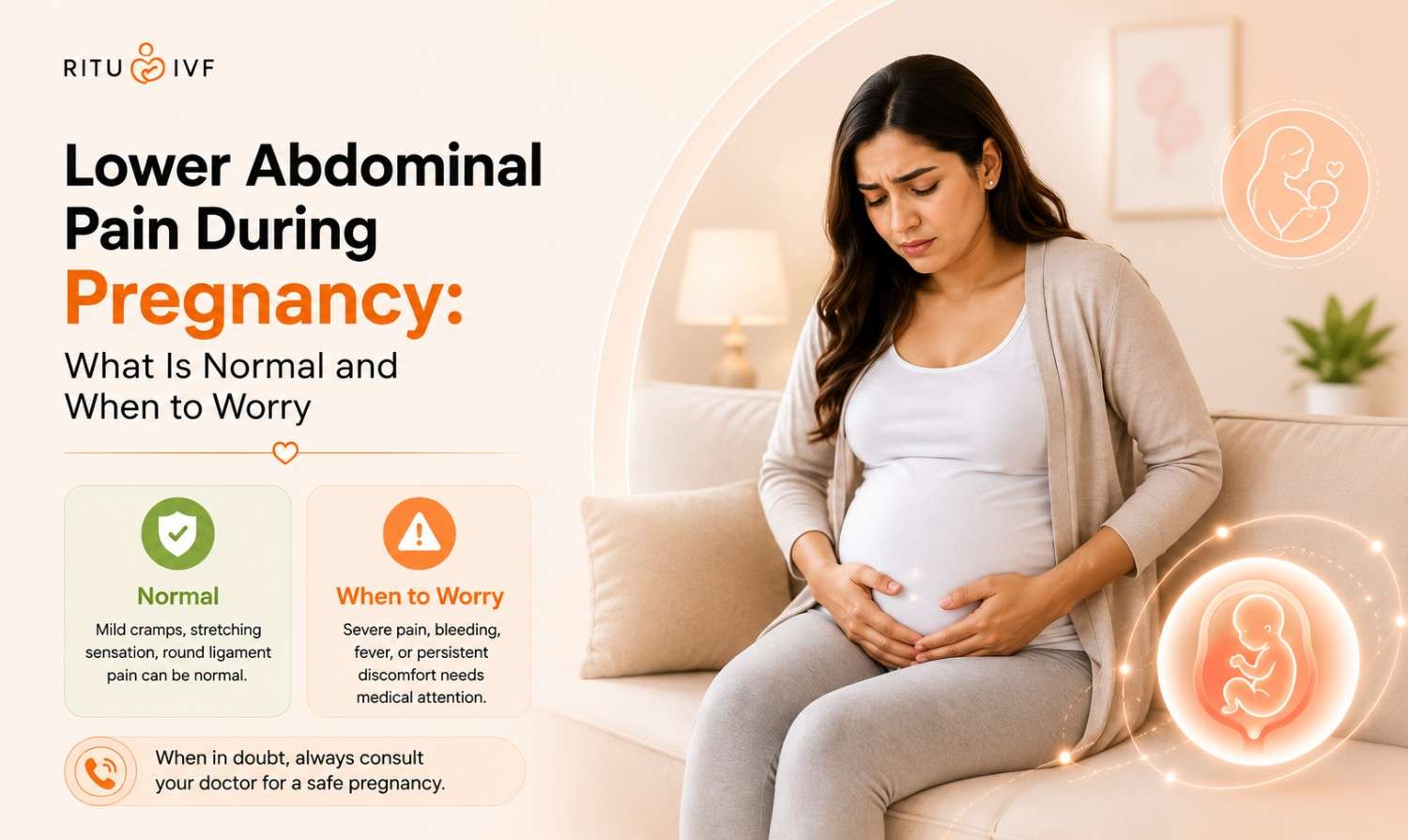
  • Lower Abdominal Pain During Pregnancy: What Is Normal and When to Worry

    Lower Abdominal Pain During Pregnancy: What Is Normal and When to Worry

    Feeling a pull, an ache, or a cramp low in your belly during pregnancy can be frightening, and your mind often jumps straight to the worst. Please take a slow breath first. Most lower abdominal cramps while pregnant are completely normal, simply your body stretching and making room for your growing baby.


    That said, a few types of pain do need quick attention, and you deserve to know the difference without second-guessing yourself. This guide gently walks you through what is usually harmless, what is not, and exactly when to call your doctor or go to the hospital.

    Healthcare CTA

    Ready to take the next step toward parenthoo

    [Book an Appointment Now]

    Normal and Common Causes of Lower Abdominal Pain During Pregnancy

    The reassuring truth is that most lower abdominal pain during pregnancy comes from normal, expected changes. Here are the everyday causes that rarely signal anything serious.

    Your Growing Uterus

    As your uterus expands to hold your baby, the surrounding muscles and tissues stretch. This can leave a dull, heavy ache or mild cramping low in the belly.

    It often feels stronger after a busy day or a long time on your feet. Rest usually settles it.

    Round Ligament Pain

    The round ligaments are two cord-like bands that support your uterus, and they soften and stretch as your belly grows. If you feel a sudden sharp pain in your lower stomach during pregnancy, round ligament pain is one of the most common and harmless reasons, especially in the second trimester (roughly weeks 14 to 27).

    It usually feels like a quick, sharp, or pulling sensation on one or both sides of your lower belly or groin. It often strikes when you move suddenly, roll over in bed, cough, sneeze, or stand up quickly, and it tends to last only a few seconds.

    Changing position slowly and resting usually eases it. Bending gently toward the pain can also help relax the ligament.

    Gas and Constipation

    Pregnancy hormones slow your digestion, which can lead to bloating, gas, and constipation, all of which cause cramping. The discomfort can feel sharp or trapped, and it often shifts around your lower belly.

    A few simple, safe steps usually bring relief:

    • Drink plenty of water through the day
    • Add more fiber with fruits, vegetables, and whole grains
    • Eat smaller, more frequent meals instead of large ones
    • Keep moving gently, such as a short walk after meals

    Please check with your doctor before taking any laxative, stool softener, or antacid, even an over-the-counter one.

    Pelvic Girdle Pain

    Pelvic girdle pain in pregnancy (often shortened to PGP) is caused by hormones loosening the joints of your pelvis so your body can prepare for birth. You may feel it across your pubic bone, hips, lower back, or the area between your legs.

    It usually feels worse when you walk, climb stairs, turn over in bed, or stand on one leg to dress. A supportive maternity belt, gentle movement, and physiotherapy guided by your doctor can make a real difference.

    Braxton Hicks Contractions

    Often called practice contractions, Braxton Hicks are your uterus rehearsing for labor. They feel like a painless tightening or hardening of the belly that comes and goes.

    The key is that they are irregular and infrequent, they do not get steadily stronger, and they usually settle when you rest, change position, or drink water. If your tightenings instead become regular, more frequent, and more intense, read the preterm labor section below.

    Need an Appointment?

    CLICK HERE

    Quick Reference: Pain That Is Usually Fine vs Pain That Needs a Doctor

    When you are anxious, a simple side-by-side can settle your mind fast. Use this as a guide, not a diagnosis.

    Usually harmlessCall your doctor
    Mild, brief cramps that ease with restSevere or constant pain
    Short, sharp pulling pain when you move (round ligament)Sharp pain on one side that does not let up
    Tightening that is irregular and settles with rest and waterRegular contractions before 37 weeks
    Bloating or gas that comes and goesPain together with vaginal bleeding
    Pelvic ache that improves when you sit or lie downPain with fever, chills, or burning urine
    No bleeding, fluid leak, or feverAny fluid gushing or leaking from the vagina

    How Lower Abdominal Pain Changes Through Each Trimester

    Pain can feel different at each stage, and knowing what is typical for your trimester takes away a lot of fear.

    First Trimester (Weeks 1 to 12)

    Mild cramping is common as your uterus begins to grow, and gas or constipation often adds to it. This is also the stage when ectopic pregnancy and early miscarriage are most likely, so any sharp one-sided pain, bleeding, or dizziness needs prompt review.

    Second Trimester (Weeks 13 to 27)

    This is when round ligament pain is most common, with quick, sharp twinges as you change position. Pelvic girdle pain can also begin around now, and most discomfort at this stage is simply from stretching.

    Third Trimester (Weeks 28 to 40)

    Braxton Hicks tightenings tend to become more noticeable, and pelvic pressure builds as your baby settles lower. Stay alert for regular contractions before 37 weeks, constant severe pain, or bleeding, which can point to preterm labor or other complications.

    When Lower Abdominal Pain May Signal a Complication

    These causes are far less common, but they are important to recognise early. If anything here sounds familiar, contact your doctor without waiting.

    Ectopic Pregnancy (A Medical Emergency)

    An ectopic pregnancy happens when a fertilised egg implants outside the uterus, most often in a fallopian tube. It usually shows up early, around weeks 6 to 8, and it cannot develop into a healthy pregnancy.

    Warning signs include a sharp, often one-sided pain in the lower stomach, along with vaginal bleeding or spotting, pain at the tip of one shoulder, dizziness, or feeling faint. This is a medical emergency, because a ruptured tube can cause dangerous internal bleeding.

    If you suspect an ectopic pregnancy, call your doctor or go to the nearest emergency room straight away.

    Miscarriage

    A miscarriage is the loss of a pregnancy before 20 weeks. The usual signs are cramping lower abdominal pain together with vaginal bleeding, which may build over hours.

    Pain and bleeding can sometimes mean a threatened miscarriage, where the pregnancy may still continue. Either way, please reach your doctor promptly so you can be examined and supported.

    Preterm Labor

    Preterm labor is labor that starts before 37 weeks. Unlike Braxton Hicks, these contractions are regular and rhythmic, they grow stronger and closer together, and they do not ease with rest or water.

    Other signs include a low, dull backache, a feeling of pressure in your pelvis, a change in vaginal discharge, fluid leaking, or light bleeding. If you notice this pattern, treat it as urgent and seek care immediately.

    Urinary Tract Infection (UTI)

    UTIs are common in pregnancy and can cause lower abdominal or pelvic pain. Watch for burning when you urinate, a frequent or urgent need to go, and cloudy or strong-smelling urine.

    A UTI in pregnancy should never be left alone, because an untreated infection can travel to the kidneys and even trigger preterm labor. The reassuring part is that it is easily treated with pregnancy-safe antibiotics once your doctor confirms it.

    Less Common but Serious Causes

    A few conditions are uncommon, yet important to recognise because they need urgent care:

    • Placental abruption: sudden, severe, constant pain, often with bleeding and a hard, tender belly, usually in later pregnancy
    • Ovarian cyst or torsion: sudden, intense pain on one side, sometimes with nausea or vomiting
    • Appendicitis: pain that may begin near the navel and shift to the right side, with nausea and fever (in later pregnancy the pain can sit higher than usual)

    If any of these feel possible, please do not wait at home. Seek care the same day or go to the emergency room.

    Need an Appointment?

    CLICK HERE

    Red Flags: When to Contact Your Gynecologist Immediately

    This is the part to remember if you read nothing else. If you are wondering when to go to the ER for pregnancy pain, the answer is simple: if you have even one of the signs below, call your doctor now or go to the nearest hospital.

    • Heavy vaginal bleeding, or any bleeding with clots
    • Severe or constant pain, especially a sharp pain on one side
    • Fluid leaking or a sudden gush of water from the vagina
    • Fever, chills, or burning and pain when you urinate
    • Regular contractions before 37 weeks (tightening every 10 minutes or sooner)
    • Dizziness, fainting, or shoulder-tip pain (possible ectopic pregnancy)
    • A clear drop in your baby’s movements in later pregnancy
    • Severe headache, blurred vision, or sudden swelling of the face or hands

    If you are ever unsure, please treat it as urgent. It is always better to be checked and reassured than to wait at home and worry.

    Safe Ways to Ease Mild Discomfort at Home

    These gentle steps are meant only for mild, normal aches, never for any of the red-flag symptoms above.

    • Rest and change position slowly rather than springing up
    • Place a warm (not hot) compress on your lower belly, or take a warm bath
    • Stay well hydrated through the day
    • Eat fiber-rich foods and smaller, more frequent meals
    • Try gentle movement, such as short walks or doctor-approved pelvic tilts
    • Use a supportive maternity or pelvic belt if you have pelvic girdle pain
    • Avoid all medicines, including painkillers, without asking your doctor first

    If a mild pain does not settle with rest and these simple measures, call your doctor for guidance.

    Medical Disclaimer: This article is for general educational purposes only and is not a substitute for professional medical advice. Every pregnancy is different, so please consult a qualified gynecologist or obstetrician, such as Dr. Ritu Agarwal at RITU IVF, for guidance specific to your situation. If you have severe symptoms, seek emergency care without delay.

    Healthcare CTA

    Ready to take the next step toward parenthoo

    [Book an Appointment Now]

    Frequently Asked Questions

    Is it normal to have lower abdominal cramps while pregnant? Yes, mild cramping is very common, especially as your uterus and ligaments stretch. It becomes a concern only when the pain is severe, one-sided, or constant, or when it comes with bleeding, fever, or leaking fluid.

    How can I tell round ligament pain from something serious? Round ligament pain is brief and sharp, brought on by movement, and it eases quickly with rest. Pain that is severe, steady, or paired with bleeding, fever, or dizziness is not round ligament pain and needs a doctor.

    Do Braxton Hicks contractions hurt? They are usually painless and feel like a tightening that comes and goes irregularly. If the tightenings turn regular, stronger, and closer together before 37 weeks, call your doctor, as this can signal preterm labor.

    When should I go to the ER for pregnancy pain? Go straight to the hospital for heavy bleeding, severe or one-sided pain, leaking fluid, fever or chills, fainting, or regular early contractions. Whenever you are unsure, it is always safer to be checked.

    Can gas and constipation really cause this much pain? Yes. Pregnancy hormones slow your digestion, so trapped gas and constipation can cause surprisingly sharp cramps that usually ease with water, fiber, and gentle movement.

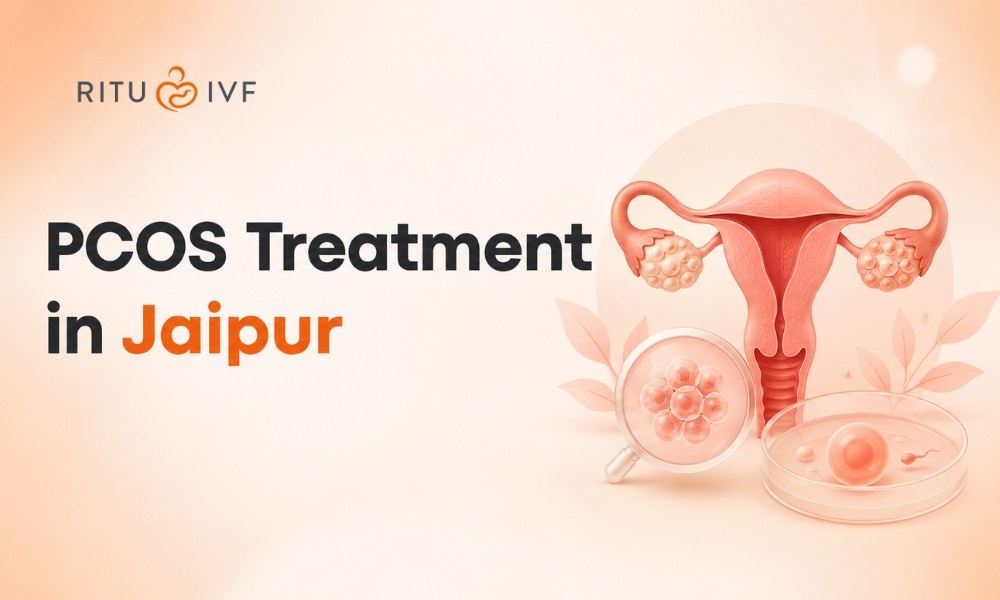
  • PCOS Treatment in Jaipur 2026: Complete Guide to Symptoms, Diagnosis and All Treatment Options

    PCOS Treatment in Jaipur 2026: Complete Guide to Symptoms, Diagnosis and All Treatment Options

    PCOS treatment in Jaipur has become one of the most searched fertility and gynecology topics in Rajasthan, and the numbers explain exactly why.

    As many as 25 to 30% of women of reproductive age in India have PCOS, making it one of the most prevalent hormonal conditions affecting women today. In Jaipur alone, thousands of women are diagnosed with this condition every year, yet a large number continue to live with undiagnosed symptoms for months or even years before seeking proper medical care.

    Studies suggest that over 70% of women with PCOS are not even diagnosed. They get to know about their condition only after a certain period, often when they begin trying to conceive and face unexpected difficulties.

    This delay is dangerous. Left unmanaged, PCOS does not just affect menstrual cycles and fertility. It significantly increases the long-term risk of type 2 diabetes, cardiovascular disease, endometrial cancer, and mental health conditions including anxiety and depression.

    Dr. Ritu Agarwal, Senior Fertility Specialist and Founder of Ritu IVF Jaipur, sees PCOS patients every single day. According to Dr. Ritu Agarwal, the most important thing any woman with PCOS can do is seek an accurate diagnosis and a personalized treatment plan early, because PCOS is one of the most manageable conditions in women’s health when approached correctly.

    This complete 2026 guide covers everything you need to know about PCOS treatment in Jaipur, from understanding the condition and recognizing symptoms to the latest medical treatments, lifestyle strategies, dietary approaches, and fertility options including IVF for PCOS.

    What Is PCOS? Understanding the Condition That Affects 1 in 4 Indian Women

    PCOS (Polycystic Ovary Syndrome) is a hormonal disorder that affects the ovaries, the menstrual cycle, and the overall hormonal balance of the female body.

    In PCOS, the ovaries produce excess male hormones called androgens. This hormonal imbalance prevents eggs from maturing and being released normally during the menstrual cycle. Instead of a mature egg being released each month, multiple small, undeveloped follicles accumulate in the ovaries, which is what gives the condition its name.

    PCOS is characterised by irregular menstrual cycles, increased androgen levels, and multiple follicles in the ovaries. The hormonal imbalance hinders ovulation, making it extremely difficult for affected women to conceive naturally without medical support.

    It is important to understand that PCOS is not just a reproductive condition. It is a full-body metabolic and endocrine disorder that affects:

    • Menstrual cycle regularity and ovulation
    • Skin health (acne, oiliness)
    • Hair growth patterns (excess facial and body hair)
    • Hair loss (thinning on the scalp)
    • Weight and metabolism
    • Insulin sensitivity and blood sugar regulation
    • Mood and mental health
    • Long-term cardiovascular health
     

    PCOD vs PCOS: Is There a Difference?

    Many women in Jaipur and across India search for PCOD treatment in Jaipur and PCOS treatment in Jaipur interchangeably, and there is an important distinction to understand.

    PCOD (Polycystic Ovarian Disease) is a milder form of the condition where the ovaries release immature eggs that accumulate as cysts. Hormonal imbalance is present but less severe.

    PCOS (Polycystic Ovary Syndrome) is a more complex endocrine disorder involving significant hormonal imbalance, insulin resistance, and metabolic dysfunction. It is the more clinically serious of the two.

    Both conditions require proper diagnosis and management. Both respond well to targeted treatment. And both are treated effectively at specialist fertility and gynecology centers in Jaipur.

    PCOS Symptoms: How to Recognize It Early

    Recognizing PCOS symptoms early is the key to starting treatment before the condition causes long-term complications.

    Many women dismiss their symptoms as stress-related, normal hormonal variation, or simply part of their constitution. This is one of the primary reasons why so many cases remain undiagnosed for years.

    Common PCOS Symptoms to Watch For

    • Irregular periods: Cycles that are longer than 35 days, fewer than 8 cycles per year, or completely absent
    • Heavy or prolonged bleeding: When periods do occur, they may be unusually heavy or last longer than normal
    • Excess facial and body hair (Hirsutism): Unwanted hair growth on the face, chin, chest, abdomen, or inner thighs due to elevated androgens
    • Acne: Persistent, hormonal acne on the face, chest, and upper back that does not respond well to standard skincare
    • Scalp hair thinning: Male-pattern hair thinning or loss on the scalp
    • Weight gain: Unexplained weight gain, particularly around the abdomen, linked to insulin resistance
    • Skin darkening (Acanthosis Nigricans): Dark, velvety patches on the neck, armpits, or groin
    • Mood changes: Anxiety, depression, and mood swings linked to hormonal fluctuation
    • Difficulty conceiving: Irregular or absent ovulation makes natural conception challenging

    If you are experiencing three or more of these symptoms regularly, a diagnostic evaluation for PCOS is strongly recommended. Do not wait.

    How Is PCOS Diagnosed in Jaipur?

    PCOS diagnosis in Jaipur follows the internationally recognized Rotterdam Criteria, which requires at least two of the following three features to be present:

    1. Irregular or absent ovulation (evidenced by irregular or absent menstrual cycles)
    2. Clinical or biochemical signs of elevated androgens (excess hair, acne, or elevated testosterone on blood test)
    3. Polycystic ovaries on ultrasound (12 or more follicles in each ovary or increased ovarian volume)

    Standard Diagnostic Tests for PCOS in Jaipur

    • Pelvic ultrasound: To visualize ovarian morphology and count antral follicles
    • Hormone blood panel: FSH, LH, AMH, testosterone, DHEAS, prolactin, thyroid hormones
    • Fasting insulin and blood glucose: To assess insulin resistance and diabetes risk
    • Lipid profile: To evaluate cardiovascular risk associated with PCOS
    • BMI and waist circumference: To assess metabolic risk profile

    A complete diagnostic workup typically takes one to two clinic visits and gives your doctor the complete picture needed to design a targeted, personalized treatment plan.

    PCOS Treatment in Jaipur: All Available Options in 2026

    PCOS treatment in Jaipur in 2026 has evolved significantly, with a much stronger emphasis on personalized, multi-dimensional treatment approaches rather than a single medication or one-size-fits-all intervention.

    The most effective PCOS treatment plans combine lifestyle modification, targeted medication, nutritional support, and fertility-focused interventions when conception is a goal.

    Overview: PCOS Treatment Options in Jaipur 2026

    Treatment CategoryOptions AvailableBest For
    Lifestyle ModificationDiet, Exercise, Weight ManagementAll PCOS patients as first-line treatment
    Oral MedicationsMetformin, Inositol, OCP, Anti-androgensHormonal regulation, insulin resistance
    Ovulation InductionLetrozole, ClomipheneWomen trying to conceive naturally or with IUI
    Advanced FertilityIUI, IVF with ICSIWomen who do not respond to simpler treatments
    SurgicalLaparoscopic Ovarian DrillingSelected cases of clomiphene-resistant PCOS
    Nutritional SupplementsMyo-Inositol, Vitamin D, CoQ10Hormonal balance and egg quality support

    Lifestyle Changes: The Most Powerful First Step in PCOS Treatment

    Lifestyle modification is not just a supportive measure for PCOS. It is the single most evidence-backed first-line treatment for the majority of women with this condition.

    For most women with PCOS in Jaipur, meaningful improvement in symptoms, hormonal balance, and menstrual regularity can be achieved through targeted lifestyle changes alone, particularly when started early and maintained consistently.

    Exercise and Physical Activity

    Regular moderate exercise is one of the most effective interventions for improving insulin sensitivity in PCOS.

    • Aim for 150 minutes of moderate-intensity exercise per week
    • Combine aerobic exercise (brisk walking, cycling, swimming) with strength training
    • Even a 5 to 10% reduction in body weight in overweight women with PCOS significantly improves ovulation frequency, menstrual regularity, and hormonal profiles
    • Yoga has additional benefits for PCOS through stress reduction and cortisol regulation

    Sleep and Stress Management

    Chronic stress elevates cortisol, which worsens insulin resistance and androgen production in PCOS.

    • Aim for 7 to 9 hours of quality sleep per night
    • Practice stress reduction techniques: yoga, meditation, mindfulness, or professional counseling
    • Address anxiety and depression directly, as these are clinically significant comorbidities of PCOS that deserve proper attention alongside physical treatment

    PCOS Diet Plan: What to Eat and What to Strictly Avoid

    A targeted PCOS diet plan is one of the most powerful tools for managing symptoms naturally and improving fertility outcomes.

    The foundation of a PCOS-friendly diet is reducing insulin resistance by controlling blood sugar levels through consistent, intentional food choices.

    Best Foods for PCOS Management

    • Low glycemic index (GI) carbohydrates: Brown rice, oats, quinoa, whole wheat, lentils, chickpeas
    • Lean proteins: Eggs, fish, chicken, paneer, tofu, legumes
    • Healthy fats: Avocado, olive oil, nuts, seeds, fatty fish
    • Antioxidant-rich vegetables: Spinach, broccoli, bell peppers, tomatoes, beetroot
    • Omega-3 rich foods: Salmon, sardines, walnuts, flaxseeds, chia seeds
    • Fiber-rich foods: All vegetables, whole grains, legumes, fruits with skin

    Foods to Strictly Avoid With PCOS

    • Refined carbohydrates and sugar: White rice, white bread, maida, sweets, soft drinks
    • Trans fats and processed foods: Packaged snacks, fried foods, fast food
    • Excess dairy: Full-fat dairy in large quantities may worsen androgen levels in some women
    • Alcohol: Disrupts hormonal balance and worsens insulin resistance
    • Excessive caffeine: More than one to two cups of coffee per day may worsen hormonal disruption

    It is important to cut intake of sweets and processed foods and significantly increase fiber intake. Alongside dietary changes, exercise and achieving a 5 to 10% reduction in body weight produces significant improvement in PCOS symptoms for most women.

    Evidence-Based Supplements for PCOS

    Myo-Inositol and D-chiro-Inositol (MI-DCI) are among the most researched supplements for PCOS management. Clinical studies show significant reduction in LH to FSH ratio, free testosterone, and DHEAS levels after regular MI-DCI use, alongside meaningful improvement in hirsutism scores.

    Key evidence-supported supplements for PCOS management include:

    • Myo-Inositol (2,000 mg) with D-chiro-Inositol (50 mg): Improves insulin sensitivity, restores ovulation, and reduces androgen levels
    • Vitamin D3: Deficiency is extremely common in Indian women with PCOS and supplementation improves insulin sensitivity and menstrual regularity
    • CoQ10: Supports mitochondrial function in egg cells, improving egg quality for women planning conception
    • Omega-3 fatty acids: Reduces inflammation and improves hormonal balance
    • Zinc: Supports insulin regulation and reduces excess androgen-related symptoms including acne and hirsutism

    Always consult your PCOS specialist in Jaipur before starting any supplement regimen, as dosage requirements are highly individual.

    Medical Treatments for PCOS: Medications and Their Role

    When lifestyle changes alone are insufficient, medical treatment for PCOS in Jaipur adds targeted pharmacological support to the overall management plan.

    1. Metformin

    Metformin is an insulin-sensitizing medication and one of the most widely prescribed drugs for PCOS management in India.

    • Reduces insulin resistance at the cellular level
    • Lowers androgen production by the ovaries
    • Improves menstrual cycle regularity
    • Supports weight management in insulin-resistant PCOS patients
    • Reduces long-term risk of type 2 diabetes

    Research confirms that Metformin combined with Myo-Inositol shows improved outcomes in PCOS management in Indian women, with evidence supporting its use as a first-line insulin sensitizer.

    2. Oral Contraceptive Pills (OCPs)

    For women with PCOS who are not currently trying to conceive, oral contraceptive pills regulate the menstrual cycle, reduce androgen levels, and improve acne and hirsutism.

    • Provide predictable, regular menstrual cycles
    • Reduce excess androgen-driven symptoms
    • Protect the uterine lining from hyperplasia risk associated with chronic anovulation
    • Not suitable for women actively trying to conceive

    3. Anti-Androgen Medications

    Medications like Spironolactone reduce the effects of excess male hormones in PCOS, directly addressing hirsutism, acne, and scalp hair thinning when these symptoms are prominent.

    4. Ovulation Induction Medications

    For women with PCOS who are trying to conceive, ovulation induction is the critical next step.

    • Letrozole: Currently the first-line ovulation induction medication for PCOS-related infertility, recommended by international guidelines over Clomiphene due to higher ovulation and pregnancy rates
    • Clomiphene Citrate: An established second-line option when Letrozole is not suitable
    • Both medications are used under ultrasound monitoring to track follicle development and precisely time intercourse or IUI

    PCOS and Fertility: Can You Get Pregnant With PCOS?

    This is the question most women with PCOS in Jaipur eventually ask, and the answer is reassuringly positive.

    Yes. The vast majority of women with PCOS can achieve pregnancy with appropriate medical support.

    According to recent studies conducted in India, almost 10 to 15% of women in the reproductive age group are suffering from symptoms of PCOS, making it the most common cause of anovulatory infertility. However, with tailored treatment plans, promising success rates for fertility improvement can now be obtained.

    PCOS affects fertility primarily by disrupting ovulation. When ovulation is restored through lifestyle changes, medication, or assisted reproductive technology, the path to pregnancy becomes significantly clearer.

    Fertility Treatment Steps for PCOS

    1. Lifestyle optimization: Weight management, diet correction, and exercise to restore spontaneous ovulation in mild cases
    2. Ovulation induction with timed intercourse: Letrozole or Clomiphene with follicle tracking, used for 3 to 6 cycles
    3. IUI (Intrauterine Insemination): When timed intercourse cycles fail or when mild male factor is also present
    4. IVF (In Vitro Fertilization): When simpler treatments have not succeeded or when other fertility factors are present

    IVF for PCOS in Jaipur: When Is It Needed and What to Expect

    IVF offers higher success rates for women with PCOS compared to other fertility treatments, especially when conventional methods have not worked. IVF helps women with PCOS conceive by overcoming challenges like irregular ovulation and hormonal imbalances, making pregnancy possible when other options have not succeeded.

    IVF for PCOS in Jaipur is typically recommended when:

    • Three to six cycles of ovulation induction with timed intercourse have failed
    • Two or more IUI cycles have not resulted in pregnancy
    • Additional fertility factors are present such as blocked tubes or male factor infertility
    • The woman is over 35 and time is an important clinical consideration
    • AMH levels are very high, indicating high OHSS risk requiring specialist protocol management

    IVF for PCOS: Key Considerations

    Women with PCOS face one specific additional risk during IVF: Ovarian Hyperstimulation Syndrome (OHSS). Because PCOS ovaries are already hypersensitive, they can over-respond to the stimulation medications used in IVF.

    Modern IVF protocols for PCOS address this directly through:

    • Low-dose stimulation protocols using the minimum effective gonadotropin dose
    • GnRH agonist trigger shot to replace the standard HCG trigger, dramatically reducing OHSS risk
    • Freeze-all strategy: All embryos are frozen and transferred in a subsequent cycle when hormones have normalized, virtually eliminating serious OHSS risk while maintaining or improving success rates

    Modern IVF protocols for PCOS aim to minimize the risk of OHSS. Fertility specialists tailor the specific dosages of hormones for each PCOS patient to make the ovarian response as effective and as safe as possible.

    For expert guidance on the right fertility treatment path for your specific PCOS diagnosis, visit the IVF Clinic in Jaipur at Ritu IVF for a complete evaluation.

    Why Ritu IVF Jaipur Is the Right Choice for PCOS Treatment

    When women across Jaipur and Rajasthan search for the best PCOS doctor in Jaipur and the most trusted PCOS and fertility treatment in Jaipur, Ritu IVF Jaipur consistently stands out as the most recommended choice.

    Dr. Ritu Agarwal brings over 13 years of specialized fertility and reproductive endocrinology expertise, a Fellowship in Assisted Reproductive Technology from IKDRC, and a deep understanding of PCOS management at every stage from initial diagnosis through to successful pregnancy.

    What Ritu IVF Jaipur Offers PCOS Patients

    • Complete PCOS diagnostic workup: Hormonal blood panel, ultrasound, insulin resistance testing, and metabolic profiling in a single coordinated evaluation
    • Personalized multi-dimensional treatment plan: Combining lifestyle guidance, nutritional support, medical treatment, and fertility interventions tailored to each woman’s specific hormone profile and goals
    • Advanced fertility protocols for PCOS: Low-dose stimulation, GnRH agonist trigger, and freeze-all strategy to maximize safety and success
    • Expert IVF and ICSI capabilities: For women who require advanced assisted reproduction
    • 18,000 plus couples helped: With approximately 90% success in favorable cases, the track record is documented and verifiable
    • Compassionate, non-judgmental care: Every woman is seen as an individual with unique medical, emotional, and lifestyle needs

    Whether you are a teenager with newly diagnosed PCOS, a woman managing long-term symptoms, or a couple actively trying to conceive with PCOS-related infertility, Ritu IVF Jaipur has the expertise and the personalized approach to guide you toward the right outcome.

    Visit the IVF Clinic in Jaipur at Ritu IVF to book your PCOS consultation today.

    Frequently Asked Questions (FAQs)

    Q1: Can PCOS be cured permanently?

    PCOS cannot be permanently cured as it is a lifelong hormonal condition. However, it can be very effectively managed with the right combination of lifestyle changes, targeted medications, nutritional support, and fertility treatment when needed. Most women with PCOS achieve significant symptom control, restored menstrual regularity, and successful pregnancies with proper medical guidance and consistent lifestyle management.

    Q2: What is the best PCOS treatment in Jaipur for women trying to conceive?


    The best PCOS treatment in Jaipur for women trying to conceive begins with lifestyle optimization and weight management, followed by ovulation induction using Letrozole under ultrasound monitoring. If ovulation induction with timed intercourse does not succeed after 3 to 6 cycles, IUI is the next step, followed by IVF with a tailored low-dose PCOS protocol if required. The right path depends on the woman’s specific hormone levels, age, and additional fertility factors.

    Q3: How does PCOS affect IVF success rates?

    Women with PCOS often produce more eggs per IVF stimulation cycle than women without the condition, which is actually an advantage. With properly tailored low-dose protocols and a freeze-all frozen embryo transfer strategy, IVF success rates for women with PCOS under 35 range from 40 to 60% per cycle at experienced fertility centers. The main risk, OHSS, is now effectively managed through modern stimulation protocols.

    Q4: What is the difference between PCOS treatment for symptoms and PCOS fertility treatment in Jaipur?

    PCOS treatment for symptoms focuses on managing irregular periods, acne, hirsutism, weight gain, and insulin resistance through lifestyle changes, oral contraceptives, anti-androgen medications, and Metformin. PCOS fertility treatment in Jaipur specifically focuses on restoring ovulation and achieving pregnancy, using ovulation induction medications, IUI, or IVF depending on the severity of the infertility and the woman’s specific clinical picture. Both require personalized medical management by an experienced specialist.

    Q5: How long does PCOS treatment take to show results in Jaipur?

    Results from PCOS treatment in Jaipur vary by treatment type and individual response. Lifestyle changes including diet and exercise produce measurable hormonal improvement within 3 to 6 months of consistent adherence. Metformin typically shows improvement in menstrual regularity within 3 to 4 months. Ovulation induction begins working within the first treatment cycle. Myo-Inositol supplementation shows significant hormonal improvements within 3 to 6 months of regular use according to recent clinical studies.

  • आईवीएफ में पीरियड्स की तारीख क्यों है जरूरी? | Ritu IVF

    आईवीएफ में पीरियड्स की तारीख क्यों है जरूरी? | Ritu IVF

    संतान सुख की चाहत रखने वाले जोड़ों के लिए आईवीएफ (IVF) एक उम्मीद की किरण है। लेकिन क्या आप जानते हैं कि इस पूरी प्रक्रिया की सफलता आपकी एक छोटी सी तारीख पर टिकी होती है? वह है—आपके पीरियड्स की तारीख।

    अक्सर कपल्स के मन में यह सवाल होता है कि IVF के लिए periods की तारीख का डॉक्टर के लिए क्या उपयोग है। सच तो यह है कि आईवीएफ में मासिक धर्म का महत्व ठीक वैसा ही है जैसे किसी ऊंची इमारत के लिए उसकी मजबूत नींव।

    आज ही हमसे संपर्क करें!

    CLICK HERE

    आईवीएफ और मासिक धर्म चक्र का संबंध

    आईवीएफ प्रक्रिया महिला के प्राकृतिक मासिक धर्म चक्र के साथ तालमेल बिठाकर की जाती है। हर महीने महिला के शरीर में हार्मोनल बदलाव होते हैं जो अंडाशय को अंडे तैयार करने के लिए तैयार करते हैं। आईवीएफ में इसी प्राकृतिक प्रक्रिया को दवाओं की मदद से नियंत्रित और बेहतर बनाया जाता है।

    IVF साइकिल कब शुरू होती है?

    अक्सर मरीज़ पूछते हैं कि IVF treatment और periods का आपस में क्या कनेक्शन है? आईवीएफ की प्रक्रिया आपके मासिक धर्म चक्र के साथ तालमेल बिठाकर ही चलती है। आमतौर पर IVF साइकिल कब शुरू होती है, इसका सटीक जवाब है—आपके पीरियड का दूसरा या तीसरा दिन। इसी समय से ovarian stimulation कब शुरू करें, इसका निर्णय लिया जाता है।

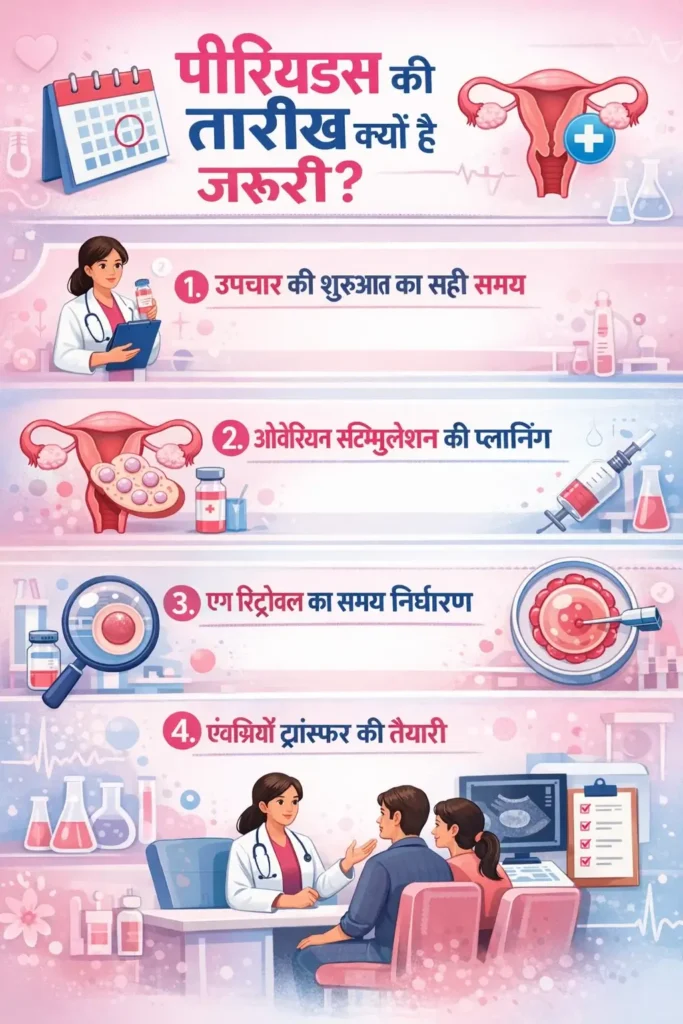
    पीरियड्स की तारीख क्यों है जरूरी?

    पीरियड्स की तारीख क्यों है जरूरी

    1. उपचार की शुरुआत का सही समय

    आईवीएफ साइकिल आमतौर पर मासिक धर्म के दूसरे या तीसरे दिन से शुरू होती है। इस समय डॉक्टर बेसलाइन अल्ट्रासाउंड और हार्मोन टेस्ट करते हैं ताकि यह सुनिश्चित हो सके कि ओवरी में कोई सिस्ट नहीं है और हार्मोन का स्तर सही है।

    2. ओवेरियन स्टिमुलेशन की प्लानिंग

    पीरियड्स की सही तारीख से डॉक्टर यह तय करते हैं कि हार्मोनल इंजेक्शन कब से शुरू करने हैं। ये इंजेक्शन अंडाशय को एक साथ कई अंडे तैयार करने के लिए प्रेरित करते हैं।

    3. एग रिट्रीवल का समय निर्धारण

    पीरियड्स की तारीख के आधार पर डॉक्टर अंडे निकालने (egg retrieval) की तारीख का अनुमान लगाते हैं। आमतौर पर यह पीरियड्स शुरू होने के 12-14 दिन बाद होता है।

    4. एंब्रियो ट्रांसफर की तैयारी

    अगर फ्रेश ट्रांसफर की योजना है, तो पीरियड्स की तारीख से ही पूरे साइकिल का कैलेंडर तैयार किया जाता है। फ्रोजन एंब्रियो ट्रांसफर के लिए भी अगले मासिक धर्म चक्र की जानकारी जरूरी होती है।

    अनियमित पीरियड्स (Irregular Periods) और IVF

    यदि आप PCOS और IVF treatment की राह पर हैं, तो आपको अनियमित periods और IVF के तालमेल को लेकर चिंता हो सकती है। ऐसी स्थिति में डॉक्टर दवाओं के जरिए आपके चक्र को नियंत्रित करते हैं। इसलिए IVF में periods track करना और भी महत्वपूर्ण हो जाता है।

    मासिक धर्म चक्र और IVF सफलता सीधे तौर पर जुड़े हैं। यदि चक्र को सही ढंग से ट्रैक किया जाए, तो गर्भधारण की संभावना काफी बढ़ जाती है।

    पीरियड्स ट्रैक करने के टिप्स

    • कैलेंडर बनाएं: पिछले 3-6 महीनों के पीरियड्स की तारीखें नोट करें
    • फ्लो पैटर्न रिकॉर्ड करें: कितने दिन तक ब्लीडिंग होती है, यह भी महत्वपूर्ण है
    • ऐप का इस्तेमाल करें: कई मोबाइल ऐप्स मासिक धर्म ट्रैक करने में मदद करते हैं
    • लक्षण नोट करें: ऐंठन, दर्द या अन्य लक्षणों की जानकारी भी शेयर करें

    डॉक्टर को कब बताएं?

    • जैसे ही पीरियड्स शुरू हों, उसी दिन क्लिनिक को सूचित करें
    • अगर तारीख में देरी हो, तो भी तुरंत बताएं
    • स्पॉटिंग और असली पीरियड्स में फर्क समझें

    आज ही हमसे संपर्क करें!

    CLICK HERE

    निष्कर्ष

    आईवीएफ की यात्रा में हर दिन महत्वपूर्ण है, और इसकी शुरुआत आपके पीरियड्स से होती है। यदि आप सही समय पर सही कदम उठाते हैं, तो माता-पिता बनने का आपका सपना जल्द ही हकीकत में बदल सकता है।

    Ritu IVF में हम आपकी फर्टिलिटी यात्रा के हर कदम पर आपके साथ हैं। हम आधुनिक तकनीक और व्यक्तिगत देखभाल के जरिए आपकी सफलता सुनिश्चित करने का प्रयास करते हैं।

    अक्सर पूछे जाने वाले प्रश्न (FAQs) – आईवीएफ और पीरियड्स

    Q1: IVF के लिए पीरियड्स की कौन सी तारीख सबसे महत्वपूर्ण है?

    उत्तर: IVF में Day 1 (पीरियड्स का पहला दिन) सबसे महत्वपूर्ण है। यह वह दिन है जब full menstrual flow शुरू होता है, न कि spotting। इसी दिन से पूरे IVF cycle की गणना होती है। Day 2 या Day 3 पर baseline ultrasound और hormone tests होते हैं, जो treatment plan तैयार करने के लिए जरूरी हैं।

    याद रखें:

    • Spotting को Day 1 न गिनें
    • जब pad/tampon की जरूरत हो और रंग bright red हो, वही Day 1 है
    • सुबह 8-9 बजे तक clinic को inform करें
    • अगर शाम को पीरियड्स आएं, तो अगले दिन को Day 1 मानें (clinic guidelines के अनुसार)

    Q2: अगर मुझे पीरियड्स की exact date याद नहीं है तो क्या होगा?

    उत्तर: पीरियड्स की तारीख न याद होना IVF में गंभीर समस्या बन सकता है क्योंकि:

    समस्याएं:

    • Baseline tests गलत दिन पर हो सकते हैं
    • Hormone levels misinterpret हो सकते हैं
    • Treatment protocol में देरी हो सकती है
    • Medication timing गलत हो सकती है

    समाधान:

    1. अभी से tracking शुरू करें – कम से कम 2-3 cycles track करें
    2. Mobile apps use करें – Flo, Clue, Period Calendar
    3. Physical calendar maintain करें
    4. Approximate date बताएं – doctor ultrasound से follicle size देखकर estimate कर सकते हैं
    5. Progesterone withdrawal method – doctor दवा देकर controlled period शुरू करा सकते हैं

    Q3: Spotting और actual period में कैसे फर्क करें?

    उत्तर: यह बहुत महत्वपूर्ण सवाल है क्योंकि IVF में Day 1 की accurate जानकारी जरूरी है।

    SpottingActual Period (Day 1)
    हल्का भूरा/गुलाबी रंगचमकीला लाल रंग
    Panty liner से काम चल जाएPad/tampon की जरूरत हो
    रुक-रुक कर आनाContinuous flow
    बहुत कम मात्राNormal से heavy flow
    1-2 घंटे में बंद हो जाएकई घंटों तक जारी रहे

    Pro Tip: अगर confusion हो, तो दोनों dates note करें और doctor को बताएं। वे ultrasound से confirm करेंगे।

    Q4: क्या पीरियड्स के पहले दिन ही clinic जाना जरूरी है?

    उत्तर: नहीं, पहले दिन clinic जाना जरूरी नहीं है, लेकिन inform करना अनिवार्य है।

    Timeline:

    • Day 1: क्लिनिक को फोन/WhatsApp पर सूचित करें
    • Day 2 या Day 3: Clinic visit for baseline tests
      • Transvaginal ultrasound (TVS)
      • Blood tests (FSH, LH, E2, Progesterone)
      • Physical examination

    क्यों Day 2/3 पर testing:

    • इस समय सभी follicles baseline size पर होते हैं
    • Hormone levels सबसे accurate reading देते हैं
    • किसी भी ovarian cyst का पता चल जाता है
    • Fresh cycle शुरू करने के लिए ideal time

    Important: अगर आप weekend पर Day 2/3 हैं और clinic बंद है, तो Monday को visit कर सकती हैं (Day 4 तक acceptable है)।

    Q5: अगर मेरे पीरियड्स हमेशा late आते हैं तो क्या IVF में problem होगी?

    उत्तर: नहीं, late periods IVF में बाधा नहीं हैं। वास्तव में, irregular cycles वाली महिलाओं में IVF काफी सफल होता है।

    Late Periods के कारण:

    1. PCOS (Polycystic Ovary Syndrome) – सबसे common
    2. Thyroid disorders – Hypothyroidism
    3. Stress और lifestyle factors
    4. Premature Ovarian Aging
    5. Hormonal imbalances

    IVF में Management:

    विकल्प 1: Birth Control Pills (OCPs)

    • 21 दिन pills लें
    • बंद करने के 2-5 दिन बाद withdrawal bleeding होगी
    • यही आपका controlled Day 1 होगा
    • Cycle synchronize हो जाएगा

    विकल्प 2: Progesterone Withdrawal

    • 5-10 दिन progesterone tablets
    • बंद करने के 3-7 दिन में period आएगा
    • Natural period जैसा ही treat किया जाता है

    विकल्प 3: Random Start Protocol

    • किसी भी दिन IVF शुरू कर सकते हैं
    • Special cases में use होता है
    • Emergency egg freezing में helpful

    Success Rate: Irregular cycles वाली महिलाओं में IVF की success rate regular cycles जितनी ही है, बस थोड़ी extra planning चाहिए।

    Q8: IVF में कितनी बार clinic जाना पड़ता है?

    उत्तर: एक IVF cycle में औसतन 7-10 visits होती हैं।

    Visit Schedule:

    1. Pre-cycle Visit (Day 1 before periods):

    • Counseling
    • Consent forms
    • Financial planning
    • Medication purchase

    2. Baseline Visit (Day 2-3):

    • Ultrasound
    • Blood tests
    • Injection training (अगर self-injecting)
    • अवधि: 1-2 घंटे

    3. Monitoring Visits (3-4 visits):

    • Day 5-7: First scan
    • Day 8-9: Second scan
    • Day 10-11: Third scan
    • Day 12-13: Final scan (if needed)
    • अवधि: 30-45 मिनट प्रति visit

    4. Trigger Day (Day 12-14):

    • Final ultrasound
    • Trigger injection
    • Egg retrieval instructions
    • अवधि: 30 मिनट

    5. Egg Retrieval (Day 14-16):

    • OT procedure
    • Recovery time
    • अवधि: 3-4 घंटे (procedure 20-30 मिनट)

    6. Fertilization Report (Day 15-16):

    • Telephonic या in-person
    • अवधि: 15 मिनट

    7. Embryo Transfer (Day 17-21):

    • Transfer procedure
    • Post-transfer instructions
    • अवधि: 1-2 घंटे

    8. Pregnancy Test (Day 28-30):

    • Blood test
    • Result counseling
    • अवधि: 30 मिनट

    Working Women के लिए:

    • केवल 2-3 days full day leave चाहिए
    • बाकी visits सुबह जल्दी (7-8 AM) book करा सकती हैं
    • Many clinics offer early morning slots

    Q9: पीरियड्स के कितने दिन बाद egg collection होती है?

    उत्तर: आमतौर पर पीरियड्स शुरू होने के 12-16 दिन बाद egg retrieval होती है, लेकिन यह हर महिला में अलग होती है।

    Timeline Variation के कारण:

    1. Ovarian Response:

    • Good responders: 10-12 दिन में ready
    • Average responders: 12-14 दिन
    • Poor responders: 14-16 दिन या ज्यादा

    2. Protocol Type:

    • Antagonist protocol: 10-12 दिन
    • Long agonist protocol: 14-16 दिन
    • Flare protocol: 10-12 दिन

    3. Starting Dose:

    • High dose (300-450 IU): जल्दी response
    • Low dose (150-225 IU): धीमा response

    Egg Retrieval Ready होने के Signs:

    • कम से कम 3 follicles ≥18mm
    • कम से कम 6 follicles ≥16mm
    • Estradiol level appropriate (>1000 pg/ml)
    • Endometrium >7mm

    Monitoring Schedule:

    • हर 2-3 दिन में ultrasound
    • Follicle size measurement
    • Blood tests (E2, LH)
    • जब ready हों, trigger injection
    • 34-36 घंटे बाद egg retrieval

    Q10: अगर पीरियड्स के दौरान heavy bleeding हो तो क्या IVF पर असर पड़ेगा?

    उत्तर: Heavy bleeding IVF में बाधा नहीं है, लेकिन underlying cause जानना जरूरी है।

    Heavy Bleeding के कारण और IVF Impact:

    1. Fibroids (गर्भाशय में गांठ):

    • Submucosal fibroids: IVF से पहले removal जरूरी
    • Intramural/Subserosal: आमतौर पर OK
    • Treatment: Hysteroscopic removal या Myomectomy

    2. Adenomyosis:

    • Mild cases: IVF possible
    • Severe cases: Success rate कम
    • Management: GnRH agonist pre-treatment

    3. Endometrial Polyps:

    • IVF से पहले removal recommended
    • Procedure: Hysteroscopy (simple day-care)

    4. Hormonal Imbalance:

    • PCOS में heavy bleeding common
    • Management: Metformin, lifestyle changes

    5. Anemia:

    • Heavy bleeding से hemoglobin कम हो सकता है
    • Treatment: Iron supplements 2-3 महीने पहले

    IVF Decision:

    • Mild heavy bleeding: Proceed with monitoring
    • Moderate-severe: Investigation + treatment पहले
    • Tests needed: Ultrasound, Hysteroscopy, Blood tests

    Success Rate Impact:

    • Treated cases: Normal success rate
    • Untreated significant pathology: 20-30% कम success
  • How Long Can Sperm Live Inside the Female Body?

    How Long Can Sperm Live Inside the Female Body?

    While discussing conception or fertility, one of the most common questions often faced is how long does sperm live in the body? Understanding the life of sperm is important for anyone trying to get pregnant or trying to prevent it naturally. Once sperm enters the female reproductive tract, several factors, such as cervical mucus, ovulation time, and overall reproductive health, determine how long it can survive and continue to fertilise an egg.

    Moreover, sperm can live inside the female body for up to five days under optimal conditions. However, outside the fertile window or in an acidic vaginal environment, sperm’s lifespan is short. Being aware of how long can sperm live inside you can help individuals to plan intercourse timing for conception or practice safer methods for preventing pregnancy, which is an essential factor of reproductive health awareness.

    Your Journey to Motherhood Starts Here

    With advanced fertility care and personalized support every step of the way.

    Contact Us

    Understanding the Lifespan of Sperm 

    Throat Cancer Treatment Options

    The lifespan of sperm is relevant to anyone interested in conception, fertility, or reproductive health! These tiny microscopic soldiers are significant players in human reproduction, and their lifespan can depend on many factors, including temperature, environment, and exposure to other fluids in the body.

    Sperm can live only a few minutes outside of a body, but can survive for many days inside of a female’s reproductive tract–if conditions are right. Knowing how long can sperm live inside you should help when determining fertility windows and reproductive planning.

    1. Sperm Lifespan in Different Conditions

    The lifespan of sperm differs based on the environment in which it is. Inside the male body, sperm can live for several weeks inside the testes and epididymis, awaiting ejaculation. When sperm are ejaculated – and come outside the body, such as on dry surfaces or in open air – sperm tend to die relatively quickly (usually in a matter of minutes) from dehydration and temperature changes.

    In contrast to that time period, if you are wondering how long can sperm live in uterus, it is considerably longer. The cervical mucus around the time of ovulation offers a safe space for sperm to survive for up to 5 days, which is longer than it will take for sperm to swim to the egg and fertilize it! The length of time sperm can live in the uterus may be affected by cervical mucus consistency, pH levels and health.

    2. Sperm Lifespan When Frozen

    Sperm can be frozen in a process called cryopreservation for many years without loss of viability. Sperms are combined with a specific cryoprotectant solution during this process to inhibit the formation of ice crystals that could damage cells. They are then preserved for extended periods at low temperatures in liquid nitrogen, approximately -196°C (-321°F).

    In this frozen state, sperm can be preserved for as long as needed. When thawed accurately, frozen sperm can still fertilize an egg, which makes cryopreservation an ideal option for men undergoing medical treatments like chemotherapy or those planning future conception.

    Read Also – 10 Indian Foods to Avoid During Pregnancy

    How Long Does Sperm Live Inside a Woman?

    Once sperm have entered the female body, their lifespan depends on the environment, with most surviving in the female tract for up to 5 days, and likely much less, less than 3 days. To determine how long does sperm live in the body, consider sperm quality, the time of ovulation, and the condition of cervical mucus, which may either help or impede sperm.

    The female reproductive system is crucial in determining how long can sperm live inside the female body.  Cervical mucus becomes thin and alkaline near ovulation, which will provide an environment that allows sperm to swim through the cervix and into the fallopian tubes, where fertilization may occur. Whereas, outside of the fertile window, mucus is usually thicker and more acidic, which shortens sperm lifespan to a few hours.

    Moreover, it is worth noting that sperm’s journey is challenging, as millions of sperm are released during ejaculation, but only a few hundred manage to reach the egg. Sperms that survive are nourished and protected by the cervical mucus and fluids within the reproductive tract, which gives the best chance to fertilize the egg.

    Key Factors That Can Affect the Survival of Sperm

    survival of sperm infographic

    1. Semen quality and composition

    To determine how long does sperm live in the body, it is helpful to note that the semen’s health and composition can play a direct role in sperm survival. The semen is made up of enzymes, nutrients and protective proteins that help keep sperm alive while they are in transport to the eggs.

    For example, a lower volume of semen, different-shaped sperm, or poor sperm motility all contribute to a loss of opportunity for sperm to survive long enough to fertilize an egg. Lifestyle factors such as hydration, diet, and health significantly impact sperm quality.

    2. Presence of infections or toxins

    Infections in the reproductive tract and the presence of toxins indirectly ultimately reduce the sperm life span. Bacterial infections, smoking, STIs, environmental toxins, and alcohol all decrease sperm DNA integrity, decrease mobility and kill sperm.

    It is essential to protect reproductive health through proper hygiene, safe behaviour, and avoiding toxic substances to ensure sperm can survive.

    3. pH levels

    Environmental pH affects sperm survival. Sperm survive better in a slightly alkaline environment. Still, a strong acid environment, such as areas within the female reproductive tract or during infection, can be detrimental to sperm life and motility. A vaginal pH balance will support sperm viability and increase the ability to conceive.

    Read Also – What is the Cost of IVF in India? (2025 Guide)

    Determining Sperm Survival and Pregnancy Chances

    Sperm survival plays an essential role in understanding your pregnancy chances, and determining its lifespan can assist couples and individuals trying to conceive. Women with fertile cervical mucus, sperm have a higher chance of sperm reaching and fertilizing an egg. Knowing how long can sperm survive in the female reproductive tract assists in planning intercourse around ovulation to maximize conception probability. Various factors, such as lifestyle, sperm health, and the woman’s body, will affect the effectiveness of sperm.

    Once the sperm is in the female reproductive system, sperm longevity can impact conception. Generally, sperm die within hours of ejaculation, but a small percentage can survive long enough to fertilize the egg, so timing is everything. For couples planning a pregnancy, knowing how long sperm can live inside you to get pregnant is important because sperm can fertilize an egg when intercourse occurs a few days before ovulation.

    Conclusion

    Knowing how long does sperm live in the body can help couples achieve a successful pregnancy. Under optimal circumstances, sperm can survive for a maximum of 5 days in the female body, depending on the quality of the cervical mucus and overall health.

    This understanding may help couples plan intercourse better with respect to ovulation, as they make love. If you are trying to conceive or need expert fertility guidance, Ritu IVF experts can assist with personalized treatments and advanced reproductive care.

    FAQs

    1. What helps sperm survive longer in the female body?

    Fertile cervical mucus provides the necessary sustainability and protection for more prolonged survival.

    2. In what places inside the female body does sperm live?

    Sperm survive in cervical mucus and the fallopian tubes while waiting for an egg.

    3. How long does sperm live in vagina after ejaculation?

    After being released from the male body, sperm may last in the female reproductive tract for 3 to 5 days, depending on different conditions.

    4. Does sperm live if it does not reach the cervix?

    Sperms that do not reach the cervix typically die off in the vaginal environment, usually within a few hours, because it is acidic.

  • 10 Indian Foods to Avoid During Pregnancy

    10 Indian Foods to Avoid During Pregnancy

    Pregnancy is an amazing, yet sensitive, journey that every woman will experience in her lifetime, and nutrition is very important in this time. Indian food culture has much variety in both flavors and nutrients, however not all preparations are safe when pregnant. Some spices, ingredients, or the way food is prepared may put a woman at risk of infection, digestive complications. Knowing what foods to avoid during pregnancy helps mothers consciously eat through the pregnancy journey.

    From street foods to traditional Indian sweets, some culturally consumed Indian foods are most likely to be dangerous due to their high spice content, excess oil, preservatives and/or raw foods. Being mindful of foods to avoid during pregnancy India can prevent pregnancy problems such as nausea, acidity or foodborne illness and support complete fetal growth. Deciding which foods to eliminate from an everyday diet allows to nourish both the mother and baby. 

    Your Journey to Motherhood Starts Here

    With advanced fertility care and personalized support every step of the way.

    Contact Us

    10 Foods to Avoid During Pregnancy Journey in 2026

    1. Papaya (Raw or Semi-Ripe)

    One of the most common fruits food to avoid during pregnancy is Papaya, particularly raw or semi-ripe Papaya, because of its presence of latex, which can cause uterine contractions. These contractions pose risks of preterm labor, miscarriage, or complications in early pregnancy. The enzymes papain and chymopapain in raw Papaya also pose dangers, as they affect fetal development.

    Nonetheless, it is advised that ripe papaya is safe to consume in moderation during pregnancy due to its nutrient profile, but most medical practitioners utilize caution, however, if ripe papaya is to be included in the diet, it should be minimized. Raw Papaya is often included in salads, curries, or pickles in Indian households, therefore, it is best to avoid these types of dishes until after childbirth.

    2. Unpasteurized Milk and Dairy Products

    Unpasteurized milk and dairy products, such as Paneer, Curd, or Cheese, are the foods to avoid during early pregnancy. Since it is made from raw milk containing harmful bacteria such as Salmonella, Listeria, or E. coli, these infections can be dangerous during pregnancy, resulting in complications including premature labour, infections in the newborn or miscarriage.

    Since most households source fresh milk directly from farms, there is a higher chance of contamination if it is not properly boiled or pasteurized. A pregnant woman must consume milk that is boiled or pasteurized and avoid soft cheese or dairy products made from raw milk to minimize health risks.

    3. Pineapple

    Pineapple is another fruits foods to avoid during pregnancy, particularly in the first trimester. Pineapple contains bromelain, an enzyme that can soften the cervix, leading to preterm labour or, in more extreme cases, a miscarriage if enough is consumed. You may experience digestive troubles such as diarrhoea or acidity with even just too much pineapple, which can add to discomfort during pregnancy.

    While small, occasional servings should not be an issue, it is best if heavy or more frequent serving sizes are avoided. Many Indian sweets and chutneys may use pineapple, and pregnant women should pay attention to the amount they eat, including Indian desserts and chutneys, to stay safe and healthy throughout their pregnancy.

    4. Street Food and Chaats

    Street food from India like Bhel Puri, Pani Puri, Samosas, etc. can be tasty, however, these are foods to avoid during pregnancy for hygiene reasons. Street food is usually prepared in unhygienic conditions and can be contaminated with harmful parasites or bacteria. This ultimately increases the risk of food poisoning, stomach infections, diarrhoea, and is dangerous during pregnancy.

    Moreover, these foods are high in oil, salt, and spices, which can cause acidity, indigestion, and bloating. Instead, you can have homemade versions of your favorite snacks by using a hygienic and safe cooking method.

    5. Fried and Oily Foods

    Deep-fried Indian snacks like Pakoras, Bhajiyas, and Samosas might satisfy your cravings, however, you should avoid these while pregnant. These foods are high in unhealthy fats which will lead to weight gain, higher likelihood of increased cholesterol levels or gestational diabetes or hypertension.

    These are the foods to avoid during pregnancy India and they can also lead to digestive issues like heartburn, bloating etc. that are common during pregnancy. Choosing to replace fried snacks with roasted, steamed or baked healthier alternatives provides better nutrition while also avoiding risks, and you may even still enjoy food cravings.

    6. Excessive Caffeine (Tea & Coffee)

    Tea and coffee are found in many homes, but having too much caffeine while pregnant can be harmful. Consuming large amounts of caffeine is correlated to miscarriage, slower baby development and less birth weight. In addition, caffeine is also a diuretic, which means it increases urination which can cause dehydration and loss of important minerals.

    It is safe to remain under 200 mg of caffeine per day (1 cup of coffee or 2 small cups of tea), and it is also advised to proceed with caution with herbal teas; some herbs may not be safe for pregnancy. It is ideal to switch to healthier alternatives such as fruit-based water, warm milk or caffeine-free drinks.

    7. Excess Fenugreek Seeds (Methi)

    While fenugreek seeds are commonly used in Indian dishes, it is considered as common foods to avoid during pregnancy India as it stimulates uterine contractions. This can increase risk of preterm labour or miscarraige, specifically if consumed in large amounts early in the pregnancy journey. Also, fenugreek is renowned for lower blood sugar levels, which causes dizziness or weakness if not tracked.

    While small amounts of methi used in daily cooking are generally safe, pregnant women should avoid consuming it in medicinal quantities, such as fenugreek tea, soaked methi water, or supplements, unless prescribed by a doctor.

    8. Overconsumption of Spices and Pickles

    Tart pickles and spicy Indian curries are extremely tempting but considered as foods to avoid during early pregnancy, as they may worsen digestive issues associated with pregnancy. Pickles are very salty and contain a lot of preservatives which may cause excessive water retention or high blood pressure in the process of your pregnancy.

    While occasional consumption in small amounts may not be harmful, excessive or frequent intake must be avoided. Opting for lightly spiced, home-cooked foods with a lower salt base ensures better digestive health during the process and is a healthier option for the baby’s development.

    9. Unwashed or Raw Vegetables

    Indian households prepare salads and chutneys with raw vegetables such ,asuch ascumbers, carrots or leafy greens. Though, unwashed or improperly cleaned vegetables include harmful bacteria, pesticides, parasites, imposing serious health risks during pregnancy. These infections lead to food poisoning, listeriosis, or toxoplasmosis, harming mother and baby.

    To stay safe, pregnant women must wash vegetables under running water, peel them and avoid raw salads from outside sources. Cooking vegetables is the safest way to consume during pregnancy.

    10. Alcohol & Tobacco-Based Products (Including Paan)

    Alcohol and tobacco-based products such as paan are the foods to avoid during pregnancy advised by most doctors. Alcohol crosses the placenta and leads to fetal alcohol syndrome, development delays and birth defects. Whereas, tobacco products increase risk of miscarraige, premature birth, stillbirth and lower birth weight.

    Pregnant women must avoid alcohol, tobacco and related products across your pregnancy journey. Opting for healthy drinks such as coconut water, herbal-based water and fresh juices as it is a safer choice to stay nourished and hydrated.

    Conclusion

    Being cautious of foods to avoid during pregnancy is significant, as these aren’t usually wise for the mother’s health, as they could potentially impair the mother’s health – such as by causing delayed complications, digestive issues or allergies.This will make for a safer and healthier pregnancy journey.

    Replace risky food with substantial food alternatives. The mother will be able to have a healthy diet in which pregnancy and development will be enhanced, with a delightful pregnancy experience. To learn more about care essentials throughout your pregnancy journey, contact the Ritu IVF experts today!

    FAQs

    1. Is it safe to eat raw mango or pickles during pregnancy?

    Eating raw mango or if one eats too much pickles might cause only mild digestive distress and mild acidity because of its high spice content and salt.

    2. Are fermented foods safe during pregnancy?

    Home made fermented foods must be fresh as an old or stale batter will have harmful bacteria due to over fermentation.

    3. Can you eat hing (asafoetida) while pregnant?

    Avoid eating excess hing since it may cause the uterus to contract.

  • प्रेगनेंट नहीं होने के कारण और इलाज

    प्रेगनेंट नहीं होने के कारण और इलाज

    प्रेगनेंट नहीं होने के कारण आजकल कई दंपतियों के लिए चिंता का विषय बन गए हैं। अगर आप लगातार प्रयासों के बाद भी गर्भधारण (कंसीव) नहीं कर पा रही हैं, तो सबसे पहले यह समझें कि आप अकेली नहीं हैं – विश्व स्तर पर हर 6 में से 1 व्यक्ति को गर्भधारण की समस्या का सामना करना पड़ता है। महिलाओं में बांझपन हो या पुरुषों में, इसके पीछे मेडिकल, हार्मोनल और जीवनशैली से जुड़े कई कारण हो सकते हैं। अच्छी खबर यह है कि प्रेगनेंट नहीं होने का इलाज आज आधुनिक चिकित्सा के जरिये संभव है और ज्यादातर मामलों में सही मार्गदर्शन व उपचार से संतान का सुख पाया जा सकता है। इस विस्तृत लेख में हम प्रेगनेंट नहीं होने के सभी संभावित कारणों पर चर्चा करेंगे और साथ ही प्रभावी इलाज, घरेलू उपाय, जीवनशैली में बदलाव, भावनात्मक पहलू और आधुनिक तकनीकों (IUI, IVF आदि) के बारे में जानकारी देंगे। यदि आप गर्भधारण की समस्या से जूझ रहे हैं तो यह लेख आपके लिए है, जिससे आप अपने माता-पिता बनने के सपने को साकार करने के रास्ते खोज सकें।

    डॉक्टर से बात करें

    महिलाओं में प्रेगनेंट नहीं होने के कारण (महिलाओं में बांझपन)

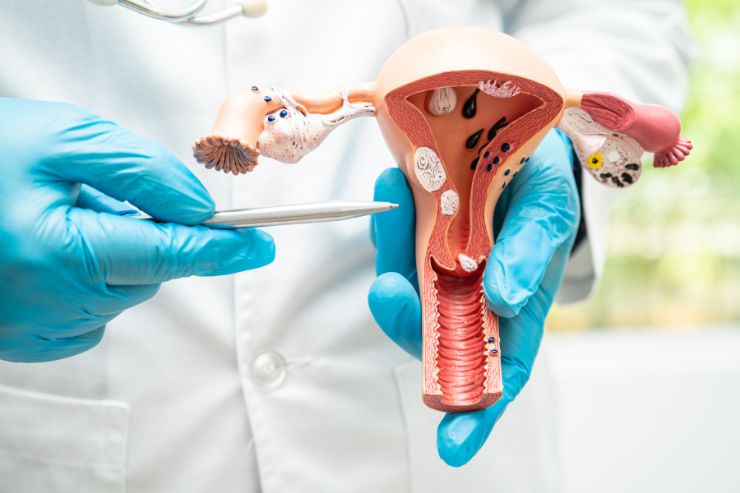
    महिलाओं में बांझपन (Female Infertility) के पीछे कई मेडिकल और हार्मोनल कारण हो सकते हैं। अक्सर समस्या महिला की प्रजनन प्रणाली से संबंधित होती है – जैसे अंडाशय में अंडाणु बनने या निकलने में परेशानी, अंडों का गुणवत्ता संबंधी मसला, या प्रजनन अंगों में रुकावट। आइए महिलाओं में प्रेगनेंट नहीं होने के कारण को बिंदुवार समझें:

    • ओव्यूलेशन संबंधी विकार: अनियमित या न होने वाला ओव्यूलेशन (अंडोत्सर्जन) महिलाओं में प्रेगनेंट नहीं होने का सबसे आम कारण है। उदाहरण के लिए पीसीओएस (Polycystic Ovary Syndrome) एक हार्मोनल विकार है जिसमें अंडाशय में सिस्ट बनने से हार्मोन असंतुलन हो जाता है और पीरियड्स अनियमित हो जाते हैं, जिससे अंडा समय पर रिलीज़ नहीं होता। इसके अलावा थायरॉयड हार्मोन का असंतुलन या प्रोलैक्टिन हार्मोन बढ़ना भी ओव्यूलेशन को प्रभावित करके गर्भधारण में बाधा डाल सकते हैं।
    • फैलोपियन ट्यूब में अवरोध: अगर महिला की फैलोपियन नलियाँ (Fallopian tubes) बंद या क्षतिग्रस्त हों, तो शुक्राणु और अंडाणु का मिलन नहीं हो पाता। पेल्विक इन्फ्लेमेटरी डिज़ीज (PID) जैसी संक्रमण, ट्यूबरकुलोसिस, या एंडोमेट्रियोसिस के कारण ट्यूब में रुकावट आ सकती है। ऐसी स्थिति में प्राकृतिक गर्भाधान मुश्किल हो जाता है क्योंकि निषेचित अंडा गर्भाशय तक पहुंच ही नहीं पाता।
    • गर्भाशय एवं गर्भग्रीवा की समस्याएँ: गर्भाशय में फाइब्रॉइड (गाठें) या पॉलिप होना, गर्भाशय के आकार में विकृति, या गर्भग्रीवा (सर्विक्स) में संक्रमण/म्यूकस की समस्या के कारण भी गर्भ ठहरने में दिक्कत आ सकती है। गर्भाशय का अंदरूनी अस्तर (एंडोमेट्रियम) स्वस्थ न होना या बहुत पतला/मोटा होना भी निषेचन को बाधित कर सकता है।
    • एंडोमेट्रियोसिस: इसमें गर्भाशय की अंदरूनी परत की कोशिकाएँ गर्भाशय के बाहर फैल जाती हैं (जैसे अंडाशय, ट्यूब या पेट के अन्य अंगों पर)। एंडोमेट्रियोसिस से अक्सर तेज दर्द होता है और यह फैलोपियन ट्यूब व अंडाशय पर जलन और चिपकाव (scar) बनाकर गर्भधारण में समस्या पैदा कर सकता है।
    • आयु का प्रभाव: उम्र बढ़ने के साथ स्त्री की प्रजनन क्षमता घटती है। विशेषज्ञों के अनुसार 20 से 35 वर्ष की आयु गर्भधारण के लिए आदर्श मानी जाती है। 35 के बाद अंडों की गुणवत्ता और संख्या दोनों कम होने लगती हैं, जिससे गर्भधारण की संभावना घटती है। 40 के पार ये चुनौतियाँ और बढ़ जाती हैं। हालांकि आजकल उपलब्ध इलाज की मदद से अधिक उम्र में भी मां बनना संभव है, लेकिन प्राकृतिक रूप से अवसर कम हो जाते हैं।
    • अन्य चिकित्सीय स्थितियाँ: कुछ अन्य कारण जैसे गर्भाशय में पुराने संक्रमण, पेल्विक सर्जरी से बना निशान (scar tissue), प्राइमरी ओवेरियन इन्सफ़िशिएंसी (कम उम्र में ही ओवरी का काम बंद होना), ऑटोइम्यून विकार (जैसे ल्यूपस), या अनुवांशिक विकार भी महिलाओं में बांझपन का कारण बन सकते हैं। इन स्थितियों में विशेषज्ञ द्वारा विस्तृत परीक्षण की आवश्यकता होती है।

    उपरोक्त कारण महिलाओं में गर्भधारण न होने के प्रमुख कारक हैं। अच्छी बात यह है कि इनमें से ज्यादातर समस्याओं का उपचार उपलब्ध है या इन्हें प्रबंधित किया जा सकता है। सही निदान के बाद डॉक्टर दवाओं, हार्मोन थेरेपी या सर्जरी द्वारा उपचार करके गर्भधारण की संभावना बढ़ा सकते हैं।

    यह भी पढ़ें- आईवीएफ क्या होता है? प्रक्रिया, फायदे, लागत और सही इलाज (2025)

    पुरुषों में गर्भधारण न होने के कारण (पुरुष बांझपन)

    लगभग एक-तिहाई मामलों में गर्भधारण में समस्या पुरुष साथी की वजह से होती है। पुरुष बांझपन (Male Infertility) मुख्यतः शुक्राणुओं (स्पर्म) की संख्या, गुणवत्ता या गतिशीलता में कमी के रूप में सामने आती है। पुरुषों में प्रेगनेंट नहीं होने के कारण निम्न हो सकते हैं:

    • शुक्राणुओं की संख्या या गुणवत्ता में कमी: वीर्य में स्वस्थ शुक्राणुओं की पर्याप्त संख्या का न होना (ओलिगोस्पर्मिया) या शुक्राणुओं का आकार/आकार में गड़बड़ी (टेरेटोज़ूस्पर्मिया) गर्भाधान को कठिन बना देता है। बहुत कम शुक्राणु होने पर वे अंडाणु तक पहुंच ही नहीं पाते, जिससे निषेचन नहीं हो पाता।
    • शुक्राणुओं की धीमी गतिशीलता: कुछ पुरुषों के शुक्राणु पर्याप्त तेज़ी से तैर नहीं पाते या गर्भाशय तक पहुंचने से पहले ही मर जाते हैं। शुक्राणुओं की गतिशीलता (Motility) कम होने पर वे अंडे तक पहुंचकर उसे फर्टिलाइज़ नहीं कर पाते।
    • वृषण (टेस्टिकल) संबंधी समस्याएँ: वृषणों में किसी चोट या संक्रमण का पुराना प्रभाव, वरीकोसील (Varicocele) यानी अंडकोष की नसों का फूलना, या बचपन में अंडकोष का सही से नीचे न उतरना (अनडिसेंडेड टेस्टिस) जैसी स्थितियाँ पुरुष प्रजनन क्षमता को कम कर देती हैं। वरीकोसील से अंडकोष का तापमान बढ़ जाता है और शुक्राणु की संख्या/गुणवत्ता घट सकती है।
    • हार्मोनल असंतुलन: पुरुषों में टेस्टोस्टेरोन और एफएसएच/LH जैसे हार्मोन का असंतुलन होने पर शुक्राणु उत्पादन प्रभावित होता है। हाइपोगोनैडिज्म (Low Testosterone) की स्थिति में शरीर पर्याप्त स्वस्थ शुक्राणु नहीं बना पाता। पिट्यूटरी ग्रंथि में ट्यूमर या अन्य विकार भी हार्मोन के उत्पादन को प्रभावित कर पुरुष बांझपन पैदा कर सकते हैं।
    • यौन दुर्बलताएँ: शीघ्रपतन, नपुंसकता (इरेक्टाइल डिस्फंक्शन), या शुक्राणु स्खलन संबंधी समस्याएँ (जैसे रेट्रोग्रेड एजाकुलेशन, जिसमें वीर्य बाहर निकलने की बजाय मूत्राशय में चला जाता है) से भी दंपति को गर्भधारण में कठिनाई हो सकती है। यदि पुरुष संभोग के दौरान स्वस्थ वीर्य बाहर नहीं छोड़ पाता, तो गर्भधारण संभव नहीं होगा।
    • अन्य कारक: कुछ दवाओं या एनाबॉलिक स्टेरॉइड का दुरुपयोग, अति गर्मी के संपर्क (लगातार गर्म पानी के टब में बैठना, गोद में लैपटॉप रखना, बहुत टाइट अंडरवियर पहनना) से अंडकोष का तापमान बढ़ना, जिससे शुक्राणु को नुकसान होता है। पिछले कैंसर उपचार (किमोथेरेपी/रेडियोथेरेपी) या गंभीर बीमारियाँ भी पुरुष प्रजनन क्षमता घटा सकती हैं। इन्फेक्शन (जैसे以前 मम्प्स से अंडकोष में सूजन) या यौन संचारित रोगों से हुए संक्रमण के कारण शुक्राणु मार्ग अवरुद्ध होना भी एक कारण हो सकता है।

    पुरुषों में कई बार बांझपन के स्पष्ट बाहरी लक्षण नहीं दिखते, इसलिए यदि गर्भधारण नहीं हो पा रहा है तो पुरुष साथी का स्पर्म एनालिसिस करवाना ज़रूरी है। अच्छी बात यह है कि पुरुष बांझपन के लिए भी अनेक उपचार उपलब्ध हैं – दवाओं से लेकर सर्जरी तक – जिनसे शुक्राणुओं की संख्या व गुणवत्ता में सुधार लाकर गर्भधारण की संभावना बढ़ाई जा सकती है।

    मुफ़्त परामर्श लें

    जीवनशैली और अन्य सामान्य कारक

    कुछ आम जीवनशैली से जुड़ी आदतें और स्वास्थ्य कारक भी स्त्री या पुरुष की प्रजनन क्षमता को प्रभावित कर सकते हैं। कई बार प्रेगनेंट नहीं होने के कारण सीधे किसी मेडिकल समस्या की बजाय हमारी रोजमर्रा की गलत आदतों या वातावरण से जुड़े होते हैं। इनमें प्रमुख हैं:

    • अत्यधिक तनाव और चिंता: लगातार मानसिक तनाव रहने से शरीर में हार्मोन संतुलन बिगड़ सकता है, जिसका असर ओव्यूलेशन और शुक्राणु उत्पादन दोनों पर पड़ता है। शोध से पता चला है कि बांझपन की समस्या से जूझ रही महिलाओं में डिप्रेशन और ऐंग्ज़ायटी के स्तर काफी ऊंचे होते हैं। तनाव गर्भधारण को कठिन बना सकता है, इसलिए मानसिक स्वास्थ्य का ध्यान रखना आवश्यक है।
    • अनियमित या असंतुलित आहार: जंक फूड, अत्यधिक कैफीन, प्रोसेस्ड फूड और पोषक तत्वों की कमी वाला खाना प्रजनन क्षमता पर नकारात्मक प्रभाव डालता है। विटामिन-डी, फॉलिक एसिड, जिंक जैसे पोषक तत्वों की कमी से हार्मोनल असंतुलन और अंडाणु/शुक्राणु की गुणवत्ता प्रभावित हो सकती है। उदाहरण के लिए, विटामिन D की कमी महिलाओं में गर्भधारण में बाधा बन सकती है।
    • धूम्रपान, तंबाकू व शराब का सेवन: सिगरेट, गुटखा, शराब आदि का सेवन पुरुष और महिला दोनों में फर्टिलिटी घटाता है। निकोटीन और अल्कोहल से पुरुषों के शुक्राणु की संख्या व क्वालिटी कम हो जाती है और महिलाओं में ओवेरियन रिज़र्व घट सकता है। अनुमानतः 13-15% बांझपन के मामलों में धूम्रपान एक अहम योगदानकर्ता होता है, इसलिए इसे छोड़ना बेहतर है।
    • वजन का बहुत अधिक या बहुत कम होना: अत्यधिक मोटापा (मोटापा) या अत्यंत कम वजन – दोनों ही स्थितियाँ हार्मोन असंतुलन पैदा कर सकती हैं। अधिक वजन होने से महिलाओं में PCOS, इंसुलिन रेज़िस्टेंस जैसी समस्याएँ बढ़ती हैं जो प्रजनन क्षमता घटाती हैं, वहीं बहुत दुबला होने से पीरियड्स बंद होने (एमेनोरिया) की संभावना रहती है। स्वस्थ BMI बनाए रखना गर्भधारण की संभावना के लिए लाभकारी है।
    • नींद की कमी और थकान: लगातार नींद पूरी न होना भी प्रजनन स्वास्थ्य को प्रभावित कर सकता है। नींद के दौरान शरीर हार्मोन संतुलन एवं कोशिकाओं की मरम्मत करता है। यदि आप रोज़ 7-8 घंटे की अच्छी नींद नहीं लेते हैं, तो यह तनाव हार्मोन को बढ़ाकर फर्टिलिटी पर असर डाल सकता है। अतः प्रजनन आयु में महिलाओं और पुरुषों को भरपूर नींद लेने की सलाह दी जाती है।
    • पर्यावरणी कारक: प्रदूषण, रासायनिक पदार्थों का संपर्क (जैसे कीटनाशक, भारी धातुएँ), प्लास्टिक में मौजूद हानिकारक पदार्थ (BPA आदि) भी धीरे-धीरे हार्मोन को प्रभावित कर सकते हैं। जिन कार्य स्थलों पर रेडिएशन, भारी धातु या विषैले कैमिकल्स हों, वहाँ काम करने वाले लोगों में बांझपन की दर सामान्य से ऊंची पाई गई है। ऐसे जोखिम कारकों से जितना हो सके बचें या उचित सुरक्षा उपाय अपनाएँ।

    ऊपर बताए गए जीवनशैली कारक अक्सर धीरे-धीरे प्रभाव डालते हैं और हमें तुरंत अहसास नहीं होता। लेकिन गर्भधारण की कोशिश शुरू करने से पहले ही अगर हम अपनी आदतों को सुधार लें – जैसे स्मोकिंग छोड़ना, पौष्टिक आहार लेना, नियमित व्यायाम करना और तनाव कम करना – तो इससे प्राकृतिक रूप से फर्टिलिटी में बड़ा सुधार हो सकता है।

    तनाव और भावनात्मक प्रभाव (Psychological Impact)

    बांझपन की समस्या न केवल शारीरिक होती है, बल्कि इसका गहरा मनोवैज्ञानिक और भावनात्मक असर भी पड़ता है। जब महीनों/सालों प्रयास के बाद भी गर्भधारण नहीं होता, तो दंपति निराशा, दुख, कुंठा और यहाँ तक कि हीनभावना महसूस कर सकते हैं। महिलाएँ ख़ुद को दोष देने लगती हैं कि शायद उनमें ही कोई कमी है, जबकि पुरुष भी अंदर ही अंदर दुर्बल महसूस कर सकते हैं। यह तनाव पति-पत्नी के संबंधों पर दबाव डाल सकता है।

    गर्भधारण में देरी से होने वाला तनाव वास्तव में एक दुष्चक्र बन सकता है – तनाव के कारण प्रेगनेंसी में और देरी होती है, और देरी के कारण फिर तनाव बढ़ता है। उच्च स्तर का स्ट्रेस हार्मोन (कॉर्टिज़ोल) महिलाओं में ओव्यूलेशन बाधित कर सकता है और पुरुषों में स्पर्म काउंट घटा सकता है। इसलिए भावनात्मक संतुलन बनाए रखना फर्टिलिटी के लिए महत्वपूर्ण है।

    इस चरण में दंपति को एक-दूसरे का भावनात्मक समर्थन करना चाहिए। खुलकर बातचीत करें और एक-दूसरे की भावनाओं को समझें। यदि आवश्यक हो, तो किसी काउंसलर या थेरेपिस्ट की मदद लेने में संकोच न करें – इनफर्टिलिटी काउंसलिंग से कई कपल्स को लाभ होता है। साथ ही ध्यान, योग, प्राणायाम जैसी तनाव-नियंत्रण तकनीक अपनाने से मन शांत रहेगा और उम्मीद बंधी रहेगी। याद रखें, मानसिक रूप से सकारात्मक रहना भी आपकी उपचार प्रक्रिया का अहम हिस्सा है।

    आयुर्वेदिक एवं घरेलू उपचार

    बांझपन की समस्या से निपटने के लिए अनेक दंपति आधुनिक चिकित्सा के साथ-साथ पारंपरिक आयुर्वेदिक और घरेलू उपाय भी आज़माते हैं। आयुर्वेद में कुछ जड़ी-बूटियाँ और प्राकृतिक उपचार ऐसे हैं जो प्रजनन क्षमता बढ़ाने में सहायक माने जाते हैं। हालांकि इनका प्रभाव व्यक्ति-दर-व्यक्ति भिन्न हो सकता है, लेकिन संतुलित जीवनशैली के साथ ये उपाय अपनाने से संतान प्राप्ति की संभावनाएँ बेहतर हो सकती हैं:

    • अश्वगंधा: अश्वगंधा को एक शक्तिशाली रसायन (टॉनिक) माना जाता है। यह तनाव कम करने, हार्मोन संतुलन और उत्तेजना बढ़ाने में मदद करती है। पुरुषों में अश्वगंधा के सेवन से शुक्राणुओं की संख्या व गतिशीलता में सुधार देखा गया है, वहीं महिलाओं में यह ओवेरियन फंक्शन को समर्थन देती है। आयुर्वेदिक चिकित्सक अक्सर बांझपन में अश्वगंधा चूर्ण या कैप्सूल लेने की सलाह देते हैं।
    • शतावरी (Shatavari): शतावरी महिला प्रजनन स्वास्थ्य के लिए अत्यंत लाभकारी जड़ी-बूटी है। आयुर्वेद में इसे सदियों से स्त्री-टनिक की तरह उपयोग किया जाता है। शतावरी हार्मोन संतुलित करने, स्वस्थ ओव्यूलेशन促 करने और गर्भाशय को पोषित करने में मदद करती है। माहवारी चक्र नियमित करने और अंडाणु की गुणवत्ता सुधारने के लिए शतावरी कल्प या चूर्ण का सेवन किया जाता है।
    • गोक्षुरा: गोक्षुरा (त्रिभंग) एक ऐसी जड़ी है जो पुरुष और महिला दोनों की प्रजनन क्षमता बढ़ाने में प्रयोग होती है। यह पुरुषों में टेस्टोस्टेरोन स्तर बढ़ाकर शुक्राणु वृद्धि में मदद कर सकती है, वहीं महिलाओं में भी यह हार्मोनिक बैलेंस सुधारने में सहायक है। गोक्षुरा को अक्सर अश्वगंधा-शतावरी के साथ मिलाकर औषधीय रूप में दिया जाता है।
    • अन्य आयुर्वेदिक उपचार: चंद्रप्रभा वटी, पुंनर्वा, लोधरा आदि कई आयुर्वेदिक संयोजन हैं जो महिला बांझपन में उपयोग किए जाते हैं। पंचकर्म में विशेषकर उत्तर बस्ती नामक चिकित्सीय एनिमा द्वारा महिला प्रजनन अंगों की सफाई और पोषण किया जाता है, जो ट्यूब ब्लॉकेज जैसी समस्याओं में कारगर माना जाता है। इन पारंपरिक तरीकों का लाभ उठाने के लिए किसी अनुभवी आयुर्वेदाचार्य से परामर्श लें।
    • घरेलू नुस्खे: कुछ घरेलू उपाय भी प्रचलित हैं, जैसे रोज़ाना एक गिलास गर्म दूध में एक चम्मच शहद मिलाकर पीना, भिगोए हुए बादाम-अखरोट का नियमित सेवन करना, या अंकुरित अनाज व मेथीदाना खाना। कहा जाता है कि इनमें विटामिन और मिनरल होते हैं जो हार्मोन संतुलन में मदद करते हैं। हालाँकि इन नुस्खों के वैज्ञानिक प्रमाण सीमित हैं, लेकिन यह सेहत के लिए नुकसानदायक नहीं हैं और समग्र स्वास्थ्य सुधार सकते हैं।

    इन आयुर्वेदिक व घरेलू उपायों को आज़माते समय ध्यान रखें कि यह मुख्य चिकित्सा का विकल्प नहीं बल्कि पूरक हैं। कोई भी जड़ी-बूटी या सप्लीमेंट लेने से पहले डॉक्टर या आयुर्वेद विशेषज्ञ से सलाह अवश्य लें, खासकर यदि आप पहले से किसी चिकित्सा उपचार में हैं। प्राकृतिक उपाय धैर्य मांगते हैं – इनके साथ-साथ अपने डॉक्टर द्वारा बताए गए उपचार को जारी रखें और नियमित जांच करवाते रहें।

    व्हाट्सएप करें

    आहार और जीवनशैली में सुधार

    गर्भधारण की समस्या को दूर करने के लिए दवा उपचार के साथ-साथ आपके आहार एवं दैनिक दिनचर्या का स्वस्थ होना भी बेहद महत्वपूर्ण है। कई बार छोटे-छोटे Diet और Lifestyle सुधार हमारी फर्टिलिटी को बड़ा बढ़ावा दे सकते हैं। निम्नलिखित उपाय अपनाकर आप अपने गर्भधारण की संभावनाएँ बढ़ा सकते हैं:

    • पौष्टिक संतुलित आहार: अपने भोजन में सभी आवश्यक पोषक तत्व शामिल करें। हरी पत्तेदार सब्जियाँ, ताज़े फल, प्रोटीन (दालें, अंडा, दुबला मांस), साबुत अनाज और सूखे मेवे को आहार का हिस्सा बनाएं। फोलिक एसिड, आयरन, विटामिन-C, विटामिन-D और जिंक जैसे तत्व प्रजनन स्वास्थ्य के लिए ज़रूरी हैं। फास्ट फूड, अधिक चीनी और प्रोसेस्ड खाने से बचें। एक संतुलित आहार न केवल हार्मोन को संतुलित रखता है बल्कि शुक्राणु और अंडाणु की गुणवत्ता भी सुधारता है।
    • स्वस्थ वजन बनाए रखें: जैसा ऊपर चर्चा हुआ, बहुत अधिक वजन या बेहद कम वजन – दोनों स्थितियाँ प्रजनन क्षमता के लिए ठीक नहीं। यदि आपका BMI सामान्य से ऊपर है, तो डॉक्टर की सलाह से धीरे-धीरे वजन कम करें; इससे पीरियड नियमित हो सकते हैं और ओव्यूलेशन सुधर सकता है। वहीं अति दुबले हैं तो पौष्टिक आहार से वजन बढ़ाएं ताकि शरीर गर्भधारण के लिए पर्याप्त पोषित हो। लक्ष्य एक Healthy BMI हासिल करना है, जो हार्मोन संतुलन के लिए आदर्श स्थिति प्रदान करता है।
    • नियमित व्यायाम और योग: शारीरिक सक्रियता रक्त संचार बढ़ाती है और हॉर्मोन को रेग्युलेट करने में मदद करती है। रोज़ कम से कम 30 मिनट मध्यम व्यायाम (तेज़ चाल, साइकिल, तैराकी) करें। साथ ही योगासन और प्राणायाम को अपनी दिनचर्या में शामिल करें। विशेष रूप से कुछ योगासन – जैसे भद्रासन, पश्चिमोत्तानासन, सेतु बंधासन, सुप्त बद्धकोणासन – प्रजनन अंगों में रक्त प्रवाह बढ़ाकर उन्हें शक्ति देते हैं। योग से तनाव भी कम होता है, जो अप्रत्यक्ष रूप से गर्भधारण में मददगार है। ध्यान रखें बहुत अत्यधिक एक्सरसाइज (ओवर-एक्सर्शन) न करें, क्योंकि अत्यधिक शारीरिक थकान ओव्यूलेशन पर उलटा प्रभाव डाल सकती है।
    • संभोग का उचित समय और आवृत्ति: गर्भधारण के लिए सही समय पर यौन संबंध बनाना महत्वपूर्ण है। महिलाओं के मासिक चक्र में जो 5-7 दिन का “फर्टाइल विंडो” (अंडोत्सर्ग के आसपास का समय) होता है, उसमें हर 1-2 दिन के अंतराल पर संबंध बनाने से गर्भधारण की संभावना बढ़ जाती है। आमतौर पर पीरियड शुरू होने के लगभग 10वें दिन से 16वें दिन तक का समय ज्यादा उपजाऊ माना जाता है, लेकिन हर महिला का चक्र अलग होता है। आप ओव्यूलेशन किट या बेसल बॉडी टेम्परेचर पद्धति से अपने ओव्यूलेशन के दिनों का पता लगा सकती हैं।
    • धूम्रपान व अल्कोहल त्यागें: यदि आपने अब तक स्मोकिंग या ड्रिंक करना जारी रखा है, तो इसे तुरंत छोड़ना फर्टिलिटी सुधारने का बड़ा कदम होगा। तंबाकू और शराब दोनों ही पुरुषों और महिलाओं में फर्टिलिटी घटाते हैं (जैसा पहले उल्लेख किया गया)। इन्हें त्यागने से कुछ ही महीनों में शुक्राणु की गुणवत्ता बेहतर हो सकती है और महिलाओं में हार्मोन संतुलन सुधर सकता है।
    • कैफीन और अन्य पदार्थों को सीमित करें: बहुत अधिक चाय, कॉफी (कैफीन) या कोल्ड-ड्रिंक्स लेना भी प्रजनन क्षमता पर असर डाल सकता है। दिनभर में 1-2 कप से अधिक कैफीन न लें। नशीली दवाओं या स्टेरॉयड का सेवन यदि करते हैं, तो उसे भी तुरंत बंद करें, क्योंकि ये गर्भधारण की राह में बड़ी बाधा बन सकते हैं।
    • पर्याप्त नींद और आराम: रोज़ाना 7-8 घंटे की नींद लेना आपके शरीर को पुनर्जीवित करता है और हार्मोन को संतुलित रखने में मदद करता है। सोने से पहले मोबाइल/स्क्रीन को दूर रखें, अंधेरे और शांत कमरे में सोएं ताकि नींद की गुणवत्ता अच्छी हो। नींद पूरी होने से तनाव भी कम होगा और आप शारीरिक व मानसिक तौर पर स्वस्थ महसूस करेंगी।

    इन आहार और जीवनशैली परिवर्तनों को अपनाने से कुछ ही महीनों में आपके शरीर में सकारात्मक परिवर्तन आने लगेंगे। याद रखें, प्राकृतिक रूप से गर्भधारण एक संपूर्ण स्वास्थ्य की मांग करता है – आपका शरीर जितना स्वस्थ और संतुलित होगा, आपके माता-पिता बनने की संभावना उतनी ही बढ़ जाएगी।

    कब डॉक्टर की सलाह लें?

    अगर आपने नियमित असुरक्षित संबंध बनाते हुए 12 महीने (एक वर्ष) से अधिक का समय बिता दिया है और फिर भी गर्भधारण नहीं हो पाया है, तो यह उचित समय है कि आप किसी फर्टिलिटी विशेषज्ञ/गाइनकोलॉजिस्ट से मिलें। विशेषज्ञ आम तौर पर 35 वर्ष से कम उम्र की महिलाओं को 1 वर्ष तक प्रयत्न करने की सलाह देते हैं, और 35 की उम्र के बाद 6 महीने प्रयास करने के करने के बाद डॉक्टर से संपर्क करने को कहते हैं। नीचे कुछ परिस्थितियाँ दी गई हैं जब आपको जल्द चिकित्सा सलाह लेनी चाहिए:

    • एक साल प्रयास के बाद भी सफलता नहीं: यदि आप 1 वर्ष तक बिना किसी गर्भनिरोधक के नियमित प्रयास के बावजूद गर्भधारण नहीं कर पाई हैं (और आपकी आयु 35 वर्ष से कम है)। 35 से अधिक आयु होने पर 6 महीने प्रयास काफी माने जाते हैं – इसके बाद इंतज़ार किए बिना डॉक्टर को मिलें।
    • पीरियड्स का असामान्य होना: यदि आपके मासिक धर्म चक्र बहुत अनियमित हैं (कभी समय पर नहीं आते या कई महीने गायब रहते हैं) या अत्यधिक दर्द और भारी रक्तस्राव वाले पीरियड्स होते हैं। अनियमित पीरियड्स ओव्यूलेशन की समस्या का संकेत हो सकते हैं, जिसका जल्द इलाज जरूरी है।
    • दो या अधिक मिसकैरेज (गर्भपात): यदि आपको गर्भ ठहर तो जाता है लेकिन बार-बार प्रारंभिक महीनों में ही गर्भपात हो जाता है, तो यह प्रजनन संबंधी अंदरूनी समस्या या हार्मोन असंतुलन की ओर इशारा कर सकता है। ऐसी स्थिति में डॉक्टर व्यापक जांच करके कारण पता लगाएंगे और अगली बार गर्भ कायम रखने के लिए उपाय सुझाएंगे।
    • चिकित्सा इतिहास या उम्र संबंधी कारक: अगर आपको पूर्व में पीसीओएस, एंडोमेट्रियोसिस, पेल्विक सर्जरी, यौन संक्रमण (STD) या कैंसर उपचार का इतिहास रहा है, तो गर्भ योजना शुरू करते ही डॉक्टर को अवगत कराएं। इसी तरह पुरुषों को भी अगर अतीत में टेस्टिकुलर चोट, सर्जरी या मम्प्स संक्रमण हुआ हो, तो विशेषज्ञ को बताएं। यह जानकारी डॉक्टर को सही परीक्षण चुनने में मदद करेगी।

    डॉक्टर से मिलकर आप और आपके पति दोनों की संपूर्ण जांच होगी – इसमें ब्लड टेस्ट द्वारा हार्मोन लेवल चेक करना, महिलाओं के लिए अल्ट्रासाउंड/एचएसजी द्वारा गर्भाशय व ट्यूब की जांच, पुरुषों के लिए सीमेन एनालिसिस (शुक्राणु टेस्ट) शामिल है। यदि कोई वजह मिलती है तो उसका इलाज शुरू किया जाएगा। याद रखें, सही समय पर विशेषज्ञ की सलाह लेने से कीमती समय बर्बाद नहीं होगा और आप जल्दी अपने लक्ष्य की ओर बढ़ सकेंगे।

    मुफ़्त परामर्श लें

    प्रेगनेंट नहीं होने का इलाज: आधुनिक उपचार विकल्प

    जब प्राकृतिक प्रयास सफल न हों, तो चिकित्सा विज्ञान में आज ऐसे कई आधुनिक उपचार उपलब्ध हैं जिनकी मदद से बांझपन का समाधान किया जा सकता है। प्रेगनेंट नहीं होने का इलाज का चुनाव इस बात पर निर्भर करता है कि समस्या किस कारण से हो रही है और उसकी गम्भीरता कितनी है। डॉक्टर आपकी व आपके पार्टनर की जांच रिपोर्ट के आधार पर उचित उपचार की सलाह देंगे। आधुनिक इलाज के मुख्य विकल्प निम्न हैं:

    • दवाइयों द्वारा उपचार (Ovulation Induction): महिलाओं में यदि ओव्यूलेशन संबंधी दिक्कत है तो उसका समाधान प्रायः दवाओं से किया जाता है। क्लोमीफीन साइट्रेट (Clomiphene Citrate) ऐसी ही एक दवा है जो अंडाशय को उत्तेजित कर अंडे का परिपक्व विकास促 करती है। इसके अलावा लेट्रोज़ोलगोनाडोट्रॉपिन इंजेक्शन भी दिए जाते हैं ताकि एक चक्र में एक से अधिक अंडे विकसित हों और गर्भधारण की संभावना बढ़े। हार्मोनल असंतुलन (जैसे थायरॉयड या प्रोलैक्टिन की गड़बड़ी) होने पर डॉक्टर संबंधित हार्मोन की दवा देकर पहले उसे नियंत्रित करेंगे। पुरुषों के लिए भी कुछ दवाएं (जैसे गोनाडोट्रॉपिन या क्लोमीफीन) टेस्टोस्टेरोन बढ़ाकर शुक्राणु उत्पादन सुधारने में उपयोग होती हैं। याद रखें, ये सभी दवाएं डॉक्टर की निगरानी में ही लें।
    • इंट्रायूटेरिन इन्सेमिनेशन (IUI): IUI को कृत्रिम गर्भाधान भी कहते हैं। यह उपचार तब अपनाया जाता है जब पुरुष के शुक्राणु थोड़े कमजोर या संख्या में कम हों, या महिला के गर्भाशय ग्रीवा में हल्की दिक्कत हो। IUI प्रक्रिया में पति के शुक्राणु को लैब में प्रसंस्कृत करके एक पतली ट्यूब के माध्यम से सीधे महिला के गर्भाशय में पहुंचा दिया जाता है। इसे अंडोत्सर्ग (Ovulation) के समय पर किया जाता है ताकि शुक्राणु सीधे गर्भाशय में जाकर अंडे को फर्टिलाइज़ कर सकें। IUI एक सरल व कम खर्चीला उपाय है, जिसका सहारा हल्के पुरुष बांझपन, अनइक्सप्लेंड इनफर्टिलिटी या सर्वाइकल म्यूकस की समस्या में लिया जाता है।
    • इन-विट्रो फर्टिलाइजेशन (IVF): IVF को आम भाषा में “टेस्ट ट्यूब बेबी” तकनीक भी कहा जाता है। जब अन्य तरीकों से सफलता न मिल रही हो या कारण गंभीर हों (जैसे दोनों फैलोपियन ट्यूब ब्लॉक होना, उन्नत आयु, गंभीर पुरुष बांझपन), तब IVF अपनाया जाता है। इस प्रक्रिया में महिला के अंडाशय से अंडे निकाले जाते हैं और पुरुष के शुक्राणुओं के साथ लैब में मिलन कराया जाता है, ताकि भ्रूण बन सके। फिर 3-5 दिन बाद बने हुए भ्रूण (एंब्रियो) को महिला के गर्भाशय में स्थानांतरित कर दिया जाता है। IVF में सफलता दर उम्र और समस्या पर निर्भर करती है – युवा महिलाओं में इसकी सफलता अधिक होती है। कभी-कभी IVF चक्र के दौरान ही एक उन्नत तकनीक ICSI (Intracytoplasmic Sperm Injection) भी उपयोग की जाती है, जिसमें प्रत्येक अंडाणु के भीतर एक-एक शुक्राणु सूक्ष्म सुई द्वारा इंजेक्ट किया जाता है। ICSI सामान्यतः तब किया जाता है जब शुक्राणु संख्या या गतिशीलता बेहद कम हो।
    • अन्य सहायक प्रजनन तकनीक: आधुनिक प्रजनन चिकित्सा में IVF/IUI के अतिरिक्त भी कुछ विकल्प हैं। उदाहरण के लिए, यदि महिला के अंडे पर्याप्त न बन पा रहे हों तो डोनर एग (दाता अंडाणु) का सहारा लिया जाता है जिसमें किसी अन्य स्वस्थ महिला के अंडे लेकर फर्टिलाइज किए जाते हैं और मरीज के गर्भ में रखे जाते हैं। इसी तरह गंभीर पुरुष बांझपन में डोनर स्पर्म का उपयोग किया जा सकता है। यदि महिला स्वयं भ्रूण को नौ माह धारण करने में असमर्थ हो (जैसे गर्भाशय की समस्या या लगातार गर्भपात का इतिहास), तो सरोगेसी (किसी अन्य महिला की कोख द्वारा बच्चा जन्माना) एक विकल्प होता है। इन तीसरे पक्ष की सहायता वाले विकल्पों के जरिये भी दंपति जैविक संतान पा सकते हैं, हालाँकि ये निर्णय भावनात्मक और कानूनी विचार-विमर्श के बाद ही लेने चाहिए।
    • जरूरी सर्जरी: कुछ स्थितियों में सर्जरी द्वारा समस्या का समाधान किया जाता है। जैसे अगर फैलोपियन ट्यूब बंद हैं तो डॉक्टर लेप्रोस्कोपिक सर्जरी से अवरोध हटाने की कोशिश कर सकते हैं। गर्भाशय में फाइब्रॉइड या सेप्टम होने पर उन्हें हटाने के लिए हिस्टरॉस्कोपी या सर्जरी की जाती है। एंडोमेट्रियोसिस के मामले में लेप्रोस्कोपिक सर्जरी द्वारा एंडोमेट्रियल इम्प्लांट हटाए जाते हैं ताकि गर्भाशय व अंडाशय फिर सामान्य कार्य कर सकें। पुरुषों में वरीकोसील होने पर उसका ऑपरेशन (वरिकोसेलेक्टमी) किया जाता है, जिससे अक्सर शुक्राणु की गुणवत्ता में सुधार आता है। इस प्रकार, जहां आवश्यक हो, शल्य चिकित्सा बांझपन दूर करने में अहम भूमिका निभा सकती है।

    उपचार का चुनाव करते समय डॉक्टर आपकी और आपके साथी की इच्छा, बजट, मेडिकल स्थिति सभी बातों को ध्यान में रखते हैं। कई मामलों में चरणबद्ध तरीके से सरल उपचार से शुरुआत कर के, आवश्यक होने पर उन्नत तकनीक तक जाया जाता है। उदाहरण के लिए, पहले कुछ महीनों दवा और IUI कराया, यदि सफल न हो तो फिर IVF की योजना बनाई। इस दौरान धैर्य रखना और डॉक्टर के निर्देशों का पालन करना जरूरी है। आधुनिक तकनीकों की बदौलत आज अधिकांश दंपतियों के लिए माता-पिता बनना संभव हो गया है, बशर्ते वे सही समय पर सही कदम उठाएं।

    Ritu IVF: आपकी प्रजनन यात्रा में विश्वसनीय साथी

    अगर आप लंबे समय से गर्भधारण की समस्या से जूझ रहे हैं और घर पर उपलब्ध उपायों या प्रारंभिक इलाज से लाभ नहीं हुआ है, तो एक भरोसेमंद फर्टिलिटी सेंटर का मार्गदर्शन लेना अगला उचित कदम होगा। Ritu IVF ऐसा ही एक अग्रणी आईवीएफ केंद्र है जो दंपतियों को माता-पिता बनने के सपने को साकार करने में मदद करने के लिए समर्पित है। जयपुर स्थित Ritu IVF में अत्याधुनिक प्रजनन तकनीक, वर्षों का अनुभव और करुणामयी व्यक्तिगत देखभाल का संगम मिलता है। यहां अनुभवी प्रजनन विशेषज्ञ हर मरीज के मामले को बारीकी से जाँचकर उसके हिसाब से उपचार योजना बनाते हैं। अत्याधुनिक लैब सुविधाओं और कुशल टीम के चलते Ritu IVF ने 35 वर्ष से कम आयु की महिलाओं में करीब 90% तक की सफलता दर हासिल की है, जो राष्ट्रीय औसत (लगभग 68%) से कहीं अधिक है। उच्च सफलता दर के साथ-साथ पारदर्शी मूल्य, नवीन तकनीक (जैसे लेज़र असिस्टेड हैचिंग, PGT जैसी जेनेटिक जाँच) और भावनात्मक समर्थन Ritu IVF को खास बनाते हैं। अगर आप प्रेगनेंट नहीं होने के कारण परेशान हैं, तो Ritu IVF क्लिनिक से संपर्क करके नि:शुल्क परामर्श ले सकते हैं – हो सकता है यही एक फैसला आपके जीवन में खुशियों की नई किरण लेकर आए।

    अक्सर पूछे जाने वाले प्रश्न (FAQs)

    प्रश्न: क्या सिर्फ महिलाओं की वजह से प्रेगनेंट नहीं होने की समस्या होती है?
    उत्तर: नहीं, बांझपन के मामलों में पुरुष और महिला कारक लगभग बराबर जिम्मेदार होते हैं। आंकड़ों के अनुसार लगभग 33% मामलों में समस्या महिला पक्ष में होती है, 33% मामलों में पुरुष पक्ष में, और शेष 33% मामलों में दोनों या कारण अज्ञात होते हैं। इसलिए गर्भधारण न होने पर महिला और पुरुष दोनों की जांच करवाना महत्वपूर्ण है। कई बार पुरुष की मामूली समस्या (जैसे शुक्राणु की कमी) का हल निकालने से कपल तुरंत गर्भधारण करने में सफल हो जाते हैं।

    प्रश्न: बांझपन या इनफर्टिलिटी के प्रमुख लक्षण क्या होते हैं?
    उत्तर: बांझपन का मुख्य लक्षण है कि महिला गर्भवती नहीं हो पा रही है, बाकी कोई विशेष लक्षण हो भी सकते हैं या नहीं भी। कई महिलाओं में कोई स्पष्ट बाहरी लक्षण नहीं दिखते। हाँ, कुछ संकेत मिल सकते हैं जैसे बहुत अनियमित पीरियड्स या पीरियड्स का बंद हो जाना, अत्यधिक पीरियड दर्द (जो एंडोमेट्रियोसिस की ओर इशारा कर सकता है), दूध जैसा स्त्राव बिना प्रेगनेंसी (हाई प्रोलैक्टिन का संकेत) आदि। पुरुषों में भी बांझपन प्रायः बिना लक्षण के होता है, लेकिन कुछ को इrektाइल डिस्फंक्शन, स्खलन में परेशानी या अंडकोष में सूजन/दर्द जैसी दिक्कतें हो सकती हैं। यदि कोई कपल एक वर्ष तक नियमित प्रयास के बाद गर्भधारण नहीं कर पा रहा, तो यही इस बात का संकेत है कि उन्हें डॉक्टरी सलाह लेनी चाहिए।

    प्रश्न: गर्भवती होने के लिए डॉक्टर को कब दिखाना चाहिए?
    उत्तर: उम्र और परिस्थितियों के आधार पर ये समय अलग-अलग हो सकता है। सामान्यतः यदि पत्नी की उम्र 35 वर्ष से कम है, तो विवाह के बाद 1 साल तक कोशिश करें और गर्भधारण न हो तो फर्टिलिटी विशेषज्ञ से मिलें। 35 की उम्र के बाद 6 महीने प्रयास काफी होते हैं – उसके बाद डॉक्टर की सलाह लें। इसके अलावा यदि आपको पीरियड्स संबंधी कोई असामान्यता है, पहले से कोई गाइनेकोलॉजिकल समस्या (PCOS, फाइब्रॉइड, एंडोमेट्रियोसिस) है, या पति के सीमेन एनालिसिस में गड़बड़ी आई है – इन मामलों में बिना देर किए जल्द डॉक्टरी परामर्श लेना चाहिए। शीघ्र जांच और उपचार शुरू करने से सफलता की संभावना बढ़ जाती है।

    प्रश्न: IVF क्या है और यह कब करवाना चाहिए?
    उत्तर: IVF (इन विट्रो फर्टिलाइजेशन) एक प्रजनन उपचार है जिसमें महिला के अंडे और पुरुष के शुक्राणु को शरीर के बाहर प्रयोगशाला में मिलाया जाता है, फिर बने भ्रूण को महिला के गर्भाशय में प्रत्यारोपित किया जाता है। IVF उन दंपतियों के लिए सलाह दी जाती है जिनके लिए साधारण तरीके विफल हो चुके हों या जिनकी समस्या गंभीर हो – जैसे दोनों फैलोपियन ट्यूब ब्लॉक होना, उन्नत आयु (महिला की उम्र 37-40 के पार), बहुत कम शुक्राणु होना, या वर्षों से अस्पष्ट कारणों से गर्भ न ठहरना। IVF तकनीक आज काफी सफल है और लगातार इसमें सुधार हो रहा है। ज्यादातर केंद्रों में प्रति IVF चक्र 40-50% तक सफलता दर रहती है (महिला की उम्र कम हो तो और ज्यादा)। यदि डॉक्टर को लगे कि सीधे IVF से ही लाभ होगा, तो वे आपको इसके लिए सलाह देंगे। आर्थिक व मानसिक रूप से तैयार होकर ही इस प्रक्रिया को चुनें और हमेशा किसी अच्छे, विश्वसनीय IVF केंद्र का चयन करें।

    प्रश्न: क्या तनाव व मानसिक स्थिति का गर्भधारण पर असर पड़ता है?
    उत्तर: जी हाँ, अत्यधिक तनाव लेने से गर्भधारण कठिन हो सकता है, हालांकि हल्के-फुलके तनाव का शायद उतना प्रभाव न पड़े। लंबे समय तक डिप्रेशन या चिंता में रहने से शरीर में स्ट्रेस हार्मोन बढ़ जाते हैं जो महिलाओं में ओव्यूलेशन को दबा सकते हैं और पुरुषों में स्पर्म काउंट घटा सकते हैं। कई डॉक्टर इसीलिए बांझपन के इलाज के दौरान कपल को काउंसलिंग लेने या रिलैक्सेशन तकनीक अपनाने की सलाह देते हैं। आपको अपने मनोरंजन, योग-ध्यान, दोस्तों/परिवार का साथ इत्यादि से तनाव कम करने की कोशिश करनी चाहिए। सकारात्मक रहें – कई बार तनाव कम करते ही प्राकृतिक रूप से गर्भ ठहरने के उदाहरण भी देखने को मिले हैं। इसलिए मानसिक स्वास्थ्य को अनदेखा न करें, यह आपके संपूर्ण फर्टिलिटी ट्रीटमेंट का अहम हिस्सा है।
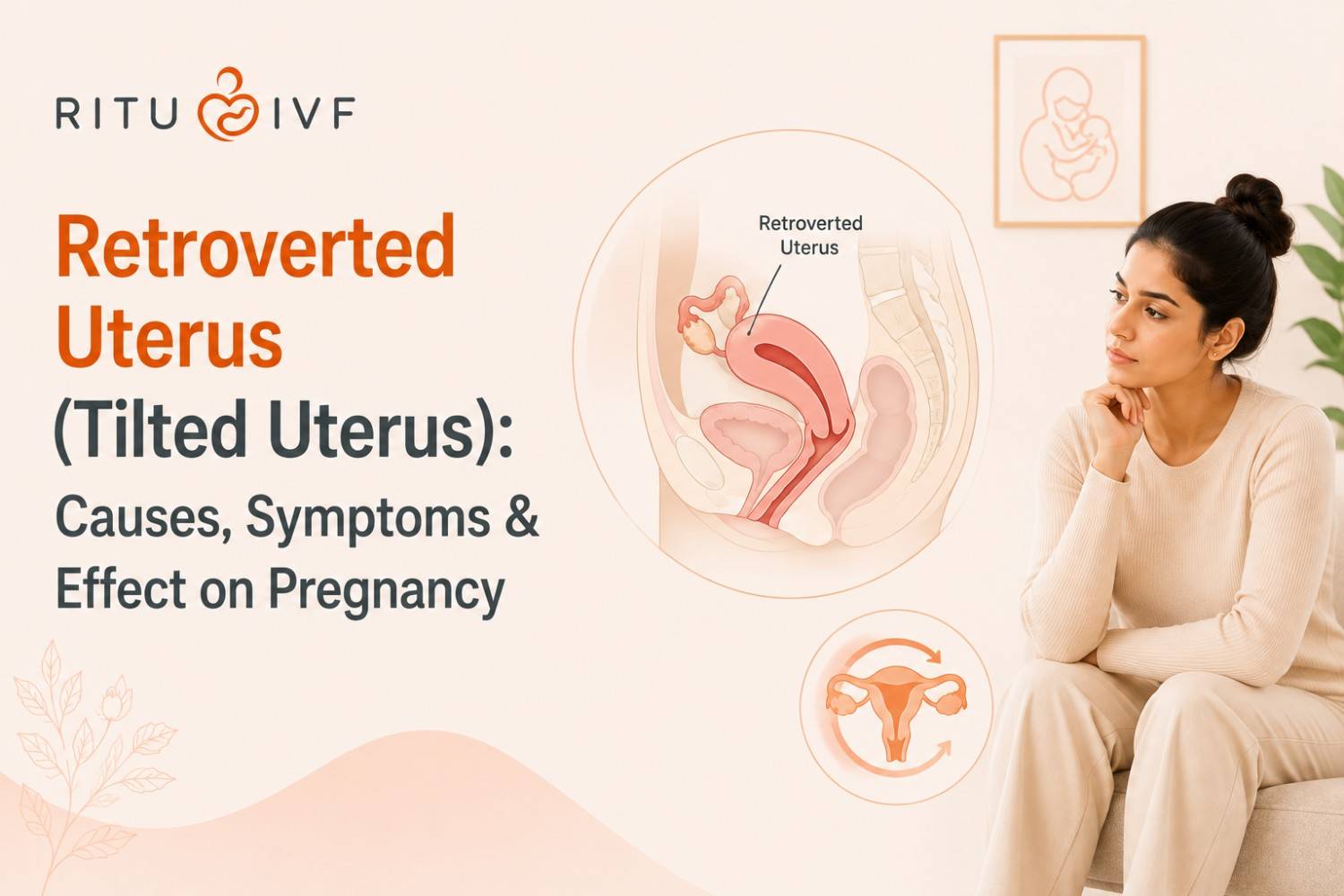

  • 7 Causes of a Bulky Uterus Every Woman Should Know

    7 Causes of a Bulky Uterus Every Woman Should Know

    A bulky uterus can be concerning, especially when it shows up unexpectedly during a routine checkup or imaging test. But what does it mean? And more importantly, should you be worried?

    Let’s uncover the main causes of a bulky uterus, how it affects your health, and what steps you can take to manage it. This guide uses medically reviewed insights to help you understand the signs, symptoms, gynecologic conditions, and treatment options linked to an enlarged uterus.

    What is a Bulky Uterus?

    Understanding Uterine Enlargement

    A bulky uterus refers to an enlarged uterus—a condition where the uterus becomes larger than its normal size. While this might sound alarming, it’s often caused by benign (non-cancerous) conditions.

    On average, a healthy uterus is about the size of a small pear. But certain factors can lead to uterine enlargement, ranging from causes and treatment of uterine fibroids to adenomyosis.

    Key Symptoms of a Bulky Uterus

    • Abnormal uterine bleeding can be one of the symptoms of an enlarged uterus.
    • Pelvic pain is one of the common uterus symptoms associated with adenomyosis. or pressure
    • Heavy menstrual periods (menorrhagia)
    • Frequent urination can be a symptom of an enlarged uterus.
    • Lower back pain
    • Bloating or a feeling of fullness

    7 Common Causes of a Bulky Uterus

    Understanding the causes of a bulky uterus may include hormone imbalances and other factors. It is the first step to managing it. Below are the most common reasons:

    1. Uterine Fibroids (Leiomyoma)

    Uterine fibroids, also called leiomyomas, are the leading cause of a bulky uterus. These are symptoms that may indicate problems with the endometrium. noncancerous growths That develop in the uterine wall, tissue that normally lines the uterus can become displaced.

    Why They Matter

    • Can range in size from a seed to a grapefruit
    • May distort the shape and size of the uterus, leading to symptoms of an enlarged uterus.
    • Common in women aged 30–50

    Symptoms

    • Menorrhagia (heavy bleeding)
    • Pelvic pain
    • Frequent urination
    • Lower back pain

    2. Adenomyosis

    Adenomyosis occurs when the endometrial tissue (inner lining of the uterus) grows into the uterine muscle wall. This condition leads to thickening of the uterus, making it appear bulky and tender.

    Key Signs

    • Severe menstrual cramps
    • Abnormal uterine bleeding
    • Painful intercourse may be a symptom that affects women with an enlarged uterus.
    • Enlarged, tender uterus

    Adenomyosis Is often underdiagnosed but is a significant contributor to chronic pelvic pain and enlarged uterus causes. uterine enlargement.

    3. Endometrial Hyperplasia

    Endometrial hyperplasia Is a condition where the tissue that normally lines the uterus grows into the uterine wall. endometrial lining becomes abnormally thick, which can affect women experiencing heavy periods. This thickening is usually caused by a hormonal imbalance—often too much estrogen without enough progesterone.

    Why It Leads to a Bulky Uterus

    • The uterine lining builds up over time
    • Increases uterine mass and volume

    Symptoms

    • Irregular periods
    • Spotting between periods
    • Abnormal bleeding

    If untreated, hyperplasia can increase the risk of conceiving complications. endometrial cancer.

    4. Uterine Polyps

    These small, soft growths attached to the inner wall of the uterus can sometimes contribute to uterine enlargement, especially when multiple polyps are present, which can cause an enlarged uterus.

    Symptoms Include

    • Heavy or irregular bleeding
    • Bleeding after menopause
    • Fertility issues

    While smaller polyps often go unnoticed, larger ones may cause noticeable discomfort and require removal.

    5. Ovarian Cysts and Masses

    Large ovarian cysts can exert pressure on the uterus, pushing it out of shape and mimicking a large uterus on imaging scans.

    Common Signs

    • Lower abdominal pain
    • Pelvic pressure
    • Bloating

    Though ovarian cysts aren’t part of the uterus, their proximity can still impact reproductive health and overall pelvic anatomy.

    6. Pregnancy-Related Changes

    Sometimes a uterus remains enlarged Post-pregnancy, women may experience changes in the endometrium, which can lead to symptoms of an enlarged uterus. due to poor involution (shrinking of the uterus back to its normal size). This can create a bulky appearance, even months after childbirth.

    When to Watch Out

    • If uterus remains large 6+ weeks postpartum
    • Associated with abnormal discharge or bleeding

    7. Uterine Cancer

    Although less common, pressure on the bladder can occur with an enlarged uterus. endometrial or uterine cancer can lead to a bulky uterus. It often presents in postmenopausal women and can be a cause of adenomyosis.

    Red Flags

    • Vaginal bleeding after menopause
    • Pelvic pressure or pain
    • Unexplained weight loss

    Early diagnosis is crucial for a better prognosis, so don’t ignore unusual symptoms.

    Diagnosis and Treatment Options for Bulky Uterus

    How is a Bulky Uterus Diagnosed?

    Doctors rely on a combination of clinical evaluation and imaging to determine uterine size and structure: symptoms may indicate issues with the endometrium.

    • Pelvic exam
    • Transvaginal ultrasound
    • MRI scans
    • Endometrial biopsy is often recommended to rule out causes of an enlarged uterus. (if needed)

    Treatment Options Based on Cause

    Treatment depends on the underlying gynecologic condition and severity of symptoms:

    1. Medication

    • Hormonal therapy (e.g., GnRH agonists for fibroids)
    • Pain relievers for symptom control
    • Oral contraceptives to manage abnormal bleeding

    2. Surgical Interventions

    • Myomectomy (fibroid removal)
    • Hysterectomy (complete uterine removal)
    • Endometrial ablation is a treatment option for women with heavy periods. (for hyperplasia)

    3. Minimally Invasive Techniques

    • Uterine artery embolization (shrinks fibroids)
    • Laparoscopic procedures (less invasive options)

    FAQs About Causes of a Bulky Uterus

    Q1: Can a bulky uterus affect fertility?

    Yes. Conditions like uterine fibroids and adenomyosis can interfere with implantation or increase miscarriage risk.

    Q2: Is a bulky uterus always a sign of cancer?

    No. Most cases are due to benign conditions like leiomyoma or adenomyosis. However, any abnormal bleeding Should be evaluated by a healthcare professional if you experience symptoms of an enlarged uterus.

    Q3: What is the best treatment for a bulky uterus?

    Treatment depends on the cause. For example:

    • Fibroids: Myomectomy or embolization
    • Adenomyosis: Hormonal therapy or hysterectomy
    • Hyperplasia: Progestin therapy

    Q4: Can menopause shrink a bulky uterus?

    Sometimes. The drop in estrogen post-menopause can cause fibroids to shrink, potentially reducing uterine size.

    Q5: How is adenomyosis different from fibroids?

    • Adenomyosis involves endometrial tissue inside the muscle wall.
    • Fibroids (leiomyomas) are solid muscle tumors on or in the uterus.

    Conclusion: Take Charge of Your Reproductive Health

    A bulky uterus may sound intimidating, but it’s often manageable with early diagnosis and the right treatment plan. Whether it’s fibroids, adenomyosis, or endometrial hyperplasia, understanding the root cause can empower you to take the next step in your reproductive health journey.

    If you’re experiencing symptoms, consult a gynecologist. Early detection is the best defense for a healthy uterus and overall wellness.

  • How to Reduce Stress When Trying to Conceive: Tips for Managing Stress During Pregnancy

    How to Reduce Stress When Trying to Conceive: Tips for Managing Stress During Pregnancy

    Having a biological child is filled with countless moments of pride and jubilation. However, the path to conception can be a challenging one for many parents-to-be. Millions of couples around the globe struggle to pregnant, indicating that they have fertility issues. While infertility can be due to various reasons, you’ll be surprised to learn that stress is one of the biggest factors. Since you’re eager to start a family, you must know how to managing stress during conception.

    That’s what today’s blog is about. I’ll tell you why it’s important to manage stress during pregnancy and how you can relieve stress.

    Stress and Fertility Connection

    We all know that going through fertility treatments can cause severe stress, depression, and anxiety. But is stress making you more infertile?

    Studies have revealed that there can be a stress impact on ovulation. This happens because when you are under stress, the hormone balance in your body is disrupted. As the body releases cortisol (the stress hormone) when you are stressed, it can interfere with sperm production. In females, high levels of stress impact the menstrual cycle and ovulation. Then it gets tricky to predict the fertility window when you should have intercourse. So, the chances of conception become low.

    Even after one gets pregnant, regulating stress is important as chronic stress enhances the risk of preterm labor and other pregnancy complications like delivering a baby with low birth weight.

    Ways to Manage Stress During Pregnancy

    Everyone tells would-be-moms to eat well when planning their motherhood adventure. However, your mental health matters as much as your physical well-being. So, here are some stress reduction tips for trying to conceive:

    1. Get active

    Regular exercise can help calm your agitated nerves as when we exercise, endorphins are released. You can choose any form of exercise like jogging, yoga for fertility health, dancing, swimming, etc. Just aim for at least 30 minutes of exercise daily.

    Note: If you are undergoing IVF or some other fertility treatment, consult your fertility specialist before exercising.

    2. Focus on your breath

    Deep breathing exercise is among the relaxation techniques for conception. Meditation for fertility regularly is again among the healthy habits to reduce stress. You can start doing that today by sitting in a quiet place and playing some soothing music on your phone. Inhale and exhale deeply, mimicking the body’s breathing pattern when you sleep. This will send powerful signals to your brain to stay carefree.

    3. Reduce stress through diet

    For anybody dreaming of getting pregnant, consuming well-balanced meals is a must. When you eat nutrient-rich foods, the likelihood of a successful conception will increase dramatically.

    Another reason why you should keep yourself well-fed is to reduce levels of stress. Research shows that foods high in vitamins, minerals, and fiber can keep stress at bay. Additionally, limit the intake of starch, sugar, and caffeine as they negatively affect stress and pregnancy.

    4. Prioritize sleep

    What’s the easiest way to deal with any problem in life – sleeping. When you sleep, your body and mind heal. So, if you stress often, scrolling on Instagram won’t do you any good. Instead, put your phone aside and sleep 8-9 hours at night.

    When you sleep, your body will naturally recover from physical and mental stressors. Getting adequate sleep at night also increases the fertility levels. That’s why fertility experts always advise would-be-moms to keep up with a sleep hygiene. It means establishing a proper sleep schedule and following it with discipline. If you have trouble sleeping, stay away from electronics when it’s bedtime.

    5. Create a support network

    Pregnancy is a unique experience and nobody else will understand what you’re going through. If you have opted for some Assisted Reproductive Technology, it’s important to surround yourself with women who are walking the same path. This way, when you feel overwhelmed or you’re in a weak emotional state, you can talk to them. Getting emotional support while trying to conceive will truly help you manage stress during fertility treatment.

    6. Enjoy a hobby

    When it comes to managing your stress during pregnancy, there are many ways other than eating healthy foods. To calm your mind, doing things that bring you joy is very important. It could be anything like reading a crime thriller, watching romantic movies, painting, or baking cookies. You should also spend quality time with your spouse for optimal emotional health.

    To Sum Up

    Lastly, it is normal to feel stressed occasionally if implantation doesn’t take place despite multiple attempts. However, you cannot overlook acute stress, depression and anxiety as now you know their adverse effects on your pregnancy journey.

    With simple lifestyle changes to improve fertility, you can go a long way. If the above-mentioned stress-relieving techniques fail to improve your mood, visit your healthcare provider.

    You can get in touch with Ritu IVF as we are a reputed fertility treatment center in Jaipur and we also provide counseling for fertility stress.

  • How to Boost Natural Conception: Tips and Precautions

    How to Boost Natural Conception: Tips and Precautions

    Everyone adult knows that having unprotected sex can get them pregnant, but conceiving is not as simple as you think. Most of the people who succeed after trying to conceive are just lucky. So, if you’ve been trying for months and still not getting the desired outcome, it doesn’t mean that you are infertile, and medical intervention is your only hope. Perhaps, you do not know the right time and way to have coitus to maximize the chances of natural conception.

    Also, did you know that eating certain kinds of foods and making some lifestyle changes can treat various infertility issues?

    Tips to Boost Natural Conception

    1. Set fitness goals

    Being physically healthy is a must to get pregnant, and have a risk-free pregnancy and a smooth delivery. Being underweight or overweight can affect your fertility negatively. Therefore, before you embark on this thrilling adventure called motherhood, start with treating your body well.

    No matter how tight your schedule is, exercise 30 minutes daily, sleep soundly at night, and remove unhealthy habits like having alcohol. This will prepare your body to conceive. getting pregnant at 40 naturally.

    Read to know more: Fertility Yoga benefits

    2. Get rid of nutritional deficiencies

    Did you know that there’s a direct link between nutrition and conception? Yes, to increase fertility levels, both the man and the woman should consume well-balanced meals. So, what are the key nutrients that should be a part of your daily diet?

    The most important thing is hydration and hence, drink plenty of water to support proper functioning of the organs and avoid hormonal imbalances. Your meals should be wholesome combinations of proteins, and complex carbs. whole milk, different vitamins, fatty acids, and minerals.

    Additionally, you have to stay away from foods that will make you less fertile. These include caffeine, soy products, and red meat. While having these occasionally won’t be an issue, excessive consumption will significantly reduce sperm count and egg count. If you are a smoker, then quit smoking the moment you begin your pregnancy planning,

    3. Track your ovulation

    Interested in getting pregnant at 40 naturally? While the chance of conception without assisted reproductive technology is less post-40, there’s no harm in trying. For that, you must track your menstrual cycle to know when you ovulate. Predicting ovulation is easy, but it’s confusing for you, ovulation predictor kits or fertility monitors can come in handy.

    For women who have a regular cycle, the calendar method is reliable for knowing the fertility window. You simply have to note down the first day as well as the last day of your previous period. For 28-day cycles, you can ovulate any day from the 11th to the 21st day.

    Read to know: What is ovulation days

    Before ovulation, the vaginal or cervical mucus becomes thinner and whiter, like the egg white. More secretion of the luteinizing hormone is responsible for triggering ovulation. After ovulation, the basal body temperature rises. All these will give you the hint that now is your fertile window and you should utilize this time by having intercourse. We’ve explained this in detail in the next section.

     4. Have coitus on optimal timings

    As explained already, having sex without protection does not ensure you will become pregnant. If the sperm does not fertilize the egg, implantation won’t take place. And the egg needs to be mature to facilitate clinical pregnancy.

    Therefore, having sex before ovulation and on the day of ovulation will help you get pregnant quickly. Your partner can use natural male fertility supplements to produce high-quality sperm during this time. This is one of the most natural things to help get pregnant. 

    The Takeaway

    So, after learning these natural remedies to get pregnant fast, do you feel motivated and confident to start your pregnancy journey with renewed enthusiasm? You should also consult an experienced fertility specialist who’ll help you conceive naturally without taking any reproductive medicine.

    If you still can’t achieve pregnancy, there are excellent advanced treatments like in vitro fertilization. Thousands of women around the globe are delivering healthy babies through procedures like ICSE, IVF, etc. Hence, just stay happy, listen to your Gynecologist, and your dream of becoming a parent will soon be a reality.

    References:

    How to Get Pregnant Naturally | American Pregnancy Association

    Antioxidants for female subfertility – PMC (nih.gov)

  • Tilted or Retroverted Uterus: How It Affects Pregnancy and How to Treat It?

    Tilted or Retroverted Uterus: How It Affects Pregnancy and How to Treat It?

    A retroverted uterus, commonly known as a tilted or tipped uterus, is a medical condition where a woman’s uterus gets tilted backward, that is, towards her spine and not in its desired position which is the forward position. This condition does not usually cause serious health problems. But can it affect your fertility levels and therefore, your pregnancy? In this article, we will answer all your questions about retroverted uterus.

    Retroverted Uterus: Overview 

    The organ where a baby thrives is known as the uterus. Its shape resembles a pear turned upside down and it is present in the pelvis. The exact position of it in the pelvis differs from one person to another and the position can change during pregnancy. Now let’s understand the meaning.

    If the uterus is tilted or retroverted, the cervix will be aimed toward the belly. Although this condition does not lead to major health complications, it’s important to know the causes, symptoms, and treatment for retroverted uterus. So, if you are planning your pregnancy, make sure you read the article till the end.

    What Is the Cause of a Retroverted Uterus or a Tilted Uterus?

    Sometimes, a retroverted uterus can be from the time of a person’s birth. Some reasons that can lead to this condition later in life are:

    1. Uterine fibroids
    2. Adhesions or scarring
    3. Menopause
    4. Endometriosis

    Symptoms of a Retroverted Uterus

    Most people do not experience symptoms of a tilted uterus. However, some people have and these are:

    • Painful periods
    • Discomfort when having sexual intercourse (it may hurt more when trying certain positions)
    • UTIs (Urinary tract infections)
    • Trouble inserting tampons
    • Pain during sexual intercourse, especially in certain positions.

    Is This a Rare Condition?

    Very few people are familiar with this term. However, it is so common that nearly 25% of people have a tilted uterus. One can be born with it or may develop it later in their life.

    Is a Retroverted Uterus the Same as an Anteverted Uterus?

    Due to a lack of awareness, most people assume that an anteverted and a retroverted uterus are the same. However, these are two different conditions.

    If you have an anteverted uterus, it means the uterus remains tilted forward at the cervix, pointing toward the abdomen. So, in the anteverted position, the uterus is located on top of the bladder. On the contrary, in a retroverted uterus, the uterus presses against the rectum.

    Can Retroverted Uterus Affect Fertility?

    The good news is that even if you have a retroverted uterus, it should not make you infertile or stand in your way of becoming a mother. You can still conceive and have a blissful pregnancy journey. If you have been struggling to get pregnant for some time and you have recently discovered that your uterus is tilted, there can be some other issue that is resulting in implantation failure.

    Some conditions affecting fertility that can be associated with a tilted uterus are:

    • Uterine fibroids
    • Endometriosis
    • PID (Pelvic Inflammatory Disease)

    So, if you do not have any other fertility issues, then a tilted uterus will not cause any complications during labor or delivery. On the contrary, pregnancy can fix this issue. Wondering how? Studies have revealed that the retroverted uterus may become anteverted towards the end of the first trimester. Once the baby is born, the uterus may again return to its previous position.

    How to Treat a Retroverted Uterus?

    There are several ways of treating a retroverted uterus. These include:

    • Addressing the underlying condition: Once the underlying cause is identified, doctors try to treat that condition at first. In many cases, this helps ease the symptoms.
    • Exercises: Did you know that the uterus can be manually shifted into a favorable forward position? All you have to do is perform exercises that strengthen the pelvic muscles and keep the uterus in a good position. According to healthcare providers, Kegals is one excellent exercise for women born with a tilted uterus. If you have never done Kegals before, you will find many YouTube tutorials.
    • Surgery: The uterus can also be surgically repositioned. The surgery is termed uterine repositioning or uterine suspension. This will permanently fix and also give relief from the pain. In severe situations, doctors suggest a hysterectomy (complete removal of the uterus).
    • Pessary: A small, donut-shaped device that can be inserted into a woman’s vagina is known as a pessary. Its function is to hold the uterus in its place. So, this support structure will change the retroverted uterus’s position. However, some risks associated with the usage of pessaries are inflammation and infections. Therefore, it can only be a short-term solution.

    Read to know: Bulky Uterus And Fertility

    Best Ways to Get Pregnant with Retroverted Uterus

    If you have a bulky retroverted uterus, then the best position to get pregnant is the missionary position as the penetration is very deep.

    To Sum Up

    So, by now it must have been clear to you that there is no correlation between pregnancy complications and a tilted uterus. We have also shared that 25% of women have a retroverted uterus. Now if the tilted uterus is not causing any trouble to you, you need not worry. However, if you start experiencing pain, then you must consult your healthcare provider as soon as possible.