Category: Pregnancy

  • After How Many Weeks IVF Pregnancy Is Safe?

    After How Many Weeks IVF Pregnancy Is Safe?

    For a couple struggling to get pregnant, paying attention to every little detail is crucial. If you have opted for IVF pregnancy, you must know that timing is one of the most important aspects that ensures the success of an IVF pregnancy. You should neither wait too long nor be too impatient. So, after how many weeks of IVF pregnancy is safe? Let us discuss this in detail.

    IVF Procedure

    IVF stands for in vitro fertilization. It is an assisted reproductive technology that can help infertile couples achieve a healthy IVF pregnancy. Many couples get pregnant through IVF fertility treatment, which involves fertilizing the eggs in a lab and then placing them into the womb.

    Want to Know: how is ivf pregnancy done

    IVF Pregnancy Is Safe or Not?

    Thousands of people around the globe are opting for IVF pregnancies and they are welcoming perfectly healthy babies into their lives. However, in the initial stage, you need to be extremely careful as the first trimester is when most miscarriages happen.

    So, ‘after how many weeks of IVF pregnancy is safe‘ is a recurring question and every couple opting for IVF wants to know the answer to this. According to IVF specialists, it will be wise to be mindful of the safety of an IVF pregnancy during the first twelve to fifteen weeks. Once 12- 15 weeks have passed, you can announce your pregnancy as the risk of getting a miscarriage will drop significantly by then. After that, the baby will develop rapidly.

    However, from the moment the pregnancy test result is positive till the time your baby is born, taking good care of your body and mind is mandatory – be it a normal pregnancy or one achieved through in vitro fertilization. Sleeping at least 7-8 hours, eating nutrient-rich meals, keeping excess weight gain in check, and staying happy are generally considered the best habits to have a successful pregnancy. So, always be conscious of what food you intake, keep your body hydrated, and minimize stress. Discuss with your doctor to understand all the risk factors to enjoy your IVF journey and make sure it proves fruitful in the end.

    Precautions After IVF Pregnancy

    1. After the embryo transfer, you should stay on bed rest for some time.
    2. Avoid activities that are physically straining such as running, strenuous exercises, jumping, etc.
    3. Take your medications on time along with a folic acid supplement.

    Know about: ivf pregnancy symptoms

    To Sum Up

    In the end, we would just tell you that IVF is an effective and safe treatment. The chances of delivering a healthy baby after the first IVF cycle is around 40%. After two cycles, this becomes 60% and after three cycles, there is a 70-80% chance of conceiving.

    And now you also know that once 12 weeks from conception has passed, the risks associated with IVF pregnancy disappear and then it is as safe as getting pregnant naturally.

    So, all the best with your IVF treatment. May you soon have a lively baby in your arms.


  • How to Avoid Ectopic Pregnancy with IVF When Getting Treated at the Best IVF Clinic?

    How to Avoid Ectopic Pregnancy with IVF When Getting Treated at the Best IVF Clinic?

    For couples who cannot achieve normal pregnancy, in vitro fertilization is among the best options. However, no assisted reproductive technology is devoid of risks and one such complication is ectopic pregnancy. Most people don’t know about ectopic pregnancy, its symptoms, and how it can impact their pregnancy. So, in this detailed guide, let us delve deep into ectopic pregnancy’s causes and signs. We will also tell you how to avoid ectopic pregnancy with IVF. So, if you are undergoing IVF or thinking of opting for IVF, stay tuned till the end.

    Ectopic Pregnancy: An Overview

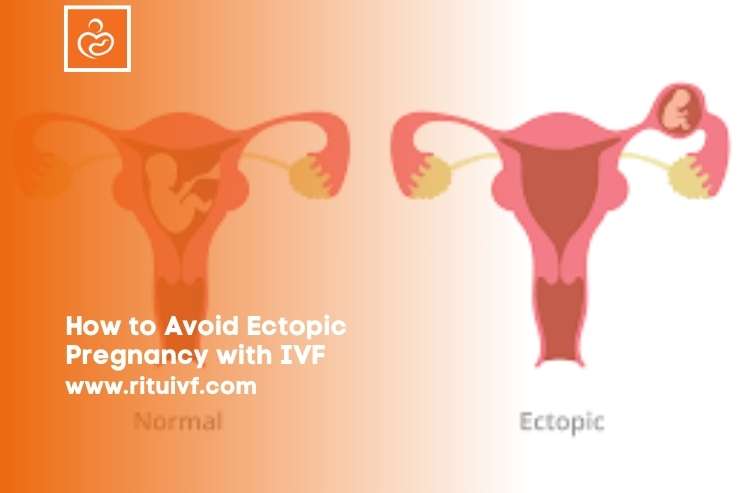
    In simple words, it is a type of pregnancy in which the development of the fetus takes place not in the uterus but outside it. So, the cervix or the ovaries become pregnant during ectopic pregnancy.

    But the fallopian tubes or the cervix are not equipped for carrying a fetus and so, it becomes important to end an ectopic pregnancy. Fortunately, precautions can be taken to avoid this serious condition.

    What Is the Cause of Ectopic Pregnancy?

    An IVF treatment involves several stages such as stimulating the ovaries, collecting eggs, and fertilizing the eggs in the lab. Once the eggs are fertilized, they placed into the womb again. But how do these processes increase the risk of an ectopic pregnancy? Scroll down to find out.

    As opposed to natural conception, during IVF, the embryos cannot be naturally guided through a woman’s fallopian tubes. So, when the embryo transfer takes place in this manner, there is some risk of ectopic pregnancy. If multiple embryos are transferred, the risk also increases. This is one of the common causes and that explains why many fertility treatment centers are now advocating for the transfer of a single fertilized embryo.

    Ectopic pregnancies occur when the fertilized egg attaches itself outside the uterus. While IVF treatments lower the chances compared to natural conception, it’s still essential to take precautions. Here’s what you need to know:

    Signs of Ectopic Pregnancy after IVF

    Some people experience some early symptoms of ectopic pregnancy. These include vaginal bleeding and pelvic pain. Some other signs are:

    • contractions
    • abdominal pain
    • a missed period
    • pain in the shoulder’s tip
    • discomfort when pooping or peeing

    How Is Ectopic Pregnancy Diagnosed?

    If you are experiencing the above-mentioned symptoms of ectopic pregnancy, your doctor might suggest the following tests to diagnose if ectopic pregnancy is causing the symptoms. The tests are:

    • Laparoscopy
    • Ultrasound
    • Laparoscopy
    • Blood Tests

    If the diagnosis confirms someone is experiencing ectopic pregnancy, it should not be left untreated.

    How to Avoid Ectopic Pregnancy with IVF?

    Ectopic pregnancy is a serious concern, especially for those undergoing IVF (In Vitro Fertilization). It occurs when a fertilized egg implants outside the uterus, often in the fallopian tubes, making it a life-threatening condition. Fortunately, there are effective strategies to minimize the risk of ectopic pregnancy during IVF.

    1. Treat STIs

    Sexually Transmitted Infections (STIs) like chlamydia or gonorrhea can increase the risk of ectopic pregnancy by damaging the fallopian tubes. Timely treatment is crucial to mitigate this risk.

    • Diagnosis: Regular screenings for STIs, especially before IVF.
    • Treatment: Antibiotics prescribed by your healthcare provider.
    • Follow-up: Continuous monitoring to ensure the infection is fully cleared.

    Sadly, many people feel embarrassed to visit a doctor for STIs. But now you know that timely treatment of STIs from a reputed fertility clinic becomes critical to keep ectopic pregnancy IVF at bay. Also, if you practice safe sex, STIs won’t bother you.

    2. Quit Smoking

    Any individual planning a pregnancy knows that smoking is extremely harmful. However, you will be surprised to discover that this habit does not just lower the fertility levels in men and women but also doubles ectopic pregnancy’s risk.

    Smoking significantly impacts fertility and increases the risk of ectopic pregnancy. Quitting smoking before starting IVF can lower this risk.

    • Immediate Steps: Consider nicotine replacement therapies or professional counseling.
    • Long-Term Plan: Maintain a smoke-free lifestyle, with regular check-ins with a healthcare provider.

    3. Treat Intraperitoneal Sperm Transmigration

    It is a medical ailment that happens if sperm fertilizes a mature egg outside the endometrial or uterine lining. Despite being a spontaneous illness, it mostly affects women who have clogged or ruptured fallopian tubes.

    • Prevention: Thorough medical evaluation before IVF to identify potential risks.
    • Treatment: In certain cases, Intracytoplasmic Sperm Injection (ICSI) may be recommended.

    4. Single Embryo Transfer

    Transferring a single embryo during IVF reduces the risk of ectopic pregnancy compared to multiple embryo transfers.

    • Why It Matters: The risk of ectopic pregnancy increases with the number of embryos transferred.
    • Consultation: Discuss the best strategy with your fertility specialist based on your case.

    5. Eat Nutrient-rich Meals

    Some studies have revealed that exercising daily and eating well can significantly reduce the chances of ectopic pregnancy. One excellent food to prevent ectopic pregnancy is avocado. You should also increase the consumption of foods rich in folic acid to maintain good folate levels.

    6. Monitoring and Early Diagnosis

    Early symptoms of ectopic pregnancy, such as pelvic pain and vaginal bleeding, should not be ignored. Immediate medical attention can prevent complications.

    • Diagnostic Tools: Blood tests, ultrasounds, and laparoscopy are essential for early detection.
    • Treatment Options: Depending on the timing and severity, treatment may include medication or surgery.

    What Are the Chances of Ectopic Pregnancy in IVF?

    Ectopic pregnancies in IVF are rare, with an incidence of about 2-5%, but certain factors like age, prior health conditions, and multiple embryo transfers can influence this risk. Understanding these factors can help you make informed decisions during your IVF journey.

    Can I Get Pregnant after Ectopic Pregnancy?

    Any woman who has experienced ectopic pregnancy in the past can have a successful pregnancy. With an early diagnosis, the treatment will be effective. In some cases, methotrexate is administered. Surgical intervention might be necessary in other cases.

    The chance of it occurring again is less than 10%. So, once your ectopic pregnancy is treated, you can plan a baby again. Just make sure you get in touch with a good fertility clinic that has accomplished doctors who can assist you in your IVF journey.

    If you are concerned about the scar resulting from an ectopic pregnancy operation, you can apply avocado oil or coconut oil regularly to make it less visible.

    How to Get Pregnant Fast after Ectopic Pregnancy?

    Your doctor will advise you to wait for at least 3 months as your body needs some time to recover completely after experiencing an ectopic pregnancy. The chances of getting pregnant after 2 years is around 85%. To quickly get pregnant, you should find an experienced doctor. Additionally, stay away from alcohol, cigarettes, processed food, and junk food. By maintaining a healthy lifestyle after ectopic pregnancy, your wish to be a mother will transform into a reality.

    The Takeaway

    Reducing the risk of ectopic pregnancy during IVF involves proactive measures such as treating STIs, quitting smoking, and considering single embryo transfers. Regular monitoring and early diagnosis are critical to ensuring a safe and successful pregnancy. Just take the preventive steps recommended by your fertility specialist to reduce the risk of ectopic pregnancy. Even if you have an ectopic pregnancy, stay positive and commence the ectopic pregnancy treatment at the earliest. After medical intervention, your body will again be ready to undergo another IVF cycle.

    Read to know more: Ovum Pick Up Procedure

  • Morning Sickness Remedies to Get Rid of Nausea & Vomiting During Pregnancy 

    Morning Sickness Remedies to Get Rid of Nausea & Vomiting During Pregnancy 

    Nausea and vomiting are common side effects of pregnancy, especially during the first trimester. It’s called morning sickness, and it makes its arrival in the first month after conceiving and gradually disappears after the 14th- 16th week. Managing morning sickness is crucial so that you can eat properly, stay in a good mood, and complete your daily activities. In rare cases, some pregnant women also suffer from a severe condition known as hyperemesis gravidarum and it requires immediate treatment. So, how to relieve morning sickness? Today we’ll share with you some tried-and-tested morning sickness remedies.

    What Causes Morning Sickness?

    The primary causes behind it are hormonal changes and a decrease in blood sugar levels during early pregnancy. Sometimes UTIs (urinary tract infections) can lead to vomiting and nausea. A UTI generally affects the urinary bladder. However, if not treated, it may spread to the person’s kidneys.

    Morning Sickness Symptoms

    Do you often feel like throwing up, especially after you eat or drink something? This condition during pregnancy is termed morning sickness. So, the obvious symptoms of morning sickness are feeling nauseous and puking.

    Home Remedies for Morning Sickness

    One of the myths about morning sickness is that it happens only in the morning. However, some people get troubled by morning sickness all day long and it can also affect you at night. So, are there any best remedies for morning sickness at night?

    The good news is that there are various ways to help morning sickness disappear. So, here are some lifestyle changes and food choices for you:

    1. Select foods carefully

    Choosing foods low in fat and loaded with proteins will give you some relief from morning sickness. On the other hand, fatty, oily, and spicy foods are hard to digest and so, it is better to avoid them in the morning. You can also have bland foods like bananas, applesauce, rice, etc. Salty foods can reduce morning sickness. Doctors also recommend having ginger in the morning. You can either drink a refreshing cup of ginger tea or relish ginger lollipops.

    2. Stay hydrated

    Hydration during pregnancy is of utmost significance and studies have proved that it eases the symptoms of morning sickness. So, be mindful of how much water you are drinking, and your target should be at least 6 glasses of water daily. You can also increase your fluid intake by having green tea, fruit juices, nutritious soups, etc. Just make sure the drinks you consume aren’t packed with caffeine.

    3. Snack frequently

    An empty stomach might cause nausea. So, for women with morning sickness, snacking often can be tried for morning sickness relief. So, before you get out of bed, eat a piece of toast or some soda crackers. Since you don’t want your stomach to feel too heavy, keep nibbling throughout the day instead of having larger meals.

         4. Wash your mouth thoroughly after you vomit

    Did you know that the acid present in your stomach can cause potential damage to your teeth? The protective enamel can wear away if you don’t rinse properly. As you are vomiting frequently during pregnancy, mixing a spoonful of baking soda in a glass of water and rinsing your mouth with it will be effective. When your mouth feels fresh, you will feel less nauseous.

    5. Understand your body

    During pregnancy, the nausea triggers differ from one person to another. Certain smells or foods will make you more nauseous and you won’t be able to stand their smell or taste. Hence, paying attention to these triggers is one of the best natural remedies for morning sickness.

    6. Change your prenatal vitamins

    Do you end up feeling queasy a few minutes after you take your prenatal vitamins? Then taking the vitamin with a healthy snack or before you go to sleep will get rid of this problem. You may also ask your healthcare provider to prescribe chewable vitamins available as yummy gummies.

    During pregnancy your body undergoes several changes so, you should not consume herbs for morning sickness before researching their side effects. If these morning sickness remedies don’t work for you, consult your doctor. For critical conditions like hyperemesis gravidarum, delaying treatment can cause harm to the mother and the baby. Your body can be extremely dehydrated and therefore, regular check-ups are necessary.

    Signs that You Need Specialized Treatment for Morning Sickness

    While experiencing morning sickness is normal and there is no reason to be worried, in some cases, seeking medical help becomes mandatory. So, how do you know when you have to visit a doctor?

    You should contact your doctor if:

    • You are dehydrated and you produce little or no urine
    • Your urine is yellowish and not transparent
    • Your heart keeps racing
    • Whenever you consume liquids, you end up vomiting them
    • You frequently faint and feel dizzy when you try to stand up

    The Bottom Line

    So, morning sickness can be unpleasant. It may affect an individual’s daily life. Hence, you can rely on the above-mentioned ways to stop morning sickness. For excessive morning sickness, it is better to consult your gynecologist for morning sickness treatment.

  • IVF Pregnancy Symptoms Week by Week Post Embryo Transfer

    IVF Pregnancy Symptoms Week by Week Post Embryo Transfer

    For someone trying to conceive through IVF, it is natural to have many questions. If you have been receiving the treatment and taking all the medications, you must be wondering how long you need to wait to get the good news. Once the embryo transfer is done, you have nothing to do besides have nutritious food, get sufficient sleep, and keep stress at bay. As you are hopeful and anxious simultaneously, several thoughts will cross your mind. As you wake up every day with renewed hope, the most important thing you’d like to know is; ‘What are the common IVF pregnancy symptoms?

    Knowing the symptoms of pregnancy after undergoing IVF treatment will let you know if it’s time for a pregnancy test. While the symptoms may vary from one individual to another, these are the most common ones that you may experience if embryo transfer has been successful:

    Early Pregnancy Symptoms for Weeks 1 & 2

    The first two weeks are the most crucial as they reveal if the IVF cycle failed or was successful. Below are some major early IVF pregnancy signs that indicate the success of the procedure:

    1. Missed periods

    One of the biggest positive signs after embryo transfer is a missed period. If your menstrual cycle is not irregular, then you can take the missed period as a clear indication of your pregnancy. You should still book an appointment with your IVF clinic to be sure that the missed period is due to pregnancy and not because of some underlying health condition.

    2. Abdominal cramps

    If the embryo implants in the uterus, abdominal cramps will follow and hence, they are also called implantation cramps. Hormonal changes are responsible for causing these cramps and the pain won’t be as intense as periods cramps.

    3. Light bleeding

    Mild spotting is one of the 7 days after embryo transfer symptoms, and this is considered normal by IVF doctors. A blackish or brownish discharge noticed one week after embryo transfer is known as mild spotting. The spotting may or may not be accompanied by cramps in the stomach.

    4. Breast tenderness

    Do your breasts feel tender and swollen? Breast tenderness is yet another sign that confirms your pregnancy and it’s one of the 9 days after embryo transfer symptoms. It is your body’s way of preparing your breasts for breastfeeding.

    IVF Pregnancy Symptoms (Weeks 2-8)

    Once the pregnancy is confirmed, symptoms like breast tenderness and abdominal pain will still be there. You will begin experiencing various other symptoms that are stated below:

    1. Bloating

    During this period, your uterine lining will get thick. So, you can experience bloating and gassiness. Taking 6 small meals instead of 3 large meals will be helpful.

    2. Headaches

    Due to increased levels of estrogen and progesterone, you may have recurring headaches 2-3 weeks after implantation. Headaches can also be due to a lack of proper hydration. So, to reduce headaches, drink plenty of water and get sufficient rest.

    IVF Pregnancy Symptoms on Week 10

    As your pregnancy progresses, the IVF pregnancy week-by-week symptoms will keep changing. Just like normal pregnancy, you are likely to experience these symptoms:

    1. Morning sickness

    Experiencing morning sickness problems like nausea, stomach pain, etc. is not uncommon during this stage. These symptoms trouble almost every pregnant woman during the first trimester. However, they will subside after a few weeks.

    2. Mood swings

    If you are pregnant, your body will undergo several hormonal changes. The constant secretion of female reproductive hormones can have effects on your mood. So, mood swings aren’t rare, and you can handle them better by getting a relaxing massage or watching a rom-com.

    3. Acne

    If you have suddenly started getting pimples, do not panic. They will disappear on their own after childbirth.

    4. Fatigue

    When a baby is developing in your womb, the baby relies on you for nutrition. So, you may feel exhausted if you are not on a healthy pregnancy diet. Take power naps to refuel yourself and increase your intake of protein, vitamins, and minerals to boost your energy.

    5. Weight gain

    Some weight gain every month during pregnancy is not just normal but also desired. So, if you feel you’ve started putting on weight, do not be stressed. Enjoy the journey and keep tracking your weight gain after every 15 days.

    The Takeaway

    So, it goes beyond saying that there isn’t much difference between the signs of pregnancy through IVF and the signs of a natural pregnancy. However, the duration and intensity of each symptom can vary for each woman.

    So, even if you don’t experience all of the post-IVF symptoms we have discussed above, do not worry. Stay optimistic and if you have any queries or concerns, don’t delay getting in touch with your fertility specialist.

  • Everything You Need to Know About Miscarriage During IVF

    Everything You Need to Know About Miscarriage During IVF

    Miscarriage is so common that one out of four pregnancies results in a miscarriage. While 10-15% is the rate of miscarriage for women with healthy embryos and under the age of 35, the rate increases by 40-50% for women who are aged 40 or more. So, whether you have lost a baby in the past or you want to take precautionary measures to prevent miscarriage – it’s natural to be interested in learning how to reduce the chances of it happening once again. From its causes to its symptoms to ways of minimizing its risk – this article will answer all your questions about miscarriage during IVF.

    IVF Miscarriage: An Overview

    The sudden loss of pregnancy before the 20th week is known as a miscarriage. Even people undergoing IVF treatments can have miscarriages. Now have a look at this informative guide to understand and cope with the complexities of IVF miscarriages.

    Common Causes of Miscarriage

    A miscarriage can be because by various reasons. The following are some possible causes:

    Quality of the Embryo:

    In IVF, the embryos used should be of high quality as this will play a major role. When the embryos aren’t of the best quality, implantation or embryo development may not be proper, thus causing miscarriage.

    Chromosomal Abnormalities:

    Chromosomal abnormalities top the list of miscarriages caused during early pregnancy when the embryo is still developing. This may happen at the time of fertilization or during cell division’s initial stages. The advanced age of the mother is also associated with a heightened risk of such chromosomal abnormalities.

    Uterine Abnormalities:

    If there are structural abnormalities in a person’s uterus, they can interfere with the process of implantation and cause recurrent miscarriages. Septum and fibroids are examples of such conditions that stand in the way of a healthy pregnancy.

    Implantation Issues:

    For implantation to be successful, several factors play a role. For instance, improper positioning of the embryo or thin uterine lining can be responsible for complications (like miscarriages) in your IVF journey.

    Hormonal Imbalances:

    If the levels of estrogen, thyroid hormones, and progesterone in your body are not as desired, it is called a hormonal imbalance. This too impacts the chances of a successful pregnancy.

    Lifestyle Factors:

    Various lifestyle factors like smoking, unhealthy eating habits, obesity, regular consumption of alcohol, high-stress levels, and lack of sleep can adversely impact your fertility and contribute to a heartbreaking miscarriage.

    Immunological Factors:

    Studies have found that some ladies have an overactive immune system. It ends up perceiving the embryo as a harmful foreign body and thus rejects the embryo.

    Infection:

    Bacterial and viral infections can pose risks to the growing embryo, sometimes, resulting in miscarriage.

    Genetic Factors:

    One or both partners might carry certain genetic factors that often enhance the chance of miscarriage. Potential issues can be diagnosed through genetic testing.

    Most of the above-mentioned miscarriage causes are common for both IVF miscarriages and miscarriages occurring during natural conception.

    Miscarriage Symptoms

    Abdominal Pain:

    Abdominal pain and cramping can be indicative of a potential miscarriage. You must seek medical attention if the pain is constant or severe.

    Vaginal Bleeding: 

    Miscarriage’s most common sign is vaginal bleeding. Occasional spotting is not uncommon, but persistent, heavy bleeding must be immediately addressed.

    No Pregnancy Symptoms: 

    If your pregnancy symptoms like nausea and breast tenderness decrease suddenly, perhaps you had a miscarriage. Note that the pregnancy side effects vary from one individual to another.

    Pregnancy After Miscarriage

    Couples who had a miscarriage have a common concern and that’s when to try conceiving again. You must know that a single miscarriage does not permanently impair your fertility. So, with the help of a fertility specialist, you can understand the root cause and take the necessary medications.

    If you wait for a few weeks, another IVF cycle can be attempted with renewed enthusiasm. Your doctor will determine the right timing to commence the next IVF cycle.

    Tips for Avoiding Miscarriage During IVF

    To prevent miscarriages when undergoing IVF treatment, you need to address the factors that may cause pregnancy loss. Here are some preventive measures recommended by fertility experts:

    Thorough Screening:

    Before the IVF procedure begins, both partners must opt for comprehensive screening to identify underlying health complications, genetic conditions, or infections that may pose a threat to pregnancy.

    Making Lifestyle Alterations: 

    Do you follow a well-balanced diet enriched with adequate minerals and vitamins? If not, then you should be mindful of what you eat as your food choices are directly linked to your fertility. Did you know that you are also supposed to maintain a healthy body weight as being underweight/ overweight impacts fertility? Additionally, quit smoking, the use of illicit drugs, and excessive alcohol consumption, as these may negatively affect your fertility and therefore, double miscarriage risks.

    Treating Hormonal Imbalances:

    In many couples, hormonal imbalances are found to be the reason behind miscarriage. Hence, to reduce the risk, your healthcare provider will first treat the hormonal imbalances that are making fertilization difficult and can lead to pregnancy loss.

    Managing Chronic Health Issues:

    Are you suffering from chronic health problems such as thyroid disorders or diabetes? Then, before trying to conceive, you must ensure they are controlled and well-managed.

    Managing Stress:

    Stress is another factor that affects fertility in men and women. So, during your pregnancy, you should regularly engage in stress-relieving activities like yoga, counseling, massages, and meditation.

    Supportive Medications: 

    In some cases, healthcare providers prescribe specific medications like progesterone supplements that can support the initial stages of pregnancy.

    Thrombophilia Testing:

    If you have a history of issues like blood clotting disorders, you should consider thrombophilia testing to prevent miscarriage after IVF.

    Regular Monitoring and Check-ups:

    You should schedule regular ultrasounds and check-ups to closely track the progress and address concerns promptly.

    PGT (Pre-implantation Genetic Testing (PGT):

    Pre-implantation genetic testing is done before implantation to identify and choose embryos that have the lowest chances of chromosomal abnormalities. If the person conceiving is in her late 30s or 40s, this technique is immensely useful.

    The Bottom Line

    We may conclude by saying that many women who had a miscarriage earlier have delivered healthy babies. Moreover, having one miscarriage will not make you infertile permanently. So, you must stay positive and have faith in fertility treatments. You may also follow the above-mentioned tips to decrease the chances of a miscarriage.

  • Can I Have Normal Delivery After IVF? A Comprehensive Guide to Delivery for IVF Moms

    Can I Have Normal Delivery After IVF? A Comprehensive Guide to Delivery for IVF Moms

    In vitro fertilization or IVF is an advanced fertility treatment designed to help couples or individuals conceive when natural conception becomes difficult. It is the most popular assisted reproductive technology preferred by infertile men and women who dream of becoming parents. However, despite its high success rate, it is still a taboo in many parts of the world. The biggest concern for these people who are skeptical about opting for IVF is that a normal delivery won’t be possible. So, will it truly be challenging to have normal delivery after IVF or is it just a myth? In this article, we will tell you all about delivering babies through IVF.

    An Overview of IVF

    During the IVF procedure, the first step is stimulating the ovaries so that they generate multiple mature eggs. Then, surgical removal of the eggs from the ovaries takes place and this procedure is called egg retrieval. The mature eggs and sperm are combined outside the woman’s body and in a lab to maximize the chances of implantation. The sperm can be either the male partner’s sperm or the sperm of a donor. When eggs and sperm come in contact with each other in a controlled environment, several embryos (fertilized eggs) are formed at the same time. Finally, the embryos are carefully placed into the uterus and then, you simply have to wait.

    If implantation is successful, you will experience the same symptoms as someone who got naturally pregnant. But the main question is: After IVF normal delivery is possible or not? Let’s find out.

    Can You Expect a Normal Delivery After IVF?

    Even in IVF pregnancy normal delivery is not uncommon. IVF treatment only treats a woman’s infertility issues without impacting her ability to deliver babies through her vagina. Once she gets pregnant through IVF, her pregnancy journey will be the same as another woman who conceived through intercourse.

    So, whether you will require a Caesarean delivery or a normal delivery depends not on the IVF procedure but on various factors such as maternal health, fitness levels, and age of the individual undergoing IVF.

    The decision regarding the delivery process – be it cesarean section or vaginal delivery- is usually the doctor’s discretion. Once a pregnant woman goes into labor, the doctor considers the mom’s and the baby’s health and suggests the best option. As a would-be-mother, it is essential to ask questions and have detailed discussions about your delivery options with your healthcare provider as that person can give personalized guidance after monitoring you and the baby.

    Why Is Normal Vaginal Delivery Desired After IVF?

    We all hope for normal delivery in IVF and the advantages are many:

    • As opposed to a C-section, the recovery period is shorter for IVF babies delivered vaginally.
    • If it’s a normal delivery, the risks of infections and surgical complications will be lower.
    • After normal delivery, a woman can immediately breastfeed.
    • To alleviate the pain, the female body releases endorphins and oxytocin during natural labor and normal delivery. So, normal delivery also positively impacts the emotional well-being of the mother.
    • Some studies claim that a normal delivery after IVF is linked with a low risk of long-term health issues like childhood obesity and respiratory ailments in the baby.

    Reasons Why Doctors Perform C-Section for Some IVF Pregnancies

    Now let’s have a look at some of the biggest determining factors that help doctors choose between NORMAL PREGNANCY V/S THE IVF PREGNANCY:

    Prolonged labor:

    If a pregnant lady is in labor for at least 20 hours, the condition is called prolonged labor. 1/3rd of the C-section births taking place around the globe happen due to this reason. Prolonged labor is something that even a woman with a normal pregnancy can experience and to avoid complications, doctors proceed with surgery.

    Not getting adequate oxygen:

    Sometimes, doctors perform surgery in urgency to take out the baby from the mother’s body. One such scenario is when the baby does not get sufficient oxygen and might get choked.

    Maternal health problems:

    When a woman has pre-existing conditions that can get exacerbated during vaginal delivery or labor, the doctor must prioritize her well-being and suggest a C-section.

    Abnormal position:

    The baby should remain in a headfirst position around its mother’s birth canal. This facilitates a successful delivery through the vagina. If the baby suddenly flips, the butt/ fete will be in the birth canal and so, for the safety of the baby, C-section is preferred.

    Complicated pregnancy:

    Placenta previa and placental abruption are some pregnancy complications. Placenta previa means cervix getting covered by the placenta and placental abruption indicates an untimely separation of your placenta. Both conditions necessitate a Cesarean delivery to keep potential risks at bay.

    Multiple babies:

    If someone is pregnant with multiple babies, the doctors want to ensure the safety of all the babies. So, what could be more reliable than a C-section?

    Health conditions:

    A C-section is the safest option for an expecting mom who has been diagnosed with heart problems, high BP, or diabetes. C-section is also the right choice for women with serious health complications like cancer or HIV.

    Tips to Increase the Chances of Normal Delivery in IVF

    Most women desire to give natural birth after IVF but there is no guarantee. However, you can follow some steps to maintain your overall health and prepare your body for vaginal birth. These are some lifestyle alterations advised by healthcare providers:

    1. Select a qualified IVF doctor 

    An accomplished and qualified fertility doctor will help you have a smooth and low-risk pregnancy through IVF. So, your chances of a normal vaginal birth will be higher.

    1. Stay physically active 

    Engaging in physical activity daily is not just safe but great for expecting moms. Walking, swimming, and prenatal yoga are some excellent exercises to facilitate fetal positioning and thus, prepare the female body for uncomplicated labor.

    1. Eat a balanced diet

    If you aren’t a fan of Cesarean delivery, eating nutrient-rich meals is as important as regular exercise. Additionally, give adequate rest to your body to keep fatigue at bay and aid the baby’s development.

    Read to know: What to Avoid during IVF Treatment

    1. Get proper prenatal care

    Prenatal care encompasses everything from going for regular check-ups to taking your prenatal supplement. If you visit your doctor regularly, they will address any complications promptly and so, normal vaginal delivery will still be an option.

    1. Prepare mentally for a Cesarean section

    As explained already, many factors influence the mode of delivery. If things don’t go as planned, your doctor may not ask you to wait for a normal delivery. So, you should always stay prepared for Cesarean delivery as nothing matters more than the well-being of the baby.

    1. Be positive

    Giving birth is not easy and a positive attitude will benefit you immensely. So, do not take stress and stay hopeful. These will double your chances of having a normal and quick delivery.

    To Sum Up

    We have told you everything you need to know about the link between IVF and normal delivery. Lastly, your healthcare provider will decide your mode of delivery after weighing factors like fetal position, obstetric complications, multiple pregnancies, duration of labor, fitness levels of the mother, etc. The aim of every couple should be to prioritize their baby’s safety and the well-being of the mom. So, have open communication with your doctor, and whatever delivery mode is ideal for you, we wish you all the best!

  • What is Double Marker Blood Test in Pregnancy?

    A double-marker blood test in pregnancy is a test that is often given to pregnant women to find any problems with the fetus’ chromosomes. In addition, this testing is very important for finding neurological disorders in the fetus, such as Down syndrome and Edwards syndrome. 

    Fetuses that are girls will have 22 pairs of XX chromosomes and fetuses that are boys will have 22 pairs of XY chromosomes.

    But if there are chromosomal problems in the fetus, they could lead to serious birth defects and health problems for the baby after birth. But these problems don’t happen very often.

    Women over 35 and those with a family history of birth defects or insulin-dependent type 1 diabetes are more likely to be told to get the double marker test while they are pregnant. The doctor checks the blood during the first three months of pregnancy, most of the time between the ninth and fourteenth week.

    Why is a Double Marker Test in Pregnancy Important?

    You don’t have to get the test, but if you are over 35 or if someone in your family has had a miscarriage or diabetes, your baby may be more likely to have chromosomal problems.

    It’s important to keep in mind that the result only shows if there is a high risk of trisomy. Not only that, but it doesn’t tell you if your child has any problems.

    How can Double Marker Blood Tests in Pregnancy Help?

    There are several ways to use the Double Marker Test, such as:

    • It helps figure out how likely it is that the unborn child will get a mental illness.
    • It’s mostly used to find people with Down syndrome.
    • The Double Marker Test may also find Trisomy 18, a genetic disorder that can lead to mental illness and serious birth defects.
    • It also helps find Trisomy 21.T, a genetic disorder that can lead to mental health problems, heart problems, and other diseases that affect important organs.

    What is the Double Marker Test Procedure

    The Double Marker test is a blood test that checks the levels of the pregnancy-related plasma protein (PAAP) and the human chorionic gonadotropin hormone (Beta hCG).

    Some important things to know about the testing process are:

    • Two hormones in a pregnant woman’s blood are looked at by the test to find out her risk of having a child with Down syndrome or other chromosomal problems.
    • A simple blood sample is taken, usually from the arm of the woman, for the test.
    • For more accurate results, wait until the 11th or 13th week of pregnancy. The test can be done as early as the 10th week of pregnancy.
    • After getting the blood sample, the test results are usually ready in a few days to a week.
    • If the results show a higher chance of chromosomal problems, you may be told to get more tests to be sure of the diagnosis.
    • The doctor or nurse will talk about the test results and any follow-up care that may be needed.
    • The test is generally safe and doesn’t hurt too much. The most common side effect is a little pain during the blood draw.

    How the Double Marker Test in Pregnancy is done  Step-by-Step

    You don’t have to take the double-mark test. In any case, it is suggested for pregnant women over 35 who have a high chromosomal challenge.

    The blood test is looked at, and an ultrasound test called a nuchal translucency (NT) scan is done. It checks the baby’s clear tissues behind the neck. The test is mostly about two things. Human chorionic gonadotrophin (free beta) and plasma protein A (PAPP-A) are signs of pregnancy.

    Free Beta HCG is a glycoprotein hormone made by the placenta while the woman is pregnant. People who have a lot of this hormone in their bodies are more likely to have Trisomy 18 and Down syndrome. 

    PAPP-A is an important plasma protein. A higher risk of Down syndrome is also linked to low levels of plasma protein.

    With the help of a blood test, the amounts of these parts in the blood will also help find out if the baby has problems with his or her brain or chromosomes.

    Besides the blood test, the doctor may also do an ultrasonography.

    Start Time of Double Marker Test in Pregnancy 

    During the first trimester or the start of the second trimester, the double marker test should be done. This is because blood was taken for the two-marker test. The test should happen between 11 and 14 weeks from now. 

    What Should You Expect After The Test?

    In pregnancy, the double marker test is just a blood test. Since you don’t have to fast for this test, you can eat and drink before it unless told otherwise.

    Based on the lab you choose for your test, the results may be different.

    What is the Double Marker Test Normal value? 

    The results of the Double Marker test can be put into two main groups: positive and negative. The results do not prove for sure that the baby has a problem. It only looks at how likely it is that the baby has the disease. The numbers are given in the form of ratios. 

    So a ratio of 1:10 to 1:250 will be considered Screen positive, which means there is a good chance the baby has the condition. Also, a ratio of 1:1000 means that the baby is Screen-negative, which means there is a very small chance that the baby has chromosomal or neurological problems.

    This test, however, is not enough to be sure that the baby has a problem. If the results are positive, the doctor may order more tests to be sure.

     What Should You Do If The Test Comes Back Positive?

    There are worse things in the world than having disabled babies. You should feel some worry if the test comes back positive. But it’s important to remember that this is not the end of the story after you’ve thought about the facts. Noninvasive prenatal testing (NIPT), amniocentesis, or chorionic villous sampling are more conclusive but sometimes more invasive tests that may confirm your results. Some of these tests could hurt your pregnancy, but they give you clear answers.

    Since the double marker test is done early in your pregnancy, you will have enough time to make important decisions about other tests, medical treatments, and how to best handle your pregnancy and birth.

    Knowing your risk could also help you get ready for the possibility of having a baby with special needs and plan for how to help them. These kids may have normal lives like the rest of us, but they need a little extra help.

    Cost of a Double Marker Test for Pregnancy

    The test cost depends on the city, the quality of the test, and how many people can take it. This test is only available in certain places. The normal range is usually around 2,500 to 3,500 rupees.

    Few More Tests For Screening

    Genetic Test for Screening

    When looking for changes in the baby’s genes, a genetic screening test done before birth is very accurate. We do this because changes in genes can lead to genetic disorders or problems. Genetic tests can be done on pregnant women through the placenta or an amniocentesis, which uses amniotic fluid.

    Screening for maternal serum

    A double marker screening test and MSS both give the same result. A Neural Tube Defect (NTD) or Down Syndrome is also checked for.  Usually, it’s done in the first or early second trimester. 

    Screening in the first trimester

    This is yet another name for two Marker Screening.

    Test for Triple Markers During Pregnancy

    It checks for three things in the blood: alpha-fetoprotein, human chorionic gonadotropin, and unconjugated estriol. The doctor can figure out if the child is more likely to have birth defects based on the results of the blood test. 

    Test with Four Markers

    Inhibin is a hormone that is released by the placenta. A quadruple marker test is like a triple test, but it also checks for Inhibin. Adding four hormones differs from the triple test, which only has three. The test is also meant to find out if the child has any birth defects. While it can be done at any time during the 22nd week of pregnancy, it is most often done between the 16th and 18th week. 

    Nt Scan

    The double marker blood test in pregnancy is like this scan. 

    Uterine Doppler scan

    The arteries in the uterus are checked for blood flow with this test. The baby’s blood flow can tell you if it will live to full term or not. The chances of getting pre-eclampsia (a high blood pressure condition in pregnancy) are also affected by the flow of blood vessels.

    Possible Risks Associated with Diagnostic Tests

    There are always some risks and limitations with screening tests, so it’s important to know that none of them give 100% accurate results. The most important things to think about are 

    Diagnostic tests can give false positives or negatives. False positives show there is a problem when there isn’t one, and false negatives show there is a problem when there is one.

    For both amniocentesis and chorionic villus sampling, a needle is put into the uterus to get a sample for testing. The very small chance of miscarriage (less than 1%) is caused by harm to the placenta or an accident to the fetus during the procedure.

    At Ritu Fertility Centre, our experts use cutting-edge technology and equipment and offer full counseling and support to help patients make smart choices about their care. 

    Changes in Lifestyle that might Affect the Test Result

    Some changes and habits in daily life also have a big effect on the results of the double marker test. So, it’s important to know about these changes so you can take the right precautions.

    If a woman is pregnant and smokes, the amount of PAPP-A in her blood can drop. This could lead to a wrong test result, such as a false-positive result or the wrong interpretation of the test.

    Medications: Some medicines, like blood thinners or aspirin, can change the amounts of PAPP-A and β-hCG in the mother’s blood. Before the test, you should let your doctor know about any medicines you are taking.

    Weight of the Mother: The accuracy of the test results may be affected by the weight of the mother. Women who are overweight or obese might have lower levels of PAPP-A, which could lead to a false-positive result.

    Previous Problems During Pregnancy: Women who have had problems during pregnancy in the past, like a miscarriage or pre-eclampsia, may have different levels of PAPP-A, which can make the test results less accurate.

    Age: The test results may not be accurate if the mother is below a certain age. Many chromosomal problems can happen to women over the age of 35, which means that the test results might need to be interpreted differently.

    High levels of stress during pregnancy: It can also make it more likely that the test results will not be accurate. To lower your stress levels, it’s important to relax and take care of yourself.

    Telling your doctor about any changes in your lifestyle or other things that might affect the accuracy of your test results is a good way to make sure that the results are interpreted correctly and that you get the right follow-up care if you need it.

    Conclusion on Double Marker Blood Test in Pregnancy

    The double marker test is very important for making sure that pregnant women, especially those who are getting IVF treatment, are healthy. Expectant parents need to know about their baby’s health while they’re pregnant. To do this, doctors recommend several tests, such as the double marker test. The parents decide if their child should take the test, even though the results are only suggestions of possible chromosomal problems and not proof. 

    If you want to get pregnant or are already pregnant, it’s very important to put your health first and take care of any health problems you may have. This will help you have a safe pregnancy and a healthy baby. Our goal at Ritu Fertility is to help you along this journey and make it as great as it can be. Get in touch with us right away for help.

    Check out our blog on sleeping position after IVF: Best Sleeping Position After IVF

    FAQs Related Dual Marker Test

    1. Is there any risk of getting a double marker test while pregnant?

    There are no risks that come with the double marker test. Also, this is a normal blood test that doesn’t hurt you. But you should do what your doctor tells you and call them if you have any questions.

    1. Is it necessary to have a second test marker?

    You don’t have to. However, it is suggested that you check to see if the risk of chromosomal abnormalities is a possibility or a risk. 

    1. What if the Double Marker test doesn’t show anything?

    If the test results are negative, it’s not likely that your baby will have chromosomal or neurological problems.

    1. Is the test with two marks painful?

    It’s not painful to do the double marker test because only a small needle is used.

  • What Causes Breast Pain During Pregnancy?

    Being pregnant is an amazing journey, but it can also cause a lot of changes and pain in your body. Breast pain during pregnancy is something that a lot of women go through. Not only is it a normal part of pregnancy, but for some women, it can be very painful and even scary. Breast changes are a sign of pregnancy symptoms. This detailed guide will go into great detail about breast pain during pregnancy, including what causes it, what symptoms it can have, and the best ways to deal with and ease the pain. If you’re going to be a mom soon or are just interested in this subject, keep reading to learn useful things.

    How to Deal with Breast Pain During Pregnancy

    Breast pain in pregnancy, also called mastalgia, is very common and can happen at different stages of the pregnancy. It’s common for one or both breasts to feel uncomfortable, breast tenderness, or pain. If you’re pregnant and having breast pain, it’s important to know that it’s usually normal and will go away on its own.

    Things that can cause breast pain during pregnancy

    Breast pain during pregnancy can be caused by some things. These are some of the main reasons:

    Changes in Hormones: Changes in hormones, especially estrogen and progesterone, are very important. These changes in hormones get the breasts ready to make milk, which causes more blood to flow to them and makes them bigger.

    More blood flow: Your body gets ready to breastfeed by sending more blood to your breasts. This might make your breasts more sensitive and painful.

    Changes in Breast Tissue: Your breasts are going through big changes to get ready for breastfeeding. This includes the milk ducts getting bigger and the breast tissue getting bigger, both of which can make the breasts hurt.

    Emotional Factors: Anxiety and stress can make breast pain worse. It’s important to deal with stress by finding ways to relax and getting emotional support.

    How often does Breast Pain Start and Stop?

    Pain in the breasts during pregnancy can be different for each woman. Some people feel it as early pregnancy and through the pregnancy. For others, it might only happen in the later stages of pregnancy. Luckily, breast pain usually goes away after giving birth as your body gets used to breastfeeding.

    Different Kinds of Breast Pain During Pregnancy

    There are different ways that breast pain during pregnancy can show up:

    Cyclical Breast Pain: This kind of pain is like the tenderness in the breasts you feel before your period. There is a pattern to how it comes and goes.

    Pain That Doesn’t Cycle: Pain that doesn’t cycle is often described as a dull ache that doesn’t go away. It could just be in one spot or cover the whole breast.

    Breast Engorgement: Some women have painful breast engorgement after giving birth. This happens when the breasts have too much milk in them.

    How to Deal with Breast Pain: Advice for Moms-to-Be

    It can be hard to deal with breast pain during pregnancy, but here are some ways to feel better:

    Wear a supportive bra: Get a supportive bra that fits well and gives your growing breasts the support they need.

    Hot or Cold Compresses: Putting a hot or cold pack on your breasts can help ease the pain and shrink the lumps.

    Soft Massage: Massaging your breasts in a circle with light pressure can help blood flow and ease pain.

    Stay Hydrated: It’s very important to stay hydrated during pregnancy. It can help ease the pain in your breasts and keep your body working at its best.

    Help yourself deal with stress: To lower your stress levels, try deep breathing, meditation, or prenatal yoga.

    When You Should Go to the Doctor

    While breast pain during pregnancy is often a normal part of the body’s changes, there are some signs that you may want to see a doctor:

    Strong or long-lasting pain:

    It is very important to see a doctor if the breast pain lasts for a long time, is very bad, or comes with other symptoms.

    Lumps or changes in the feel of your breasts:

    A doctor should check out any new lumps or changes in the texture of the breast tissue right away.

    Feeling red or warm:

    If your breasts are red or warm, this could be a sign of an infection that needs to be treated right away.

    Charge at the Nipple:

    If you notice an odd nipple discharge, especially if it is bloody, you should tell a medical professional.

    Questions That Are Often Asked

    What should I do if I feel pain in my breasts while I’m pregnant?

    Most of the time, breast pain during pregnancy is normal and nothing to worry about. But if the pain is severe, lasts for a long time, or is accompanied by other symptoms, you should see a doctor.

    Is there a way to stop breast pain during pregnancy?

    Hormonal changes during pregnancy can cause breast pain, but wearing a supportive bra, staying hydrated, and dealing with stress can help make it less severe.

    Is it safe to take medicine for breast pain while pregnant?

    Before taking any medicine while you’re pregnant, you should talk to your doctor or nurse. If you need it, they can suggest safe options.

    Does breastfeeding make breast pain worse?

    At first, breastfeeding can make your breasts swell up, which can be uncomfortable. This pain should go away as your body gets used to breastfeeding, though.

    Are there any natural ways to treat breast pain during pregnancy?

    Yes, natural treatments like warm compresses, gentle massage, and deep breathing can help ease breast pain.

    When should I call a lactation consultant if I’m having pain in my breasts while breastfeeding?

    If you’re still having pain in your breasts while breastfeeding, talking to a lactation consultant can help you figure out how to do it right and fix any problems.

    In conclusion

    Even though breast pain during pregnancy is common, it can be controlled and eased with the right information and methods. Expectant mothers need to know what causes this pain, the different kinds, and how to deal with them. Keep in mind that your body is going through big changes to help you care for your growing baby. If you need assistance, we at Ritu IVF can help.

  • Ectopic Pregnancy Treatment, Symptoms, And Causes

    Ectopic Pregnancy Treatment, Symptoms, And Causes

    An ectopic pregnancy occurs when the fertilized egg implants outside the uterus, usually in the fallopian tubes. Tubal pregnancy—ectopic pregnancy—can be fatal and requires immediate medical intervention. Ectopic pregnancy treatment, its causes, symptoms, diagnosis, and future reproductive impacts will be discussed in this article.

    Who Can Have an Ectopic Pregnancy?

    An ectopic pregnancy can happen to any sexually active woman of childbearing age. It may be more likely that the pregnancy will happen outside of your uterus. If you have pelvic inflammatory disease (PID), ectopic pregnancy, pelvic surgery, or fallopian tube blockage.

    Symptoms of an Ectopic Pregnancy?

    A tubal ectopic pregnancy is the most common type. This is when the fertilized egg implants in a fallopian tube. Ectopic pregnancies can happen in the cervix, the ovary, or the abdomen, but they happen less often.

    What Makes an Ectopic Pregnancy Happen?

    Several things can cause an ectopic pregnancy, such as

    Damaged Fallopian Tubes:

    Previous pelvic infections or procedures can scar the fallopian tubes. This makes it hard for the fertilized egg to reach the uterus.

    Unbalanced Hormones:

    This situation can make it hard for the fertilized egg to move through the fallopian tubes.

    Egg Not Developing Correctly:

    Eggs with unique shapes or structures may not travel down the fallopian tube.

    Risk Factors Of Ectopic Pregnancy

    • There is pain in the abdomen, usually on one side. It can be mild or severe.
    • Vaginal bleeding is usually more or less heavy than a period.
    • Shoulder pain is due to the blood from an ectopic pregnancy that bursts, irritating the diaphragm.
    • For those who are sick and throwing up, with or without stomach pain.
    • Feeling weak and dizzy because of internal bleeding if the ectopic pregnancy breaks.

    What effect does expectant management have on the future fertility of ectopic pregnancy treatment?

    Ectopic pregnancy might make it harder to get pregnant in the future. If an ectopic pregnancy treatment needs to remove one fallopian tube, natural pregnancy chances diminish.

    While some women who have had an ectopic pregnancy may not be able to get pregnant again, many of them can and do.

    How do I know if I have an ectopic pregnancy?

    A person’s medical history, a physical exam, and a hormone level test are all things doctors check to see if someone has an ectopic pregnancy. Ultrasound tests are also used to find the pregnancy and ensure it is in the right place.

    How is an Ectopic Pregnancy Treated?

    For an ectopic pregnancy, you can either take medicine to stop the embryo from growing or have surgery to remove the pregnancy. The treatment chosen depends on several things, such as the patient’s overall health and the size and location of the ectopic pregnancy.

    Conclusion On Ectopic Pregnancy Treatment

    A doctor needs to treat an ectopic pregnancy right away because it is a serious issue. For the person’s health and well-being, it is very important to know what causes it, what its symptoms are, and how to treat it properly. If you think you might have an ectopic pregnancy or are having symptoms that worry you, you should see a doctor right away.

    Frequently Asked Questions Related to Ectopic Pregnancy Treatment

    Ectopic pregnancies: may they be completed?

    No one can carry an ectopic pregnancy to term. The pregnancy is unviable and could kill the mother if not treated.

    Can a woman become fertile again after having an ectopic pregnancy?

    Many women can get pregnant again if the fallopian tube is partially healed or the pregnancy is treated early.

    Is it possible to avoid ectopic pregnancies?

    Ectopic pregnancies can’t be prevented. Reproductive health, pelvic infection treatment, and proper contraception can reduce the risk.

    Can I have a healthy baby again after having an ectopic pregnancy?

    Yes, a lot of women who have had an ectopic pregnancy can have healthy babies in the future. Fallopian tube damage and reproductive system health can affect pregnancy chances. It’s important to get personalized advice from a fertility Specialist.

  • Understanding Thyroid Levels in Pregnancy: The Impact on Maternal and Fetal Health

    Understanding Thyroid Levels in Pregnancy: The Impact on Maternal and Fetal Health

    During pregnancy, the importance of the thyroid gland, which already plays an important part in the regulation of a variety of activities throughout the body, is amplified. A pregnant woman’s thyroid function is an important component during pregnancy since it may affect the health of the growing baby as well as the mother’s health. In this article, we will investigate why it is so vital to have normal maternal thyroid level in pregnancy and talk about how thyroid abnormalities may impact both the mother’s health and the development of the baby.

    Thyroid Function Tests During Pregnancy

    As a result of its influence on both the mother’s health and the child’s growth and development, proper thyroid function is an essential component of pregnancy. The thyroid gland secretes hormones, some of which assist control of metabolism, the creation of energy, and other body functions as a whole. When thyroid disease during pregnancy starts, it might have far-reaching effects on the baby.

    Thyroid Function During Pregnancy Is Typically Normal for Women

    It is critical to ensure that your thyroid levels remain normal during your early pregnancy to have the best possible health. During pregnancy, the diagnosis and management of thyroid hormone between these reference ranges set by guidelines of the American Thyroid Association are:

    Women with TSH, or thyroid-stimulating hormone, should be between 0.1 and 2.5 mIU/L during the first trimester of pregnancy, and between 0.2 and 3.0 mIU/L during the second and third trimesters of pregnancy.

    Free T4 (Free Thyroxine) levels should be between 0.8 and 1.2 ng/dL during the first trimester, then between 0.5 and 1.0 ng/dL during the second and third trimesters.

    The Thyroid Level In Pregnancy

    During pregnancy, the thyroid stimulating hormone goes through several physiological shifts, which may result in changes to the levels of thyroid hormone. The increased need for thyroid hormones as well as the effect of other hormones generated during pregnancy are the causes of these alterations.

    In the third trimester of pregnancy, the thyroid level is measured

    During pregnancy, thyroid hormone levels will normally rise to accommodate the expanding nutritional requirements of both the mother and the developing baby. It is especially crucial to monitor thyroid function throughout the third trimester of pregnancy since this is such a vital period for the development of the brain of the fetus.

    Is There a Connection Between Hypothyroidism And Pregnancy?

    The state of a woman’s thyroid gland is very important to the likelihood of her becoming pregnant. The menstrual cycle may be thrown off by thyroid abnormalities such as hypothyroidism during pregnancy and hyperthyroidism, which can also have an effect on ovulation and raise the likelihood of reproductive problems. Those who try to conceive should keep their thyroid levels normal at all times.

    Ritu IVF Center is a Best Fertility Centre in Jaipur

    You must seek the advice of a professional if you have concerns about the influence that your thyroid hormone levels will have on your ability to conceive or carry a pregnancy. In addition to specializing in reproductive care, the Ritu IVF Center in Jaipur can provide complete assistance and treatment for thyroid-related disorders that may arise during pregnancy and postpartum.

    FAQs Regarding  TSH Level And Thyroid Disease

    1. What signs can indicate that there the thyroid dysfunction while a woman is pregnant?

    During pregnancy, thyroid abnormalities may cause a variety of symptoms, including but not limited to exhaustion, weight changes, changes in heart rate, mood swings, and issues regulating body temperature.

    1. What kinds of tests are performed to check the thyroid function during pregnancy?

    Blood tests are the standard method for assessing thyroid function. These blood tests commonly evaluate TSH reference and Free T4 levels. Regular monitoring of thyroid levels is necessary to ensure they remain within acceptable limits.

    1. What are the potential dangers to the unborn child if thyroid disorders go untreated throughout pregnancy?

    Untreated thyroid disorders during pregnancy may lead to difficulties such as premature birth, low birth weight, developmental abnormalities in the infant, and postpartum thyroid problems in the mother. Preterm birth is the premature delivery of a baby before 37 weeks of pregnancy.

    1. Are there any ways in which thyroid problems may be addressed during pregnancy?

    A healthcare expert can address thyroid problems during pregnancy. As part of the treatment, the patient may receive medication to manage their thyroid hormone levels.

    1. During pregnancy, how often should you check your thyroid levels?

    At the beginning of pregnancy, typically around the 16th to 18th week, and at least once during the third trimester, healthcare professionals should assess a woman’s thyroid levels. If you find any problems or if symptoms manifest, we recommend further testing.

    Conclusion

    During pregnancy, it is very important for both the mother and the growing fetus to ensure that their TSH levels are between 2.5.  Consistent monitoring, expert support, and personalized therapy can contribute to a healthy and successful pregnancy. If you are pregnant and have concerns about the health of your thyroid, you should speak with a healthcare professional or fertility expert, such as those found at Ritu IVF Fertility Center, for complete care and support during this time.