Category: IVF Treatment

  • Which City Is Best for IVF Treatment?

    Which City Is Best for IVF Treatment?

    Infertility is a growing problem among couples these days. More so, with those living the polluted urban areas and leading a fast and stressful lifestyle. This adds to the number of infertile patients that are facing the issue due to various other reasons. Most of them are looking for medical assistance and substitutional aids to give birth to their child and for this want to know, Which City Is Best for IVF Treatment in India?

    This is increasingly giving rise to the need for treatments that support fertility and give these couples a ray of hope to intended parents. 

    Here, if we talk about different possible treatments for infertility, In vitro fertilization (IVF) is the well-established medical procedure that helps couples struggling with infertility to conceive a child.

    Which City Is Best for IVF Treatment in India?

    IVF has been a boon to many couples unable to conceive naturally. One of the biggest advantages of IVF is that it is now available in several cities, making it accessible to more people. One such city that is growing to be a hub for Infertility treatment is Jaipur.

    Difference Between IUI and IVF

    Medical Advancement

    Jaipur is the capital of the Indian state of Rajasthan and is known for its medical advancements besides being a popular tourist destination. In the past few years, it has become a prevalent destination for couples seeking IVF treatment. The city boasts of some of the most advanced IVF facilities and clinics in the country, and the doctors here have high qualifications in IVF treatment.

    As we dig this further, another major reason for Jaipur to stand out as a preferred destination for IVF treatment is the availability of state-of-the-art facilities and advanced technology. 

    Additionally, the city also has a high success rate for IVF, with Jaipur’s IVF clinics registering a success rate of 80-90 percent. 

    The Cost Factor

    Jaipur has some of the most advanced IVF clinics that offer advanced treatments and procedures for couples who have been struggling with infertility. Another factor that makes Jaipur a popular choice for IVF treatment is the cost. The cost of IVF treatment in Jaipur is highly competitive place. It is significantly lower as you compare it to other cities, making it a quite accessible and affordable option for IVF treatment. 

    If we take a comparative reference, the cost of IVF treatment in Jaipur can be as much as 50% lower than in cities like Mumbai or Delhi. As per the medical journals, IVF treatment in Jaipur can cost you anywhere between Rs. 50,000/- to Rs. 2,00,000/-. This makes it a fairly cost-effective and accessible option for couples who are unable to afford IVF treatment in their cities. 

    Clinical Expertise

    This further takes into consideration practices and standards followed by the medical facilities in Jaipur. In Jaipur’s clinics, you will find the medical staff highly knowledgeable, well-trained, and vastly experienced in the field of IVF. 

    Clinics in Jaipur are equipped with the latest technology and equipment, ensuring that patients receive the best possible care. The clinics also follow strict protocols and guidelines to ensure the safety and well-being of their patients.

    In addition to that, they have highly qualified and experienced fraternity members and practitioners. This ensures that patients receive the best care and treatment during their IVF journey.

    Range of Treatment Options

    In terms of treatments and procedures, clinics in Jaipur offer a wide range of options. Some of the common treatments available include IUI, IVF, ICSI, blastocyst transfer, and frozen embryo transfer. 

    The clinics also offer advanced fertility treatments like pre-implantation genetic testing (PGT) and donor egg IVF. The clinics work closely with patients to develop personalized treatment plans based on their individual requirements and medical history.

    Personalized Care and Attention 

    If we talk about the experience part, one of the key advantages of seeking IVF treatment in Jaipur is the personalized care and attention that you may receive as a patient. For instance, patients are provided with individualized counseling sessions to help them understand the full scope of the treatment and its outcomes in a comprehensive manner.

    IVF clinics in Jaipur have medical practitioners and service staff who are known for their empathetic and compassionate approach to patients. 

    Well, this may be identified and inferred through the ratings provided by patients on different review platforms and public forums. They understand couples’ challenges when dealing with infertility and provide them with the support and guidance they need throughout the treatment process.

    The Geographical Factor

    Further adding to the viability of the fact, the city’s location is another key factor to consider in Jaipur for IVF treatment. The city is well-connected with different places in India and is easily accessible by air, rail, and road. This makes it easy and convenient for patients to travel to Jaipur for treatment. 

    Also, in the city, you will get a host of lodging options to suit your budget, convenience, and privacy preferences. This makes it easy for you to find an apt place to stay during your treatment.

    To Conclude 

    Without a doubt, Jaipur is one of the most favorable destinations to go for IVF treatment. With its up-to-the-minute facilities, experienced doctors, and affordable costs, Jaipur has become a popular destination for IVF treatment in India. It has various treatments and procedures to offer, and the clinics in Jaipur follow global standards and the most advanced practices. 

    Further, the personalized care and attention that patients receive in the IVF clinics in Jaipur make it an attractive option for couples struggling with infertility. That goes without a doubt, that if you are looking for IVF treatment or any related procedural assistance, Jaipur could be the ideal destination for you.

  • How Many Injections Are Used For IVF Treatment?

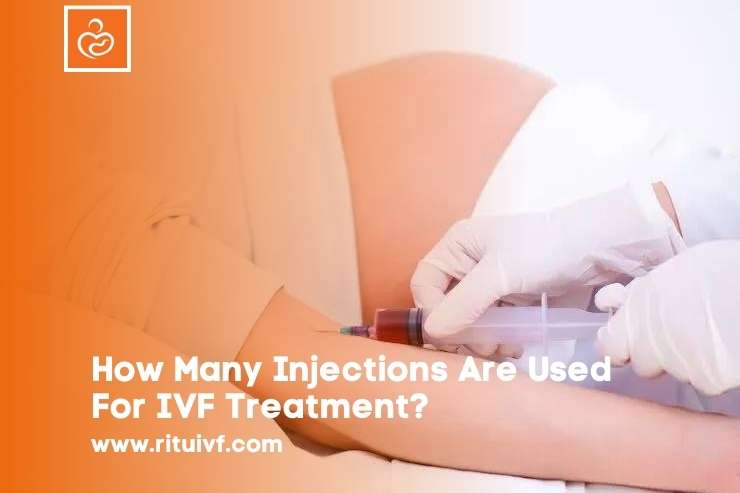
    How Many Injections Are Used For IVF Treatment?

    IVF or in-vitro fertilization is a medical process where an egg is fertilized by a sperm in a sterile condition in a test tube. It is the nexus for a lot of procedures that people avail mostly for fertility and conception. In Assisted Reproductive Technology (ART), IVF is the most efficient treatment. IVF treatment includes using the egg, sperm, or embryo transfer from a donor, and under the guidance of a specialist, the medical procedure is carried out. Women who are facing fertility issues mostly go for this treatment as it is safe and effective in most cases.

    The number of injections required for this medical procedure. Though the procedure might seem quite complicated, the science behind it is advanced and people all over the world are benefiting from the treatment. However, this kind of treatment must be done after proper consultation with a certified fertility specialist.

    Working and Effects of IVF Injections

    The injections used for IVF Treatment for pregnancy are injectable drugs that are used to stimulate the ovaries. Through these drugs, ovulation can be controlled and the fertility specialist can monitor the ultrasound, estradiol level, blood tests, and oocyte growth all through the ovulation period. As per the changes in the body, the dosage is controlled for a safe pregnancy term. IVF injections cause certain changes in the body as they are hormonal injections. An increase in weight and BMR is normal. However, if you are gaining weight rapidly, it is better to get a consultation.

    Similarly, there can be some behavioral changes like emotional outbursts or feeling distracted. These are some of the common effects of hormonal injections and are usually nothing to worry about. Another side effect is gastrointestinal issues like diarrhea or constipation that patients face. Though these effects may feel overwhelming, keeping a calm mind and periodically consulting a fertility clinic is important. Doing activities like yoga and meditation has also been observed to help one feel calm and centered.

    How Many Injections Are Required for IVF Treatment?

    The most commonly asked question is how many injections are needed for IVF treatment. The injectable drugs used in the IVF journey are either given subcutaneously or in the muscles. Depending on the treatment plan and IVF cycle specialized for the patient, the individual can receive up to 90 shots per cycle with 1-2 injection frequencies every day. The treatment cycle and the injection frequency used in IVF depend on a lot of factors and vary from person to person.

    These IVF medications contain gonadotropins. Gonadotropins include follicle-stimulating hormone or FSH and luteinizing hormone or LH that stimulate the ovaries to develop mature follicles that eventually give rise to eggs. Progesterone automatically gets produced in the body post-ovulation. In those cases where the level of progesterone is low or insufficient, supplements are given to make up the ratio. These supplements are provided usually around the time of egg retrieval or ovulation. These are continued until the pregnancy-produced progesterone maintains its optimum level.

    Best Time for IVF Injections

    IVF injections are used to stimulate ovaries for ovulation and ultimately help in pregnancy. IVF has been a constant topic of research and discussion in the medical field for quite several years. However, the most common question is whether is there any specific timeline for when this treatment should be started. Studies show that a specific timeline is not a factor when it comes to the IVF process. There is no significant change in delivery time or difference in hormonal aspect. Additionally, Vitamin D level changes for initial and baseline ratios were not seen. Moreover, gonadotropin production, the number of oocytes, or endometrial thickness also saw a negligible change. People who preferred injections for ivf in the morning saw a minor boost in certain levels than those who took them at night. Progesterone, oocyte number, and endometrial thickness mostly showed this spike rate.

    However, when clinical studies are performed, doctors take into account multiple factors. The combination of prescribed injections, menstrual cycle variation, and the time slot, when the injections are given every day, play an important role in this variation. Furthermore, maintaining a healthy lifestyle and avoiding vigorous exercise is enough to make sure that the multiple egg develops safely.

    Are IVF Injections Painful?

    IVF comes with certain challenges and injections may be the reason for some of them. For women who have lower pain tolerance, this can be a painful procedure with so many injections in such close frequency. Common side effects include headaches, gastrointestinal issues, abdominal pain, bloating, discomfort, changes in cervical mucus, and dizziness. Unless the patient is severely suffering from these, they can usually combat this with low medication doses or complete rest.

    Please note that the treatment works differently for different patients. Therefore, the symptoms are not common for all. Some may experience mild symptoms, and others may witness strong symptoms. Make sure to consult your doctor if the discomfort is unbearable.

    Conclusion

    Fertility treatments like the IVF process are a great opportunity to experience the beauty of parenthood for those struggling to become parents. It is important to take the treatment seriously once you’ve started it and supplement it with a healthy lifestyle. Make sure to go to the best IVF center with whom you are comfortable sharing your issues. Staying positive during the process is crucial for a smooth journey and IVF Success.

  • What to Avoid during IVF Treatment?

    What to Avoid during IVF Treatment?

    There are many fertility options available in the healthcare sector today. But when it comes to the highest possible success rate, IVF is the one to rely on. And this is why it has also gained immense popularity in recent years. However, women under 35 have known to have a better shot at this. With an increase in age, the chances that you will get a successful pregnancy get lesser. Therefore, when considering this mode, it is of utmost importance that you consider every factor involves, take precautions, and have the necessary information that can facilitate a better output.

    Whether it’s diet, exercise, medication, stress management, or more, it’s important to know what is healthy for you and what is not. In addition, you can avoid a few things during your IVF treatment so that you can increase your probability of a successful outcome while maintaining your health. If you are planning for IVF or have scheduled an IVF treatment, make sure you avoid these things for ensuring your health and high success rate. Here is what to avoid during IVF treatment:

    During IVF Treatment – What Not To Eat?

    Many pieces of research proved how diet can impact fertility and IVF success rates in a direct and indirect manner. Having a healthy and balanced diet is never a question, but a necessity whether it’s IVF or not. However, there are some foods that can indirectly impact health. So, you need to avoid this when undergoing IVF treatment.

    Here are some of them:

    Alcohol

    Excess of everything can lead to negative effects and alcohol can cause erratic ovulation. Regular consumption of alcohol, especially when you are planning IVF can affect the health of eggs, and cause fetus impairment. Alcohol should be avoided by both partners as it does not only affect the health of eggs, but also sperm production.

    Artificial Sweeteners or Refined Sugar

    Women who are going through their IVF treatment must avoid having refined sugar and artificial sweeteners. Due to the faster breakdown of sugar in your blood, refined sugar can cause insulin resistance that affects the fertility rate. Similarly, artificial sweeteners might contain chemicals that can affect your fertility. Therefore, if you are having artificial sweeteners, consult your gynecologist.

    High Mercury Foods- Aquatic Animals

    Aquatic animals like fish, prawns, etc are rich in mercury. It does not only cause birth defects but if stored in the body can cause low sperm count. In addition, half-cooked seafood like prawns, and fish, can result in infections. Therefore, it is advised that couples who are trying for pregnancy or IVF treatment must avoid high-mercury foods. However, there are some fishes that are rich in good nutrients that you can try.

    Cigarettes

    Cigarettes are extremely harmful and can have adverse effects on sperm count. Couples who are trying to conceive must avoid smoking cigarettes.

    Raw Eggs

    If you have a habit of eating raw eggs or half-cooked eggs, stop. To conceive or during the IVF cycle, it’s important to avoid raw eggs. Raw eggs have salmonella which can result in food poisoning. In addition, it’s important to avoid foods that might contain raw eggs such as caesar salad.

    Cheese and Caffeine

    During your IVF treatment, it’s important to limit your caffeine, tea, and cheese intake. You can take a cup of coffee or tea a day and cheese products. However, if you are addicted to more than 1 cup and regularly take cheese products, share this concern with your doctor to avoid any issues.

    Processed Meats

    Meats like hotdogs, salami, etc should be avoided as they have higher hormonal residue that can impact sperm count and quality.

    Medications To Avoid During IVF Treatment

    During IVF treatment there are chemicals that might have a negative impact on your IVF process and health. Therefore, it becomes crucial to convey your medication details beforehand. If you have been taking or have taken any medications it’s important to share them with your gynecologist. In addition, if during the process you are facing an issue, even if it’s minor, do not take medications without consultation. Here are a few medications that you should avoid such as:

    • Allergy pills
    • OTC- over-the-counter supplements
    • Advil
    • Any previous prescriptions
    • Thyroid medications
    • Skin products with estrogen
    • Medications for anxiety

    These medications can cause hormonal imbalance, reduce the effect of IVF treatment, and can impact fertility.

    Chemicals to Avoid During IVF Treatment

    There are some chemicals that might cause a hindrance during IVF treatment. Therefore, it’s critical to ensure you avoid them. Here are some of the chemicals that you need to avoid:

    • Dioxins- Found in art clay, meats, and dairy.
    • Brominated Flame Retardants- Found in furniture, clothing, electronics, and yoga mats.

    Similarly, there are chemicals like BPA and other phenols. In today’s hectic and modern lifestyle, it is difficult to avoid these chemicals, but you can take precautions as much as possible.

    What You Can Do During IVF Treatment

    During your IVF, the above-mentioned things are what to avoid during IVF treatment. However, there are a few things that can help you in IVF treatment:

    Healthy diet as recommended by your doctor: To avoid any confusion, ask your doctor for a diet chart. Follow a healthy diet every day as per your doctor’s recommendations to help you. Incorporate certain food items and habits in your diet such as:

    • Drink required water
    • Whole grains
    • Avocado
    • Sweet potatoes
    • Dried fruits
    • Leafy green vegetables
    • Pomegranate
    • Citrus fruits

    Exercise: During your IVF treatment, you can opt for light exercise to keep up your physical activity. However, avoid heavy workouts during IVF cycles. You can go for light jogging, yoga, etc.

    Supplements: You can consult your doctor about your queries and ask for additional supplements that will help you. Rather than taking any random supplement, make sure you consult your gynecologist.

    In Conclusion

    We have provided all the tips you need to undergo IVF treatment. Ensure that you keep on some limitations, to get a success rate. IVF treatment experience can be complicated, but it will be comfortable and easy once you understand how it can be processed. You will be needing a lot of planning and preparation, but by simply going through our list of tips, you will be an expert in it. And to understand more about IVF and things to avoid during the treatment, contact the best IVF doctor. Get a consultation before you undergo IVF treatment. It will boost your confidence and most importantly, you will be prepared entirely for the process.

  • Navigating IVF: A Step-by-Step Guide to the Treatment Process

    Navigating IVF: A Step-by-Step Guide to the Treatment Process

    In Vitro Fertilization (IVF) is a form of Assisted Reproductive Technology (ART) that involves fertilizing an egg outside of the body and then transferring the resulting embryo back into the uterus.  IVF is used in situations when other fertility treatments have failed or when a woman has blocked or damaged fallopian tubes. It is a complex process that is typically recommended for couples who have been trying for a baby for a while without success. IVF techniques are also used for those who have been diagnosed with infertility complications, such as blocked fallopian tubes, endometriosis, or male factor infertility.

    The basic IVF treatments involve stimulating the ovaries to produce multiple eggs, retrieving the eggs fertilizing them with sperm in a laboratory, and then transferring the resulting embryos back into the uterus. The process typically takes several weeks and is closely monitored by a fertility specialist.

    The study says that in 2017, over 1.7 million IVF cycles were performed in all countries. The success rate for IVF treatment is approximately 40 percent. In the United States, over 200,000 IVF cycles were performed in 2017.

    What Is IVF Treatment: Understanding the Process

    Ovary Stimulation:

    The first step in the process of IVF treatment is to stimulate the ovaries to produce multiple eggs. This is typically done using fertility medicines such as gonadotropins, which are given by injection. The goal of ovary stimulation is to produce multiple eggs so that there is a greater chance of achieving a pregnancy by women. The stimulation process is closely monitored using ultrasounds and blood tests to track the growth of the eggs and to adjust the dosage of the fertility drugs as needed.

    Egg Retrieval:

    Once the eggs have grown to a suitable size, they are retrieved using a procedure called transvaginal ultrasound aspiration. This procedure is done under sedation and is relatively painless. The eggs are retrieved using a thin needle that is inserted through the vagina and guided by ultrasound. The eggs are then collected and immediately taken to the lab.

    Fertilization:

    In the laboratory, the eggs are fertilized with sperm from men or sperm donors. This can be done in two ways: traditional insemination, in which the sperm are mixed with the eggs in a dish and allowed to fertilize naturally, or Intracytoplasmic Sperm Injection (ICSI), in which the egg is the target of a single sperm injection. The fertilized eggs are then grown in the laboratory for 3-5 days.

    Embryo Development:

    The fertilized eggs are monitored closely in the laboratory and are checked for signs of normal growth and development. On day 3 or 5, the best-looking embryos are chosen for embryo transfers. These are called cleavage-stage embryos. If the clinic has the ability and the patient agrees, some clinics will perform a blastocyst transfer instead of a traditional transfer, which is when the transfer is done on day 5 or 6, when the embryo has developed into a blastocyst.

    Embryo Selection:

    The decision of which embryos to transfer is based on the quality and appearance of the embryos as well as the patient’s wishes and the specialist’s recommendations. The number of embryos that will be transferred can vary depending on factors such as the patient’s age and the number of eggs retrieved. The goal is to achieve the best possible pregnancy outcome while minimizing the risk of multiple pregnancy rates.

    What Is IVF Pregnancy: Preparing For IVF

    Evaluation and Testing:

    Before starting the IVF process, couples will typically undergo a series of tests to evaluate their fertility. These may include blood tests to check hormone levels, such as follicle-stimulating hormone (FSH), luteinizing hormone (LH), and estrogen. Ultrasound exams are also done to check the ovaries and uterus, and semen analysis is performed for the male partner. These tests are done to check for any underlying fertility issues and to determine the best course of infertility treatment.

    Choosing a Fertility Clinic and Specialist:

    Once the couple is ready to move forward with IVF, they will need to choose a fertility clinic and doctor. It’s important to research different clinics and specialists and ask for recommendations from friends or healthcare providers. Patients should look for a clinic that has a good success rate, a high level of parents satisfaction, and a team of experienced specialists.

    Financial Considerations: IVF Treatment Process

    This can be expensive, and the cost can vary depending on the clinic and the patient’s specific circumstances. The cost of IVF can include medications, laboratory fees, and the cost of the procedure itself. It’s important to understand the costs associated with the treatment and to check with the insurance company to see what is covered. Some insurance companies may cover part of the cost of IVF, while others may not cover it at all. Patients can also check if the clinic offers financing options or discounts for multiple cycles.

    Emotional and Psychological Preparation

    IVF can be an emotionally and psychologically demanding process for couples. It’s important for them to have a support system in place, whether it be family, friends, or a therapist. Many clinics also offer support groups for patients going through IVF. People should also prepare themselves for the possibility of not getting pregnant after the first cycle and be ready for the emotional toll it may take.

    The Embryo Transfer

    The embryo transfer is typically done 3-5 days after egg retrieval. The procedure is done on an outpatient basis and usually takes just a few minutes. The patient will be asked to lie down and a speculum is inserted into the vagina to visualize the cervix. Then a thin catheter is inserted through the cervix and guided by ultrasound until it reaches the uterus.

    The embryos are then gently deposited into the uterus through the catheter. The number of embryos transferred can vary depending on the patient’s age, the quality of the embryos, and the clinic’s recommendations. The goal is to achieve the best possible pregnancy outcome while minimizing the risk of multiple pregnancies.

    After the transfer, the woman will typically need to rest for a few days and will be prescribed progesterone to help support the pregnancy. Progesterone is a hormone that helps to prepare the lining of the uterus for implantation and maintain a pregnancy.

    The risks associated with embryo transfer are minimal, but like any medical procedure, there is a small risk of infection or bleeding. There is also a risk of ectopic pregnancy, which is a serious complication where the embryo implants outside the uterus. However, this is rare and can be detected early by monitoring the patient’s hormone levels and performing an ultrasound.

    IVF success rates vary depending on many factors, such as the patient’s age, the cause of infertility, and the number of embryos transferred. However, the general success rate of IVF is around 30% per cycle. The success rate can be higher for younger patients and those with fewer fertility issues. It’s important for patients to understand that IVF is not always successful and that multiple cycles may be necessary.

    After the Procedure

    Follow-up Care and Monitoring:

    After the embryo transfer, the patient will need to come back for follow-up appointments to check hormone levels and to see if the pregnancy is progressing. The patient will have blood tests to check for the pregnancy hormone, human chorionic gonadotropin (hCG), and ultrasound scans to check for the presence of a gestational sac. If the pregnancy test is positive, an ultrasound will be done to confirm the pregnancy and check for the number of gestational sacs and the location of the pregnancy.

    Emotional and Psychological Support:

    IVF can be a stressful and emotional process, and it’s important for patients to have a support system in place. Many patients experience a range of symptoms, such as hope, anxiety, and disappointment, pain, during the IVF process. Patients should have someone to talk to, whether it be a partner, family member, friend, or therapist.

    Next Steps and Potential Additional Treatments:

    If the embryo transfer is successful and the pregnancy is progressing, the patient will continue to be monitored throughout the first trimester. If the embryo transfer is not successful, the patient will need to consider whether they want to try another cycle of IVF or if they want to consider other options such as using a sperm or egg donor, adoption, or surrogacy. In some cases, the couple may also consider using intracytoplasmic sperm injection (ICSI) or preimplantation genetic testing (PGT) to improve their chances of success.

    It’s important for patients to understand that IVF may not be successful the first time and that it can take multiple cycles to achieve a pregnancy. Patients should have realistic expectations and be prepared for the emotional and financial toll that multiple cycles may take. With the right preparation, support, and guidance, many couples are able to achieve their dreams of starting a family through IVF.

    In Conclusion

    In this article, you read about what is ivf. The process of IVF treatment can be compared to a challenging hike, with each step requiring careful planning and execution in order to reach the ultimate destination of starting a family. From ovary stimulation to embryo transfer, each stage is a crucial part of the hike that must be navigated with precision and care. But like any hike, it requires a great deal of preparation and effort. Choosing the best IVF hospital and specialist, understanding the costs and insurance coverage, and emotional and psychological support are all essential components that will help make the hike a success.

    Frequently Asked Questions

    1. What is in vitro fertilization (IVF)?

    In vitro fertilization (IVF) is a fertility treatment that involves retrieving eggs from a woman’s ovaries and fertilizing them with sperm in a laboratory.

    2.  What are the success rates of IVF?

    The success rate of IVF depends on a variety of factors, including the age of the woman, the cause of infertility, sperm quality,  previous miscarriage history, and the quality of the embryo.

    3. What are the chances of twins or triplets babies with IVF treatment?

    The chances of having multiple births with IVF treatment depend on a variety of factors, including the woman’s age, the number of embryos transferred, and the method of IVF treatment used.

    4. How much does IVF cost?

    The cost of IVF can vary significantly from one clinic to another and from one country to another. Choosing the right doctors and treatment options is important.

    5. What are the side effects of IVF treatment?

    The common side effects are physical disorder like headaches, nausea, discomfort, etc.