The earliest signs of pregnancy can appear a few days before a missed period. The most common early symptoms are a missed period, fatigue, tender or swollen breasts, mild nausea, light spotting, frequent urination, and mild cramping. These are triggered by rising hCG and progesterone after the fertilized egg implants in the uterus. Because these signs closely mimic PMS, a pregnancy test is the only reliable way to confirm.
Many women want to know if their body is giving early hints before they even take a test. In the first few weeks after conception, hormonal changes can produce subtle but real symptoms. Knowing what these are, when they usually start, and how they differ from a normal period can help you test at the right time and seek care when needed.
This detailed guide explains the early symptoms of pregnancy step by step. You will learn how pregnancy begins, what happens in the first week, a week-by-week and day-by-day symptom timeline, how these signs compare with PMS, and exactly when to test and see a doctor.

Ready to take the next step toward parenthood
How Pregnancy Happens: From Conception to Implantation
Understanding when symptoms start is easier once you know the sequence of events after conception.
Each month, an egg is released during ovulation, usually around the middle of your cycle. If sperm fertilizes that egg in the fallopian tube, a single cell called a zygote forms. This is the moment of conception.
Over the next several days, this cell divides rapidly as it travels toward the uterus. By roughly 6 to 12 days after ovulation, it attaches to the uterine lining in a process called implantation.
Implantation is the trigger for early pregnancy symptoms. Once the embryo attaches, the developing placenta begins producing human chorionic gonadotropin (hCG), the hormone that home pregnancy tests detect. Rising hCG and progesterone are responsible for nearly all of the early signs you may feel.
This is why symptoms rarely appear in the first days after sex. There is simply not enough hormone in your system yet. Most women who notice early symptoms do so around the time hCG starts climbing, which is close to when a period would be due.
Need an Appointment?
CLICK HEREWhat Are the Early Signs of Pregnancy?
The most common early signs of pregnancy include:
- Missed period, the most obvious and reliable early sign
- Fatigue and unusual tiredness
- Tender, swollen, or sore breasts
- Nausea, with or without vomiting (morning sickness)
- Light spotting, known as implantation bleeding
- Mild cramping in the lower abdomen
- Frequent urination
- Food cravings or aversions and a heightened sense of smell
- Bloating and constipation
- Mood swings
- Increased vaginal discharge
- A raised basal body temperature
- A metallic taste in the mouth
- Dizziness or lightheadedness
- Headaches, lower back ache, or nasal congestion
Not every woman experiences all of these. Some notice several symptoms early, while others feel almost nothing and only suspect pregnancy after a missed period. Both are completely normal.
The important thing to remember is that these are signs, not proof. Every symptom on this list can also occur without pregnancy. Only a test can confirm.
When Do Pregnancy Symptoms Start?
Early pregnancy symptoms usually begin 1 to 2 weeks after conception, often around the time of a missed period. The exact timing depends on when the fertilized egg implants and how quickly your hCG levels rise.
Here is a simple timeline of what happens in the earliest weeks.
| Time after ovulation | What is happening in the body | Symptoms you might notice |
|---|---|---|
| Days 1 to 5 | Fertilization and early cell division | Usually none |
| Days 6 to 12 | Implantation in the uterine lining begins | Light spotting, mild cramping, early fatigue |
| Days 10 to 14 | hCG starts rising after implantation | Sore breasts, tiredness, mild nausea, frequent urination |
| Around the missed period | hCG is usually high enough to detect | Missed period, stronger nausea, food aversions, mood changes |
At Ritu IVF, Dr. Ritu Agarwal notes that a missed period remains the most common reason women decide to test, but subtle signs can appear before that point. For the clearest confirmation this early, a beta hCG blood test is more reliable than symptoms alone.
First Week Pregnancy Symptoms (Week 1): What They Really Mean
There is an important detail most articles skip. In medical dating, week 1 of pregnancy is counted from the first day of your last menstrual period, which is before conception even happens. So by clinical dating, being “1 week pregnant” means you are actually still menstruating and not yet pregnant.
When most people search for 1 week pregnancy symptoms, they usually mean one of two things:
- One week after conception, when hCG is still very low and symptoms are subtle or absent.
- The week before a missed period, when early hints like fatigue and sore breasts can appear.
In this early window, the most commonly reported first-week symptoms are:
- Fatigue, often the very first thing women notice, caused by a rapid rise in progesterone
- A pulling, tugging, or mild cramping feeling in the lower abdomen around implantation
- Light pink or brown spotting that is much lighter than a period
- Breast tenderness or tingling
- A slightly raised basal body temperature that stays high past its usual pattern
It is entirely normal to feel nothing during this first week and still have a healthy pregnancy. hCG levels are often too low for a home test to detect this early, which is why testing too soon can give a false negative.
Need an Appointment?
CLICK HEREEarly Pregnancy Symptoms Week by Week
To make the timeline clearer, here is how symptoms typically unfold using standard pregnancy dating, which counts from the first day of your last period.
Weeks 1 and 2: Your Body Prepares
At this stage you are not yet pregnant. Your body is finishing your period and preparing to release an egg. Ovulation happens at the end of week 2 for a typical cycle. There are no pregnancy symptoms yet because conception has not occurred.
Week 3: Conception and Implantation
Fertilization usually happens now, followed by the egg traveling to the uterus and beginning to implant. Some women notice the earliest hints during this week, such as light implantation spotting, mild cramps, or the first signs of fatigue. Many feel nothing at all.
Week 4: The Missed Period Arrives
This is when most women realize something is different. hCG has usually risen enough for a home test to work, and your period is now due or late. Common symptoms include a missed period, tender breasts, tiredness, frequent urination, and mild nausea.
Week 5: Symptoms Become Clearer
Hormone levels climb quickly. Nausea may become more noticeable, fatigue deepens, and you might experience mood swings, food aversions, and a heightened sense of smell. Breast changes such as darkening areolas can begin.
Week 6: Morning Sickness Often Sets In
For many women, morning sickness becomes more pronounced around now. Fatigue, frequent urination, bloating, and emotional ups and downs are common. Symptoms vary widely, and a lighter experience is not a cause for worry on its own.
Remember that this is a general pattern. Some women feel strong symptoms early, while others sail through the first trimester with very little.
Pregnancy Symptoms by Days Past Ovulation (DPO)
If you are actively trying to conceive, you may track your cycle by days past ovulation, or DPO. This is a common way TTC couples watch for early signs during the two week wait.
| Days past ovulation | What may be happening | Possible symptoms |
|---|---|---|
| 1 to 5 DPO | Fertilization and cell division | Usually none |
| 6 to 8 DPO | Implantation may begin | Light spotting, mild cramps, fatigue |
| 9 to 11 DPO | hCG begins to rise | Sore breasts, tiredness, mild nausea |
| 12 to 14 DPO | hCG rises further, period is due | Stronger symptoms, missed period, positive test possible |
A key point for anyone tracking DPO: symptoms in the two week wait are notoriously unreliable because rising progesterone after ovulation causes very similar sensations whether or not you are pregnant. This is why the wait feels so uncertain, and why a well timed test matters more than symptom watching.
Early Pregnancy Symptoms Explained One by One
Missed Period
A missed period is the most common and recognizable sign of pregnancy. After implantation, hCG signals the ovaries to stop releasing eggs, so menstruation pauses. You will usually miss your period about 4 weeks after conception, which is around 2 weeks after ovulation.
A missed period is not always caused by pregnancy. Stress, sudden weight change, thyroid issues, PCOS, excessive exercise, and stopping birth control can also delay a period. If your cycle is irregular, a missed period is harder to interpret, so testing becomes especially useful.
Fatigue and Tiredness
Fatigue is often the earliest symptom and can begin roughly a week after conception. Rising progesterone has a sedating effect, and your body is using extra energy to build the placenta and increase blood supply. Many women describe feeling drained even after a full night of sleep.
This kind of tiredness can feel heavier than ordinary fatigue. Rest when you can, stay hydrated, and eat balanced meals to support your energy.
Tender and Swollen Breasts
Hormonal changes can make your breasts feel sore, heavy, tingly, or swollen, sometimes within one to two weeks of conception. You may also notice the areolas darkening or your bra feeling tighter. These changes usually ease as your body adjusts to the new hormone levels.
Breast tenderness in pregnancy tends to continue and sometimes intensify, whereas PMS-related soreness usually fades once your period starts.
Nausea and Morning Sickness
Nausea, often called morning sickness, affects an estimated 70% to 80% of pregnant women. It usually begins around week 4 to week 6, though some women feel queasy as early as two weeks after conception. Despite the name, it can strike at any time of day.
Early nausea may show up as mild queasiness, food aversions, or actual vomiting. Eating small frequent meals, staying hydrated, and keeping plain snacks nearby can help. If you cannot keep fluids down, contact your doctor, as severe vomiting needs medical attention.
Implantation Bleeding (Light Spotting)
Implantation bleeding is light spotting that can occur when the fertilized egg attaches to the uterine lining, typically 6 to 12 days after conception. It happens in an estimated 15% to 25% of pregnancies, so its absence does not mean you are not pregnant.
How to tell it apart from a period:
- Color: usually light pink or brown rather than bright red
- Flow: very light, never building into a full flow
- Duration: a few hours to a couple of days
- Cramping: milder than typical period cramps
Heavy bleeding is not implantation bleeding and should be checked by a doctor.
Frequent Urination
You may need to urinate more often, sometimes within two weeks of conception. Rising hCG and increased blood volume make your kidneys process more fluid, which fills the bladder faster. This can also mean waking at night to use the bathroom. Do not cut back on water, since staying hydrated is important.
Mild Cramping
Some women feel mild uterine cramping or a pulling sensation in the lower abdomen in early pregnancy. This is usually gentle and brief. Severe, sharp, or one-sided pain is not typical and should be evaluated promptly, as it can signal a problem.
Food Cravings, Aversions, and Smell Sensitivity
Hormonal shifts can change your sense of taste and smell. You might suddenly crave certain foods, feel repelled by others, or find that everyday smells like coffee or cooking become overwhelming. These changes are common and can appear in the first few weeks.
Metallic Taste in the Mouth
Some women notice a metallic taste, a symptom known as dysgeusia. It is linked to hormonal changes, especially rising estrogen, and often fades as pregnancy progresses. Sipping water, chewing sugar free gum, or eating citrus can help mask it.
Bloating, Constipation, and Increased Discharge
Progesterone relaxes the smooth muscle of the digestive tract, which can cause bloating and constipation. Rising estrogen can also increase vaginal discharge, which is typically thin, milky white, and odorless. Discharge that is itchy, foul smelling, or unusual in color should be checked, as it may indicate an infection.
Raised Basal Body Temperature
Your basal body temperature (BBT) rises slightly after ovulation. If it stays elevated for more than about two weeks past ovulation, it can be an early hint of pregnancy. Women who chart their cycles are more likely to notice this pattern.
Dizziness, Lightheadedness, and Feeling Warm
Early pregnancy changes your circulation. Blood vessels widen and blood pressure can dip slightly, leading to dizziness or lightheadedness, especially when standing up quickly. Some women also feel unusually warm. Rise slowly, eat regularly, and stay hydrated to reduce these episodes.
Mood Swings, Headaches, and Back Ache
Rapid hormone changes can trigger mood swings, headaches, nasal congestion, and lower back ache, especially in the first trimester. Increased blood flow is a common reason behind congestion and sinus headaches. These symptoms are usually mild and manageable with rest.
Need an Appointment?
CLICK HEREEarly Pregnancy Symptoms vs PMS vs Period
Many early pregnancy signs overlap with premenstrual syndrome (PMS), which makes them easy to confuse. This comparison highlights the key differences.
| Sign | PMS | Early Pregnancy |
|---|---|---|
| Bleeding | Regular period flow, bright red | Light pink or brown spotting, if any |
| Breast changes | Soreness that eases when period starts | Soreness that continues and may intensify |
| Nausea | Uncommon | Common, may start before a missed period |
| Food aversions | Rare | Common, often with smell sensitivity |
| Fatigue | Mild, improves once period begins | Can be intense and persistent |
| Cramping | Typically stronger, in sync with period | Usually milder, around implantation |
| Missed period | Period arrives | Period does not arrive |
The honest reality is that no single symptom can confirm pregnancy. A systematic review of early pregnancy signs found that symptoms alone are unreliable for predicting pregnancy status. Only a pregnancy test gives a clear answer.
Can You Be Pregnant With No Symptoms?
Yes. Some women have no noticeable early symptoms and only find out through a missed period or a positive test. Every body responds differently to pregnancy hormones, and a lack of symptoms does not mean anything is wrong.
In rare cases, a woman may not realize she is pregnant for weeks or longer, especially with irregular cycles. This is why any possibility of pregnancy is worth confirming with a test rather than relying on how you feel.
Can You Have Symptoms and Not Be Pregnant?
Also yes. Many conditions can produce pregnancy-like symptoms, including PMS, thyroid imbalance, PCOS, stress, certain medications, and even a stomach illness. Fatigue, sore breasts, nausea, and a late period all have multiple possible causes.
This overlap is exactly why symptom watching alone leads to anxiety and false hope. A test cuts through the uncertainty.
What Affects When You Notice Symptoms
Not everyone experiences early pregnancy the same way. Several factors influence how soon and how strongly you notice signs.
- First pregnancy versus later ones: Women who have been pregnant before often recognize symptoms earlier, while first-time mothers may dismiss changes as stress or PMS.
- Cycle regularity: Women with regular cycles spot changes more easily. Those with irregular periods may struggle to tell whether a period is truly late.
- Underlying conditions: PCOS, thyroid disorders, and hormonal imbalances can produce or mask symptoms and make timing harder to judge.
- Individual hormone sensitivity: Some women are simply more sensitive to hormonal shifts than others.
If you have irregular cycles or a known hormonal condition, a doctor can help you interpret symptoms and choose the best time to test.
When and How to Take a Pregnancy Test
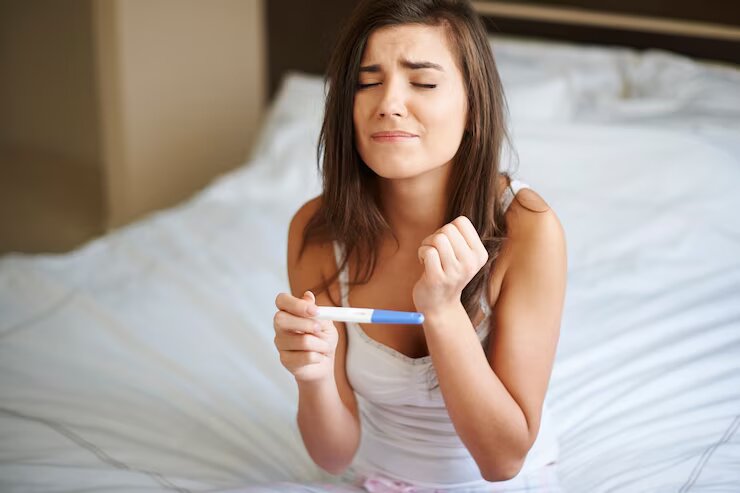
A home pregnancy test works by detecting hCG in your urine. For the most reliable result, the best time to test is on or after the day of your missed period, and ideally about one week after for higher accuracy.
Key points to remember:
- Sensitive early tests can detect pregnancy a few days before a missed period, but accuracy is lower.
- Testing too early can produce a false negative because hCG has not risen enough yet.
- First morning urine is more concentrated and improves accuracy.
- Blood tests done at a clinic can detect pregnancy earlier than urine tests and can measure the exact hCG level.
If you get a positive result, book an appointment with a doctor to confirm and begin early prenatal care. A false positive is uncommon but can occur with certain medications or medical conditions, which a clinic test can clarify.
Ready to take the next step toward parenthood
Early Pregnancy Symptoms When Trying to Conceive or After IVF
For couples actively trying to conceive, reading early symptoms is especially tricky. This is common for women with irregular cycles or PCOS, and for those going through fertility treatment.
If you are on progesterone support, which is standard after many fertility procedures including IVF, you may feel sore breasts, bloating, fatigue, and mild nausea whether or not implantation has occurred. These medications intentionally mimic early pregnancy hormones, which makes symptoms an unreliable guide.
In these situations, a beta hCG blood test and an early ultrasound give the clearest answers. This is why fertility clinics schedule a specific test date rather than relying on how you feel. If you are in a treatment cycle, follow your clinic’s testing schedule instead of testing early at home, which can cause confusion and distress.
What to Do After a Positive Test
A positive home test is a strong indicator, but the next steps protect your health and your baby’s.
- Confirm with your doctor, who may repeat the test or order a blood test and ultrasound.
- Start or continue a prenatal vitamin with folic acid, in line with guidance from bodies such as ACOG, to support healthy early development.
- Review your medications with a doctor, since some are not safe in pregnancy.
- Avoid alcohol, smoking, and recreational drugs.
- Book early prenatal care, because earlier care is linked to healthier outcomes.
The sooner your pregnancy is confirmed and monitored, the sooner you can take steps that matter most in the first trimester.
Myths vs Facts About Early Pregnancy Symptoms
Myth: You can feel pregnant the day after conception. Fact: Symptoms come from rising hCG, which only starts after implantation, usually 6 to 12 days after ovulation. It is too early to feel pregnant the next day.
Myth: No morning sickness means an unhealthy pregnancy. Fact: Many women have little or no nausea and have perfectly healthy pregnancies. The absence of nausea is not a warning sign by itself.
Myth: Strong symptoms mean twins. Fact: Symptom intensity varies widely between individuals and does not reliably predict twins. Only an ultrasound can confirm.
Myth: A home test is always accurate on day one of a missed period. Fact: Accuracy improves in the days after a missed period. Testing very early can miss a real pregnancy.
Myth: Implantation bleeding happens to everyone. Fact: Only an estimated 15% to 25% of women notice implantation spotting. Not having it is normal.
When to See a Doctor
Most early pregnancy symptoms are mild and manageable. However, you should seek medical care promptly if you experience any of the following, as they can signal an ectopic pregnancy or another serious condition:
- Severe or one-sided abdominal pain
- Heavy bleeding or bleeding with clots
- Dizziness or fainting
- Fever with pelvic pain
- Severe or shoulder-tip pain
- Persistent, severe vomiting that prevents you from keeping fluids down
If your symptoms persist but tests remain negative, a doctor can check for other causes such as thyroid imbalance, PCOS, or irregular ovulation, and guide you on next steps.
Ready to take the next step toward parenthood
Trying to Conceive? Expert Guidance from Ritu IVF, Jaipur
If you are planning a family and want clear answers about symptoms, testing, and timing, expert guidance makes the journey less stressful.
At Ritu IVF in Jaipur, Dr. Ritu Agarwal helps couples with pregnancy confirmation, early monitoring, and personalized fertility care. With over 13 years of experience, a Fellowship in ART from IKDRC, and more than 18,000 couples treated, she offers evidence-based support for those trying to conceive. The clinic serves patients across Jaipur and Rajasthan.
Whether you are just starting to try, managing a condition like PCOS, or exploring fertility treatment, a consultation can help you understand your body and plan your next steps with confidence.
Frequently Asked Questions
What are the first signs of pregnancy?
The first signs of pregnancy often include a missed period, fatigue, tender breasts, mild nausea, light spotting, and frequent urination. These are caused by rising hCG and progesterone. Because they mimic PMS, a pregnancy test is needed to confirm.
What are the earliest pregnancy symptoms before a missed period?
Before a missed period, the earliest symptoms can include fatigue, breast tenderness, mild cramping, light implantation spotting, and increased urination. They usually appear about 6 to 12 days after conception, though many women notice nothing this early.
Can you feel pregnancy symptoms in the first week?
Some women feel subtle symptoms like fatigue or breast tenderness in the first week after conception, but hCG is usually too low for a test to detect. Feeling no symptoms in the first week is also completely normal.
How many days after conception do symptoms start?
Symptoms most often begin around 6 to 14 days after conception, once implantation occurs and hCG levels start to rise. Stronger symptoms such as nausea typically appear closer to week 4 to week 6 of pregnancy.
What is the difference between PMS and early pregnancy symptoms?
PMS and early pregnancy share signs like sore breasts, fatigue, and mood changes. In pregnancy, breast soreness and fatigue tend to continue rather than ease with a period, nausea is more common, and any bleeding is usually light spotting instead of a full flow.
What does 1 week pregnant mean?
In medical dating, week 1 is counted from the first day of your last period, so you are not actually pregnant yet. Most people who search for 1 week pregnancy symptoms mean the week after conception or the week before a missed period.
When is the best time to take a pregnancy test?
The best time to take a home pregnancy test is on or after the day of your missed period, and ideally about one week later for higher accuracy. Testing too early can give a false negative. First morning urine improves accuracy.
Can you be pregnant and have no symptoms?
Yes. Many women have few or no early symptoms and only find out through a missed period or a positive test. A lack of symptoms does not mean the pregnancy is unhealthy.
Is implantation bleeding a reliable sign of pregnancy?
Not on its own. Only an estimated 15% to 25% of women notice implantation spotting, and it can be confused with a light period. A positive test is far more reliable.
Can early pregnancy symptoms be confused with fertility medication side effects?
Yes. Progesterone support used after treatments like IVF can cause sore breasts, bloating, fatigue, and nausea. This is why a beta hCG blood test on your clinic’s scheduled date gives the clearest answer.
When should I see a doctor about early pregnancy symptoms?
See a doctor promptly if you have severe or one-sided abdominal pain, heavy bleeding, dizziness or fainting, fever with pelvic pain, or severe vomiting. These can signal an ectopic pregnancy or another condition that needs care.