Blog

  • Are IVF Babies Grows Normal?

    Are IVF Babies Grows Normal?

    There have been major advancements in many studies in medical science over the past several decades, and as a result, couples who are struggling with infertility now have more hope and alternatives available to infertility treatment than ever before. Many individuals have discovered that in vitro fertilization (IVF) is their salvation since it enables them to become the parents they have always desired to be. This realization has been a game-changer for some individuals. However, as the practice of in vitro fertilization (IVF) has grown increasingly common, several concerns and misunderstandings have developed around the IVF procedure. Some individuals are interested in knowing if IVF children are normal or differ from natural infants in any manner. In this article, we shall discuss the problem at hand like the risk of birth defects, and analyze the differences and similarities between children born through IVF and naturally conceived in the “normal” manner.

    Nevertheless, it is necessary to further dissect this matter in order to address the many elements of the issue as well as the myths that surround the difference between IVF babies and conceived babies

    Is IVF Baby Different than Normal

    The short and straightforward response is that are IVF babies normal, compared with children conceived through naturally successful pregnancy? Despite this, it is vital to further analyze this topic to address the several aspects of the problem as well as the misconceptions that surround the birth of children through in vitro fertilization.

    Are IVF Babies Healthier than Normal Babies?

    Babies born through natural conception are not guaranteed to be in better or worse health than those born via in vitro fertilization (IVF) conception. The health of an offspring is influenced by a multitude of factors, some of which include the mother’s way of life, her genetics, the prenatal care that she receives, and the environment in which they are raised. The use of in vitro fertilization (IVF) will not, on its own, place a kid at a higher risk of having any form of health concern. In vitro fertilization (IVF) treatment, in point of fact, typically involves severe screening procedures, which can lead to better pregnancies and, as a result, IVF babies’ normal and better health. This can be attributed to the fact that IVF is different and regularly involves screening methods.

    Born from IVF vs. Normal Babies

    There is no evidence to suggest that are IVF Babies normal, inherently more clever, or less intelligent than infants conceived through natural conception, according to research conducted in the scientific community. There is no correlation between a person’s mode of normal conception and their level of intellect since intelligence is a complex trait that is influenced by both genetics and the environment. In the same way as other parents, people who have their in vitro fertilization IVF babies born are frequently prepared to do a great deal of work to cultivate an environment that is uplifting and supportive for their progeny. Some are the myths related to cases of IVF babies v/s normal babies

    Are IVF Babies Smarter than Normal Babies

    It is not confirmed that babies born from IVF or smarter in each and in every way; they have the same opportunities to grow up to be healthy adults, realize their full potential, and live happy, successful lives as children who were test tube babies. They are the same as any other children in terms of their mental and physical attributes, birth weight the developmental milestones they reach, and the contributions they make to the larger community.

    Twins Born IVF Babies:

    The vast majority of twins born IVF babies are born as a result of the simultaneous transfer of two embryos into the uterus. These embryos might have developed from various eggs; thus, they are not the same as one another. Sometimes, a single embryo will divide into two, which can lead to the birth of twins that are genetically identical to each other. However, both of the twins who were born as a result of the IVF process are deemed to be in good health.

    Are IVF Babies Normal in Emotional, Mental, and Physical Well-Being as Compared to Normal Children?

    IVF may find that children born face unique challenges connected to their conception, such as feelings of being different or concerns about their roots. On the other hand, having parents who are honest with one another and who are supportive of their children as a means of helping to resolve these issues might be of great assistance. If they are given the appropriate amount of love and care, children created through in vitro fertilization typically exhibit the same degree of emotional and psychological health that other children do.

    FAQs Related to that are IVF Babies?

    Are there increased rates of birth abnormalities among IVF babies?

    According to the findings of the study, IVF Babies have a modestly increased risk of certain birth defects. Despite this, the total risk is still quite low. This risk is determined by a wide range of factors, one of which is the mother’s age as well as her general state of health.

    IVF Pregnancy is more challenging than natural pregnancy?

    Pregnancies that are the product of in vitro fertilization are the focus of close monitoring, and medical experts routinely use additional precautions to ensure the baby’s well-being. Successful IVF pregnancies are not inherently more troublesome than regular delivery; nonetheless, with multiple pregnancies, there is always the risk that complications will arise.

    IVF Babies and Natural babies bond are different with their parents

    There is no bearing on the feeling of closeness that develops between a child and their parents on the subject of how the child was brought into the world. When it comes to the love and connection that exists between a parent and their child, then there is no difference between an IVF Child and a Natural Child

    Are IVF Babies healthy in childhood or have health issues later?

    Babies Conceived through IVF have the same potential for future health issues as children conceived naturally. Nevertheless, these difficulties are not inextricably connected to the manner in which they were conceived. The health of a kid is impacted by a variety of circumstances, and conception via IVF does not, on its own, put a baby at risk for developing long-term health issues.

    Success Rate of IVF

    The success rate of IVF operations might be challenging to assess. IVF works when physicians fertilize several eggs. IVF Cycle is more likely to succeed for women under 35. However, IVF success is somewhat lower for women over 40. The result of an IVF operation may also vary. IVF Success rates in India are 30–35%. IVF success rates might reach 80%, depending on the therapy. Main factors affecting IVF success:

    • Maternal Age
    • Type of infertility issues
    • Previous IVF failures and miscarriages
    • Type of procedure
    • Ovarian response

    The Last Word for IVF Babies

    There is no essential difference between babies born through IVF and millions of babies in any other method. They are, in every significant regard, children who are representative of the norm; they grow, learn, and flourish as normal as other children do. Even though there may have been particular challenges and ways of conception from normal surroundings, these are aspects that may be handled within the family with love, care, and open communication. The love and support that is not conditional that a child receives from their parents and any other primary caretakers is, in the end, what decides whether or not a child may be deemed “normal.”. Ritu is the best IVF Center with our skilled IVF specialists treating infertility with commitment. We also use cutting-edge IVF methods for different ways of conception. Walk into our IVF Centre for lifelong delight from the top IVF professionals.

  • How is IVF Success at First Attempt?

    How is IVF Success at First Attempt?

    You will be able to learn the ins and outs of How is IVF success in first attempt. Find out the solutions to some of the questions that are asked the most commonly regarding in vitro fertilization (IVF), and study the factors that affect the percentage of times that IVF is successful on the first try.

    Factors to Consider on IVF Success Rate in the First Attempt

    IVF, which stands for in vitro fertilization, has been a game-changer in the field of reproductive health in recent years. As a result, it has given many infertile couples the opportunity to be positive about their potential to establish a family. Those who are thinking about beginning the process of in vitro fertilization (IVF) are likely to ask one of the most common questions, which is “Is it possible to have IVF success on the first attempt?” In this article, we will explore the factors that contribute to successful in vitro fertilization on the first try, investigate the rate of successful in vitro fertilization on the first attempt, and offer answers to certain questions that are frequently asked.

    IVF Success Rate in the First Attempt and the Factors That Affect Them

    Many couples go into their first attempt at in vitro fertilization (IVF) with the expectation that they will be successful. Even though there is no way to know for sure, there are a number of things that can increase or decrease one’s chances of being successful, including the following:

    The Mature Years of the Female:

    When trying to predict whether or not in vitro fertilization (IVF) will be successful, the age of the mother is a key aspect to consider. The success rate of in vitro fertilization treatments conducted on younger women is often higher than that of procedures performed on older women. This is due to the fact that eggs generated by younger women are typically of higher quality and more likely to result in a healthy pregnancy.

    The Root Causes of Infertility:

    The fundamental cause of a woman’s inability to conceive a child is a factor that can influence how effective IVF therapy will be. If the root of the issue can be solved or fixed in a short amount of time, then the chances of being successful will be greatly boosted.

    The Standard of the Embryo:

    The quality of the embryos that are used in the process of in vitro fertilization is an essential component to take into consideration. A healthy pregnancy has a better possibility of occurring when the embryos used to create the baby are of a high grade and in good health.

    Experience Level:

    IVF clinic is yet another aspect that may affect a couple’s chances of having an in vitro fertilization cycle that is successful. RITU IVF has a track record of being successful often employing cutting-edge medical practices and has staff members who have received extensive training.

    A Healthy Lifestyle:

    Having a healthy lifestyle, which includes having a balanced diet, frequently exercising, and finding methods to manage stress, can have a positive influence on the efficacy of in vitro fertilization (IVF).

    The proportion of women who give birth to healthy children after undergoing IVF for the first time.

    It is possible that the IVF success rate first attempt might be rather vary depending on the specifics of each individual’s situation. On the first attempt, the success rate of in vitro fertilization is, on average, between 30 and 40 percent. This proportion, however, may look very different depending on the other criteria that were brought up earlier in the discussion.

    Common FAQs Regarding IVF Success Rates on the First Attempt:

    Is it normal for the first attempt at IVF to be successful in producing a healthy baby?

    It is possible to have successful in vitro fertilization (IVF) on the very first attempt, but this is not a guarantee. There are several factors that can affect the outcome of the procedure. The chance of success is dependent on a number of different factors, including the age of the patient, the primary cause of infertility, and the quality of the embryos that are used in the procedure.

    Does success in the first attempt imply that it will be more likely to be successful the next time it is tried?

    The answer is no, not always in every circumstance. Because each round of in vitro fertilization (IVF) is carried out independently, a good outcome in one cycle does not guarantee that the following rounds will likewise be fruitful. Nevertheless, a history of accomplishments may serve as a reliable indicator of future achievements.

    What kinds of things can I do to improve the success of IVF on the first attempt?

    If you want to increase your chances of having a successful in vitro fertilization procedure, you should live a healthy lifestyle, as recommended by your physician, and choose an IVF center that has a solid reputation.

    In the event that the first attempt at in vitro fertilization (IVF) is not successful, what further choices do I have?

    If the initial attempt at in vitro fertilization (IVF) does not result in a successful pregnancy, you and your medical team will be able to assess the treatment plan and make any necessary adjustments for subsequent IVF attempts.

    Conclusion:

    It is feasible for many couples to conceive with IVF success in the first attempt however, doing so is reliant on a number of conditions, some of which are beyond your control. While it is possible for many couples to conceive with IVF in the first attempt, doing so is contingent on a number of variables. If you maintain a healthy lifestyle, work closely with a knowledgeable medical team, and have a strong understanding of the technique, you can boost your chances of achieving your ambition of becoming a parent through in vitro fertilization (IVF). This will allow you to achieve your dream of being a parent. Keep in mind that determination and resolve are highly vital tools on the route to becoming a parent and that every unsuccessful attempt means a fresh chance to discover hope for the future.

  • Is IVF Treatment Painful?

    Is IVF Treatment Painful?

    Find out if the therapy for in vitro fertilization (IVF) causes discomfort, find out if Is IVF Treatment Painful, and get advice on how to reduce discomfort as much as possible. Learn about common questions and concerns, as well as natural treatments for IVF-related discomfort.

    IVF, which stands for in vitro fertilization, has provided untold numbers of couples who had previously been unable to conceive with fresh hope and joy in their efforts to create a family. However, a considerable percentage of individuals who are thinking about undergoing IVF ask themselves an essential question: Is the IVF treatment painful? In this essay, we will talk about the pain that is often experienced all throughout the IVF procedures, the several pain management options that are currently accessible, as well as some helpful advice for making the process as simple and stress-free as it possibly can be.

    How Painful is IVF Treatment?  

    In vitro fertilization (IVF) therapy consists of a set of medical treatments designed to help in conception. Although the level of discomfort varies from person to person, it is not typically defined as being highly unpleasant. To have a better grasp of this topic, let’s examine the many stages of IVF therapy and the varying degrees of how painful is IVF treatment related to each one.

    IVF Treatment Pain Level Compared

    Ovarian Stimulation: One of the initial steps in IVF involves stimulating the ovaries with hormonal medications to produce multiple eggs. This can lead to mild discomfort, with symptoms akin to premenstrual syndrome (PMS). Some women may experience bloating, tenderness, or cramping.

    Egg Retrieval: The egg retrieval procedure is a key step in IVF. While performed under sedation or anesthesia, some women report mild to moderate discomfort afterward, including abdominal soreness. However, this discomfort is usually manageable with over-the-counter pain relievers.

    Embryo Transfer: The embryo transfer itself is typically not painful. It’s a quick and relatively simple procedure, often compared to a Pap smear in terms of discomfort.

    IVF Aftercare and Pain Mitigation

    Rest: Following egg retrieval or embryo transfer, it’s essential to rest and avoid strenuous activities for a few days. This can help reduce any discomfort.

    Pain Medications: Your doctor may prescribe pain medications or recommend over-the-counter options like ibuprofen to manage any post-procedure discomfort.

    Hydration: Staying well-hydrated can help alleviate bloating and overall discomfort.

    Heat Therapy: Applying a heating pad to the lower abdomen can provide relief from cramping and soreness.

    While IVF itself isn’t excruciatingly painful, some individuals may experience side effects from the medications used during the treatment. These can include headaches, mood swings, and mild abdominal discomfort. It’s important to communicate any unusual or severe symptoms to your healthcare team for proper management.

     Natural Remedies for IVF Treatment Discomfort

    Acupuncture: Some individuals find relief from acupuncture sessions, which can help reduce stress and alleviate discomfort.

    Aromatherapy: Using soothing essential oils like lavender can promote relaxation during the IVF process.

    Yoga and Meditation: Mind-body practices can help manage stress and reduce physical discomfort.

    Medications to Reduce IVF Procedure Pain

    Medications that reduce the discomfort and suffering that patients feel during in vitro fertilization (IVF) procedures can make a significant contribution to an overall increase in the quality of the experience that they have. The following is a list of common medications that are utilized throughout various stages of the procedure of Medical Treatments for IVF Pain:

    Local Anesthetics: These numb specific bodily parts. IVF uses local anesthetics to numb the skin or inject the needle during egg retrieval. This reduces site pain.

    Over-the-counter painkillers like ibuprofen or paracetamol may be administered before or after the surgery to ease pain. Be sure to follow your doctor’s timing and dosage directions.

    IV Sedation: IV sedation may help you relax and lessen pain throughout the treatment. These medicines can make you sleepy, so you may not remember much of the process.

    Anti-pain medications are analgesics. If the surgery causes moderate to severe pain, your doctor may prescribe stronger painkillers.

    Anti-Anxiety Medications: Sometimes, anxiety can exacerbate pain perception. Anti-anxiety medicines may help you relax and cope with IVF.

    Tips for Minimizing IVF Treatment Pain

    Maintain an Open Line of Communication: Discuss your worries and pain with the members of your healthcare team. They are able to adapt your treatment strategy to your specific needs.

    Retain Your Knowledge: If you know what to anticipate at each stage of the in vitro fertilization process, it can help ease worry and minimize perceived discomfort

    Emotional Support: In order to better manage your stress and anxiety during the procedure, it is important to seek the emotional support of those who are close to you or through support groups.

    Frequently Asked Questions (FAQs)

    Is IVF More Painful than Natural Conception?

    IVF discomfort is typically on par with or slightly milder than the discomfort experienced during a natural menstrual cycle.

    Are there Any Long-term Pain-related Risks Associated with IVF?

    IVF is generally considered safe, with a low risk of long-term pain-related complications. However, consult with your doctor for personalized guidance.

    Can I Work or Resume Regular Activities after IVF Procedures?

    It’s advisable to take it easy and avoid strenuous activities for a few days after egg retrieval and embryo transfer to minimize discomfort.

    Can Stress or Worry Hurt IVF?

    Stress and worry increase pain perception. Stress management through relaxation, counseling, or support groups may help you cope with IVF treatment pain.

    Remember that everyone’s IVF experience is different, and your healthcare team is there to help.

    The Final Word

    The therapy IVF treatment is painful, although it is not often considered to be unpleasant. The process of in vitro fertilization (IVF) can be made less uncomfortable with the help of effective pain management strategies, honest communication with your fertility expert, and the encouragement of loved ones. It is important to keep in mind that the purpose of in vitro fertilization (IVF) is to provide individuals with the opportunity to experience the happiness that comes with becoming a parent.

  • What Are The 3 Different Types of IVF?

    IVF, which stands for in vitro fertilization, is a form of assisted reproductive technology that has fundamentally altered the ways in which infertile couples can realize their ambitions of starting a family. IVF techniques have changed throughout time, leading to the establishment of three primary types of IVF operations. This is due to the continual advancement of scientific knowledge. This article, which was provided to you by the professionals at Ritu IVF Centre, dives into the explanation of what are the 3 different types of IVF. We are highlighting their advantages and disadvantages, success rates, prices, potential safety issues, and the most recent developments in the area.

    Explanation of 3 IVF Methods Along with their Pros and Cons of the 3 IVF Types

     1. Natural Cycle IVF

    IVF Cycle:

    Overview:

    Natural cycle IVF is a more minimalistic and less medicated approach to traditional IVF. It closely mimics a woman’s natural menstrual cycle without the use of high doses of fertility medicines.

    Process:

    Monitoring: The patient’s natural menstrual cycle is closely monitored to identify the timing of ovulation.

    Egg Retrieval: A single mature egg, which is naturally selected by the body, is retrieved through a minimally invasive procedure.

    Fertilization: The retrieved egg is fertilized with sperm in the laboratory, and the resulting embryo is transferred to the uterus.

    Advantages:

    Reduced Medications: This method involves fewer fertility medicines, which may reduce the risk of certain side effects.

    Lower Costs: As fewer medications are used, it can be a more cost-effective option.

    Suitability: Natural cycle IVF is typically recommended for women who prefer a less invasive approach or those with specific medical conditions that contraindicate the use of fertility medications.

     2. Mild Stimulation IVF:

    Mild Stimulation IVF

    Image Source: https://www.alamy.com/

    Overview:

    Mild stimulation IVF, also known as mini-IVF or low-dose IVF, involves using lower doses of fertility medications compared to traditional IVF.

    Process:

    Medications: Mild ovarian stimulation medications are administered to encourage the growth of a few eggs, typically 3-5, as opposed to the larger number in traditional IVF.

    Egg Retrieval: The mature eggs are retrieved and fertilized in the laboratory.

    Embryo Transfer: One or two embryos are typically transferred to the uterus.

    Advantages:

    Reduced Medications: Lower doses of medications may lead to fewer side effects and a lower risk of ovarian hyperstimulation syndrome (OHSS).

    Cost-Effective: It can be more cost-effective than conventional IVF.

    Suitability: Mild stimulation IVF is often recommended for women who may not respond well to high doses of fertility medicines or who want to minimize the risk of side effects.

     3.  (IVM):

    In Vitro Maturation

    Overview:

    IVM is a technique that involves collecting immature eggs from a woman’s ovaries and allowing them to mature in the laboratory before fertilization.

    Process:

    Egg Collection: Unlike traditional IVF, where fully mature eggs are retrieved, IVM involves collecting immature eggs via a minimally invasive procedure.

    Maturation: In the laboratory, these immature eggs are cultured until they reach maturity.

    Fertilization and Transfer: Once mature, the eggs are fertilized with sperm and the resulting embryos are transferred to the uterus.

    Advantages:

    Reduced Medications: IVM requires fewer fertility medications since it harvests immature eggs.

    Lower Hormonal Impact: This technique may be suitable for women who wish to avoid the hormonal side effects associated with traditional IVF.

    Suitability:

    IVM is often considered for women with certain medical conditions or those at risk of OHSS. It can also be an option for cancer patients who need to preserve fertility before undergoing treatment.

    Analyzing the Relationship Between Costs and Success Rates

    Below is the clarification regarding the IVF Cost difference between the three IVF methods and different types of Success rates by IVF method type.

    1. The success rate of each type of in vitro fertilization (IVF) might differ from patient to patient depending on their specific circumstances and reproductive concerns. 
    2. ICSI is the treatment of choice when male infertility is the major issue, although conventional IVF is frequently the first choice because of the variety it offers.
    3. PGT has the potential to greatly enhance success rates by selecting healthy embryos.
    4. As a result, it is appropriate for couples that have a family history of genetic diseases.
    5. Owing to the additional laboratory treatments that are required, ICSI and PGT often have a higher price tag than traditional IVF owing to the fact that they are utilized.
    6. On the other hand, for couples struggling with certain reproductive issues, the expenditure can be well worth it.

    Recent Developments and Concerns Regarding Safety

    1. The area of in vitro fertilization (IVF) is quickly advancing, and there are continuous innovations being made that attempt to improve success rates and minimize hazards.
    2. The most recent technological advances, such as time-lapse imaging for the selection of embryos, artificial intelligence for the evaluation of embryos, and enhanced methods of cryopreservation, are some of the most recent breakthroughs that contribute to increased success rates.
    3. The use of hormones, the possibility of having multiple pregnancies, and the presence of genetic defects are the primary sources of worry over the procedure’s safety.
    4. These worries can be alleviated by maintaining open lines of communication, adhering to the measures that are prescribed, and conducting close monitoring by knowledgeable reproductive specialists.

    Nutritional Supplements for Optimal IVF Outcomes

    1.  In vitro fertilization (IVF) success in India rates have been shown to increase when patients take specific nutritional supplements and make other lifestyle changes.
    2. However, assurances cannot be made.
    3. Antioxidants like vitamin C and coenzyme Q10 can improve sperm quality, and minerals like folic acid and vitamin D are crucial for female fertility.
    4. However, it is crucial to consult a medical expert before commencing any supplement program.

    Suggestions for IVF in Particular Cases

    1. When deciding on the best course of action for in vitro fertilization, couples’ individual reproductive features are taken into account.
    2. Ritu IVF Centre advocates having a full consultation and fertility evaluation done in order to pick the optimal line of action.
    3. There are a number of factors to consider while making this call, including the patient’s age, current health, and response to previous therapies. 

    Conclusion

    Having access to a wide range of IVF processes gives hope and opportunities to couples who are having trouble conceiving a child. Because there are pros and downsides to each type of in vitro fertilization (IVF), it’s important to talk to fertility experts to figure out which one would work best for you. To assist couples in achieving the highest possible success rates while simultaneously emphasizing their safety and well-being, the Ritu IVF Center is at the forefront of these technological developments by providing them with customized treatment plans and cutting-edge technologies.


  • How IVF Pregnancy is Done?

    When it comes to faith and belief, for couples without children, IVF is no less than a miracle. Having a baby through in vitro fertilization is an effort of science, focus, and faith. Let’s go deep into the Process of How IVF Pregnancy is Done? from learning the fundamentals to being ready for it.

    Is In Vitro Fertilization (IVF) Pregnancy Possible?

    In vitro, fertilization, usually referred to as IVF, is a method used for having a child treatment that processes fertilization outside of the body. Fertilization is induced by mixing egg and sperm in a petri dish. After a few days of meticulous care, the developing embryo is implanted and grows in the uterus, resulting in a healthy pregnancy.

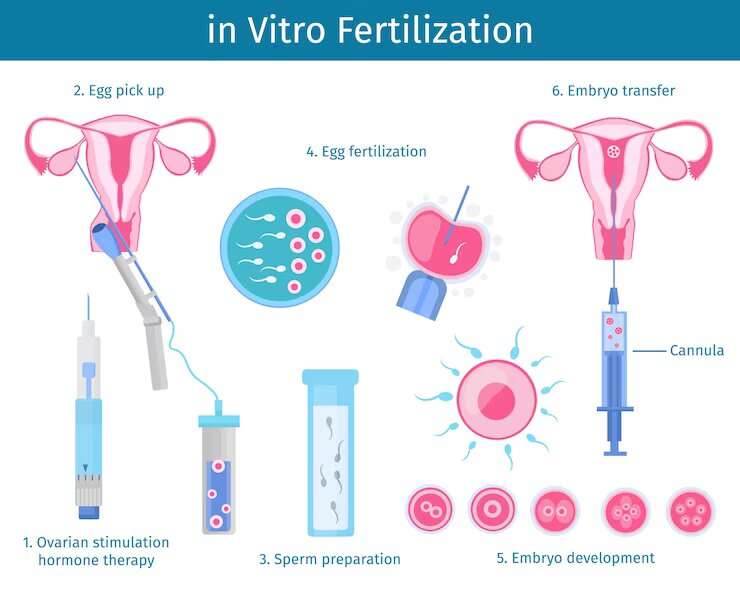
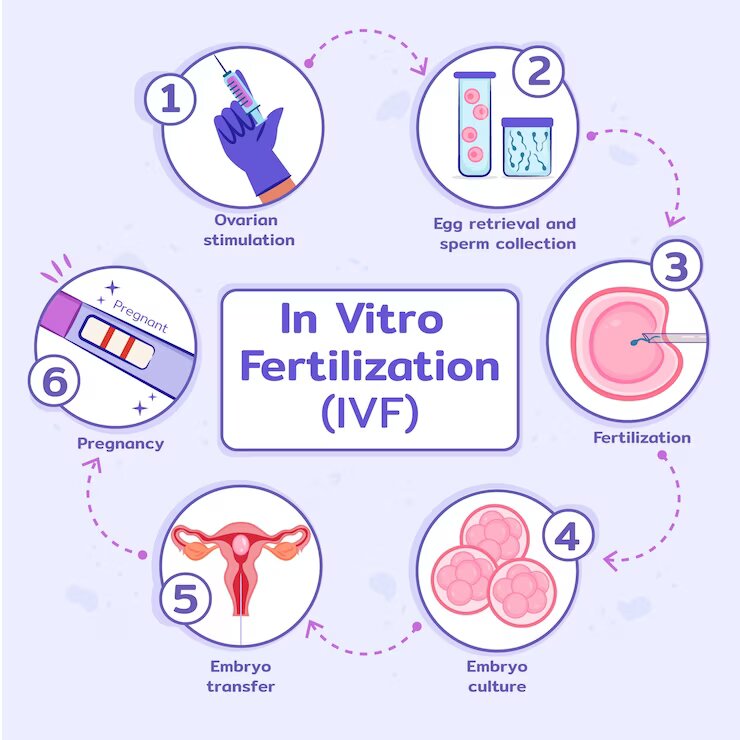
    Procedure for IVF Pregnancy Step by Step:

    IVF pregnancies follow a well-planned sequence of procedures:

    Ovulation Stimulation:  Fertility medicines are used to stimulate a woman’s ovaries, increasing the likelihood of a fertilized egg. This is an essential stage since many eggs will be required.

    Egg Retrieval: Egg retrieval occurs during a brief surgical operation once the eggs have matured in the ovaries. In most cases, sedation is used during this treatment.

    Fertilization occurs when a woman’s eggs are mixed with the sperm of her male spouse or a sperm donor in a lab. The process of fertilization is carefully observed.

    Embryo Cultivation: Over a few days, fertilized eggs grow into embryos while being carefully monitored and fostered.

    Transferring a healthy embryo or embryo into a woman’s uterus is known as embryo transfer. This method is complete under the vision of care.

    Testing for Implantation and Pregnancy Approximately two weeks following embryo transfer, a pregnancy test is performed to confirm if implantation has taken place. If the test comes back positive, then the IVF pregnancy quest may officially begin.

    ivf process
    IVF Treatment

     IVF Pregnancy Planning:

     There are a few things that must be done before beginning the IVF process:

    1.  Physical Health: Exercising regularly and eating a well-balanced diet can benefit the IVF procedure.
    2. Emotional Stamina: The IVF Pregnancy Procedure can be taxing on one’s emotional stamina. The help of friends and family, or even a professional counselor, may be vital.
    3. Medication: It is essential to take medicines exactly as recommended. Hormonal therapies are an option to help the uterine lining become ready for embryo implantation.
    4. Fertility medicines: They are essential to achieving pregnancy through in vitro fertilization. They help the uterine lining thicken enough so embryos can implant and they boost egg production to increase the likelihood of ovulation. Each patient receives a prescription that is uniquely formulated for them, and their progress while taking these drugs is closely monitored.

     Diet and Nutrition during IVF Pregnancy

    1. A good diet can help increase the likelihood of a successful IVF pregnancy.
    2. Nutrient-dense foods are those found in a diet high in fruits, vegetables, whole grains, and lean meats.
    3. Keeping yourself well-hydrated and cutting less on coffee can also help. Nutrition will help in making diet plans healthy and according to the treatment which is very important.
    IVF Diet Chart
    IVF Diet Chart

    Pregnancy Test after Embryo Transfer

    1. Pregnancy tests are typically performed between 10- and 14 days following embryo transfer.
    2. If the test came back positive, the implantation was successful.
    3. At this pivotal juncture, people frequently feel both anxious and excited.

    Intended Parenthood Ultrasound Schedule

    1. After a pregnancy is confirmed, a regular ultrasound schedule is set up to track the development of the fetus.
    2. Ultrasounds are useful for monitoring the pregnancy’s development and determining if everything is developing normally.

    IVF Pregnancy Follow-Up Care

    1. Consistent medical treatment and monitoring are essential after a positive pregnancy test.
    2. Maintaining a healthy pregnancy requires regular checkups, ultrasounds, and adherence to medical advice.

    What is the IVF Pregnancy Calculator?

    Only your doctor can explain the time of conceiving while doing IVF Put this date into the calculator’s “Date of transfer” field.

    The process depends on which type of IVF you have. There are many methods to know when you are going to give birth. In the “Type of transfer” column, select your IVF procedure.

    IVF pregnancy calculator

    Flo’s IVF calculator formulae (which are automatically set in the calculator for each choice) look like this:

    1.   IVF using own eggs (with or without ICSI) 266 days (+ 38 weeks) after the day of egg retrieval.
    2.   IVF with fresh donor egg cycle (with or without ICSI) 266 days (+ 38 weeks) after the day of egg retrieval.
    3.   The recipient’s date of egg retrieval plus 266 days (or 38 weeks) is the fresh donor embryo cycle.
    4.   3-day FET Add 266 days (or 38 weeks) to the date of transfer. Embryos only have a three-day lifespan. The actual age of the embryos must be subtracted if their age is greater than three days.
    5.  A blastocyst’s estimated survival rate after a 5-day FET is Transfer date + 266 days (or 38 weeks) – 5 days.

     If the blastocysts are older than 5 days, the age difference must be calculated precisely.

     How to Prepare for IVF Pregnancy?

    You should need to know a few things to get prepared before starting IVF Treatment.

    1.  Eat food that is good for you and doesn’t mess with your body’s natural chemistry.
    2.  As soon as possible, begin taking prenatal vitamins.
    3.   You must stick to a weight that’s healthy for you.
    4.  Put an end to harmful habits including smoking cigarettes, binge drinking, and drug use.
    5.  You should avoid going to any countries or regions where there is a chance you might be exposed to Viruses or other serious infectious diseases since doing so could delay your treatment.
    6.  Reduce your caffeine intake or stop using it altogether.

    Read to know: Is IVF treatment painful?

    Conclusion

    IVF Pregnancy is a process that shows how science is progressing in the field of the reproductive system. This adventure of science required a lot of dedication, focus, and desire.

    Preparing mentally, physically, and spiritually at each stage brings you closer to realizing your dream of being a parent. IVF pregnancy may be a gateway to fresh beginnings and limitless possibilities when accompanied by competent medical care, caring loved ones, and a balanced way of life.

  • How Long Does IVF Take to Get Pregnant

    IVF can be challenging to comprehend and navigate, and the overwhelming quantity of information you must process could leave you feeling overwhelmed. Now We talk about how long IVF takes to get pregnant. and what details you need at each stage in this comprehensive guide.

    How Long Does the IVF Procedure Take to Complete?

    Your decision to seek the assistance of a fertility professional is a significant step towards your desire to start a family. You are living in a fascinating moment! You’re likely prepared to begin the procedure at this point, and you might be wondering how long the entire IVF process will take.

     Let’s speak about some things you can do right away to be ready for the fertility therapy you will be receiving before we get started. Any patient dealing with infertility will tell you that this step of the procedure takes time. There is a lot of discussion, phone calls, and decision-making before the first injection is administered.

    Getting Ready for an IVF Treatment

    We start by doing a number of tests that provide a comprehensive picture of your present fertility and health in order to give you the greatest possible opportunity of having a successful IVF cycle and a healthy pregnancy. This is done in order to give you the very best chance possible of both of these outcomes. Only once the preliminary fertility tests have been finished can therapy for infertility be started.

     This will entail a medical assessment that looks at everything from any possible hereditary abnormalities to increased thyroid or blood sugar levels. The evaluation will look at everything. There are some medical issues that may need you to make changes to your lifestyle that will make it easier for you to conceive. These changes may add time to your timetable, but they will make all the difference in the world.

     Typical Components of Fertility Testing are as follows:

    • Complete blood count and workup.
    • Screening for carriers of genetic conditions.
    • Ultrasound examination via the vaginal canal to determine ovarian reserve.
    • Assessments of both the uterine cavity (SHG) and the fallopian tubes (HSG).
    • Examination of the male partner’s sperm and bloodwork, if appropriate.

     Things You Should Do Before Beginning the IVF Process

    1. Make an appointment for your first appointment and get further information from your physician.
    2. Make an appointment with a dietitian to offer your body the greatest possible chance of succeeding.
    3. Talk things over with a guide who can help you become ready for what’s in store down the road.
    ivf process
    IVF Treatment

     What is the Average Time for IVF Success?

    1.  The amount of time it might take for an individual or a couple to get pregnant after undergoing IVF treatment can vary greatly.
    2. From the beginning of ovarian stimulation until the embryo transfer, a single round of in vitro fertilization (IVF) typically takes between four and six weeks to complete.
    3. However, this is not the end of the road when it comes to having a healthy pregnancy.
    4. After the embryo transfer, it may take anywhere from 10 to 14 days to determine whether the treatment was successful.
    5. During this time, a positive response from a pregnancy test indicates that the surgery was effective.

     What are Diet and Nutrition during IVF Pregnancy?

    IVF Diet Chart
    IVF Diet Chart
    •  During the time leading up to your IVF procedure, making even little adjustments to your diet and way of life might improve your chances of having a healthy baby.
    • Because of this, the best time to start paying attention to your preconception health is around three months before the beginning of an IVF cycle.
    • During this time, you should start the preconception health regimen that your doctor has prescribed for you, which will likely involve increasing the amount of water you drink, improving your sleep hygiene, taking prenatal vitamins, and eating a diet that is both well-balanced and rich in essential nutrients.
    • Your body will be better prepared for the rigors of fertility therapy and pregnancy if you cut back on alcohol and caffeine use, quit smoking, and start engaging in exercise with minimal impact.

     How Long does it take to Get Pregnant after IVF Transfer?

     The delays at this point are really very upsetting. You have the right to know why your IVF cycle was delayed or stopped, and it’s natural to know why.

     The following are the three primary explanations:

    Inadequate Response from the Ovaries

    Sometimes the body may not respond as expected to the drugs that are used during IVF, which might cause your cycle to be delayed or even cancelled. For instance, if the ovaries generate a lesser number of follicles than anticipated, which would indicate that fewer eggs were produced, there is a possibility that the procedure would be postponed or canceled.

     Hormone Levels That Aren’t Optimal

    There are occasions when hormone levels are not optimal for completing an IVF cycle; in these cases, postponing the procedure might actually lead to improved chances of success in the subsequent round.

     Remember that every cycle serves not only as a diagnostic but also as a therapeutic tool even if this may be upsetting information to acquire. During the course of each cycle, your fertility specialist will collect valuable information about your body and how it reacts to medicine, which will increase your chances of having a successful pregnancy during the subsequent round.

    The Process of Embryo Screening

    If you want to perform genetic testing on your embryos before transfer, there is yet another factor that might cause your IVF cycle to go far longer than anticipated. This may lengthen the process by four to five weeks.

     Pregnancy Test after Embryo Transfer

    Preimplantation genetic testing, also known as PGT, is able to provide the maximum degree of confidence for a kid who will be genetically healthy. This is especially helpful when both couples are known carriers of genetic illnesses or are at a higher risk of passing on genetic conditions to their offspring.

     The Emotional Impact of Waiting for IVF Success

    1.  Waiting to find out whether or not IVF was successful takes an emotional toll that simply can’t be emphasized.
    2. Not only do partners contribute their time and resources, but also their feelings and sentiments to the process.
    3. The emotional roller coaster that consists of optimism, disappointment, and perseverance may be taxing on one’s mental health.
    4. Counseling, participation in support groups, and keeping an open line of communication with one’s spouse are all key coping techniques for dealing with the emotional issues that are associated with in vitro fertilization (IVF).

    Conclusion:

    Couples need to approach the procedure with patience, understanding that the psychological toll of waiting for the outcome of IVF treatment is a crucial component of the trip. Couples who decide to go the route of in vitro fertilization (IVF) may now receive the assistance they require to successfully navigate the hurdles they face and enjoy the triumphs they face.

  • IVF Success Rate in India

    IVF Success Rate in India

    In vitro fertilization, or IVF is a long-established technique for treating infertility. When sperm fertilize an egg outside the body, such as in a laboratory, the procedure is known as in vitro fertilization. The generated embryo is then returned to the mother’s uterus following fertilization in the hope that this would lead to a pregnancy free of difficulties. In this blog, we will know about the IVF Success Rate in India.

    IVF Success Rate in India by Age & Number of Embryos

    The age of the woman undergoing in vitro fertilization, the caliber of the eggs and sperm, and the number of embryos implanted are just a few of the variables that can have a big impact on success rates in India. The Indian Society of Assisted Reproduction (ISAR) collated and presented evidence that indicates that the overall success rate of in vitro fertilization in India is somewhere between 40 and 45%.

    But bear in mind that success rates can differ significantly between facilities. It’s important to keep in mind this truth. Due to their level of expertise, superior equipment, and experience compared to other clinics, some may have higher success rates than others. Couples thinking about in vitro fertilization should conduct their research and select a center that has a good reputation and a track record of success in the industry.

    IVF success rate in India
    IVF Success Rate in India

    Here is the List of a Wide Range of Factors that can Affect the IVF Success Rate in India in 2023:

    Explore the factors that play a crucial role in determining the IVF Success Rate in India.

    Age

     The patient’s age is said to be one of the significant variables that will affect a healthy pregnancy. As the woman starts aging both the quality and quantity of the eggs start degrading making it harder and harder for her to start and maintain a healthy pregnancy. According to the ISAR’s findings, women under the age of 35 have a success rate of about 50%, but women beyond the age of 40 have a success rate of about 20%.

    Quality of Sperms and Eggs

     The sperm and eggs that are used during the procedure may have an impact on the success rates of in vitro fertilization. If both the eggs and sperm are of exceptional quality, there is a greater chance that fertilized eggs and sperm will result in the development of a healthy embryo. There is a chance that the chances of success will be lowered if neither the eggs nor the sperm are of sufficient quality.

    Is IVF a Painful Process

    Issues Regarding the Health of the Sexual and Reproductive Systems

    Many reproductive health conditions, including polycystic ovarian syndrome, endometriosis, and male infertility, are thought to play a role in India’s low success rate for IVF procedures.  It can be particularly challenging to get pregnant if you have one of these diseases because they have the potential to reduce the quality of sperm and eggs. It is very possible that in order to increase their chances of having children, infertility-stricken couples may need extra procedures or treatments.

    Quantity of Transferred Embryos

    While going through the fertilization process the number of embryos that can be placed in the female uterus directly affects the rate of pregnancy. Transferring more embryos may boost a woman’s potential of having a healthy child, but it also increases the likelihood that she will become pregnant frequently, which is associated with a higher risk of difficulties. According to the American Society for Reproductive Medicine’s (ASRM) standards, women under the age of 35 should not have more than two embryos implanted in them.

    In Vitro Fertilization Success Rate
    In Vitro Fertilization Success Rate in India

    Individual Preferences for a Particular Style of Life

    IVF Success Rate in India can also be impacted by lifestyle factors, such as obesity or a drinking problem. If such types of medical conditions exist then it will be quite difficult for the women to have a healthy pregnancy as it is quite possible that it will affect the generation of eggs and sperm. Prior to starting the IVF treatment process and throughout it, couples are strongly advised to lead healthy lifestyles. The likelihood of them getting pregnant will rise as a direct result of this.

    The success rate for in vitro fertilization (IVF) in the United States is roughly 24% for women under the age of 35, 20% for women aged 35 to 37, 15% for women aged 38 to 40, 8% for women aged 41 to 42, and less than 3% for women over the age of 43, according to the most recent report released by the Society for Assisted Reproductive Technologies (SART). The number of live births that follow the surgery determines this success rate. The patient’s age has a big impact on the IVF success rate.

    Some of the Actions that Fertility Experts Advise Adopting to Boost the Birth Rate are as follows:

    In vitro fertilization, or IVF has seen an increase in success rates as a result of the use of several techniques created by reproductive scientists. Instead of freezing eggs, many modern fertility clinics freeze the embryos produced through intrauterine insemination (IUI), conventional in vitro fertilization. This procedure, referred to as “freeze all,” is used in many contemporary fertility clinics. The success rate of in vitro fertilization procedures in India has significantly increased as a direct result of employing this method and utilizing recent advances in reproductive science.

    A technique that assesses the endometrium at the molecular level is endometrial receptivity analysis or ERA for short. Women who have repeatedly tried implantation but failed are advised to try this procedure.

    Preimplantation genetic testing (PGT), also known as PGT, is strongly advised as a way to increase the likelihood of successful implantation because chromosomal abnormalities in embryos are the main reason for implantation failure. The elderly female population is particularly affected by this.

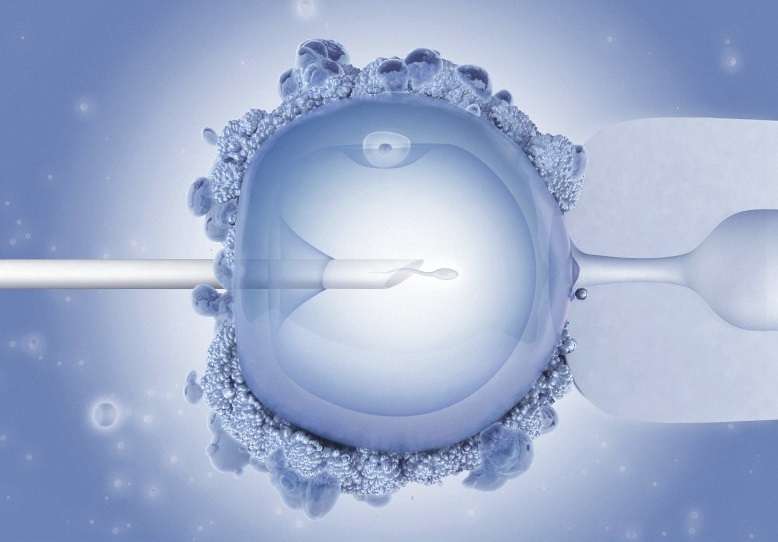
    Intracytoplasmic sperm injection, or ICSI for short, is another technique that has been demonstrated to increase the likelihood of conception. You can think of this procedure as in vitro fertilization subtype. In the event that standard IVF techniques fail to result in pregnancy, ICSI might be used as a backup procedure. An egg is immediately put into a single, high-quality sperm that has been chosen throughout this operation in a laboratory setting using a very small glass needle.

    The culture and transfer of the blastocyst, one of the technique’s most crucial processes, must be finished in order for in vitro fertilization to be successful. By using this method, the likelihood of having a healthy pregnancy increases while the likelihood of carrying more than one embryo at once to term decreases.

    The Bottom Line

    You need to discuss all of these and other options with your fertility specialist if you’re thinking about getting IVF in India or anywhere else for that matter. This will enable you to assess which choice, given your unique requirements, IVF cost, and situational circumstances, will be most advantageous to you.

    It is important to remember that a variety of circumstances, including the age of the woman having the operation, might affect the likelihood that in vitro fertilization will lead to a healthy pregnancy. Women over the age of 35 have much-reduced possibilities of having a successful IVF treatment, whereas younger women have far higher chances of having a successful surgery.

    It is crucial to prioritize a person’s mental health on par with their physical health because IVF may have a negative impact on that person’s mental health. In addition to obtaining support from those who are significant to one’s well-being, such as family members and loved ones, it may be helpful to share one’s objectives and concerns with a therapist.

    If you or a member of your immediate or extended family is experiencing trouble getting pregnant, it is highly advised that you get medical help from the IVF Centre.

    Frequently Asked Questions:

    What is the IVF Success Rate in India?

    The success rate of IVF in India varies depending on various factors such as the age of the woman, the cause of infertility, the quality of the embryos, the fertility clinic’s expertise, the cause of infertility, and the woman’s overall health.

    Does the success rate of IVF vary based on the number of cycles attempted?

    Yes, the success rate of IVF may increase with the number of cycles attempted. It’s important to note that not all cycles may result in a successful pregnancy, but multiple attempts can improve the chances of achieving a positive outcome.

    Can the success rate of IVF be improved by using advanced technologies?

    Yes, the use of advanced technologies such as preimplantation genetic testing (PGT) and time-lapse imaging can enhance the success rates of IVF. PGT allows for the selection of genetically normal embryos, while time-lapse imaging enables continuous monitoring of embryo development, leading to improved embryo selection.

    Are there any specific steps individuals can take to increase their chances of IVF success?

    There are several steps to improve the chances of IVF success. These include maintaining a healthy lifestyle, following a balanced diet, managing stress levels, avoiding smoking and excessive alcohol consumption, taking to the prescribed medications, and following treatment guidelines provided by the fertility specialist.

  • IVF Treatment for Over 40

    IVF Treatment for Over 40

    One of the most popular assisted reproduction methods for couples having trouble conceiving naturally is in-vitro fertilization or IVF. The technique entails fertilizing an egg with sperm in a lab to produce an embryo, which is put inside the patient’s uterus. On the other hand, as a woman ages, her chances of conceiving naturally and conceiving successfully through IVF decrease. Many women over the age of 40 are considering IVF as a possibility when attempting to start a family. In this article, we’ll talk about the difficulties older women encounter during IVF treatment as well as the success rates of the surgery.

    In-Vitro-Fertilization (IVF) Treatment for Over 40

    Women over 40 have several challenges while trying to conceive using in vitro fertilization (IVF). Maintaining the quantity and quality of their eggs is the biggest challenge. As a woman gets older, she produces fewer eggs, and the eggs she does continue to produce may be of lower quality. As a result, creating viable embryos through in vitro fertilization may be more difficult. Preeclampsia, gestational diabetes, and premature birth are among the pregnancy-related issues older women are more likely to have, along with stillbirth.

    Another challenge is the higher likelihood of underlying medical conditions in women over 40, which might affect their fertility. Some diseases that could make it harder to get pregnant include polycystic ovarian syndrome (PCOS), endometriosis, and thyroid issues. Before IVF is successful, you might require extra therapies or medications if you have one of these illnesses.

    But it’s important to remember that success rates can change depending on various factors, such as the egg quality, a woman’s general health, and the level of expertise of the IVF clinic. When trying to get pregnant, it’s important to research and pick a clinic with a good reputation.

    Options:

     There are several options available to women over 40 who are thinking about in vitro fertilization to increase their likelihood of becoming pregnant. One of the choices is to use donor eggs, which can come from a younger woman or an egg bank. This might make the eggs utilized for in vitro fertilization better quality, increasing the chances of a healthy pregnancy.

    An additional option to take into account is preimplantation genetic testing or PGT. Before the embryo, they undergo this test to see if they have any chromosomal abnormalities. If one takes this course of action, it is possible to increase the likelihood of having a healthy pregnancy while decreasing the risk of miscarriage.

    Before preparing for IVF, women over 40 who want to become pregnant must explore their options for additional therapy or medication. The medication can include the intake of ovulation-stimulating drugs, lifestyle modifications that enhance general health, and underlying medical conditions that can be treated surgically.

    When is IVF Treatment Considered to be Too Late?

    However, there is a connection between a woman’s age and the probability of an unsuccessful in vitro fertilization pregnancy. After age 35, this correlation becomes more obvious. This is because as women age, their eggs’ quantity and quality decrease, potentially making in vitro fertilization (IVF) more challenging for them. Women’s fertility significantly declines after age 40, which increases the challenges they encounter.

    Despite this, in vitro fertilization still helps some women who are over 35 or who are experiencing other sorts of reproductive problems for having a child. Some women who want more children but have problems conceiving can use donor eggs or embryos. In addition, women with underlying medical conditions that affect their fertility may need to undergo additional procedures or take extra medications for in vitro fertilization to be effective.

    After speaking to a qualified medical professional, the decision to proceed with in vitro fertilization should be considered. They can assist in determining a woman’s reproductive status and suggest the best ways for a couple to start a family. Before beginning the IVF procedure, it is crucial to confirm that both prospective parents are on the same page and consider the potential financial, emotional, and physical toll the procedure may have on the couple.

    There is no certain age after which receiving treatment with in vitro fertilization is no longer an option. However, there is a link between getting older and having a lower chance of success after age 35. Even as people mature, this pattern persists. To choose which course of action is most appropriate given their particular circumstances, women considering IVF should have a thorough discussion with their doctor about the possibilities accessible to them.

    IVF for Over 40

    Chances of Getting Pregnant at 40:

    Yes, the following facts and figures describe the chances of getting pregnant after the age of 40:

    According to the American Society for Reproductive Medicine (ASRM), a woman over 40 has a 5% chance of getting pregnant naturally during each cycle of her menstrual cycle. According to this, just five out of every hundred women over 40 trying to conceive naturally each month will succeed.

    A woman’s fertility starts to fall after age 35 and quickens after age 40. After the age of 45, women’s fertility starts to decline. By the time she turns 40, a woman’s natural chances of becoming pregnant are around half what they are in her early thirties.

    A woman’s ovarian reserve, which refers to the quantity and quality of eggs still in her ovaries, influences whether or not she will become pregnant. As women age, it gets harder for them to become pregnant naturally because their ovarian reserve shrinks.

    An increased chance of miscarriage and birth issues in the offspring of those eggs may result from the probability of chromosomal abnormalities in eggs rising with age. A woman’s likelihood of giving birth to a child with Down syndrome is roughly 1 in 100 when she is 40, compared to 1 in 1,250 when she is 25.

    Through the use of in-vitro fertilization (IVF), women over the age of 40 may have a higher chance of getting pregnant. According to the American Society for Reproductive Medicine (ASRM), IVF success rates for women over 40 are less than 5% per cycle, which is higher than the likelihood of conceiving naturally.

    Women over 40 will likely require numerous IVF procedures s to become pregnant. Age affects the success rate of in vitro fertilization (IVF), and a woman’s chances of conceiving a healthy child are frequently at their highest before age 35.

    Conceiving Over 40

    Women over 40 may find it challenging to conceive due to the normal decline in fertility that occurs as women age. Despite this, thanks to advanced fertility treatment and the availability of assisted reproductive techniques, it is still possible for women over 40 to become pregnant and carry a safe pregnancy to term. There are a few considerations to bear in mind when attempting to get pregnant after turning 40, including the following:

    The possibility of conceiving a child substantially drops after age 35, and the rate of this decrease quickens after age 40. Thus, the passage of time is of the biggest importance. To improve their chances of success, women over 40 attempting to conceive should consult an IVF doctor as soon as feasible.

    Women over 40 are more likely to have underlying medical conditions, including endometriosis, thyroid issues, or polycystic ovarian syndrome (PCOS), that could affect fertility. This makes treating underlying health problems more important. Addressing these problems can improve a couple’s chances of having a healthy child and carrying that child to term.

    Improve the areas of your lifestyle that can impact fertility, including your diet, exercise, and stress levels. Women should work to maintain a healthy weight, eat a balanced diet, and exercise regularly to boost their likelihood of getting pregnant after age 40.

    So, a woman’s chances of getting pregnant are significantly reduced than when she was younger after 40. However, it is still possible to conceive naturally or with the help of assisted reproductive technologies like in vitro fertilization. To determine the best course of action in this circumstance, it is crucial for women over 40 who are trying to get pregnant to be aware of the potential barriers and to work closely with competent Fertility Specialists.

    Lastly, women over 40 considering becoming mothers at an elderly age should know the potential health risks. Preeclampsia, gestational diabetes, and high blood pressure are a few instances of possible pregnancy issues. To monitor and manage these risks during the entire pregnancy, it is essential to work in close coordination with a healthcare provider.


  • How to Prepare for IVF Treatment?

    How to Prepare for IVF Treatment?

    Establishing healthy behaviors should be one of the first steps taken when preparing for in vitro fertilization (IVF). This is necessary to guarantee the best possible health of your sperm and eggs. To start, we advise that you look at your diet to ensure that it is balanced and that you are getting enough nutrients to maintain healthy blood sugar levels and a healthy weight. The following foods should be a part of your diet or avoided during you while you get Prepare for IVF Treatment:

    How to Prepare for In-Vitro-Fertilization (IVF) Treatment?

    What to Avoid during IVF Treatment?

    • People frequently forget the importance of water. You should drink at least 1.5 liters of filtered or mineral water daily.
    • Blueberries, raspberries, strawberries, and pomegranates are all good sources of antioxidants, which help to reduce the amount of harm that the environment causes to our cells. These fruits and vegetables are part of the “five a day” diet. The essential prenatal elements calcium, iron, and folate are abundant in dark, leafy greens like spinach and kale. Broccoli is another excellent food that you should include in your diet.
    • Whole grains, oats, quinoa, lentils, and chickpeas fall within this category.
    • Fats that are excellent for you, such as those in almonds, eggs from free-range chickens, seeds, and lentils, as well as salmon and other fatty fish. If you’re going to eat meat, opt for organic fowl to obtain a good serving of lean protein and essential fatty acids. An additional excellent choice is live, organic yogurt.
    • If you regularly drink coffee, limit your caffeine intake to no more than one cup daily. In addition to coffee, other foods and beverages that contain caffeine include chocolate, green or black tea, and some soft drinks. Additionally, it is advised to stay away from decaffeinated coffee and tea as much as possible because these beverages already include various chemicals used in the decaffeination process.
    • Alcohol, especially when eaten in moderation, can lengthen the entire pregnancy process; as a result, it should be avoided whenever feasible.
    • Anything that contains additives, coloring, sugar, or emulsifiers should be avoided at all costs. Make it a point to obtain as much food as possible from natural sources.
    • If you and your partner want to be certain that you are getting all the necessary vitamins and nutrients, you should speak with your primary care physician about the supplement options you can consider.

    These are the food items that should be a part of your diet or avoided during your IVF Treatment.

    Chemicals to Stay Away from Before an IVF Procedure

     It is in everyone’s best interest to have as few environmental toxins in their systems as possible before, during, and especially after an embryo transfer utilizing in vitro fertilization (IVF), the procedure in which the fertilized egg is implanted into the uterus. This does not necessarily imply that you must stop receiving the aesthetic procedures you already receive. For example, when getting your hair cut or nails done, always choose a salon with sufficient ventilation and products with fewer chemicals. Your exposure to potentially dangerous chemicals will be reduced as a result. Similar rules apply to manicures and pedicures, with the caveat that black nail polish and just about any other sort must be removed before egg collection. This is because dark nail paint may make it difficult for the pulse oximeter device to determine the precise amount of oxygen on your finger.

    If you smoke and want to improve the success rate of your IVF process, you should give up smoking.

    Sexual Activity and IVF

     Although it is not harmful to have sex during the early stages of ovarian stimulation, it is highly advised that you avoid having sex during the later stages of the cycle because there is a chance that you could experience follicular rupture and ovarian torsion. Ovaries are bigger than other reproductive organs, making sexual activity uncomfortable or painful. If you have intercourse without using protection, there’s a chance that more than one of your eggs will ovulate prematurely, which could result in multiple pregnancies.

    Your partner must abstain from sexual activity for two to five days before collecting their sperm sample to increase the likelihood of getting pregnant.

    How to Take Care of Your Mental Health?

     Even though we know that stress is bad for us, especially when going through a difficult moment, it is not always easy to control our anxiety. Stress can affect fertility by releasing the hormone cortisol, which harms fertility. Stress may also impact fertility because cortisol can lead to hormonal abnormalities in both men and women. To learn more about the connection between stress and fertility, go here.

    Ensuring you are providing yourself with the necessary care and keeping this in mind is even more important as you prepare for IVF. Excellent ways to decompress include:

    Make sure you’re getting your recommended daily allowance of vitamins, and if you’re unsure which ones are best for you, consult your primary care provider.

    Making a connection with oneself, improving concentration, and lowering stress are all facilitated by meditation. Exercises that improve your breathing can significantly improve your health and only take 10 to 15 minutes out of your day.

    It has been demonstrated that acupuncture, a form of complementary therapy, can minimize the effect of stress hormones on the body, aiding in maintaining a healthy balance of hormones important for fertility.

    Writing down your thoughts in a journal is a great way to release stress and repressed emotions. Since journaling helps you better organize your thoughts and better understand your feelings, it can be therapeutically beneficial.

    By prioritizing yourself, you shouldn’t put off living your life; book those trips you’ve been dreaming about, embark on a new endeavor, or get that clothing you’ve had your eye on. These concerns will become less important and much easier to handle if you get pregnant. Always look for yourself and spend time doing things that make you happy.

    You are free to do so whenever you need to if you think learning more about fertility and the IVF process will put your mind at ease. Just be careful not to let the sheer volume of information overwhelm you; allow yourself up to 45 minutes daily to read, and set a timer to ensure you don’t exceed your given time.

    What Kind of Support Will You Need?

     You must take good care of your relationship and each other during this difficult time because going through IVF can be difficult for you and your partner. Spend some time discussing your feelings, making sure that you both understand the demands each of you has on the other and how you would like to be supported throughout the process without blaming one another. Include your partner in the IVF process so you may discuss and make all the decisions together.

    Your partner can be very helpful by taking on tasks like making sure you have enough medication and injections, educating them about fertility, how to get your body ready for IVF treatment, and how to offer emotional support because fertility treatment has a significant physiological toll on women.

    Ask your healthcare physician or nurse about our fertility counseling program if it may be helpful for you to speak with an IVF specialist.

    How to Prepare Yourself Mentally for In Vitro Fertilization?

    Keep a healthy mix of optimism and pessimism about your chances. It would help if you arrived at the clinic with a positive outlook and let your IVF doctor or nurse know about anything that makes you anxious.

    Plan a stress-relieving activity before or after your visits, such as going for a stroll in the park with your significant other, enjoying a meal together, etc. If your busy schedule permits, plan a massage or acupuncture session.

    Any worries you have regarding your therapy should be discussed with your healthcare provider. Even if you feel they are unimportant, please let us know about any new symptoms or side effects you have been experiencing.


  • How Many IVF Treatments It Takes to Get Pregnant?

    How Many IVF Treatments It Takes to Get Pregnant?

    As we evolve, we are learning to face different problems with different outcomes that promise a sustainable life. Science and Biotech together have come a long way.

    IVF treatments are now one of the most common ways to conceive for couples through assisted reproductive technology. In this process, the sample of male sperm is collected, and female eggs are taken out from the body, combining them to make an embryo in the lab, and then implanting the embryo in the female body. This reproduction process is also very common for LGBTQ couples living together, giving them hope to start a family of their own.

    The invention of IVF dates way long to 1978. Recent use of more modern technology and evolved ways of assisted reproduction clinically has improved so much that the success rate has increased from 20% to 50% for women below 35.

    Earlier, people used to think that if an IVF procedure is unsuccessful for the first time, there can be no reproduction possible even with IVF. As time went by, this proved to be completely untrue. The success of reproduction depends on the woman’s age with other factors while going through different cycles of IVF. While a failed IVF procedure can be devastating, know that it doesn’t end there, a couple can try to get pregnant with another IVF treatment and better planning. But before we get on to that, we must know how the IVF cycle works. Keep reading to know more!

    What is IVF Cycle?

    The IVF cycle runs for 3 weeks, with two weeks of waiting to get the confirmation that a couple is pregnant. The cycle is the same for every couple, but it can turn into different circumstances according to the individual’s body and factors. Here age is a very dominant factor in the procedure as the success rate for women below the age of 30 is 50%, and the success rate for women below the age of 35 decreases from 38% to 32%.

    Understanding the cycle of going through treatment is important to understand your body properly.

    1.  There should be multiple oocytes produced in the body with ovarian stimulation.
    2. Extract and remove when oocytes are matured adequately.
    3. Then we proceed to conception as fertilization in the laboratory takes place.
    4. The embryos are developed in the laboratory with proper culture and observation.
    5. The selected embryo will then be followed by implantation and assisted pregnancy.

    What Are The Factors That Affect A Successful IVF Procedure?

    Certain factors affect a successful cycle of IVF treatments. Let us, in the next context, look out for those factors.

    Age:

    The main reason age is the most dominant factor in the IVF procedure is that the eggs can decrease in number and quality. The body of older women will not respond to hormone-stimulating drugs because of their ovaries.

    Duration of Infertility:

    Another factor related to age is the duration of infertility. If a woman has infertility and has been trying for a child for more than 5 years, it depends on how the IVF procedure will react. A simple solution to this problem is embryo donation, which can be possible with an easy procedure.

    Cause of infertility:

    Another adherence to IVF treatments is the cause of infertility faced by women or men. Fallopian tube blockage, uterine problems, or fibroids can lower the chances of success of the IVF cycle into confirmed pregnancy.

    Alcoholism or drinking problem:

    Alcohol consumption lowers the chances of success in IVF treatment and tends to lower the chances of a successful pregnancy. One going through the IVF cycle should be healthy and have a diet providing nutrients and supplements throughout the body. Alcoholism or drinking during the process can be very dangerous.

    Obesity:

    Obesity can be another problem where a person finds it difficult to conceive. IVF treatments are no exceptions to this cause.

    What Are the Risks Associated With IVF Treatment?

    There are multiple side effects to multiple cycles of IVF treatments. Hence, the couple needs to look out and evaluate the risk properly.

    The women can face side effects like ovarian hyperstimulation syndrome and multiple birth cases. Ovarian hyperstimulation syndrome causes the ovaries to swell up due to lots of hormonal injections and medicines. This causes extreme pain and nausea with extreme cases like blood clotting, decreased urination, and shortness of breath. Another common side effect is multiple births which are caused by multiple transfers of the embryo to increase the chances of pregnancy. According to the Center for Disease Control (CDC) observation, IVF procedure pregnancy has resulted in 43% of multiple births. The medicines while going through an IVF cycle also give episodes of depression and causes mood swings, headaches, nausea, dizziness, tender breast, mood swings, and more.

    How Many Times Can One Repeat the IVF Treatment?

    There is no stated number of IVF treatments one can go through, but it is advisable for couples to wait for one month to replenish themselves from the strong medications as one menstrual cycle passes by. There is no medical evidence that people waiting longer affects the IVF success rate. But age is a dominant factor. As time passes by, the success rate goes down. There can be circumstances where the specialist doctor advises the couple to abandon the ongoing cycle and immediately start the next one for better results. It is essential to be mentally strong to start the second cycle and be healthy to get better results. Failed IVF procedures can be devastating, and one needs to overcome that completely before starting the next cycle to gain better chances of IVF success.

    Conclusion

    Everyone has a unique body, and there is no accurate answer to how many IVF treatments it takes to get pregnant. One needs to take care of their body properly to get pregnant with the first IVF cycle concerning all the factors and success rate. The key is to be healthy and decisive throughout the procedure with strong will and determination, being happy and expecting the best results.