Category: IUI

  • How to Choose Best IVF Center in Sikar: 2026 Complete Guide

    How to Choose Best IVF Center in Sikar: 2026 Complete Guide

    Choosing the right fertility clinic is one of the most important decisions a couple will ever make.

    In 2026, the number of fertility clinics across Sikar and the surrounding Rajasthan region has grown significantly. Couples now have more options than ever before. But more options also mean more confusion, more conflicting information, and more risk of making a decision based on the wrong factors.

    The emotional weight of infertility is already significant. Adding the pressure of evaluating clinics, comparing costs, questioning success rates, and worrying about whether you are making the right choice can feel absolutely overwhelming.

    Healthcare CTA

    Stop searching, start your fertility journey with the right expert.

    Here is what most couples in Sikar do not realize: the best IVF clinic is not always the closest one, the cheapest one, or the one with the flashiest advertisement. It is the one that combines experienced medical leadership, advanced laboratory infrastructure, transparent pricing, and genuinely compassionate care.

    Dr. Ritu Agarwal, Senior Fertility Specialist and Founder of Ritu IVF, has guided hundreds of couples from Sikar and across Rajasthan through their fertility journeys. According to Dr. Ritu Agarwal, the single biggest mistake couples make is choosing a clinic based on proximity or price alone, without evaluating the clinical factors that actually determine success.

    This complete 2026 guide gives you everything you need to make an informed, confident decision right here in Sikar.

    1. Essential Qualities of the Best IVF Center in Sikar

    When evaluating any IVF center in Sikar, the first step is checking whether the clinic meets a clear minimum standard across several key clinical and operational dimensions.

    This is not about finding a perfect clinic. It is about finding one that is genuinely equipped to give you the best possible chance of a successful pregnancy.

    Advanced Technology and Laboratory Infrastructure

    The quality of a fertility clinic’s embryology laboratory is the most critical factor in determining IVF outcomes.

    A high quality IVF center in Sikar should have:

    • Controlled environment incubators maintaining precise temperature, pH, and gas composition
    • Time-lapse embryo monitoring systems that track development without disturbance
    • Vitrification equipment for high-survival-rate embryo and egg freezing
    • Advanced sperm processing and preparation systems in a dedicated andrology lab
    • Strict quality control protocols reviewed regularly by a senior embryologist

    Without these capabilities, even the most experienced doctor cannot consistently deliver the success rates that modern IVF medicine is capable of achieving.

    Accreditation and Legal Compliance

    The best IVF hospital in Sikar must operate in full compliance with India’s Assisted Reproductive Technology (ART) Regulation Act 2021.

    This legislation sets minimum standards for clinic infrastructure, gamete handling, donor protocols, and patient rights across all fertility centers in India.

    Always confirm that any clinic you visit is:

    • Registered under the ART Regulation Act 2021
    • Following guidelines issued by the Indian Council of Medical Research (ICMR)
    • Operating with a licensed embryology laboratory
    • Maintaining proper records of all treatment cycles and outcomes

    Physical Infrastructure and Patient Environment

    The physical environment of a fertility clinic matters more than most couples realize.

    • Clean, well-maintained procedure rooms and recovery areas
    • Dedicated and private male sample collection rooms
    • Separate waiting areas designed to reduce patient anxiety
    • Strict infection control and sterilization protocols throughout the facility

    A clinic that invests seriously in its physical infrastructure demonstrates a commitment to patient care that goes far beyond the procedure room.

    2. Evaluating Doctor Experience and Lab Standards

    The experience and qualifications of the fertility specialist leading your treatment are the single most important human factor in your IVF outcome.

    Finding the best IVF doctor in Sikar requires looking beyond degrees displayed on a wall. It requires understanding how many cycles a doctor has personally performed, what their area of specialization is, and how they approach personalized treatment planning for each patient.

    What to Look for in a Fertility Specialist in Sikar

    • Postgraduate qualification in Obstetrics and Gynecology (MD or MS)
    • Additional fellowship or specialized training in Assisted Reproductive Technology (ART)
    • Minimum 5 to 10 years of dedicated fertility practice
    • Experience managing complex cases including poor ovarian reserve, recurrent implantation failure, and severe male factor infertility
    • Willingness to explain your diagnosis, treatment options, and realistic outcomes in clear, accessible language
    • Registered with the Medical Council of India and compliant with ART Act requirements

    The Role of the Embryology Team

    An experienced doctor operating alongside a weak embryology team will consistently underperform relative to their clinical potential.

    The embryologist handles your eggs, sperm, and embryos at the most critical stages of the entire IVF process. A good test tube baby center in Sikar must have a dedicated, senior embryologist with specialized postgraduate training in human embryology and reproductive science.

    When you visit a clinic, ask to speak with or learn about the embryologist on staff. Their qualifications are just as important as the treating doctor’s.

    Clinic Comparison: What Separates Good From Great

    Evaluation FactorBasic Fertility ClinicAdvanced IVF Center
    Doctor QualificationMBBS or MD GeneralMD plus ART Fellowship
    Embryology LabBasic equipmentTime-lapse monitoring and vitrification
    Annual Cycle VolumeUnder 100 cycles300 plus cycles per year
    Success Rate ReportingUnverified or absentDocumented by age group and diagnosis
    Male Fertility ServicesBasic semen analysis onlyFull andrology lab with ICSI
    Patient CommunicationLimited or rushedDetailed counseling at every stage
    ART Act ComplianceUnclear or unregisteredFully registered and audited

    Use this table as a practical checklist when you visit and compare fertility clinics in Sikar. Ask every clinic these specific questions directly and evaluate their answers honestly.

    3. Comprehensive Care for Both Partners

    One of the most common and costly mistakes in fertility treatment is focusing exclusively on the woman while the male partner’s fertility goes completely unevaluated.

    A truly excellent fertility center in Sikar evaluates and treats both partners from the very first consultation. This approach is not just medically correct. It is the only approach that gives couples the complete clinical picture needed to choose the right treatment path.

    Female Fertility Evaluation at a Quality Clinic

    A reliable female fertility clinic in Sikar should offer a comprehensive female diagnostic workup including:

    • Baseline hormone blood tests: FSH, LH, AMH, estradiol, prolactin, and thyroid panel
    • Antral follicle count (AFC) via transvaginal ultrasound to assess ovarian reserve
    • Uterine cavity assessment through sonohysterography or hysteroscopy
    • Fallopian tube patency evaluation through hysterosalpingography (HSG)
    • Assessment for endometriosis, fibroids, polyps, or uterine septum
    • Immunological and genetic testing where clinically indicated

    Male Fertility Evaluation at a Quality Clinic

    A reliable male fertility clinic in Sikar should provide a thorough male diagnostic workup including:

    • Comprehensive semen analysis using WHO 2021 reference criteria
    • Sperm DNA fragmentation testing for couples with recurrent treatment failure
    • Hormone blood panel: testosterone, FSH, LH, and prolactin
    • Scrotal ultrasound for varicocele detection
    • Genetic testing for severe oligospermia or azoospermia cases
    • Surgical sperm retrieval options: TESA, PESA, microTESE where clinically needed

    Why Simultaneous Evaluation Matters

    Male factor infertility contributes to 40 to 50% of all infertility cases globally.

    Spending months treating the female partner alone while the male partner remains unevaluated is one of the most common causes of delayed diagnosis and unnecessarily prolonged, expensive treatment journeys in Sikar and across India.

    Any fertility clinic in Sikar that does not recommend simultaneous evaluation of both partners from the first consultation should be questioned on this approach.

    Need an Appointment?

    CLICK HERE

    4. Cost Transparency and Patient Support

    Financial transparency is not a luxury in fertility care. It is a fundamental patient right.

    Couples undergoing IVF in Sikar are already under significant emotional and physical stress. Unexpected bills, unexplained charges, and hidden fees add serious financial anxiety to an already difficult experience.

    When evaluating any IVF hospital in Sikar, ask these specific questions before committing to treatment:

    • What is the total estimated cost for one complete IVF cycle including all medications?
    • Which tests and scans are included in the quoted price and which are billed separately?
    • What happens to funds already paid if a cycle needs to be cancelled due to poor response?
    • Are bundled multi-cycle packages available and what exactly do they include?
    • What is the cost of embryo freezing and annual storage fees?
    • Are donor sperm or donor egg costs included or charged separately?

    A clinic that answers all of these questions clearly, in writing, before treatment begins is a clinic that respects your financial situation and your right to informed decision-making.

    How to Compare Costs at a Fertility Hospital in Sikar

    Comparing costs across fertility clinics in Sikar requires more than looking at the headline IVF price. Here is a practical step by step approach:

    1. Request an itemized cost sheet from every clinic you visit, not just a single total figure
    2. Compare like for like: Ensure each quote covers the same components including consultations, scans, medications, procedures, and laboratory fees
    3. Ask about medication costs separately: Fertility medications often represent 30 to 40% of total IVF costs and are sometimes excluded from headline prices
    4. Understand cancellation policies: Know what financial protections exist if your cycle is cancelled
    5. Ask about multi-cycle packages: Bundled pricing for 3 cycles provides significantly better value for couples who may need more than one attempt
    6. Get everything in writing: A trustworthy clinic will always provide a written cost estimate before treatment begins

    5. Checking Reviews and Success Rates

    Patient reviews and published success rates are valuable sources of information, but only when you know how to read them critically.

    When researching any fertility center in Sikar, here is how to evaluate what you find with the right level of scrutiny.

    Reading Success Rates Honestly

    • Always ask for success rates broken down by age group and diagnosis category, not just an overall clinic-wide percentage
    • The clinically meaningful metric is live birth rate per cycle, not pregnancy rate or biochemical pregnancy rate
    • National average live birth rates per IVF cycle in India in 2026 range from 35 to 50% for women under 35 and decline consistently with age
    • Any clinic claiming 80 to 90% blanket success rates without qualification or age-specific data is using marketing language rather than clinical documentation

    Reading Patient Reviews Critically

    • Look for reviews that describe specific experiences with the medical team, communication quality, and post-procedure support
    • Check multiple platforms including Google, Practo, and JustDial for a balanced and unfiltered picture
    • Pay attention to how the clinic responds publicly to negative reviews, as this reveals the quality of their patient communication culture
    • Ask the clinic if they can connect you with previous patients who had a similar diagnosis to yours

    Red Flags to Watch For at Any Fertility Clinic in Sikar

    • Refusal to share documented, age-specific success rates
    • Promises of guaranteed pregnancy outcomes
    • Pressure to commit to expensive multi-cycle packages in the very first consultation
    • Lack of clear, verifiable information about doctor qualifications and laboratory standards
    • No clear policy on what happens if treatment is unsuccessful

    Need an Appointment?

    CLICK HERE

    6. Why Sikar Couples Trust Ritu IVF for Advanced Treatment

    For couples in Sikar who have done their research thoroughly and want access to a higher standard of advanced fertility care, Ritu IVF Jaipur consistently stands out as the trusted regional choice.

    When a local fertility clinic in Sikar does not have the advanced laboratory, the specialist experience, or the transparent pricing structure that modern IVF requires, making the short journey to an advanced fertility center is a clinically sound decision, not a compromise.

    Dr. Ritu Agarwal brings over 13 years of specialized ART expertise, a Fellowship in Assisted Reproductive Technology from IKDRC, and a personal commitment to making premium fertility care accessible to every couple from Sikar and across Rajasthan.

    What Ritu IVF Jaipur offers couples from Sikar:

    • Advanced embryology laboratory with time-lapse monitoring and full ICSI capability
    • Complete simultaneous evaluation of both partners from the first consultation
    • Zero hidden fees and full written cost transparency before treatment begins
    • 18,000 plus couples successfully supported with approximately 90% success in favorable cases
    • Emotional support and counseling integrated throughout the treatment journey
    • Dedicated scheduling support for couples traveling from Sikar to minimize trips required

    The drive from Sikar to Jaipur takes approximately 2.5 to 3 hours. For couples who prioritize clinical outcomes, this small investment in travel time delivers access to a level of fertility care that makes a real difference to success rates.

    At Ritu IVF Jaipur, every couple from Sikar receives the same personalized attention, clinical precision, and compassionate support that has made the clinic one of the most trusted fertility centers in Rajasthan.

    Healthcare CTA

    Stop searching, start your fertility journey with the right expert.

    Frequently Asked Questions (FAQs)

    Q1: What is the success rate of the best IVF center in Sikar?

    Success rates at fertility clinics in Sikar vary by lab quality and doctor experience. Always ask for age-specific live birth rate data per cycle, not overall clinic averages. Nationally, top IVF centers in India report live birth rates of 35 to 50% per cycle for women under 35, declining with age.

    Q2: How do I choose the best IVF doctor in Sikar?

    Look for an MD or MS in Obstetrics and Gynecology with additional ART fellowship training and minimum 5 years of dedicated fertility practice. Verify their registration, ask for personal cycle volume and documented success data, and assess whether they clearly explain your diagnosis and options before recommending any treatment.

    Q3: Is a test tube baby center different from an IVF hospital?

    No. Test tube baby center and IVF hospital refer to the same type of facility. Test tube baby is the widely used colloquial term in India for IVF (In Vitro Fertilization). Both describe clinics that fertilize eggs with sperm outside the body in a laboratory before transferring the resulting embryo into the uterus.


  • Best Sleeping Position After IUI to Facilitate Successful Conception

    Best Sleeping Position After IUI to Facilitate Successful Conception

    Have you been undergoing IUI treatment? Discover the best sleeping position after IUI to enhance implantation chances. Learn how simple adjustments can support your fertility journey for better outcomes. For instance, there are several foods you should avoid, and you also have to avoid strenuous activities. Even your sleeping position can impact the chances of your conception. So, which best position to sleep after iui is recommended by fertility specialists. Let’s find out!

    Key Takeaways:

    • Sleeping position plays a role in IUI success.
    • Lying on your back or left side is recommended.
    • Proper rest supports implantation.

    The Link Between Sleeping Position & IUI Success

    A woman’s IUI journey commences when the sperm is placed directly into the uterus with the help of a tube. Once the sperm is inside the female body, it must reach the fallopian tubes as that’s where it will encounter the waiting egg to fertilize it. The sleeping position may either hinder or aid the journey of the sperm to the fallopian tubes.

    You will be amazed to learn that some sleeping positions make it easy for the sperm to get in touch with the egg. Conversely, other sleeping positions may potentially diminish the chances of conception. When you choose a proper sleeping position, you create a conducive environment and allow sperm to travel smoothly to its destination.

    Best Position to Sleep After IUI

    After an IUI session, rest is a must. So, today I’ll tell you everything about after IUI sleeping position.

    1. Sleeping on the left side

    According to doctors, an ideal sleeping position after IUI treatment is sleeping on the left side. That’s because the benefits of this sleeping position are many which include:

    • an improved blood flow to the reproductive organs, thus enhancing implantation rates as well as facilitating the supply of blood to the developing embryo.
    • kidney function is improved when we sleep on the left side
    • relief from back pain
    • good digestion
    • Sleeping on your side also does not put much pressure on the vena cava which is the vein accountable for carrying blood from the body’s lower parts to the heart.

    Several studies have also suggested that when a person sleeps on their left side, it encourages the movement of sperm to the mature eggs, bettering fertilization rates.

    2. Sleeping with elevated hips

    Right after intrauterine insemination, you should lie down comfortably on your back and keep your legs in an elevated position. Sleeping on the back is great for spinal alignment and it will also get rid of back discomfort. You can place a pillow under the hips so that they don’t hurt.

    This is the best sleeping position after IUI as gravity will do its work. The sperm will go deep into the uterus and speed up the process of fertilization. If you aren’t used to sleeping in this posture, at least rest in this position for 20- 25 minutes for the sake of IUI success.

    This position is best to be held immediately after your insemination. You can achieve this position by lying on your back and placing a pillow under your hips to lift them up.

    This position allows gravity to do its work and ensure sperm goes deeper into your uterus and quickens fertilization. Stay in this position for 15–20 minutes after the procedure.

    Explore the above-mentioned positions to find out what works for you. To promote sleep, you should practice relaxation techniques as getting fertility treatment can be extremely stressful. Staying relaxed and using supportive pillows will help you fall asleep faster.

    Which Sleeping Position to Avoid After IUI

    If you ask your doctor, they will always say that you should avoid sleeping on your stomach if you recently underwent IUI. The simple reason behind it is that when you lie down on your tummy, a lot of pressure is exerted on the uterus, and this can hurt your pregnancy.

    Other Tips to Achieve Success with IUI

    1. Refrain from taking painkillers to reduce cramping after IUI.
    2. Do not lift heavy objects or do heavy workouts at the gym.
    3. Don’t skip the medications prescribed by your doctor to enhance the likelihood of conception.
    4. Stay away from foods that can lead to indigestion/ infection and consume nutrient-rich foods.
    5. Say no to smoking or drinking alcohol before, during, and after the IUI treatment.

    The Bottom Line

    In the end, I would like to remind you that the sleeping position alone won’t determine the success of IUI. However, it will certainly increase the chance of success.

    Other than sleeping in an optimal position, you should focus on your sleep quality. Sleeping soundly at night will keep hormonal imbalances at bay, reduce stress, and strengthen your immunity. All these will positively impact your fertility levels and your pregnancy. So, make informed decisions, and soon, you will have a healthy baby playing in your arms.

    Read to know: implantation bleeding after iui

    FAQ’s

    What is the best sleeping position after IUI?

    The best sleeping position after IUI is lying on your back or left side. This helps ensure optimal blood flow to the uterus, supporting the implantation process and improving IUI success rates.

    How long should I rest after IUI?

    It’s recommended to rest for 15-30 minutes immediately after the IUI procedure. However, there’s no need for prolonged bed rest, and you can resume light daily activities afterward.

    Can I sleep on my stomach after IUI?

    Lying on your back or left side is preferred to ensure optimal blood flow to the uterus during the crucial implantation phase.

    Does sleeping position affect IUI success?

    Although there’s no direct evidence linking sleeping position to IUI success, lying on your back or left side can promote relaxation and support blood flow, potentially aiding implantation.

    is iui a painful process?

    IUI is generally not a painful process. Most women experience mild discomfort or slight cramping.

    Read to know more: is iui a painful process?

  • Things to Avoid After IUI Treatment to Increase Chances of Conception

    Things to Avoid After IUI Treatment to Increase Chances of Conception

    While some couples can conceive easily, others might require assistance to fulfill their dream of becoming parents. Intrauterine insemination is one such type of fertility treatment that has gained popularity in the past few years. However, to ensure IUI success, aftercare is crucial. So, in today’s article, I will tell you what things to avoid after IUI to enhance the likelihood of conception.

    Things to Avoid After IUI Procedure

    1. Irregular sleep patterns

    When expecting fertilization, you must make sure that you get sufficient sleep. Staying awake at night can stand in the way of your successful pregnancy. Good sleep, on the other hand, boosts the overall metabolism of the body, and you will be healthy and fit. Moreover, sleeping soundly at night will also keep stress at bay and reduce fatigue. So, sleep for 7-8 hours at night and it will have a positive impact on your IUI treatment.

    2. Smoking and drinking

    Everyone knows that smoking and alcohol consumption negatively affect the outcomes of pregnancy – be it natural conception or pregnancy achieved through IUI/ IVF. Even exposure to second-hand smoke during the IVF cycle can impair your chances of implantation and can lead to various complications. So, the moment you start planning your baby, abstain from smoking and alcohol consumption.

    3. Saunas and hot baths

    According to doctors, exposure of their bodies to extreme heat should be avoided by people undergoing IUI. That’s because excessive heat often negatively impacts egg quality and sperm quality. Therefore, for some weeks after IUI, it will be better to avoid any kind of heat-inducing activity.

    If you don’t like bathing in cold water, showering in lukewarm water instead of getting into hot tubs is completely safe. It is highly recommended to maintain ideal reproductive conditions.

    4. Strenuous activities

    During your IUI treatment, any object that weighs 4-5 kg must not be lifted. Lifting heavy items can decrease the chances of success and cause cramps. The uterine lining can also get damaged and that will further lessen the effectiveness of the treatment.

    Although you may travel after IUI, hiking for hours or participating in intense physical activities won’t be wise. So, please avoid strenuous tasks and certain exercises for as many days after IUI as your doctor deems necessary.

    5. Stress

    Doctors say that it is mandatory to remain positive during, before, and after IUI. If you take too much stress, it can trigger hormonal imbalances in your body, resulting in an adverse effect and making you infertile. That’s why doctors keep telling their patients to be optimistic and maintain their peace as precautions after IUI.

    To take care of your mental health, block negative thoughts that might make you anxious. Keep yourself busy as overthinking won’t lead to anything good. You can read books, spend time with your dear ones, or do some other fulfilling activity.

    6. Unprescribed medications

    When you are wondering after IUI what to avoidyou must think twice before taking unprescribed medicines. Do not take any supplements or over-the-counter medications without your physician’s permission as these can interfere with the IUI treatment. Simply follow the medication prescribed by your doctor diligently.

    Read to know: implantation bleeding after iui

    Foods to Avoid After IUI

    Now let’s discuss what food to avoid after IUI. 

    IUI is a highly delicate procedure. One needs to plan it cautiously and abide by the care instructions given by their fertility specialist. Just quitting smoking and drinking won’t suffice. Having certain foods can also decrease the success rate and caffeine is one of them. So, first, you have to limit the intake of caffeine as studies have proved that it decreases the likelihood of a successful IUI.

    You should also say no to raw and uncooked foods as the probability of getting an infection or suffering from indigestion is higher when you have raw foods.

    What else to avoid after an IUI? Sugary beverages, processed food, packaged food, spicy dishes, and any food that is difficult to digest should be avoided. Furthermore, fruits like papaya and pineapple are blood-thinners and they can disintegrate your endometrial layer. So, you should consult your doctor before having them.

    Foods to Eat After IUI Treatment

    After the IUI procedure, your diet should be nutrient-rich. It would help if you eat lean proteins like tofu, chicken, legumes, and turkey as these boost cell repair and growth. Whole grains like oats, brown rice, quinoa, etc. provide fiber and energy to the body and stop the blood sugar levels from rising. To facilitate implantation, include healthy fats like olive oil, nuts, and avocados. Various veggies and fruits are equally important as they are loaded with antioxidants, making them the best foods to eat after IUI.

    You should also drink plenty of water as hydration will ensure the consistency of the vaginal mucus which will assist the sperm in reaching the egg for converting it into a fertilized egg.

    Parting Thoughts

    So, that was all about things to avoid after IUI. In the end, I would just remind you that IUI requires patience, thoughtful choices, and dedication. When you avoid stress and strenuous activities and make healthy lifestyle choices, an optimal environment can be created for successful implantation.

    If you would like to know more about IUI precautions, other assisted reproductive technologies, and the most reliable IVF centre, feel free to get in touch with us.

    Read to know: Is iui a painful process

  • Is IUI Painful Process? IUI Treatment or IUI Procedure is Painful or Not?

    Is IUI Painful Process? IUI Treatment or IUI Procedure is Painful or Not?

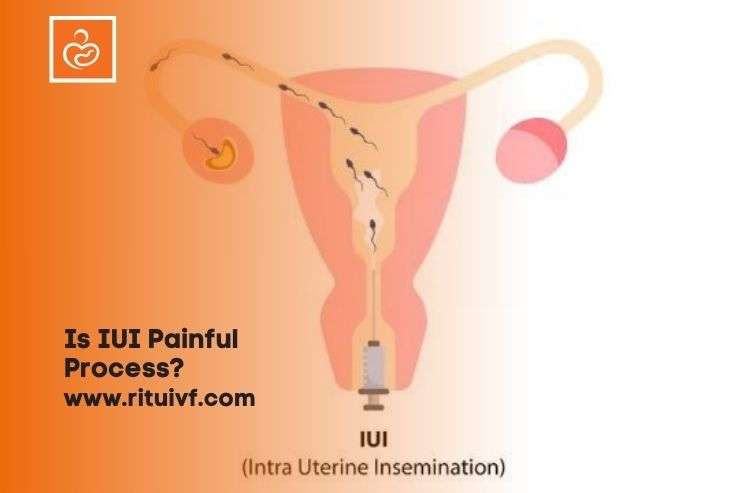
    Although intrauterine insemination (IUI) is one of the most effective treatments for infertile couples struggling to conceive, most people don’t know how it works. There are many myths about IUI and one of them is that it can be harrowing. So, is IUI a painful process? In today’s blog, we will answer this recurring question. Therefore, stay tuned till the end as we are here to clear all doubts of couples exploring IUI.

    Understanding IUI Treatment or IUI Procedure

    Like IVF, IUI is one of the most advanced fertility treatments. During this process, sperm is placed carefully into the uterus at the time of ovulation. It is a safe method and less painful than some other assisted reproductive technologies. It can also be done within minutes in an IVF center. You can go home immediately after the treatment. All these make IUI a favorable option for couples dealing with infertility.

    Doctors recommend IUI to patients under the following circumstances:

    • too thick cervical mucus
    • genetic abnormalities possessed by the male partner
    • unexplained infertility
    • ejaculation dysfunction
    • low sperm count
    • sperm motility issues

    Moreover, IUI has a high success rate and so, IUI may fulfill your dream of becoming a parent. The IUI process is painful or not? Scroll down if you are eager to know.

    Who Must Avoid IUI Treatment?

    Women with certain medical conditions cannot undergo IUI treatment. Those include:

    • damaged or blocked fallopian tubes (that’s because if the fallopian tubes don’t function properly and they can’t release eggs, IUI will not be effective)
    • being diagnosed with severe or mild endometriosis
    • when pelvic infection is the cause of infertility in the woman

    How Much Time Does IUI Treatment Consume?

    Once it is decided that IUI will be done, the first step is going for frequent blood tests, ultrasounds, and check-ups for blood tests for tracking follicle development. When a woman is ovulating, it is the right time to start IUI which is a quick procedure. Before that, medication is administered for ovarian stimulation (meaning helping the ovary to produce a greater number of eggs). This is generally done 36 hours before the IUI procedure. So, there are several steps like ovarian induction, IUI scheduling, etc., and these might take weeks.

    Is the IUI Process Painful?

    We have already mentioned that IUI is a minimally invasive procedure and therefore, usually painless. However, it involves inserting a tube into the woman’s body and you will be awake during the whole process. So, you are going to experience some sensations at that time.

    So, mild cramping at the time of catheter implantation is not uncommon but goes away as soon as the catheter is removed. The pain level also varies from one person to another. The type of discomfort you may feel will be equivalent to the kind of discomfort one experience when menstruating.

    Therefore, this mild soreness and temporary pelvic pain should not last long and need not be worried. Also, if you compare IUI with IVF, it is certainly less painful than IVF. But if the pain persists and you experience intense pain, it is not a good sign. In that case, you must consult your healthcare provider immediately.

    Note: Hot flashes can be another side effect of IUI, and many women experience that.

    The Takeaway

    So, it goes beyond saying that IUI is an affordable option to boost infertility. The success rate of IUI is another reason why you should consider it. And now that you know IUI is not a painful procedure, what are you waiting for? If your fertility specialist thinks it is the best option for you, you should opt for IUI with a positive mind.

    In case you still aren’t convinced about considering IUI, you can book a consultation with a reputed fertility clinic to know in detail what to expect during IUI.

    Frequently Asked Questions

    Q. Which is more painful, IUI or HSG?

    HSG is an advanced procedure that checks for damage or blockages in a woman’s fallopian tubes. It can be a painful procedure and the intensity of the pain differs from one individual to another. IUI also causes some discomfort, but many women who have experienced both say that HSG is more painful and the recovery time is also longer for HSG.

    Q. Are periods more painful after IUI?

    Although a minimally invasive process, IUI can affect a person’s periods. After an unsuccessful IUI cycle, the first period can be more painful than the usual menstrual cycles before IUI. The reason behind this is hormonal imbalances resulting from the IUI treatment.

    Q. Is the IUI procedure painful?

    Although accompanied by mild discomfort, IUI is not painful. You will feel a little uneasy when the catheter is inserted through the cervix, but as soon as it is taken out, the pain will disappear.

    Q. How successful is IUI on the first try?

    The success rate of IUI on the very first attempt is not more than 10- 20 percent. To increase the chances of conception, fertility specialists advise a minimum of 3 cycles.

  • Implantation Bleeding After IUI: IUI Success Symptoms and Signs of Implantation After IUI

    Implantation Bleeding After IUI: IUI Success Symptoms and Signs of Implantation After IUI

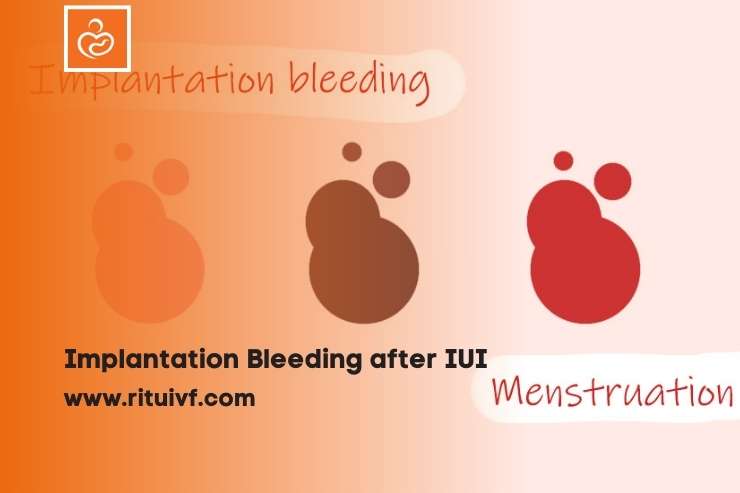
    Implantation bleeding after IUI can be an early sign of pregnancy, often mistaken for a light period. Typically, this light spotting happens when the fertilized egg attaches to the uterine lining, usually around 6 to 12 days after fertilization. For those undergoing IUI, implantation bleeding may occur about 6 to 12 days after the procedure, closely mirroring the timeline of natural conception. Understanding its timing, symptoms, and differences from regular bleeding is crucial for those undergoing fertility treatments.

    Key Takeaway:

    • Implantation bleeding is a light spotting occurring 6-12 days post-IUI.
    • It’s often lighter and shorter than a regular period.
    • Knowing the difference helps manage expectations during fertility treatment.

    Understanding the IUI Procedure and Its Side Effects

    IUI is a non-surgical fertility treatment designed to enhance the chances of conception by placing sperm directly into the uterus, helping it reach the egg more efficiently. While this procedure is minimally invasive, some women might experience light spotting immediately afterward, usually due to the cervix and vaginal tissues being slightly irritated by the catheter.

    Spotting vs. Implantation Bleeding: How to Tell the Difference

    It’s important to recognize that while spotting can occur right after the IUI procedure, implantation bleeding typically happens around a week later. Unlike menstrual bleeding, which gradually becomes heavier, implantation bleeding is usually light and spotty. This can be a promising sign of pregnancy but should not be confused with menstruation.

    Light Bleeding After IUI: Should You Worry?

     Post-IUI spotting might freak you out if you do not know the IUI pregnancy symptoms. So, let’s throw some light on this matter.

    Even if IUI is not a surgical procedure, some bleeding is considered normal, and most women experience it after undergoing the treatment. However, not all experience spotting.

    So, when does this happen? In most cases, spotting will occur soon after IUI, that is, immediately after receiving the treatment. The reason behind the bleeding is that the catheter used for inserting the sperm might irritate the tissues of the vagina or the cervix.

    However, while light spotting is not a matter of concern, heavy bleeding is. So, if there is heavy bleeding, visit your fertility specialist as soon as possible.

    Bleeding 7 Days After IUI 

    You must keep in mind that spotting is noticeable following IUI as well as several days after the IUI treatment. Bleeding one week after the treatment is a good sign as it can be indicative of a successful implantation. That’s why it’s called implantation bleeding, and it is a common early pregnancy symptom. Bleeding can also be accompanied by cramping.

    But why does implantation bleeding happen? It is an outcome of the fertilized egg attaching itself to the uterine lining.

    So, how do you figure out if it is implantation bleeding or menstruation? The answer is simple. Implantation bleeding is light whereas the flow with menstrual bleeding is heavier.

    Other Early Signs of Pregnancy After IUI

    Besides implantation bleeding, other early signs of pregnancy after IUI may include breast tenderness and a missed period. If you experience these symptoms, consider taking a pregnancy test and consulting your doctor to confirm the results.

    Parting Thoughts

    The journey through fertility treatments like IUI can be emotionally taxing, but understanding the symptoms and what they mean can provide reassurance. Remember that implantation bleeding is a natural part of early pregnancy for many women. If you’re unsure or concerned, always reach out to your healthcare provider for guidance.

    We may conclude by saying that the IUI process is worth considering if you or your partner has infertility issues. Now that we have told you about the common implantation symptoms and pregnancy signs, it will be less confusing for you to keep track of your IUI cycle.

    So, all the best, future mommy!

    Read to know: the difference between iui and ivf

    FAQ’s about Implantation Bleeding

    What is implantation bleeding after IUI, and how can you identify it?

    Implantation bleeding after IUI is light spotting that happens 6-12 days post-procedure. It’s typically pink or brown, lighter than a period, and lasts 1-2 days, indicating the embryo’s implantation in the uterus.

    Is implantation bleeding common after IUI?

    Implantation bleeding is a common early pregnancy symptom that may occur following an IUI injection. It occurs when the fertilized egg successfully attaches itself to the uterine lining.

    How do I know if it’s implantation bleeding?

    The primary symptom of implantation bleeding is light spotting or bleeding that typically lasts for a day or two. If cramping occurs, it should be mild and less intense than typical menstrual cramps.

    What week of pregnancy is implantation?

    Implantation typically occurs during the 3rd or 4th week of pregnancy.