IVF, often known as the test tube baby treatment, is a popular infertility treatment. The method involves fertilizing eggs from a woman’s ovaries with sperm in a lab dish. Reinserted into the woman’s uterus, the embryo can implant and grow into a healthy kid. IVF has helped many couples start a family, but it involves dangers, adverse effects, high costs, and fluctuating success rates.
What is Test Tube Babies?
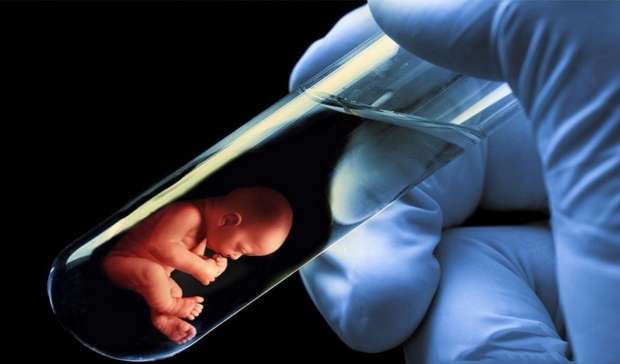
Test tube babies are babies that were fertilized outside of the body and then moved back into the uterus to grow and develop. The word “test-tube baby” was made up in the early days of IVF. I think the name “test tube” is wrong because the fertility process takes place in a Petri dish, not a test tube.
In IVF, developed eggs are taken from a woman’s ovaries and mixed with sperm in a dish in a lab. After being fertilized, the egg is left to grow into an embryo. It is then put into the woman’s uterus, where it can attach and grow into a fetus.
Is There a Difference Between In Vitro Fertilization and Test Tube Baby?
People often use the phrase “test-tube baby” to mean IVF procedure, but there are some small differences between IVF and Test tube. “Test tube baby” can be used to describe any type of assisted reproductive technology that involves fertility treatment of eggs outside of the body. “In vitro fertilization” specifically refers to the process of fertilizing eggs in a lab dish and then moving them to the uterus.
One type of ART is intracytoplasmic sperm injection (ICSI), which involves putting a single sperm straight into an egg in a lab dish instead of letting the sperm fertilize the egg on its own. When the male partner doesn’t have many sperm or their sperm doesn’t move well, this method is often used.
Putting eggs and sperm straight into the fallopian tubes is another type of assisted reproductive technology (ART). The hope is that fertilization will happen naturally. GIFT is different from IVF and ICSI in that the eggs are not fertilized outside the body in a lab dish.
Test Tube Baby Treatment
Stimulating the ovaries
The woman may take hormone-based drugs to make her ovaries make more eggs. This will improve her chances of retrieving multiple mature eggs for fertilization.
Get the egg back
Once the eggs are retrieved, a thin, bendable needle guided by ultrasound is used to take them out of the woman’s ovaries. After that, the eggs are put in a test dish to be fertilized.
Get the sperm
Most of the time, sperm from the male partner is taken on the same day as the egg removal. It may be possible to get pregnant with ICSI if the male partner has a low number of sperm or sperm that don’t move well.
Getting fertilized
In a lab dish, the eggs and sperm are put together and left to fertilize for a few days. During this time, the embryos are watched to make sure they are growing properly.
Move the embryo
A thin catheter guided by ultrasound is used to move one or more embryos back into the woman’s uterus once they have hit a certain stage of development. Any embryos that are still alive can be saved for later use.
Check for pregnancy
Usually, the woman will wait a while before getting a pregnancy test to see if the process went well after the embryo transfer. If the test comes back positive, the woman will continue to be cared for and watched over during her pregnancy to make sure everything goes well.
Success Rates for Test Tube Babies:
The success rate of IVF depends on many things, such as the woman’s age, the reason she can’t have children, and the number of eggs she transfers. The American Society for Reproductive Medicine (ASRM) says that IVF has a success rate of about 40% for women under 35. This number goes down as a woman gets older. Other things that can change the success rate of IVF are:
- How good the sperm and eggs were that were used
- The number of eggs that were found and fertilized
- How well did the egg transfer go
- The woman’s medical background and general health
Success rates for IVF have gone up over the years, but there is still no promise of success. Some couples may need more than one round of IVF before they can get pregnant.
Side Effects and Risks of Having a Test Tube Baby:
There are risks and side effects that can come with IVF, just like there are with any other medical treatment. Here are some of the most common:
- Ovarian hyperstimulation syndrome (OHSS): This happens when the ovaries are overstimulated during IVF. It causes the belly to swell and fill up with fluid, which is painful. In very few cases, OHSS can get worse and cause problems like blood clots and kidney failure.
- Having more than one baby: IVF makes it more likely to have twins, triplets, or even higher-order multiples. Having more than one baby can make you more likely to go into labor early and have a baby with a low birth weight, among other problems during pregnancy and delivery.
- Fertilized Egge Attached: When a fertilized egg attaches outside of the uterus, usually in the fallopian tube, this is called an ectopic pregnancy. Ectopic pregnancy is a serious problem that needs to be treated right away by a doctor.
- Birth Defects: The chance of birth defects is usually low with IVF, but some studies have shown that it may be a little higher than with natural conception.
What Medicines Are Used for IVF And Test Tubes?
During the IVF process, different drugs are used to help the baby grow, encourage ovulation, and stop early ovulation. Some of these medicines may be different for each person and based on the clinic’s rules, but these are the ones that are usually used for IVF:
- Gonadotropins are hormones that tell the ovaries to make more than one egg.
- GnRH agonists and antagonists: These drugs stop early ovulation by stopping the body from making its hormones.
- Human chorionic gonadotropin (HCG): This hormone starts ovulation and is used to figure out when to get the developed eggs.
- This hormone, progesterone, helps the baby grow by making the lining of the uterus thicker.
- Antibiotics: These medicines may be given to keep you from getting infections during IVF.
- Medications that reduce inflammation: These medicines may be given to reduce inflammation and increase the chances of a good implant.
It’s important to take your medications as your doctor or other fertility center tells you to and to talk to them about any worries or questions you have. It’s important to let your doctor know about any supplements or other medicines you are taking because some of them may have side effects or mix badly with other medicines.
What is the Average Cost for Test Tube Babies in India
Many things can change the cost of IVF, such as where the center is located, how experienced the medical team is, and what services are included in the treatment plan. The ASRM says that the average cost of an IVF cycle in India is about ₹1,50,000, but the real cost can be anywhere from ₹1,30,000 to ₹2,50,000. Some extra costs could be:
You should look into and compare the prices and services of several centers before making a decision. Also, it’s important to talk to your doctor or other healthcare provider about any questions or worries you have about how much IVF costs.
- Medicines that are used to get the ovaries to work and help the pregnancy
- Ultrasounds and other tests for checking
- Frozen and stored embryos
- Testing eggs for genes
- Help and guidance for fertility issues
- Some insurance plans may pay some of the cost of IVF, but it depends a lot on the policy and the state.
What Happens During Test Tube Baby Process?
There are usually several steps to the process. These steps may be different for each person, based on their situation and the clinic’s rules. But in general, the following things happen during IVF:
- Ovarian stimulation: The woman will be given medicine to make her ovaries work harder so they can make more eggs.
- Egg retrieval: Once the eggs are fully grown, they are taken out of the ovaries using an ultrasound-guided needle.
- Fertilization: Sperm is put into the eggs in a lab dish and they are fertilized.
- Embryo development: The fertilized eggs, which are now embryos, are watched for a few days in the lab as they grow.
- Embryo transfer: One or more eggs are moved to the uterus of the woman so that they can grow into a baby.
- Pregnancy test: A few weeks after the embryo transfer, a pregnancy test is done to see if the process went well.
Why Do Test Tube Babies And IVF?
There are several reasons why IVF is done. It can help couples who are having trouble getting pregnant. Whether it’s because of male or female factor infertility or a mix of the two. There are also medical problems, like endometriosis or blocked fallopian tubes, that make it hard for women to get pregnant. IVF can help these women.
IVF can also be used by couples who want to test the genetics of their eggs before they are implanted. This can help find any DNA diseases or chromosomal problems that could be bad for the baby’s health.
What can you Look Forward to After IVF and Test Tube Baby?
There are a few things you can expect to happen after IVF treatment. These may be different for each person and rely on the clinic’s specific rules, but here are some things you can usually expect
- Rest and Healing: For a few days after the number of embryo transfers, it’s best to take it easy and not do anything too hard.
- Side Effects: After the embryo transfer, some women may have slight cramps, bloating, or spotting. Most of the time, these are mild and go away on their own in a few days.
- Health Care: Until the placenta takes over, you will probably need to keep taking medicines like progesterone to support the pregnancy.
- Pregnancy Test: A few weeks after the embryo is transferred, a pregnancy test will be done to see if the process went well.
- Follow-up Visits: You will probably have more appointments with your doctor to check on the pregnancy and make sure everything is going as planned.
It’s important to remember that IVF is different for everyone. It’s important to talk to your doctor or other healthcare provider about any worries or questions you have.
Conclusion
The process known as “test tube babies” has helped many couples reach their goal of having a child. It is important to know about the possible risks and side effects, as well as the high costs. Couples who are thinking about IVF should carefully consider the pros and cons of the process. Talk to a qualified fertility specialist to figure out the best way to treat their situation.
FAQs
What exactly is a test tube baby?
IVF or test tube babies include fertilizing an egg with sperm in a lab dish and implanting the embryo into a woman’s uterus.
How are test-tube babies different from normal babies?
Physical and mental development are the same for test tube babies and normal babies. Their conception method is the only distinction.
Which age is optimal for test-tube babies?
Test tube baby treatment is best for women aged 25–35 when fertility is strongest. The decision to undertake IVF is personal and the rate depends on several factors.
Is a test tube baby healthy?
Test-tube infants are usually healthy. IVF, like any pregnancy, has risks and consequences that couples should discuss in their fertility clinic
Can a test tube baby conceive naturally?
Test tube babies can become healthy adults and give birth like anyone else. There is no evidence that IVF affects pregnancy and birth outcomes.