Category: Fertility

  • The Connection Between Diet and Fertility? What to Eat to Boost Female Fertility?

    The Connection Between Diet and Fertility? What to Eat to Boost Female Fertility?

    Have you been struggling to get pregnant despite having sexual intercourse regularly? Then perhaps you need to pay attention to what you eat. That’s because your diet directly impacts your fertility. Healthy eating plays a key role in increasing a woman’s fertility and is the foundation of blissful motherhood. So, what’s the link between diet and fertility? What are the vital nutrients your body requires when you’re trying to conceive? What foods do fertility specialists recommend to women with fertility issues? We will answer all your questions regarding fertility-friendly diets.

    Best Diet for Fertility: Foods to Increase Fertility

    While there isn’t any magic food that will instantly help you have a baby, there are many foods you can eat to reduce fertility issues, increase the effectiveness of fertility treatment, and facilitate implantation. Curious to find out more about the influence of diet on fertility? These are the foods to eat when trying to get pregnant:

    1. Vegetables and fruits

    From children to young women to senior citizens, fruits and vegetables are important for all. Let’s understand why fresh veggies, seasonal fruits, and dried fruits top the list of fertility foods for women.

    One study conducted at the Harvard School of Public Health included 18,000 subjects. The observational studies showed that women who had trans fat, carbs, animal proteins in excess, and sugar suffered from ovulatory disorders. On the contrary, women whose diet had more folic acid, iron, plant-based protein, and fiber were more fertile. What does this mean for the female reproductive health? The more veggies and fruits you intake, the more impressive your fertility outcomes. The rule is to fill half of your plate with vegetables and fruits.

    Asparagus and watermelon are among the most beneficial fruits as they contain glutathione. The compound increases your sex drive and is needed to have high-quality eggs. Berries have phytochemicals so having a handful of mixed berries daily will have a fabulous impact on fertility. Kale, another great powerhouse vegetable, has elements crucial for estrogen metabolism.

    If you don’t enjoy chewing certain vegetables and fruits, you can have some juices. However, eating whole veggies and fruits has the best effect on fertility. Even if you like juices, don’t have packaged juices and they have preservatives, added flavors, and are not fresh. So, wash your fruits properly and slice them to eat as snacks between meals. For veggies to become digestible, you can roast them in medium-high heat with a small quantity of water.

    2. Complex carbs

    For increasing fertility, try incorporating complex carbs and stay away from highly processed foods. That’s because our bodies can digest refined carbs (such as cookies, cakes, white bread, white rice, and cakes) super-fast, and they get converted into blood sugar. The pancreas is then forced to release insulin into your bloodstream to drive down the sudden spike in blood sugar levels. But how can this affect your fertility? According to doctors, high levels of insulin inhibit ovulation.

    On the other hand, complex carbs (present in whole fruits, beans, whole grains, and vegetables) take time to digest and so, they have a gradual effect on your blood sugar. Unrefined grains too are incredible sources of fertility-friendly fiber, vitamin E, and B vitamins. One of the favorites of doctors is buckwheat as it is loaded with d-chiro-inositol, an excellent compound that can improve ovulation.

    3. Fats

    An ideal fertility diet for women should include healthy fats. Fats are an inseparable part of a balanced diet to boost female and male fertility as they can reduce inflammation and offer other benefits.

    Studies have proved that consuming a limited portion of monosaturated fats throughout the IVF cycle can increase the chances of success by at least 3 times. Some good sources of fat are nuts, olive oil, grapeseed oil, and avocados. So, all women are advised to consume plant-based fats if they are undergoing fertility treatment.

    However, you must stay away from trans fat (the type of fat found in processed foods like packaged snacks and deep-fried dishes). Trans fat triggers insulin resistance and this can hurt your ovulation. So, the best meals for fertility should comprise more unsaturated fats and limited trans fat.

    4. Protein

    Plenty of protein must be included in the fertility diet for men and women. Chicken, pork, beef, and turkey are great sources of protein, iron, and zinc – all of which are building blocks to ensure a healthy pregnancy. However, you must have beef and pork in limitation as too much-saturated fat present in these types of meat can adversely affect your fertility.

    Other protein sources are seafood options like salmon, tuna, sardines, and other cold-water fish. They contain omega-3 fatty acids and DHA. These nutrients aid in the development of the nervous system of the baby and minimize the chances of premature birth. So, it will be a wise decision to consume foods rich in omega-3s the moment you plan your pregnancy.

    Other than meat, eggs can also be eaten to meet your body’s daily requirement of protein and thus, make you naturally fertile. You should continue having them after you learn you’re pregnant as they have choline, and this vitamin develops the baby’s brain. If you are a vegetarian, beans, tofu, seeds, and nuts are plant-based protein sources. So, if any ovulatory disorders are making implantation challenging, those will be resolved with the daily intake of protein.

    5. Dairy

    If you do not have lactose intolerance, dairy products should top your list of fertility-boosting foods. Yogurt, for example, is a high-fat dairy product that you can have every day. The more full-fat milk-based products you can digest, the more fertile your body will be. If you have stomach problems after having those, then you can switch to low-fat dairy like Greek yogurt. They are effective treatments for both male and female infertility and thus, must be added to your healthy diet and lifestyle.

    The Takeaway

    So, now you understand the deep connection between diet and fertility. Therefore, make sure you give your body the optimal pregnancy nutrition. Other than following a diet high in protein, vitamins, and fiber, you should also minimize the intake of caffeine, processed sugars, and alcohol.
  • Thin Uterus Lining Causes and Symptoms I How to Treat Thin Endometrium Lining

    Thin Uterus Lining Causes and Symptoms I How to Treat Thin Endometrium Lining

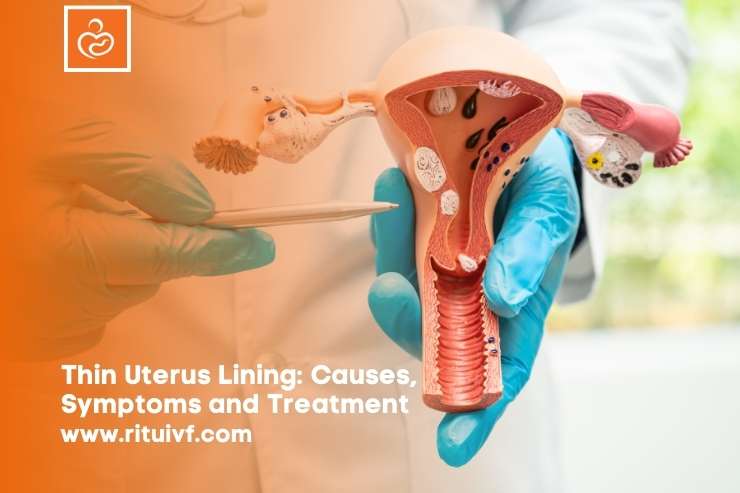
    The endometrium or uterine lining is a layer that grows and then sheds during every menstrual cycle. This layer is crucial as the embryo attaches itself to the uterine lining, a process called implantation. So, if the uterine lining is too thin, implantation will not be successful, and you won’t be able to conceive. Intrigued to know the reasons behind thin uterus lining, its symptoms, and how it is treated? Then stay tuned as in this article, you will find all the information about the thin lining of the uterus and its cure.

    What Is Thin Endometrium Lining?

    The uterine lining needs to be nearly 7-8 mm in thickness for implantation to take place. A thin uterine lining means that the endometrium lining’s thickness is not 7 mm but less than that which is thinner than usual.

    What Is the Link Between a Damaged Endometrial Lining and Your Fertility?

    The correlation between fertility and endometrial thickness is a strong one. That’s because the uterus is an important reproductive organ and so, the uterine lining should be perfect to support implantation. These are how thin endometrium may impact a woman’s fertility:

    1. When the endometrium is extremely thin, it will lack the strength to anchor a fertilized egg. That will lead to implantation failure.
    2. Again, a thin uterine lining might result in a miscarriage.
    3. Lastly, if the endometrium lining is thin, it will be challenging for a woman to get pregnant. Even if someone gets pregnant, there can be complications such as IUGR.

    Causes of Thin Endometrium

    Doctors have found the following causes behind thin endometrium:

    1. Less blood flow

    How thick your endometrium is, depends on the amount of blood flow to your uterus. If the blood flow is insufficient, the endometrium will start thinning. According to doctors, diabetes, high BP, obesity, cigarette smoking, and consumption of birth control pills are some causes of less blood flow to the uterus.

    2. Hormonal imbalance

    For both men and women, hormonal imbalance is directly connected to a person’s reproductive health. So, if your body fails to produce enough estrogen and progesterone, the uterine lining may be less than 8 mm thick. Low estrogen levels can be because of factors like stress, certain medications, and unhealthy eating habits.

    Hormonal imbalance does not just mean low levels of female reproductive hormones. Women who PCOS have high levels of male hormones/ androgens. And PCOS affects 10% of women in their 20s. Androgens can interfere with an individual’s ovulation and thicken the endometrium.

    3. Nutrition deficiency

    Do you eat a balanced diet? If a person does not eat properly, her body switches to “starvation mode”. Then it breaks down muscles to get energy. It also includes the muscles present in the uterus. Hence, this may lead to atrophy less uterine contractions, and atrophy, resulting in a thin endometrium.

    4. Age

    As we age, our ovaries cannot produce as much estrogen as the ovaries of a youthful woman. In addition, blood vessels present inside the uterine lining also lose their flexibility and they don’t heal easily. All these things contribute to thinning the endometrium. Irregular ovulation and low-quality eggs can also be held accountable for endometrium thinning.

    5. Autoimmune diseases

    These diseases take a toll on the human body and affect several bodily functions. Autoimmune disease means the immune system attacks healthy tissues mistaking them to be foreign invaders. The adverse effects can be inflammation and thinning of the endometrium. Lupus, celiac disease, rheumatoid arthritis, and Crohn’s disease. are some examples of autoimmune diseases.

    6. Uterine fibroids

    Uterine fibroids are benign growths. They are so small that the human eye can’t detect them. Fibroids can also be large enough to cause bulges in the woman’s uterus. So, fibroids affect pregnancy, thin the endometrium, and surgery is recommended to eliminate them.

    7. Infections

    Sexually transmitted infections can scar the endometrial tissue, making it thin over time. So, if you suspect you have some sexually transmitted infection, don’t feel embarrassed to go to a doctor ASAP.

    Symptoms of Thin Endometrium Lining

    Knowing the symptoms of endometritis is crucial so that you can receive timely treatment and increase your chances of getting pregnant. So, these are the symptoms that indicate you might have a thin endometrium:

    • Light or irregular periods: If periods become lighter or more irregular than usual, it can signify a thin endometrial lining. A common sign that there might be some issue with your endometrium is alterations in your menstrual cycle. If the bleeding is irregular or inadequate, perhaps the endometrium has started to thin out.
    • Infertility: Infertility is the inability to conceive despite having unprotected sexual intercourse regularly. If you are infertile, it may be linked to the endometrial thickness.
    • Discomfort: Studies have revealed that you may experience discomfort or pain in the pelvis if you have a thin endometrium.

    While some women experience the above-mentioned symptoms, many don’t experience any symptoms at all. However, if you are having trouble conceiving, a thorough check-up of your reproductive health will reveal if you have chronic endometritis.

    Read to know: How to Increase Sperm Count

    Treatment for Chronic Endometritis

    Biopsy or ultrasound can detect thin endometrium lining. If you are eager to become a mother but have been diagnosed with an extremely thin uterine lining, there are still ways to get pregnant through IVF. With some lifestyle changes and the right treatment, your uterine lining can thicken, and chances of conceiving will increase. These are your treatment options:

    1. Estrogen therapy

    Doctors suggest estrogen therapy to people with thin endometrium. One common way of increasing the estrogen levels in your body is by prescribing a gel or patch containing estrogen. You simply have to apply it to your skin dedicatedly. Another alternate method is to take an estrogen supplement in the form of tablets orally.

    Most people have witnessed that estrogen therapy makes their endometrium thick and helps them conceive. In case you feel you are having a hormonal imbalance after taking estrogen orally, immediately discuss it with your doctor.

    2.  PRP

    A person with a thin uterine lining can opt for a new kind of treatment known as PRP. The full form of PRP is platelet-rich plasma. When PRP is injected into the uterus, you will see positive results within 2-3 menstrual cycles. As far as the side effects of PRP are concerned, they are minimal. So, you won’t develop any allergic reaction after taking the injections.

    3. Hysteroscopy/ removal of scar tissue

    Endometriosis, previous surgeries, or pelvic inflammatory disease may result in scar tissue. So, if a woman has one of these conditions, the doctor may go ahead with surgery to get rid of the scar tissue. Hysteroscopy is the medical term for this kind of surgery.

    During hysteroscopy, a fertility specialist inserts a small camera into the uterus and explores the uterine cavity to detect problems. The camera is inserted through the vagina and once the doctor spots the scar tissue, he removes it with a special instrument. Some cramping or bleeding is normal after the completion of the procedure. There is no reason to worry as the side effects will subside in no time.

    4. Lifestyle changes

    Some resources claim that endometrium can be thickened naturally by looking after your body. So, if the test reports confirm that you have a thin endometrium, you can try the following things:

    1. For increasing vascularity, practice yoga or some other form of exercise regularly.
    2. Keep track of your periods and give enough rest to your body. You will be surprised to learn that stress can decrease blood flow to the uterus, affect hormone levels, and make the endometrium thin.
    3. To better your endometrial health, consume foods that are loaded with minerals and vitamins, especially omega-3 fatty acids, and vitamin E. Other than eating vegetables, whole grains, and fruits, you should also avoid foods that are loaded with saturated fat.
    4. For thin endometrium, smoking is a serious risk factor. So, your doctor will advise you to quit smoking as reduces a woman’s fertility significantly.

    To Sum Up

    We may conclude by saying that thin endometrium can be caused by diverse factors and low levels of estrogen are the most common cause. However, this condition is treatable through surgery, dietary modifications, and hormone therapy. So, if you have a thin endometrium, do not delay the treatment as it is decreasing your chances of conceiving. Wish you all the best!

    Know More:

    IVF Follicle Growth Chart

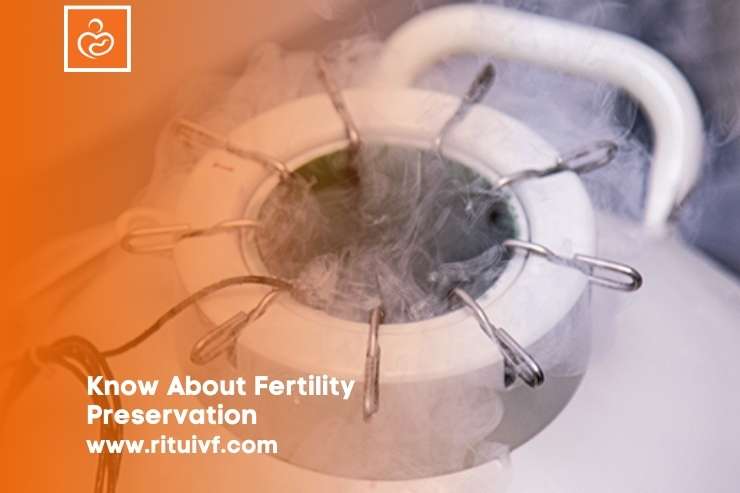
  • Know About Fertility Preservation Services and Treatment

    Know About Fertility Preservation Services and Treatment

    As the term denotes, fertility preservation means protecting or saving eggs along with the reproductive tissues so that a woman can have biological babies in the future. It is a fantastic option for people who become infertile due to growing age or health issues. While some people opt for fertility preservation services because they don’t have immediate plans of becoming a mother, others choose it due to sicknesses like cancer. Whatever your reasons to consider freezing your eggs, you are at the right place. In this article, we will tell you everything you need to know about the process of fertility preservation so that you can decide if it’s best for you.

    Female and Male Fertility Preservation: Why Is It Important?

    If you have certain conditions and diseases, your future fertility can be at risk. The reason could be anything from critical surgery to getting diagnosed with cancer. Even if you have no fertility issues at present, your doctor might recommend fertilized egg freezing if you don’t want to have children in your 30s. These are the top reasons why it makes sense to preserve fertility:

    1. Age: Do you feel you are not ready to conceive now as you’d like to travel the world, become financially stable, and achieve professional goals? As an ambitious woman, you can think about preserving your fertility. Then you won’t have to worry about your biological clock ticking and you can live your life freely, focus on your career, or wait patiently to meet your soulmate.
    2. Cancer: Cancer takes a toll on the human body and so do cancer treatments. Radiation therapy, surgery to remove cancer, and chemotherapy impact the body of the patient immensely, weakening their immunity and decreasing their fertility. So, for breast cancer patients who dream of becoming a parent to their biological child someday, finding an egg-freezing clinic is advisable.
    3. Transgender care: Did you know that an individual’s reproductive abilities get altered when they go ahead with gender-affirming treatments? So, doctors suggest they save their sperm, eggs, or embryos before the treatment.
    4. Reproductive health issues: For some women, it becomes challenging to conceive even if they aren’t infertile. For example, uterine fibroids and endometriosis are two such conditions that stand in the way of a woman struggling to conceive. Fertility preservation treatment can come to their rescue in such situations.
    5. Autoimmune diseases: Ailments such as rheumatoid arthritis and lupus can trigger fertility problems. There is even evidence that reveals that the treatment of rheumatoid arthritis decreases a person’s fertility. So, why take chances when medical science has advanced so much and you have the option of egg freezing? If you are still not sure about it and you have any questions, you can book an egg-freezing consultation with a well-known clinic.

    Fertility Preservation Services for Women

    Fertility preservation procedures differ widely. So, having some information about fertility processes will let you know what you should expect.

    ·         Embryo freezing

    Embryo freezing is a process that involves removing the eggs from a woman’s ovaries. Then, the fertility specialist will proceed with fertilizing the eggs with donated sperm or the sperm of your partner, thus creating embryos. The other name for this procedure is IVF (in vitro fertilization). Depending on what you want, the doctor will perform embryo implantation right away or store the embryo for future use. The latter is known as embryo/ oocyte cryopreservation.

    ·         Preservation of ovarian tissue

    For someone undergoing cancer treatment, they may not have enough time (4- 6 weeks) required for receiving hormone treatment. So, the most feasible option is ovarian tissue cryopreservation after removing it from the body. Once the cancer treatment is complete, the surgeon will reimplant the ovarian tissue. Once it regains function, becoming pregnant through IVF won’t be a hassle.

    ·         Egg freezing

    The process of egg freezing will commence with ovarian stimulation. After that, your eggs will be removed. Lastly, the provider will freeze the eggs and store them. If you are looking for affordable egg-freezing facilities, you should know that the prices vary based on the city where you live and the fertility clinic you choose.

    ·         Radiation shielding

    Did you know that your ovaries can be protected with the help of a lead shield during your radiation treatment? This is a kind of fertility assistance for cancer patients. Additionally, your doctor can use the latest radiation technologies that will limit the radiation dose that your ovaries receive.

    ·         Ovarian transposition

    Oophoropexy or ovarian transposition is an excellent procedure that can safeguard the ovaries during radiation treatments. During this procedure, your ovaries will be moved up, into the abdomen and away from the site of radiation therapy.

    Treatments to Preserve Fertility in Men

    Fertility preservation services are not just for women. Men too search for fertility preservation near me and two common fertility preservation options for men are:

    ·         Sperm freezing

    A non-invasive procedure, sperm freezing is the easiest way to preserve the fertility of a man. First, you will ejaculate semen into a container and then, you will give it to your fertility specialist. The sperm cells can be stored for years. In case you are unable to provide the sample due to anxiety, pain, illness, or some religious reason, the following assistance will be provided by your doctor:

    1. Reproductive medicine: Several kinds of drugs are available that can help a person ejaculate or address problems that prevent ejaculation.
    2. Electroejaculation: This involves guiding a probe into a person’s rectum and it will stimulate the prostate with an electrical current, mild. The current will make you ejaculate, and this is generally done when the person is under the effect of anesthesia.
    3. Vibratory stimulation: Ejaculation can be triggered by vibration.

    ·         Testicular tissue freezing

    The surgeon will use a scalpel to collect testicular tissue from your body. After that, the tissue will be preserved in a lab.

    When Is the Right Time for a Fertility Preservation Program?

    Patients with cancer should freeze eggs the moment they learn about their illness. As age affects fertility, women should explore fertility preservation methods before they are 35 years old, even if they are healthy and fit.

    The Bottom Line

    We may conclude by saying that many people have beautiful and healthy babies after fertility preservation treatment and so, it could be a great option for you.

    References:

    What is fertility preservation? | NICHD – Eunice Kennedy Shriver National Institute of Child Health and Human Development (nih.gov)

    The use of fertility preservation services for cancer patients: a single institution experience – PMC (nih.gov)

  • 7 Signs of Ovulation: Ovulation Symptoms to Observe 

    7 Signs of Ovulation: Ovulation Symptoms to Observe 

    Ovulation is an important phase of the feminine reproductive system and during this phase, any one of the ovaries ends up releasing an egg. Ideally, it should happen two weeks prior to your menstrual cycle and if you’re trying to conceive, knowing the obvious 7 signs of ovulation will make things easy for you. That’s because once you start ovulating, the next 24 hours is the best time to have intercourse as the egg won’t live longer than 24 hours.

    So, when does ovulation begin and what fertility signs indicate that now is the best time for your body to make a baby? Intrigued to learn more about your reproductive health so that you can know when ovulation occurs? Then you have come to the right place and we will tell you all about the symptoms of ovulation and how to predict ovulation.

    Key Signs and Symptoms of Ovulation

    When you ovulate, your body has its way of communicating it to you. So, to track ovulation, you must have some idea about the kinds of symptoms you should expect. Here’s what fertility specialists say about the common signs of ovulation and 7 days after ovulation symptoms that you are likely to experience every month.

    1. Alterations in cervical fluid

    Trying to get pregnant won’t be challenging if you are mindful of the changes occurring in your cervical fluid. Cervical fluid is like the white portion of an egg and when ovulation nears, it turns more transparent and stretchy, resembling the egg white. While not all women have the same kind of cervical fluid, ovulation usually happens on that day when the cervical mucus release is the highest. So, if you are wetter on a certain day, this could be a hint.

    [Note: To test the quality of the cervical mucus, wash your finger and insert it into the vagina. Take out some mucus and if it is stretchy, sticky, and slippery, you are fertile at the moment. If your body does not produce as much cervical fluid as it should, there are excellent products to improve the production of cervical fluid].

    2. Alterations in basal body temperature

    Does your basal body temperature decline slightly when your ovulation date approaches? This is among the ovulation symptoms and if you observe minutely, you will notice that the temp. also increases drastically after ovulation. This sudden spike in the basal body temp. is an indicator that you just had your ovulation. So, gynecologists advise to track the basal body temperature for a few months before ovulation.

    3. Breast tenderness/ soreness

    The menstrual cycle ovulation period is also characterized by sore nipples or tender breasts, and these are other ovulation signs. While some women say the breast soreness is before ovulation, for others it can be right after ovulation. Breast tenderness also occurs when you are on your period and the reason behind it is hormonal changes. During this phase, you can wear a bra that isn’t too tight to lessen the pain.

    4. Pain in the abdomen

    Other than breast tenderness ovulation, you may also have to deal with extremely normal ovulation pain. This pain happens in the lower abdomen, and it will be like a sharp pain that will disappear within a few seconds or minutes. If the pain is persistent, you can take some anti-inflammatory medicine. If the pain remains, it can be related to an ovarian cyst or endometriosis.

    5. Headaches and nausea

    Ovulation does not make you sick and it won’t stop you from following your daily routine. However, on the day of ovulation, you may feel nauseous and have a headache. These are among the side effects of ovulation and are triggered due to changes in the levels of progesterone and estrogen. Although many girls of childbearing age face these two issues, these are not severe symptoms and they do not require any medication.

    6. Light discharge or spotting

    A small amount of brown discharge or spotting can be caused by ovulation because of a surge in hormone levels. This symptom occurs if the follicle surrounding and protecting the developing egg (oocyte) matures and ruptures, thus resulting in mild bleeding. It is not a matter of concern as the spotting won’t persist. But, if the spotting is recurrent, you should book an appointment with a physician to rule out the chances of infections and ectopic pregnancy.

    7. More libido

    The urge to have sex and sexual satisfaction is more in women on the day of their ovulation and the day after ovulation. It is simply Mother Nature’s trick to encourage procreation. Research has revealed an interesting fact about enhanced libido during pregnancy: Women who regularly have sex are more likely to experience a boost in their libido than single women.

    Ovulation Cycle Tracking

    Tracking your ovulation is crucial if you have been struggling to get pregnant. But how to detect ovulation accurately?

    Many women rely on ovulation predictor kits so that they don’t miss their 12-24-hour window and increase their chances of conceiving. These kits measure the levels of LH (luteinizing hormone) in the urine. Hence, if the predictor shows a positive result, you can take it as a clue that you will ovulate within 24- 36 hours.

    Know more: What is ovulation days

    The Final Thought

    We may conclude by saying that the symptoms of ovulation vary from one person to another. However, the above-mentioned 7 signs of ovulation are the most common ones that most women experience.

    Another thing that you should keep in mind is that its timing may also differ. While some people ovulate on the same day of their menstrual cycle every month after month, others ovulate on different dates each month. And by now you have already understood how intimately ovulation is connected to your pregnancy. So, we hope you pay attention to the signs by maintaining an ovulation calendar and make sure you consult a doctor if you have irregular ovulation. There are amazing reproductive technologies designed to benefit women who do not ovulate regularly.

  • Premature Ejaculation: Causes, Symptoms And Treatment

    Premature Ejaculation: Causes, Symptoms And Treatment

    Sexual dysfunction in men is called premature ejaculation (PE), which can mess up their lives and relationships with other people. To take care of this condition well, you need to know what causes it, what its symptoms are, how to help delay ejaculation, and what the treatment for premature ejaculation is. We want to shed some light on these issues and give you useful tips on how to handle ejaculating too soon.

    Definition of Premature Ejaculation?

    The inability to delay ejaculation during sexual intercourse is the main cause of premature ejaculation. When a man can’t hold orgasm, then his partner would be in stress or dissatisfaction. This erection issue can affect men of all ages.

    Symptoms And Causes

    Who can Experience Premature Ejaculation?

    This male sexual problem can start at any age. Men their age are more likely to do it because they don’t know as much about or control their sexual encounters.

    Types of Premature Ejaculation (Sexual Dysfunction)

    There are two main types of premature (early) ejaculation:

    • Lifelong Premature Ejaculation (Primary): Men start ejaculating too soon after their first sexual experience, and it doesn’t go away.
    • Acquired Premature Ejaculation (Secondary): It happens after the person has been sexually active normally for a while. Usually, the environment or things in the mind are to blame for this.

    What Makes a Person Ejaculate before they should?

    Many things can make you ejaculate too soon, such as mental, physical, and environmental factors. Here are a few common reasons:

    Stress, depression, worry, relationship issues, and traumatic events in the past are some of the psychological factors that can make someone ejaculate too soon.

    It could be because of problems with the thyroid, neurotransmitter levels that aren’t normal, the ejaculatory system response activity that isn’t normal, or the prostate or urethra.

    Behaviors: Ejaculation can happen before it should if you have bad habits like masturbating quickly or were sexually conditioned as a child.

    What are the Symptoms of Premature Ejaculation?

    You can’t hold off ejaculation for long enough while you’re sexually active. This is the main sign of rapid ejaculation. These are some other signs that may be linked:

    • Each time they penetrate, they ejaculate in less than a minute.
    • The situation is making them have trouble, get angry, or worry.
    •  They do not perform intercourse because they are afraid of failing.

    Does Ejaculating Too Early Affect Fertility?

    Most of the time, ejaculating too soon doesn’t directly affect pregnancy. If ejaculation always comes before vaginal penetration, on the other hand, it might be harder to get pregnant. That problem can be solved and your chances of getting pregnant are raised by getting help as soon as possible.

    How can you tell if someone does it too early?

    To find out if someone is ejaculating too soon, it’s important to look at their medical history, sexual history, and physical exam. Some tests may also be done to check the levels of hormones and rule out any underlying health problems.

    What is the Treatment for Premature Ejaculation?

    The International Society for sexual medicine finds management of premature ejaculation through behavioral changes, counseling, and medical methods.

    Here are some well-known treatments:

    1. Ways to change behaviors:

    In the Start-Stop Technique, you stop being sexual to make ejaculation last longer, and then you slowly make it last longer.

    Another way to stop ejaculating is to squeeze your penis. This is known as the “Squeeze Technique.”

    2. Getting help for mental health:

    With cognitive behavioral therapy (CBT), the mental issues that lead to early ejaculation are looked at and ways are found to handle them.

    As part of sex therapy, people work on their communication, and relationship issues, and learn how to stop ejaculating.

    3. Drugs:

    Selective serotonin reuptake inhibitors (SSRIs): These medicines can help you hold your ejaculation for longer.

    Topical anesthetics are creams and sprays that numb the penis. This makes it less sensitive and slows down ejaculation.

    Type of male sexual dysfunction

    There are two types of sexual dysfunction in males. Which are very different from one another. Treatments are available depending on the cause.

    It’s called erectile dysfunction if a man can’t get or keep erection

    It’s called premature ejaculation when a man ejaculates too soon while he’s making sexual activity

    Conclusion

    The most common reason men have sexual problems is ejaculating too soon. Many people who ejaculate too early need therapy for premature ejaculation. PE may include medication, behavioral changes, and psychological counseling. Ritu IVF fertility center provider gives close care should be given to patients to make sure they get treatment and their partner is sexually satisfied.

    Checkout Our Latest Post on: Ectopic Pregnancy Treatment, Symptoms, And Causes

    FAQs related to diagnosis and treatment

    Are there exercises that can help with ejaculating too soon?

    Urology suggests Kegel exercise is used to treat men’s semen. This pelvic floor exercise treats premature ejaculation also.

    Is there a way to completely stop premature ejaculation?

    Yes, many people can successfully control and overcome premature ejaculation with the right treatment and techniques, making their sexual experiences much better.

    When should you see a doctor about ejaculating too soon?

    Seeking help from a medical professional, like a urologist or sex therapist, is suggested if you consistently ejaculate this makes you unhappy or distressed in your sexual life. They can give you the right advice and treatment options.


  • Boosting Male Fertility: How to Increase Sperm Count and Motility

    Boosting Male Fertility: How to Increase Sperm Count and Motility

    To get more sperm, you can change your food, work out, take medicine, or make some other changes to your lifestyle. This piece will talk about all the important parts and how to increase sperm count and boost fertility.

    Reasons For The Low Sperm

    Researchers have found that guys around the world have less sperm than they used to. Because of this scary new knowledge about men’s fertility health, it is important to listen to your doctor right away. This is why there are many ways to improve the health, number, and movement of sperm.

    A low number of sperm is often the reason men cannot have children. The WHO says that a low sperm count is less than 15 million sperm per milliliter of sperm or less than 39 million sperm per pee. Regular sex without protection for a year should usually get you pregnant. If that does not happen, you should talk to a good doctor about how to make your sperm better for pregnancy.

    Genes are the main reason for male infertility. Their general health and fitness level are also reasons for infertility. More reasons, like illnesses, getting older, or toxins in the environment, also count. Sperm and the ability to move around get worse with age, which makes people less fertile, especially after age 50. Still, natural treatments and some changes to your daily routine help the hormones. This might help boost sperm count and make you healthier.

    How Can To Increase Sperm Count And Motility?

    Here are some of the best ways on how to increase sperm count

    Get enough rest and work out often

    Aside from being good for your health, working out regularly can also raise your testosterone levels and have normal sperm motility. Men who worked out had higher amounts of testosterone and better sperm quality than men who did not do much. Even though it might drop testosterone levels, it is best not to do too much exercise. If you want to know how to increase sperm count naturally, the first thing you should do is make time for exercise.

    D-aspartic acid vitamins

    Aspartic acid comes in different forms. One is D-aspartic acid (D-AA), which is sold as a health food. Most of the D-AA in the body is in the sperm, and a few cells are in the testicles. A lot of people think that D-AA improves the fertility of men. Men who cannot have kids have a lot less DAA in their bodies than men who can. Studies back this up by showing that taking DAA supplements may raise testosterone levels. Testosterone is a male sex hormone that is important for pregnancy in men. A controlled study found that healthy men who took three grams of D-AA pills every day for two weeks had 42% more testosterone in their bodies. But first, you should talk to your doctor.

    Avoid Drugs To Increase in Sperm Count

    Some medicines might make it harder for the body to make good sperm. His sperm count should go back to normal or even go up once the man stops using drugs. Some medicines that may stop the growth and production of sperm temporarily are

    • Drugs that kill germs
    • Pain-relieving drugs
    • Blockers of androgens
    • Mental health drugs
    • Drugs for being sad
    • Added to or taken from outside the body, testosterone

    Even a year after someone stops taking anabolic steroids, they may still have a lower number of sperm and fertility issues.

    Men should see a doctor immediately if they suspect their medication is lowering their sperm count or making it harder to conceive.

    Want to know whose sperm is used in ivf

    Take in enough of the C

    Many studies have found that women who take antioxidant pills, like vitamin C, may be able to get pregnant. There is oxidative stress when the body’s reactive oxygen species (ROS) levels are too high. It happens when the body’s natural antioxidant defenses are weak due to sickness, getting old, and living an unhealthy life. One more reason is exposure to pollutants in the surroundings. Eating enough vitamin C and other antioxidants can help lessen some of these negative effects. Several studies have found that getting more vitamin C may improve sperm count and sperm health. A lot fewer damaged sperm cells were seen when people took extra vitamin C. The amount of sperm also went up, and they were able to move around better.

    Get more vitamin D

    Researchers in medicine found that guys with more vitamin D in their blood were more likely to be able to have children. Sperm count may also go down if you do not get enough calcium. Vitamin D might be important for both men and women who want to have children. This extra vitamin could help raise the amount of testosterone in the body. When they took 3,000 IU of vitamin D3 every day for a year, increased testosterone levels by up to 25%.

    Make sure you get enough iron and folate

    Eating folate and zinc together may be the best foods to increase sperm production and health in general, as it may increase sperm count and concentration. Some of the best foods to eat that are high in zinc are meat, fish, eggs, and shrimp. Trends show that low zinc levels are linked to low testosterone, poor sperm, and infertility in men. People who do not have enough zinc in their bodies but take supplements have higher testosterone and sperm numbers.

    How To Increase Sperm Count – Try Ashwagandha

    Another name for ashwagandha is an Indian ginseng. It has been used for a long time in traditional medicine to treat several sexual issues and to improve sperm. Studies show that ashwagandha may raise testosterone levels. This may make guys more likely to get pregnant. Men with low numbers of sperm cells were much more likely to get pregnant after taking 675 mg of ashwagandha root powder every day for three months. The semen quality and amount increased by 53%, the number of healthy sperm increased by 167%, and the movement of sperm increased by 57% from the start of the study.

    Take extra vitamins with fenugreek

    Fenugreek has been used for a long time to treat bad sperm at home. Some experts also think it may help add more sperm. Thirty men who worked out four times a week and took 500 mg of fenugreek powder every day were the subjects of the study. The 2017 study found that furosap, a unique substance made from fenugreek seeds, increased the number and quality of sperm by a large amount.

    Read to Know More: what is azoospermia

    Take a deep breath and calm down

    Having too much stress can make it harder to get pregnant and make you less happy with your sexual life. Scientists think that the stress hormone cortisol might be responsible for some of these bad effects. For a long time, tension makes your cortisol levels rise, which is very bad for your testosterone. When cortisol levels rise, testosterone levels usually drop too. To deal with stress better and make your sperm bigger and stronger, you could go for a walk outside, meditate, work out, or simply hang out with friends.

    Most guys will not be able to have children at some point in their lives. Ritu IVF can help you and your partner if you have trouble getting pregnant. They can help you get how to increase sperm count with the right care and figure out what is wrong.

    Discover more: what is hyperspermia

  • Bulky Uterus And Fertility: Symptoms, Diagnosis, Causes And Treatment by Ritu IVF

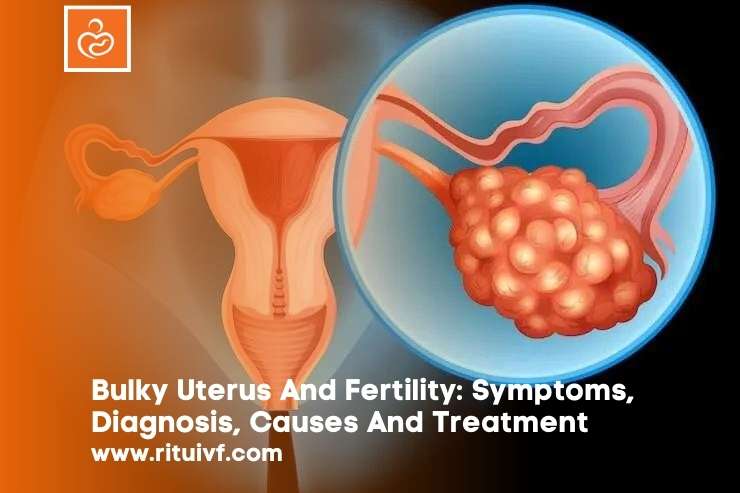
    Bulky Uterus And Fertility: Symptoms, Diagnosis, Causes And Treatment by Ritu IVF

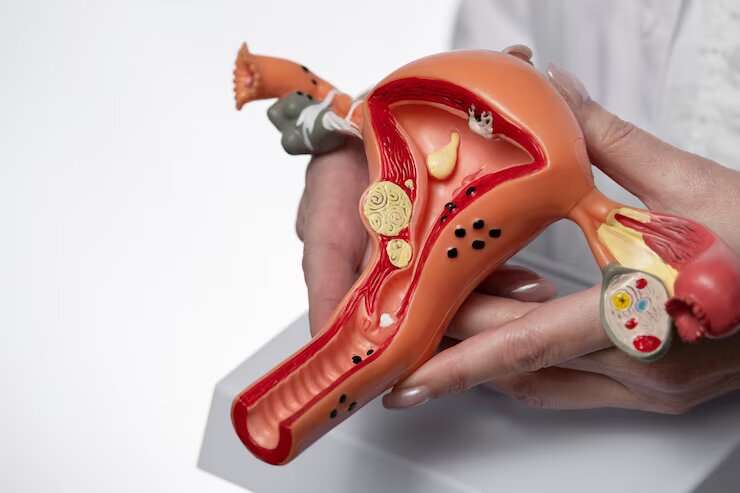
    An excessively enlarged uterus is also called uterine enlargement or adenomyosis. In medical terms, can have a big effect on a woman’s ability to have children. We will talk about the treatment for a bulky uterus and fertility, diagnosis, and what causes an enlarged uterus in-depth piece, with a focus on how uterus growth affects fertility.

    What is a Bulky Uterus And Fertility?

    A big uterus is an enlarged uterus, which can cause several different things. A condition called adenomyosis is linked to this disease. In this condition, the lining tissue of the uterus starts to grow into its muscle walls, which makes it bigger.

    Symptoms of a Bulky Uterus

     Knowing the signs of a uterus that is too big is important for getting the correct evaluation of a bulky uterus and fertility treatment right away. Some common signs are

    • Period Problems: Women with an enlarged uterus may experience prolonged or heavy menstrual periods.
    • Pelvic Pain: One of the most noticeable symptoms is pelvic pain that doesn’t go away. It’s often described as dull and aching.
    • Pressure or Fullness: Some women may feel like their lower belly is pressing down on them or being full.
    • Sexual Activity That Hurts: Adenomyosis can make sexual activity uncomfortable or painful.

    Fertility Issue: If you have a lot of losses or trouble getting pregnant, it could mean that your uterus is too big making it harder for you to get pregnant.

    Diagnosis Of Bulky Uterus

     For focused treatment, it’s important to know what causes a big size of the uterus. Uterine enlargement is typically due to adenomyosis, although there are other factors that can also lead to this condition:

    Adenomyosis

    This is the main reason why the uterus is big. When the endometrium, the tissue that lines the uterus, invades the muscle walls of the uterus, making it bigger, called adenomyosis. We don’t know the exact cause of adenomyosis, but inflammation and hormonal changes may be to blame.

    Fibroids

    Uterine fibroids are growths that can form inside the uterine walls that are not dangerous. These growths can make the uterus bigger and are affected due to genetics and changes in hormone levels.

    Endometrial Hyperplasia

    Hyperplasia is an overgrowth of the endometrial covering that can make the uterus bigger. An imbalance of hormones, especially too much estrogen compared to progesterone, is often linked to this disease.

    Uterine Polyps

    Polyps in the uterus are small, harmless growths on the uterus lining. Typically non-cancerous, these conditions can cause the uterus to become bulky and are often associated with hormonal changes.

    Pelvic Inflammatory Disease (PID)

    Infections of the reproductive system, like PID, can cause swelling and scarring, which can make the uterus bigger.

    Previous Uterine Surgery

    Having surgery on the uterus, like a Cesarian section or a myomectomy (fibroid removal), can cause scar tissue to form and the uterus to get bigger.

    Hormonal Imbalances  

    Changes in hormone levels, particularly estrogen and progesterone, can interfere with the uterus’s normal functioning, causing it to become enlarged.

    Congenital Abnormalities

    Some people may have a naturally bigger uterus. Various factors, including having an enlarged uterus, can lead to congenital abnormalities present at birth.

    Polycystic Ovary Syndrome (PCOS)

    PCOS is a hormonal problem that can cause periods to be irregular and hormonal imbalances, which may make the uterus get bigger.

    Being overweight

    Overweight can cause changes in hormones that can make the uterus get bigger. Being overweight increases the likelihood of developing adenomyosis and other related conditions.

    Causes of Bulky Uterus

     People who want to get pregnant need to know what causes the uterus big and how it affects fertility. An enlarged uterus can lead to several health problems that can make it hard to get pregnant.

    • Changes in the Shape of the Uterine Cavity: The growth can change the shape of the uterine cavity, which makes it hard for a fertilized egg to implant.
    • Irregular Periods: Heavy menstrual bleeding and irregular periods can hinder pregnancy by disrupting ovulation and altering the uterine environment.
    • Trouble with Implantation: Adenomyosis can make it harder for the embryo to attach, which increases the risk of miscarriage.

    Treatment Options for Bulky Uterus

    A big uterus treatment depends on how bad the symptoms are and if they want to have children. Some treatment options are:

    Medication: Nonsteroidal anti-inflammatory drugs (NSAIDs) may be given to ease the pain and swelling that come with adenomyosis.

    Hormonal Therapy: Birth control pills or hormonal reproductive devices are two examples of hormonal treatments that can help control periods and ease symptoms.

    Surgery: Surgical choices like hysterectomy may thought of in severe cases or when non-invasive treatments don’t work.

    FAQs Regarding Enlarge Uterus

    Q1: Is having a big uterus a normal thing that shouldn’t worry you?

    A1: Some changes in uterus size are normal. If you have heavy bleeding or pelvic pain that won’t go away, you should see a doctor.

    Q2: How can I treat a big uterus if I don’t want to have surgery?

    A2: Yes, treatments that don’t involve surgery, like medicine and hormone therapy, can often help manage symptoms.

    Q3: What effect does adenomyosis have on fertility?

    A3: Adenomyosis can make it harder to get pregnant and raise the risk of loss by changing the environment inside the uterus.

    Q4: Can someone get pregnant if their uterus is big?

    A4: Yes, many women with a big uterus can get pregnant and have healthy babies if they get the right care.

    Conclusion:

    Early detection of Bulky Uterus and fertility, a correct diagnosis, and personalized treatment plans are necessary to control this condition. It improves the chances of getting pregnant with IVF or by a natural process. If you think you might have bulky uterus symptoms, you should see a fertility Specialist right away to get personalize advice and care.


  • Epididymitis Treatment: You Need To Know Everything

    Epididymitis Treatment: You Need To Know Everything

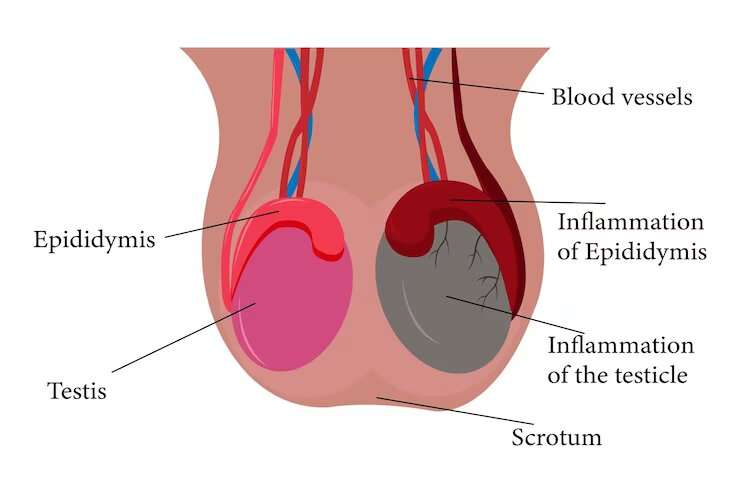
    Epididymitis is an illness or inflammation of the epididymis, a very important structure that stores and moves sperm. At the back of each testicle is a narrow, twisted tube called the epididymis. It connects the testes to the vas deferens, which is the tube that sperm go through when a man ejaculates. If the epididymis includes irritation or swelling, it can cause pain, swelling, and other unpleasant symptoms. In this article, we guide you on everything you need to know about epididymitis treatment

    What Is Epididymitis And Treatment? How Do People Get Epididymitis?

    Men of all ages can get epididymitis, but young people and older men are most likely. Sexually active men, especially those younger than 35, are more likely to get epididymitis. This disease is also more likely to happen to people who have had urinary tract infections (UTIs), prostate infections, or epididymitis in the past.

    What Kinds of Epididymitis Are There?

    Epididymitis includes two main groups:

    1. Acute Epididymitis: This kind comes on quickly and causes a lot of pain, swelling, and inflammation. It happens a lot because of bacterial illnesses, like STIs or UTIs.

    2. Chronic Epididymitis: Symptoms of chronic epididymitis come back more than once a week for more than six weeks. When someone has chronic epididymitis, the pain is generally not as bad as when they have acute epididymitis, but it can last for a long time and make life difficult.

    Symptoms Of Epididymitis

    Cases of epididymitis are usually caused by an infection with germs, which can happen for several reasons, such as:

    Sexually Transmitted Infections (STIs): Epididymitis can be caused by common STIs like gonorrhea and chlamydia, especially in sexually active people.

    Urinary Tract Infections (UTIs): Bad bacterial infection from a UTI can sometimes get to the epididymitis through the urethra.

    Infections in the Prostate: Infections in the prostate can spread to the epididymis and make it swell up.

    Damage or Injury: An injury to the testicles (testicular) or damage to the groin area can also cause epididymitis.

    Risk Factors And Causes Of Epididymitis

    Epididymitis signs can range in severity and may include:

    Pain and Tenderness: One or both testicles usually hurt and feel tender, and they may also swell and turn red.

    Fever and chills: People who have epididymitis may sometimes get fever and chills.

    Urinary Tract Infection: You may have signs like having to go to the urine a lot and having pain when you do it.

    Penis Discharge: If an STI is to blame, there may be a penis discharge.

    Is Epididymitis a Problem with Fertility?

    Potentially, epididymitis could impair fertility. Sperm storage and transportation are components of the male reproductive system that rely heavily on the epididymis. Scarring or obstruction of the epididymis caused by inflammation or infection can impede the sperm’s ability to travel, ultimately leading to complications with fertility. Epididymitis must be treated and managed expeditiously to reduce the likelihood of developing fertility complications.

    How Can I Tell If I Have Epididymitis?

    A doctor must do a full exam on the person to diagnose epididymitis. The exam may include the following:

    Medical History and Physical Exam: The doctor will talk about the symptoms and medical history. He or she will also do a physical exam to check the testicles’ swelling, soreness, and general health.

    Urinalysis and blood tests: These can help find out if there is an infection or swelling.

    Ultrasound: The epididymis and testicles can be seen on an ultrasound, which helps prove the diagnosis and rule out other conditions.

    What Is Epididymitis Treatment

    Epididymitis is usually treated with a mix of medicine, rest, and changes to how you live your life:

    Infections caused by bacteria: If the illness is caused by bacteria, a course of antibiotics is given to kill the bacteria.

    Pain Management: To ease pain and soreness, painkillers and anti-inflammatory drugs may be suggested.

    Rest and Elevation: Giving the scrotum a break and raising it may help reduce pain and stiffness.

    Ice Packs: Putting an ice pack on the hurt spot can also help reduce pain and swelling.

    FAQs Related Chronic Epididymitis

    Can Epididymitis cause chronic issues?

    Chronic epididymitis, abscesses, and scarring might result from untreated or delayed therapy. Preventing long-term complications requires prompt medical intervention.

    Does epididymitis ever necessitate surgery?

    Surgery may be needed to clear an abscess in rare situations. Surgery for epididymitis is rare and reserved for severe instances.

    Epididymitis prevention?

    Secure sex, excellent cleanliness, and timely UTI treatment are preventive strategies. If you suspect Epididymitis, consult a doctor immediately to avoid complications and get treatment.

    Conclusion

    Epididymitis is a disease that can be very painful and could make it hard to get pregnant. People who are having signs of epididymitis should see a doctor right away to get a correct diagnosis and the right treatment. People can successfully manage and avoid epididymitis if they know what causes it, what the symptoms are, and how to treat it.

  • Dr. Ritu Agarwal – Best Fertility Specialist in Jaipur with High Success Rate

    Dr. Ritu Agarwal – Best Fertility Specialist in Jaipur with High Success Rate

    Beginning the process of becoming a parent may be a rough and bumpy road, one that is frequently replete with emotional ups and downs along the way. The importance of having the appropriate fertility doctor by your side cannot be overstated for individuals who are navigating the challenging landscape of infertility. One person’s name stands out as a ray of hope and that person’s name is Dr. Ritu Agarwal – the best fertility specialist in Jaipur. In this in-depth look at the topic, we investigate the reasons why Dr. Ritu Agarwal is the most qualified IVF doctor in Jaipur. In addition, we will discuss the extensive variety of services and treatments that she provides, and we will conclude with a set of commonly asked questions designed to assist individuals who are considering infertility issues

    Expertise and a Proven Track Record: Dr. Ritu Agarwal, the Shining Example of Best IVF Specialist in Jaipur

    Dr. Ritu Agarwal, a specialist at Ritu IVF, Jaipur Fertility Centre has built an outstanding name for herself as a result of her unflinching dedication and consistent level of success in guiding couples through the reproductive process over many years. Her knowledge and experience cover the entire gamut of fertility therapies because she is the head of the fertility department at a prestigious hospital.

    A Method that Focuses on the Patient

    One thing that made Dr. Ritu Agarwal unique is her unwavering commitment to delivering individualized medical treatment. She carefully customizes treatment plans to meet the specific requirements of each client or couple because she is aware that each person or couple may experience a different set of difficulties. This holistic approach takes into account the patient’s physical, emotional, and mental state, assuring that the patient will have an experience that is both all-encompassing and compassionate.

    Facilities That Are on the Cutting Edge

    Dr. Ritu Agarwal is dedicated to remaining at the forefront of advances in reproductive medicine as evidenced by the fact that her practice is outfitted with facilities that are on par with the most recent technological advances. Because of the sensitive nature of fertility therapy, the ambiance in the fertility center in Jaipur has been carefully crafted to be reassuring as well as one that maintains patient confidentiality.

    Provider of a Wide Range of Fertility Treatment in Jaipur

    1. All-Inclusive Fertility Tests and Evaluations

    Dr. Agarwal kicks off the process by doing an exhaustive examination to identify the underlying reasons for the couple’s inability to conceive. This involves analyzing hormone imbalances, structural abnormalities, and any other variables that may be contributing to difficulties with conception.

    1. The Induction of Ovulation

    Dr. Ritu Agarwal uses methods of ovulation induction for patients who experience irregular ovulation cycles. These methods help to control and optimize the ovulation process, which in turn increases the patient’s chances of becoming pregnant.

    1. Intrauterine Insemination, also referred to as IUI

    IUI is a minimally invasive treatment that increases the chances of fertilization by placing washed and concentrated sperm straight into the uterus of the woman during her fertile window. This increases the chance of successfully fertilizing an egg.

    1. In vitro fertilization (often referred to as IVF).

    IVF is a  form of assisted reproductive technology (ART) that involves fertilizing an egg with sperm outside of the body, followed by the transfer of the embryo that results into the uterus. IVF operations performed by gynecologist Dr. Agarwal have an impressively high success rate.

    1. Intracytoplasmic Sperm Injection, Otherwise Known as “ICSI”

    ICSI is a technique that involves injecting a single sperm directly into an egg, which thus helps to facilitate fertilization in cases of male infertility treatment. Because of her expertise in ICSI, Dr. Ritu Agarwal has been able to help a great number of couples achieve their goals.

    1. Testing for fetal DNA before pregnancy, often known as PGT

    PGT is a cutting-edge method that is used to screen embryos for genetic abnormalities before implantation, to lower the likelihood that offspring may be affected by such conditions. PGT is something that Dr. Agarwal includes in her practice for those couples who are looking for an all-encompassing method of family planning.

    1. Taking Steps to Maintain Fertility

    Dr. Ritu Agarwal, who is aware of the significance of timing in terms of fertility, provides solutions for fertility preservation to individuals or couples who do not yet wish to become parents due to personal or medical considerations.

    1. Treatments Available for Male Infertility

    Dr. Agarwal is aware of the necessity of resolving concerns about male infertility. Her medical practice offers a variety of treatments, including methods for sperm retrieval as well as lifestyle adjustments that can help improve male fertility.

    1. Program that Use Donated Eggs and Sperm

    Dr. Ritu Agarwal offers a workable option to people in need by facilitating donor egg and sperm programs. These programs are beneficial to individuals or couples who are experiencing difficulties with the quality of their eggs or sperm.

    FAQs Regarding IVF Center and IVF Treatment

    1. What are the Reasons for Infertility?

    There are several potential causes of infertility, including but not limited to advanced age, hormone imbalances, structural abnormalities, and lifestyle choices. Dr. Ritu Agarwal carries out exhaustive diagnostic examinations to zero in on the underlying factors contributing to each instance.

    1. In what circumstances is it advisable to speak with a fertility specialist?

    If a couple has been actively trying to conceive for a year without success, they should seek assistance from a medical professional. Because of the natural decline in fertility that comes with advancing age, women over 35 should consult a professional after six months of trying.

    1. What Types of Fertility Treatments Does Dr. Ritu Agarwal Suggest to Her Patients?

    Dr. Agarwal tailors treatment plans to meet the specific requirements of each patient. Ovulation induction, intrauterine insemination (IUI), in vitro fertilization (IVF), in-vitro cultured embryo transfer (ICSI), and preimplantation genetic testing (PGT) are all potential treatment options.

    1. Do Fertility Treatments Come at a High Price?

    There is a wide range of prices for fertility treatments; however, the IVF centre in Jaipur is run by highly experienced Dr. Ritu Agarwal is upfront about prices and works closely with patients to investigate economic alternatives, including the possibility of applying for financial aid programs.

    1. Are There Any Guarantees That Fertility Treatments Will Work?

    During consultations, Dr. Ritu Agarwal makes sure her patients have reasonable expectations so that the success rates of their treatments may be accurately assess. Throughout the emotional ups and downs of going through various factors of fertility treatments, she is there to provide constant support.

    1. Does the Procedure Leave You Feeling Emotionally Drained?

    Recognizing the emotional toll that fertility treatments can take, infertility specialist Dr. Agarwal and her colleagues offer counseling and support services. They do this because they acknowledge the importance of mental well-being during this tough path.

    Conclusion

    The best fertility doctor in Jaipur Dr. Ritu Agarwal shines brightly among the field of fertility doctors in Jaipur. She guides couples with her knowledge, compassion, and dedication to helping them achieve their goal of becoming parents. Because her clinic provides such a wide range of services and treatments and because she focuses her attention on the needs of each patient, she has established herself as the top IVF doctor in Jaipur. Dr. Ritu Agarwal’s fertility hospital is not simply a medical facility for those who are beginning the journey of fertility; rather, it is a refuge where aspirations are fostered and the journey to motherhood is embraced with expertise and understanding.

  • A Guide to Pelvic Reconstructive Surgery

    A Guide to Pelvic Reconstructive Surgery

    Urogynecologists help women with problems with their pelvic floor by changing their lifestyle and behavior, giving them medicine, or performing reconstructive surgery on the pelvis. CU Urogynecology is the branch of surgery that focuses on reconstructing the pelvic floor to fix problems like pelvic organ prolapse and incontinence. Most of the time, we don’t do any other reproductive procedures.

    Our doctors have board certification and special training that makes them experts in the very narrow field of urogynecological treatments. To fix pelvic floor problems in women in the operating room, we need to know a lot about the ligaments, muscles, nerves, and connecting tissues that make up the uterus, vagina, rectum, and bladder.

    The following is one of the ways we do all of our surgeries:

    • Surgery on the uterus
    • Robotic surgery, also known as da Vinci surgery
    • Surgery with a scope
    • Normal (open) surgery on the abdomen.

    Advice on How to Heal from Pelvic Reconstructive Surgery

    The surgery works better for women who won’t get constipated afterward, don’t smoke, or don’t plan to get pregnant in the future. After pelvic floor surgery, most people can expect to heal quickly and get back to their normal lives.

    Here are some of the urogynecological surgeries we do. When it makes sense, we’ve added links to pages with more information.

    Repair of Native Tissue

    Native tissue repair, also called natural tissue repair, is the process of rebuilding a woman’s natural support tissue to fix structures that are damaged and causing pelvic floor problems. Usually, these treatments are minimally invasive, which means that only very small cuts are made in the vagina or the abdomen.

    Native tissue repair can help with problems with the pelvic floor, like organ prolapse, urine leaks, and bowel issues. What kind of surgery is done depends on the patient’s health and needs, as well as the tissue that needs to be fixed or tightened. All surgeries are done with either a regional (spinal) or a general anesthetic, and stitches that dissolve are used.

    The following are common techniques used to fix tissues:

    The Colporrhaphy

    Colporrhaphy is a minimally invasive surgery that fixes and restructures the pelvic floor tissue that was damaged and weakened by pelvic organ collapse. Colporrhaphy is used to fix two types of pelvic organ prolapse: cystocele (a bladder that has fallen out) and rectocele (a rectum that has fallen out).

    • In a cystocele repair (also called an anterior repair), the front wall of the vagina is pulled tight to fix the vaginal wall that is swollen or sinking. A cystocele treatment involves moving the bladder to where it needs to be and sewing it in place. Anesthesia can be given for either the whole body or just the spine for this treatment. Most of the time, patients get better quickly.
    • The wall that is stretched or torn between the rectum and vagina is fixed during rectocele repair, also called posterior repair. To get rid of a vaginal bulge, the surgeon pulls the muscle between the rectum and vagina together. Sutures that dissolve are used for surgery that is done vaginally. After getting general or regional (spine) anesthesia, patients can quickly go back to their normal lives.

    Suspending the vaginal vault

    When the small intestines push against and move the upper wall of the vagina, this is called vaginal vault prolapse. The goal of this surgery is to fix or stop vaginal slippage. Support is given to the uterus or the vaginal vault, which is the top of the vagina in a woman who has had a hysterectomy. Vaginal vault suspension does this. You can get the following kinds of vaginal vault suspensions:

    • The overstretched uterosacral ligament is shortened by uterosacral ligament fixation. In most cases, this ligament is what holds the uterus, vagina, and bladder in place. This surgery can be done either vaginally or laparoscopically.
    • A strong ligament in the pelvis called the sacrospinous ligament is used to support the vagina in sacrospinous ligament suspension. During this surgery, stitches are used to fix the area around the vaginal vault. Either the stitches won’t come out or they will slowly fall out over time, leaving behind scar tissue that supports the uterus or vagina.

    A Sacrocolpopexy

    Women who have had a hysterectomy or who have severe uterine prolapse can get a Sacrocolpopexy to fix the prolapse of the cervix or the top of the vagina. The surgery is done with general anesthesia through a small cut in the abdomen, or it can be done using a laparoscopic or robotic method. So, recovery time is cut down, and people can quickly get back to their normal lives.

    Perineorrhaphy (or perineoplasty).

    The muscles that support the opening of the uterus get stronger during this surgery. Perineorrhaphy can help with vaginal looseness that can happen after giving birth, having a baby, or just over time. It can be done by itself or with other treatments on the pelvis to stop pelvic organ prolapse. Surgeons use either a general or a regional (spine) anesthetic for perineorrhaphy. Patients can quickly get back to their normal lives.

    Other Surgeries For Prolapse Or Pelvic Reconstruction

    Here is some less common prolapse surgery for pelvic floor disorder.

    Hysterectomy

    The uterus, or womb, of a woman, is taken out during a hysterectomy. Hysterectomies can be done through open surgeries, minimally invasive surgeries, or robotic surgeries.

    There are many reasons to have a hysterectomy, but from a urogynecological point of view, we only do them on women who have chronic uterus prolapse. In this situation, the uterus moves out of place and sticks out from the uterus.

    Women who are older or who don’t want to have children in the future are usually the only ones who can get this done. After having a hysterectomy, a woman will no longer have her period and will not be able to have children.

    Colpoclesis

    In this surgery, the vagina is closed to fix advanced pelvic organ prolapse. This process is suggested for women who don’t want to have sexual intercourse again

    Procedures For Incontinence

    Depending on the type of incontinence a woman has, different surgeries can help her in the long run. Before you have any surgery for incontinence, you should get a correct diagnosis, think about whether you want to have more children, and learn about your treatment options

    Common Ways to Deal with Leakage

    Vaginal tape sling that doesn’t cause tension

    By cutting off the urethra and bladder neck, tension-free vaginal tape is put in place during surgery to treat urinary incontinence. There are three small cuts made during the surgery: one in the vagina and two just above the pubic hairline. The doctor puts the synthetic tape through the small cuts and makes it tight enough to hold the urethra.

    Own-brand sling

    This process is used to treat stress incontinence, which is when you leak urine when you work out, sneeze, or are under a lot of stress. A “sling” made of natural or man-made materials is used in the surgery to make a “hammock” under the urethra.

    Colposuspension by Burch

    By sewing the strong ligaments on the pelvic bones to the top of the vagina, the Burch operation aims to give the neck of the bladder more support. It can be done with either open or laparoscopic surgery.

    Injections that add bulk

    With bulking shots, the area around the urethra gets thicker, which can help treat incontinence and stop leaks. Collagen and carbon beads can be used as building blocks in injections. After a few months or years, this process may need to be done again in the office.

    Repair of the anal muscle

    Sphincteroplasty is a surgery that fixes weak or torn anal sphincter muscles that control bowel movements in people who have fecal incontinence.

    Diagnosis by Obstetrics and Gynecology

    The Urogynecologists might do one of the following tests to establish a diagnosis of incontinence.

    A beam of urine test

    During a bladder biopsy, small pieces of tissue are taken out of the bladder and looked at under a microscope to see if they show any signs of problems.

    Tests of urodynamics

    Doctors use readings called urodynamic tests to figure out how well the sphincter, the bladder, and the urethra (the tube that goes from the bladder to the outside of the body) are working. These tests are often used by doctors to look into bladder leaks and clogs.

    Cystoscopy

    During a cystoscopy, the doctor looks inside the bladder with a cystoscope, which is a thin tube with a camera on the end. The treatment can be done in the operating room or doctor’s office, and there is no recovery time.

    Potential Dangers and Obstacles

    Although reconstructive pelvic surgery is generally considered safe, some potential dangers and issues might arise from having the procedure. These include the following:

    Infection: There is a possibility of infection at the location of the surgical procedure.

    Bleeding: Excessive blood loss that occurs either during or after the surgical procedure.

    Injury to Surrounding Organs: During the Procedure Damage to surrounding organs or tissues that occurs as a result of the procedure.

    Recurrence: Possibility of a pelvic organ prolapse or urine incontinence returning after treatment.

    FAQs Regarding Pelvic Floor Disorder

    How long does surgery for pelvic organ prolapse recovery take?

    Recovery usually takes six weeks to many months. Duration depends on surgical kind and healing ability.

    Do pelvic floor problems have non-surgical treatment?

    Pelvic floor physical therapy, lifestyle changes, and medications may be non-surgical choices. Surgery may be best for severe organ prolapse or incontinence.

    Can the postpartum surgical treatment be done?

    Postpartum pelvic reconstruction surgery is possible. However, waiting until a woman is done having children may prevent pelvic floor disorders from returning.

    Are there any long-term consequences or problems of pelvic floor reconstruction?

    Many pelvic reconstructive surgery patients improve their symptoms and quality of life, despite problems. Long-term effects are usually beneficial, but results vary.

    What are the causes of pelvic reconstruction surgery?

    Age, childbearing, hormonal changes, and heredity can damage the muscles of the pelvic floor. Certain medical diseases may also aggravate pelvic floor dysfunction.

    Conclusion

    Pelvic reconstructive surgery is essential for pelvic floor diseases. Understanding the type of surgery, treatments, risks, and FAQs helps people make healthcare decisions. To choose the best pelvic health treatment, consult the best fertility specialist. Many people find comfort, function, and quality of life after pelvic reconstructive surgery.