Author: Dr. Ritu Agarwal

  • Signs You Can’t Get Pregnant: Common Signs, Symptoms and Causes of Female Infertility 

    Signs You Can’t Get Pregnant: Common Signs, Symptoms and Causes of Female Infertility 

    If a woman is unable to conceive despite having unprotected sex regularly for a period of one year, it could mean that she is infertile. Are there are other signs of infertility?  Here is all about infertility symptoms in women.

    It is important for ever individual of childbearing age to know the major infertility symptoms to solve the infertility issue. So, what are the signs you can’t get pregnant, and you may require assistive reproductive technology? Let’s find out.

    Symptoms of Infertility in Women

    What, according to doctors, are the early signs of infertility?

    1. Implantation failure

    The main symptom of infertility is the inability to make a baby. If you have been consistently trying to get pregnant for at least 12 months, the underlying cause may be unexplained infertility or something else. So, quickly book an appointment with a reputed gynecologist for a detailed check-up of your entire female reproductive system.

    2. Irregular periods

    Regular menstruation is the obvious sign that a person’s reproductive health is fine. Naturally, the connection between irregular periods and infertility cannot be denied. So, if you miss your periods sometimes or it happens at odd times, these are alarming signs. As it contributes to infertility, you should not delay your visit to the doctor.

    3. Ovulation problems

    Every month, one of the ovaries release a mature egg and it should happen at fixed time in your cycle (on the 14th day – for 28-day menstrual cycles). However, ovulation infrequency accounts for a majority of infertility cases around the globe.

    What you need to realize here is that the mature egg cannot survive beyond 24 hours and the sperm must do its job within those 24 hours. Now if you have ovulation disorders, how will you track your ovulation and have intercourse when your body’s most fertile?

    Some signs of ovulation problems are pain in the abdomen or pelvis, oily skin, acne, depression, and restlessness.

    4. Painful intercourse

    Can painful periods and infertility be linked? Absolutely yes! Having coitus is a pleasurable experience for adults. Occasionally, you may experience pain during sex if your vagina is not properly lubricated or if you aren’t aroused. But if there is a painful sensation whenever you get intimate with your partner, it cannot be neglected. This condition is termed dyspareunia and there has to be an underlying cause.

    Painful intercourse is a clear indicator of infertility. You may have endometriosis, fibroids, or some vaginal infection. Hence, you need to visit a fertility specialist at the earliest.

    5. Hormonal imbalance

    Hormonal imbalances affecting fertility is not an uncommon occurrence. If the balance of hormones in the body gets disrupted, it can cause infertility in women and male infertility. Furthermore, hormonal imbalances may be responsible for complications at the time of labor.

    6. Hair growth in unusual places

    Have you suddenly started noticing more hair growth on the chest, the area around the lips, back, face, or arms? Unexplained growth of hair happens in women only when the body ends up producing more testosterone than is necessary. When your body is busy overproducing a male reproductive hormone, it is natural to have fertility problems. So, this too is among the infertility symptoms in women.

    7. Pale and thin menstrual blood

    Premature menopause is one of the age-related infertility signs. If your menstrual cycles have become shorter or the blood is too less, you may also have an inability to get pregnant. Sometimes, this is your body’s way of letting you know that you have entered perimenopause or early menopause.

    8. Obesity

    While obesity is not a side effect of infertility, there is a link between infertility and obesity. When there is excessive weight gain, the fertility levels of the person also go down. Similarly, being underweight can also stand in your way of getting pregnant. So, if you have been trying to conceive for some time now and you also happen to be an obese person, note that obesity is reducing your chances of becoming a mother.

    Causes of Female Infertility

    Now that you have learnt the infertility symptoms in women, have a look at the major risk factors:

    • Polycystic ovary syndrome is a common cause of infertility.
    • Women who underwent cancer treatment in the past can have low levels of infertility as cancer treatments take a toll on the body.
    • Age 40 or more can have issues to conceive naturally as the fertility levels decline drastically after the late 30s.
    • Primary ovarian insufficiency
    • Endometriosis and uterine fibroids may cause infertility
    • Sexually transmitted infections such as chlamydia
    • The entry of environmental toxins into the body
    • Blocked fallopian tubes don’t let the eggs reach the uterus for implantation. Hence, watch out for symptoms of blocked fallopian tubes.
    • Poor lifestyle choices like smoking, having processed food daily, not exercising, consuming alcohol frequently, and not having regular sleep cycles affect sperm quality and egg quality.

    Fertility Tests for Women: Infertility Diagnosis

    The above-mentioned signs and symptoms of infertility might give you some idea that you need to see your gynecologist. However, to know the exact cause that’s making pregnancy difficult for you, both you and your partner should go for a check-up.

    For evaluating infertility, imaging tests, ovulation tests, and blood tests are performed. The imaging tests are pelvic ultrasound and hysterosalpingography and these give a vivid picture of the uterus and fallopian tubes. Doctors also check the ovarian reserve to assess the quality and quantity of eggs.

    After all these, begins the process of treating infertility. There are various assisted reproductive technologies and lifestyle modifications that you can opt for.

    Tips to Improve Female Fertility

    To improve female or male fertility naturally, eat lots of fresh fruits, veggies, and lean meat. Keep your body adequately hydrated. Practice stress management techniques (like meditation and yoga) to keep stress at bay. Lastly, maintain a healthy weight and sleep 7-8 hours at night to notice a natural increase in fertility levels and your overall well-being.

    Parting Thoughts

    If you have recently learned that you are infertile, you must not lose hope. Infertility in men and women is a common problem these days for infertile couples trying to get pregnant. However, after identifying the cause of infertility and receiving advanced fertility treatment, many women become pregnant. So, you too can deliver a healthy baby in the future with the help of in vitro fertilization or some other advanced infertility treatment.

    Frequently Asked Questions I Infertility FAQs

    Q. What are the warning signs of infertility in women?

    Some usual warning signs of infertility in women are painful intercourse, low libido, hair growth in the chin, neck, arms, and back, irregular menstrual cycles, and irregular ovulation.

    Q. When should you consult a doctor about fertility issues?

    If you are keen to become a parent and you have been having unprotected sex for at least a year, consulting a doctor makes sense. Either you or your partner could be infertile.


  • What Is Secondary Infertility? Causes, Signs, IVF and other Treatment Options of Secondary Infertility 

    What Is Secondary Infertility? Causes, Signs, IVF and other Treatment Options of Secondary Infertility 

    As per secondary infertility statistics, a leading cause of unsuccessful pregnancies, secondary infertility affects nearly 11% of US couples. This means that 1 in 10 couples who are already biological parents experience difficulty when they try to conceive the second time. However, despite being as common as cases of primary infertility, secondary infertility is not often discussed. Naturally, it’s shrouded in misconceptions and stigma and couples experiencing it feel stressed and uncertain. Here is all about causes of secondary infertility.

    So, in today’s blog, you will learn what is secondary infertility, its causes, symptoms, diagnosis, and ways of overcoming secondary infertility.

    What Is Secondary Infertility? Types of Infertility

    When a woman (who has given birth before without opting for any fertility treatment) fails to get pregnant or carry a second baby to term even after having unprotected intercourse for 12 months – this condition is termed secondary infertility.

    These are the two types of secondary infertility: 

    1. Permanant secondary infertility: Permanent secondary infertility is a long-tasting, complex issue and can be due to chronic illness, advanced age, etc.
    2. Temporary secondary infertility: Sometimes, couples face difficulty to conceive the second time for a limited period. This can be due to stress, poor lifestyle choices, etc. This is called temporary secondary infertility.

    Difference Between Primary and Secondary Infertility

    The only difference between primary infertility and secondary infertility is that primary infertility is for someone who has never experienced pregnancy before. Secondary infertility affects people who have been pregnant at least once.

    Symptoms of Secondary Infertility in Females

    What is the main sign of secondary infertility? Let’s find out:

    If you and your spouse have been trying to make a baby for almost a year and the pregnancy tests results are always negative, this is an indication that you may experience secondary infertility.

    Secondary Infertility in Males

    Gone are the days when only women were blamed for their inability to become a mother. Now everyone knows that infertility affects both men and women.

    Secondary infertility occurs in men as well. That’s because a man who was fertile in his 30s may not be as fertile in his 40s. So, although he earlier fathered a child effortlessly, this does not guarantee that impregnation will be equally easy the second time. The underlying causes for secondary male infertility are listed below.

    Causes of Secondary Infertility in Males and Females

    Before knowing how to treat secondary infertility, it’s crucial to understand what can contribute to secondary infertility in women. Many factors can cause secondary infertility in women, such as:

    1. Age: There is a connection between age and secondary infertility. As women grow older, the fertility levels naturally decline as a part of the aging process. So, most women planning their pregnancies in their 40s need to undergo fertility treatments.
    2. Pelvic inflammatory disease: Untreated PID or being affected with PID in the past can cause potential damage to one fallopian tubes. Then the eggs cannot reach the woman’s uterus, resulting in implantation failure.
    3. Hormonal imbalances: Hormonal imbalances and secondary infertility can be inter-connected. After 35, hormonal imbalances are not uncommon.  Hormonal imbalances can also be a side effect of polycystic ovary syndrome (abbreviated as PCOS) or thyroid disorders that reduce the secretion of female reproductive hormones and increase the secretion of male reproductive hormones.
    4. Uterine conditions: Several uterine conditions can stand in the way of embryo implantation, resulting in secondary infertility after a healthy pregnancy. Polyps and fibroids are examples of such abnormalities.
    5. Lifestyle factors: Lifestyle choices can be among the causes of female secondary infertility. Secondary infertility may be due to excessive consumption of alcohol, obesity, stress, improper sleep, and a poor diet lacking vital nutrients.

    Following are the causes of secondary infertility in men:

    1. After 40, testosterone levels and semen quality decline rapidly in men.
    2. Testicular varicocele is a condition that impacts male fertility.
    3. Genetic conditions like cystic fibroids can also be responsible.
    4. Alcohol abuse and smoking damage sperm.
    5. Exposure to some industrial chemicals can lead to secondary infertility in men.
    6. Obesity also lowers the levels of testosterone (the primary male reproductive hormone).
    7. If a man underwent prostate removal, the sperm may flow backwards.
    8. Genitourinary infections (like prostatitis and epididymitis) can cause temporary infertility in men.

    Diagnosis of Secondary Infertility

    To arrive at the cause of infertility, fertility experts check the medical histories of both partners and perform a series of tests. Hormone testing, laparoscopy, ultrasound, and ovulation tracking are standard tests for the female partner. These tests give the doctor a clear picture of the woman’s reproductive health.

    For secondary infertility diagnosis in men, semen analysis is done for assessing sperm motility and sperm count.

    Can You Get Pregnant with Secondary Infertility?

    The answer is yes. If you think you have secondary infertility, you should not lose hope as you can become pregnant. It can take some time as first the doctor will identify the infertility causes. Medical assistance (like ICSI or IVF) might be necessary. However, with the right treatment, you can again enjoy a secondary pregnancy and deliver a healthy child.

    Treatment for Secondary Infertility

    Fertility specialists curate a treatment plan based on the root cause of primary or secondary infertility in a couple. These are the secondary infertility treatment options:

    1. Lifestyle alterations: First, doctors encourage couples to switch to a healthy lifestyle as this can significantly improve fertility. If you are experiencing infertility, eat nutrient-rich foods, stay away from processed food, trans fat, and junk food. Quit smoking and drinking alcohol, exercise regularly, and lose weight (if you are overweight).

    2. Medications: Some women need medicines/ fertility drugs that can stimulate the ovaries, helping it release multiple mature eggs. You should not take any fertility medication unless it is prescribed by your fertility specialist.

    3. IVF: IVF or in vitro fertilization in an advanced procedure with a high success rate. In IVF, sperm and eggs are combined in a lab and once the eggs are fertilized, they are carefully placed back into the uterus.

    4. IUI (Intrauterine insemination): Intrauterine insemination means placing sperm into a woman’s uterus and it’s done when there is an issue with sperm motility. For IUI to be successful, the sperm needs to be placed when the woman is ovulating.

    5. Operation: Surgical interventions correct multiple issues like uterine fibroids, blockage in the fallopian tubes, and polyps, making it possible for the woman to cherish motherhood again.

    6. Donor Options: If the male partner’s sperm is of low quality, doctors suggest using donor sperm. One can also opt for donor eggs if necessary.

    To Sum Up

    Lastly, the emotional impact of secondary infertility can be overwhelming for couples who are eager to welcome a second child. So, this blog intends to spread awareness about the fact that it is treatable.

    Presently, there are excellent assistive reproductive technologies to treat infertility issues. Hence, when you experience secondary infertility, you should consult a reputed fertility treatment center.

    Q. What are the main causes of secondary infertility?

    Secondary infertility happens for various reasons like chronic stress, age, hormonal imbalances, excessive smoking, and not making healthy food choices.

    Q. How is secondary infertility treated?

    The treatment options for secondary infertility are assistive reproductive technologies (like IVF or IUI), surgery (removal of polyps or fibroids), fertility medications, and lifestyle modifications.

    References:

    What is Secondary Infertility? Causes, Treatment Options, and More

    Infertility – NHS

    Infertility

    Secondary Infertility | Reproductive Science Center of NJ

  • How to Get Pregnant with PCOS: Tips to Manage PCOS and Improve Fertility

    How to Get Pregnant with PCOS: Tips to Manage PCOS and Improve Fertility

    1 in 10 females of childbearing age have polycystic ovarian syndrome, abbreviated as PCOS. As metabolism problems and hormonal imbalances are common side effects of PCOS, getting pregnant can be difficult. However, the good news is that PCOS is treatable through medications and lifestyle changes. So, if you’ve struggling to conceive, let’s find out pcos and conception tips.

    Symptoms of PCOS

    Before we discuss the best treatments and medications for PCOS fertility, it’s crucial to understand PCOS symptoms. That’s because many women with PCOS don’t even realize that they have it. If you have PCOS, you are likely to experience the following:

    • irregular periods
    • no periods
    • excessive hair growth on the chin and face (a condition known as hirsutism)
    • weight gain
    • excessive acne on the upper back, chest and face
    • skin darkening in areas under the breasts, the groin, and the neck creases
    • hair thinning

    If you have even some of these symptoms, visit a gynecologist at the earliest. They will do a transvaginal scan which can show if there are polycystic ovaries. High levels of testosterone (detected easily through blood tests) is another indication that a person has PCOS.

    How Does PCOS Impact Fertility and Pregnancy

    Now let’s explore the connection between PCOS and conception.

    When women are physically grown enough to be mothers, every month, follicles are formed on the surface of the ovaries. Estrogen, a leading female sex hormone, play a key role in helping one of the follicles generate a mature egg. After that, the egg is released by the ovary and it’s ready to be impregnated as soon as sperm comes in contact with it.

    However, PCOS can stand in the way of ovulation as well as egg development. As PCOS is a hormonal condition that disrupts the hormonal balance in the female body, it prevents the development of mature eggs.

    Besides making you infertile, PCOS may cause problems even after you have conceived. Studies have shown that women with polycystic ovary syndrome have higher chances of:

    • gestational diabetes
    • miscarriage
    • preeclampsia
    • C-sections

    The baby has a greater risk of being born with macrosomia and then spending time in the NICU (neonatal intensive care unit).

    So, for PCOS patients, it’s important to deal with PCOS before planning a pregnancy and that’s what we have explained in the next section.

    Lifestyle Changes for PCOS Pregnancy

    Now the question is: is it impossible to conceive with PCOS? The answer is no. So, if your pregnancy test results still show negative even after trying for more than 6 months, here are some PCOS and conception tips:

    1. Maintaining a healthy weight

    Many of your PCOS problems will subside without taking any medicine if you achieve success in losing weight. Fertility specialists always advise PCOS patients to stay in shape as the PCOS symptoms get worse for obese people. So, weight management and PCOS pregnancy should go hand in hand.

    2. Tracking ovulation with PCOS

    As your menstrual cycles are not regular, it’s challenging to figure out when you’re ovulating. So, the first thing that you need is an ovulation detection kit. With a kit, you can easily track your ovulation at home. Then, have intercourse on the days when the chances of getting pregnant are the highest.

    3. Exercise for PCOS fertility

    Regular exercise is an integral part of a healthy lifestyle. And when you have PCOS, exercising dedicatedly will help you get pregnant as it manages PCOS symptoms and decreases hyperinsulinemia. It also has a positive effect on menstrual cycles and ovulation rates, thus improving fertility.

    Lastly, exercising enhances the physiological well-being of would-be-mothers, making them stay motivated and optimistic.

    Some excellent exercises for someone trying to get pregnant are cycling, yoga, Pilates, swimming, and walking.

    4. A nutritious diet

    Whether you have PCOS or not – eating balanced meals is a must for women who want to embrace motherhood. Hence, resist the temptation of fried foods and sugary delights and say yes to a diet for improving fertility in PCOS,

    • lean meat
    • fresh fruits and seasonal vegetables
    • brown rice, barley, oats, and other whole grains
    • fish
    • lentils and beans
    • dry fruits

    Certain vitamins and minerals are necessary for a healthy pregnancy and proper growth of the baby. These include folic acid, vitamin D, vitamin E, vitamin C, coenzyme Q10, and vitamin B12. As it isn’t always easy to get all these nutrients through food, you can request your doctor to prescribe some PCOS-friendly supplements.

    Treatment for PCOS

    Although PCOS can’t be treated, medications can treat its symptoms.

    1. Fertility help

    If you don’ achieve natural conception, fertility specialists recommend IVF. It is an assistive reproductive technology with good success rates and it can tackle various fertility problems. During IVF, injections are given for ovarian hyperstimulation. After that, the mature egg is brought in contact with sperm in a lab. When the sperm fertilizes the egg, it is carefully implanted in the womb of the would-be-mother.

    2. Medications

    There are many reliable medications to improve your reproductive health with PCOS. Clomiphene, for instance, is used extensively for ovulation induction for PCOS.

    3. Surgery 

    Ovulation induction can take place through surgery as well. Laparoscopic ovarian surgery is a surgical procedure that guarantees the induction of ovulation.

    The Bottom Line

    So, people with PCOS should not lose hope. To increase the chance of pregnancy, switch to a healthy lifestyle and consult a reputed fertility specialist. Your doctor will curate a treatment plan that works best for you and fulfills your dream of becoming a biological mother. All the best!

    Frequently Asked Questions

    Q. What are the best treatments to get pregnant with PCOS?

    Polycystic ovary syndrome is treatable. The top 3 PCOS fertility treatments are in vitro fertilization, medications (like clomiphene), and surgery (ovarian drilling).

    Q. How can lifestyle changes improve fertility in PCOS?

    Lifestyle changes can vastly improve infertility caused by PCOS. If women with polycystic ovary keep weight gain in check, follow PCOS-friendly fertility diets, exercise daily, and manage stress, their fertility levels will increase significantly.

  • How to Reduce Stress When Trying to Conceive: Tips for Managing Stress During Pregnancy

    How to Reduce Stress When Trying to Conceive: Tips for Managing Stress During Pregnancy

    Having a biological child is filled with countless moments of pride and jubilation. However, the path to conception can be a challenging one for many parents-to-be. Millions of couples around the globe struggle to pregnant, indicating that they have fertility issues. While infertility can be due to various reasons, you’ll be surprised to learn that stress is one of the biggest factors. Since you’re eager to start a family, you must know how to managing stress during conception.

    That’s what today’s blog is about. I’ll tell you why it’s important to manage stress during pregnancy and how you can relieve stress.

    Stress and Fertility Connection

    We all know that going through fertility treatments can cause severe stress, depression, and anxiety. But is stress making you more infertile?

    Studies have revealed that there can be a stress impact on ovulation. This happens because when you are under stress, the hormone balance in your body is disrupted. As the body releases cortisol (the stress hormone) when you are stressed, it can interfere with sperm production. In females, high levels of stress impact the menstrual cycle and ovulation. Then it gets tricky to predict the fertility window when you should have intercourse. So, the chances of conception become low.

    Even after one gets pregnant, regulating stress is important as chronic stress enhances the risk of preterm labor and other pregnancy complications like delivering a baby with low birth weight.

    Ways to Manage Stress During Pregnancy

    Everyone tells would-be-moms to eat well when planning their motherhood adventure. However, your mental health matters as much as your physical well-being. So, here are some stress reduction tips for trying to conceive:

    1. Get active

    Regular exercise can help calm your agitated nerves as when we exercise, endorphins are released. You can choose any form of exercise like jogging, yoga for fertility health, dancing, swimming, etc. Just aim for at least 30 minutes of exercise daily.

    Note: If you are undergoing IVF or some other fertility treatment, consult your fertility specialist before exercising.

    2. Focus on your breath

    Deep breathing exercise is among the relaxation techniques for conception. Meditation for fertility regularly is again among the healthy habits to reduce stress. You can start doing that today by sitting in a quiet place and playing some soothing music on your phone. Inhale and exhale deeply, mimicking the body’s breathing pattern when you sleep. This will send powerful signals to your brain to stay carefree.

    3. Reduce stress through diet

    For anybody dreaming of getting pregnant, consuming well-balanced meals is a must. When you eat nutrient-rich foods, the likelihood of a successful conception will increase dramatically.

    Another reason why you should keep yourself well-fed is to reduce levels of stress. Research shows that foods high in vitamins, minerals, and fiber can keep stress at bay. Additionally, limit the intake of starch, sugar, and caffeine as they negatively affect stress and pregnancy.

    4. Prioritize sleep

    What’s the easiest way to deal with any problem in life – sleeping. When you sleep, your body and mind heal. So, if you stress often, scrolling on Instagram won’t do you any good. Instead, put your phone aside and sleep 8-9 hours at night.

    When you sleep, your body will naturally recover from physical and mental stressors. Getting adequate sleep at night also increases the fertility levels. That’s why fertility experts always advise would-be-moms to keep up with a sleep hygiene. It means establishing a proper sleep schedule and following it with discipline. If you have trouble sleeping, stay away from electronics when it’s bedtime.

    5. Create a support network

    Pregnancy is a unique experience and nobody else will understand what you’re going through. If you have opted for some Assisted Reproductive Technology, it’s important to surround yourself with women who are walking the same path. This way, when you feel overwhelmed or you’re in a weak emotional state, you can talk to them. Getting emotional support while trying to conceive will truly help you manage stress during fertility treatment.

    6. Enjoy a hobby

    When it comes to managing your stress during pregnancy, there are many ways other than eating healthy foods. To calm your mind, doing things that bring you joy is very important. It could be anything like reading a crime thriller, watching romantic movies, painting, or baking cookies. You should also spend quality time with your spouse for optimal emotional health.

    To Sum Up

    Lastly, it is normal to feel stressed occasionally if implantation doesn’t take place despite multiple attempts. However, you cannot overlook acute stress, depression and anxiety as now you know their adverse effects on your pregnancy journey.

    With simple lifestyle changes to improve fertility, you can go a long way. If the above-mentioned stress-relieving techniques fail to improve your mood, visit your healthcare provider.

    You can get in touch with Ritu IVF as we are a reputed fertility treatment center in Jaipur and we also provide counseling for fertility stress.

  • How Does Smoking Affect IVF? Effects of Smoking on Male Fertility and Female Fertility

    How Does Smoking Affect IVF? Effects of Smoking on Male Fertility and Female Fertility

    Are you a smoker who’s planning to become a biological parent naturally or through IVF? Then this blog is for you and gives complete information about the effects of smoking on fertility.

    There is enough research to prove that smoking negatively impacts male fertility and female fertility. From reducing egg quality to decreasing sperm motility – smoking affects male and female fertility in many ways. Hence, it goes beyond saying that for someone undergoing in vitro fertilization, there can be serious IVF complications due to smoking. If you and your partner has been considering IVF, in today’s blog, we will discuss the effects of smoking on fertility and the link between smoking and IVF success rates.

    The Connection Between Smoking and Fertility

    Let’s talk about male smoking and IVF outcomes as well as smoke exposure’s negative impact on female fertility.

    First, let us debunk the biggest myth: only women should be concerned about the impact of nicotine on fertility. Smoke exposure is as had for men as it is for women. Here’s why:

    Smokers get exposed to high levels of lead and cadmium. These are toxic metals with harmful effects, especially on fertility levels.

    Effects of Cigarette Smoking on IVF Outcomes

    According to fertility specialists, smoking during fertility treatments affects male fertility and female fertility. That’s because if a woman needs IVF, it means that her fertility levels are already low. In such a situation, exposure to even secondhand smoke can make it more challenging to conceive. Studies on fertility treatment and smoking risks have shown the same kind of detrimental effects of cigarette smoking on male fertility.

    Here are some of the ill effects of cigarette smoking on your reproductive health during your IVF journey:

    1. Egg quality and smoking

    Ovaries are among the major reproductive organs in females. The chemicals present in cigarette smoke can potentially damage a woman’s ovaries. When ovaries are not in perfect condition, during the egg retrieval process, very few oocytes will be received. This can result to a failed IVF cycle. So, now you must understand the connection between smoking and ovarian reserve.

    2. Sperm damage

    Levels of metals like cadmium and lead are high in nicotine. Both metals affect the quality of semen and lead to lower sperm count. Sperm morphology, DNA integrity, and motility are also affected. Then the male fails to fertilize the mature eggs of the female.

    3. Impaired endometrial lining

    Did you know that smoking can even make your uterine line thin? It has been discovered that for smokers, the uterine lining is 2 mm thinner compared to non-smokers. It goes beyond saying that when endometrial thickness decreases, the IVF treatment will be futile.

    4. Increased risk of miscarriage

    The risk of miscarriage is also higher in smokers than non-smokers. Due to the presence of chemicals, the placenta and developing fetus can be directly harmed. The fetus can suffer from problems like obstructed blood supply, developmental issues, and nutrient deprivation. This happens primarily because of the vasoconstrictive effects of carbon monoxide and nicotine found in tobacco smoke.

    When to Stop Smoking?

    Smoking in general is not good for people of any age group. And for couples trying to get pregnant, both partners should quit smoking at least four months before planning the baby.

    Just limiting the intake of cigarettes won’t suffice as even low levels of nicotine can be life-threatening for your baby. For instance, smoking less does not decrease the risk of low weight during birth. As mentioned already, premature birth and ectopic pregnancy are also linked with smoking.

    Although several cigarette manufacturing companies assert that low nicotine and low-tar cigarettes are safe to consume during pregnancy, these are false claims. However, here’s the good news: If you bid adieu to smoking just a few months before taking those IVF injections, the risks of pregnancy failure will get as low as birthing women who have never indulged in smoking.

    In case the process of IVF has already begun, stop smoking immediately as you are looking forward to becoming pregnant.

    How to Quit Smoking During Pregnancy

    Smoking cessation before IVF is not easy for those who are long-term smokers. Nicotine replacement therapy is considered safe. Patches, mouth sprays, nasal sprays, and inhalers are commonly available NRT products. However, it is better to get them prescribed by a healthcare professional based on the level of addiction.

    There are several natural ways to resist cigarette cravings. Relaxation techniques like meditation and yoga can help you stay away from cigarettes. Exercising too will increase your willpower and self-control.

    The Bottom Line

    So, now you know that decrease in the quality of sperm and eggs, implantation failure, miscarriage, etc., are some outcomes of tobacco use. Hence, to achieve a successful pregnancy through assisted reproductive technology, stop smoking at the earliest.

    The impact of smoking can be reversed quicker if you adopt a healthy lifestyle. A pregnancy-friendly lifestyle should include exercise, nutrient-rich foods, regular intake of prenatal proper hydration, and adequate sleep.

    Frequently Asked Questions

    Does smoking reduce IVF success rates?

    Yes, smoking causes various fertility problems (like poor egg quality, low sperm count, etc.), thus making it more difficult for you to conceive through IVF or any other assisted reproductive technology.

    How long before IVF should I quit smoking?

    Fertility experts opine that one should quit smoking 3-4 months before committing to the process of IVF. This is mandatory to maximize the chances of success.

    References:

    Cigarette smoking and outcomes of in-vitro fertilization and embryo transfer: a prospective cohort study – PubMed

    Does cigarette smoking really have detrimental effects on outcomes of IVF? – PubMed

    How Smoking Affects Reproductive Health | FDA

  • Everything About Fertility Preservation in Patients with Cancer

    Everything About Fertility Preservation in Patients with Cancer

    Cancer and cancer treatment may affect fertility in women and men. So, if a young person gets cancer, fertility preservation is a wise decision. This way, they can conceive naturally if they feel like becoming a parent after defeating cancer. Would you like to know more about fertility preservation in cancer patients? Then scroll down to find out why and how it’s done.

    Fertility Preservation in Female Cancer Patients

    According to the American Society of Clinical Oncology, chemotherapy drugs can adversely affect female fertility in young women. Cancers that affect girls of reproductive age have a greater risk of decreasing their fertility levels. So, doctors advise fertility preservation in breast cancer patients. cervical cancer patients, uterine cancer patients, and ovarian cancer patients.

    If you have an interest in fertility preservation, scroll down to explore fertility preservation services for female patients with cancer.

    1. Ovarian Suppression

    Ovarian suppression is an interesting technique to shield ovaries during cancer treatment. Injection of gonadotropin-releasing hormone can put the ovaries to sleep for a brief period. That’s because when this hormone drug is injected, the individual goes into a temporary menopause.

    If your doctor recommends ovarian suppression, make sure to take the injection a week before your first chemotherapy session. Keep in mind that if your chemo continues, GnRH should be injected once every 3-4 weeks. Then your ovaries will get sufficient protection from chemotherapy’s harmful effects.

    Note: As you will experience temporary menopause, don’t panic if you notice menopause symptoms such as hot flashes.

    2. Freezing Eggs

    Freezing eggs is a preferred way of fertility preservation in ovarian cancer​ and for patients with breast cancer.

    It’s a simple procedure and many celebs and career-oriented women choose to freeze their eggs in their late 20s and early 30s. Cancer patients, especially the ones with ovarian cancer, can freeze their eggs before the commencement of their cancer treatment.

    First, the doctor will give drugs for ovarian stimulation. Ovaries will make high-quality eggs and the doctor will collect the eggs to freeze them. Whenever you are ready, those eggs can be fertilized in a lab or naturally by having intercourse.

    3. Freezing Ovarian Tissue

    Another option for fertility preservation in endometrial cancer and ovarian cancer is removing one of the ovaries surgically.

    If cancer affects one ovary and the other is perfectly fine, chemotherapy and strong cancer medication can still cause potential damage to the healthy ovary. For women with cancer, a small operation can remove the ovary by freezing it in a lab. This advanced method is known as ovarian tissue cryopreservation. Once the cancer treatment is over, the tissue is put back into the womb.

    4. Freezing Embryos

    To freeze your embryos, a fertility specialist will administer drugs for the stimulation of the ovaries. Ovarian stimulation will result in egg production and then the eggs will be collected. In a laboratory, the doctor will fertilize the eggs by bringing them in contact with donor sperm or the woman’s partner’s sperm. This process is termed embryo creation and then they freeze the embryo. Later, the embryo can be returned to the womb through IVF (in vitro fertilization).

    Fertility Preservation in Male Cancer Patients

    The testis is highly susceptible to the harmful effects of chemotherapy and radiation therapy for both young cancer patients and adult cancer patients. So, male cancer patients may preserve their fertility in the following ways:

    1. Sperm Cryopreservation

    Sperm banking, sperm freezing, or sperm cryopreservation involves keeping the sperm in a frozen condition for future use. Frozen sperm can be kept for decades, and it can be used for procedures such as intrauterine insemination (abbreviated as IU). It’s the most reliable method of fertility preservation in male cancer patients.

    2. Freezing Testicular Tissue

    If a boy gets diagnosed with cancer and he’s not old enough to produce sperm, cancer treatment can still affect his fertility levels when he grows up. There is an experimental option that involves removing tissues from the testicles and freezing the tissues for later use.

    When the person is completely cured and becomes an adult, the preserved tissue could be used if he is infertile. The tissue pieces could be placed into the testicles, thus increasing the chances of more sperm production.

    However, it’s a risky process and very few fertility treatment centers perform this procedure. Moreover, till now, no live birth has taken place through this process. So, more research needs to be done to confirm that tissue freezing can result in successful births for cancer survivors.

    The Bottom Line

    Advances in the detection of cancer and treatment processes in the past few years have vastly improved the survival rates for young cancer patients. Moreover, being diagnosed with cancer is not the end of the world and not all cancers are deadly if detected at an early stage.

    So, don’t let cancer stand in your way of becoming a parent and enjoying a fulfilling life. Discuss with your oncologist the best way to preserve your fertility and get well soon.

    References

    All our articles contain reliable information as we take references from resources published by reputed institutions.

    Fertility preservation in female cancer patients: An overview – PMC

    Preserving Fertility in Females with Cancer | American Cancer Society

    Women’s fertility and chemotherapy | Cancer Research UK

    Preserving Fertility in Males with Cancer | American Cancer Society

  • Age Limit for IVF in India: What’s the Legal Age Limit for IVF Treatment

    Age Limit for IVF in India: What’s the Legal Age Limit for IVF Treatment

    In-vitro fertilization has become one of the most popular treatments for people with infertility issues. While it is a great option for couples who cannot conceive naturally, many factors impact IVF success. Age, for instance, can be one of the major reasons behind the failure of IVF. Any couple thinking of undergoing this advanced reproductive technology must know the age limits to avoid complications and ensure safety.

    So, in this blog, I will offer valuable insights into this topic: the age limit for IVF in India.

    Legal Age Limit for IVF in India

    Before I tell you the age limit for IVF, it’s important to have some idea about the ART Act. So, what is the ART Act? The Assisted Reproductive Technology Act is a law curated to supervise and regulate fertility clinics in India. So, what does this Act tell us about the IVF age limit for women and men?

    The 2021 Assisted Reproductive Technology Act specifies the following age limits for in vitro fertilization (IVF) in India. 
    • 21–50 years old (for women)
    • 26-55 years old (for men)  

    Couples and fertility treatment centers should take the above-mentioned age limits seriously. We must all remember that the IVF age limit is there to ensure that a mother and her baby remain safe during and after the process.

    Best Age for IVF Treatment

    I just shared that the maximum age for IVF is 50 for women and 55 years for men. However, this age limit of 50 years does not guarantee that a woman can have a successful IVF when she’s 48 or 49. Many women get their menopause in their late 40s. Once your menopause arrives, the chances of giving birth are slim.

    So, what’s the ideal age for IVF? According to fertility specialists and the ART Act 2021, 25-35 years is the best time to plan a baby. Both men and women are youthful in their 20s and early 30s and the fertility levels are extremely high. The ovarian reserve and egg quality are also better, thus positively impacting the success rates.

    However, the right age differs from one person to another. Fit people who maintain a healthy lifestyle can have a smooth pregnancy with IVF in their late 30s and early 40s.

    Minimum Age for IVF

    Now that you know the maximum age to get pregnant is 50 years for women, are you intrigued to find out the minimum age for IVF?

    Conceiving is easy for a woman in her 20s, but girls below the age of 20 should never consider IVF or normal pregnancy. Teenage pregnancy is risky for various reasons. The risk of puerperal endometritis, systemic infections, and eclampsia tend to be higher for adolescent mothers. Preterm birth and low birth weight are also common in teenage pregnancies.

    Even in your early 20s, becoming a mother isn’t a wise decision. Although the quality of eggs is the best during these years and visiting an IVF clinic won’t be necessary, it is also the time to explore the world and build a career. A baby is a huge responsibility and so, early 20s is not the optimal age to conceive.

    Factors Affecting IVF Success Rate

    By now it must be clear to you that as age increases, the potential risks associated with IVF also increase. However, someone seeking IVF should be mindful of several other factors:

    • quality of the eggs
    • ovarian reserve
    • lifestyle choices (habits like smoking, drinking, and having excessive junk food significantly decrease fertility levels in men and women)
    • stress (chronic stress makes us less fertile)
    • issues like ovarian malfunction or uterine abnormalities
    • the thickness of the uterine lining
    • sperm quality of the male partner or donor
    • expertise of the fertility specialist 

    The Bottom Line

    So, that was all about the best age for IVF treatment. Therefore, keep in mind the upper age limit if undergoing IVF or some other advanced fertility treatment is your only option. Additionally, to receive reliable IVF treatment in India, research well and find the best IVF center in your area.

    References:

    The Assisted Reproductive Technology (Regulation) Act, 2021: A Step in the Right Direction – PMC

  • Lifestyle Changes to Boost Male Fertility: What Every Man Should Know

    Lifestyle Changes to Boost Male Fertility: What Every Man Should Know

    Parenthood is a blissful experience and for a couple to achieve that, both man and woman need to come together. Many people forget that male fertility is an important factor, and a woman can’t make a baby without high-quality sperm. So, in today’s blog, we will discuss male fertility and lifestyle changes for male fertility.

    Male Fertility: An Overview

    In simple words, a man’s ability to impregnate a woman is defined as male fertility. The fertility levels of a man are determined by multiple factors like sperm quality, sperm motility, sperm quantity, etc. So, to boost male fertility is to produce more sperm as well as healthy sperm.

    Wondering if there’s a way to improve sperm count and sperm motility without taking any medications? The answer is yes! By making some simple alterations to your lifestyle, you can give your sperm a much-needed boost.

    Lifestyle Changes to Improve Male Fertility

    As stated already, the lifestyle choices you make play a big role in your reproductive outcomes. These are the main lifestyle factors on male fertility:

    1. Eat Nutrient-rich Foods

    There is a direct link between male infertility and food habits. So, to produce healthy sperm, a man must eat well. So, what kinds of foods should you consume? Having plenty of fresh vegetables and fruits daily will decrease oxidative stress within your testicles as they are loaded with antioxidants. Fruits and veggies also contain key nutrients like vitamin E, vitamin C, lycopene, and folic acid – all of which are essential for sperm production.

    Now let’s talk about the foods that you should avoid because of their negative effects on male fertility. Sugar is one of the biggest culprits that decreases sperm count significantly if you have too much sugar daily. Over-intake of soy products, red meat, processed food, and deep-fried food should also be avoided – whether you have a low sperm count or not. Learn more about diet and fertility.

    2. Drink Plenty of Water

    Besides eating nutritious meals, you should also drink 3-4 liters of water daily as dehydration worsens semen quality and increases the chances of prostate infections. So, to maintain semen volume and sperm quality, keep yourself hydrated. The easiest way of ensuring that your body isn’t dehydrated is by monitoring the color of urine. If it is yellowish, it’s an indicator that you need to increase the fluid intake.

    3. Quit Smoking and Drinking

    From the moment you start planning a baby, heavy drinking or regular smoking are the two things you must quit. Chronic drinking is dangerous for both men and women as it decreases the production of female/ male reproductive hormones. Additionally, drinking and smoking can severely impact the health and development of the fetus. So, if you want to optimize your sperm health and improve fertility, stay away from tobacco and alcohol.

    Read to know: Male infertility treatments

     4. Reduce Stress

    Did you know that chronic stress disrupts our body’s hormonal balance and therefore, negatively impacts the production of sperm? When you are under stress, the body releases excess cortisol and adrenaline and that leads to a hormonal imbalance. Moreover, stress will make sex less pleasurable for you and your partner. Hence, deal with stress by meditating, practicing mindfulness, and doing yoga. All these have proven benefits for sexual health. Learn more about Stress and Fertility.

    5. Exercise Regularly

    Studies have revealed that people who exercise for at least 30 minutes a day are more fertile. If you like to exercise, your testosterone levels will naturally increase, and sperm motility will improve. Even mild exercises like jogging can significantly better your sperm health.

    Note: While being extremely lazy will affect your sperm health and general health, even too much of a heavy workout can have detrimental effects. Yes, overtraining may lead to less production of testosterone. Again, some exercises can cause physical damage to the vessels and nerves around your testicles.

    6. Maintain a Healthy Weight

    One of the major lifestyle changes for male fertility is to get back in shape as male obesity negatively affects male fertility. If you have a body mass index of over 30, it means there is an increase in testicular heat and oxidative stress. This will lead to poor-quality semen. To lose some weight quickly, stick to a healthy diet and prioritize exercising.

    Learn more: Infertility And Obesity

    The Bottom Line

    So, now you know what you have to do to help your little swimmers reach your partner’s uterus. Make the above-mentioned positive changes and your sperm quality is bound to improve within a few months.

    If you’re still unable to father a child, remember that implantation failure can happen due to a variety of reasons. Hence, it will be better if you and your partner consult an accomplished fertility specialist to address the underlying reasons. Stay hopeful as now there are many kinds of treatment options for both male and female infertility.

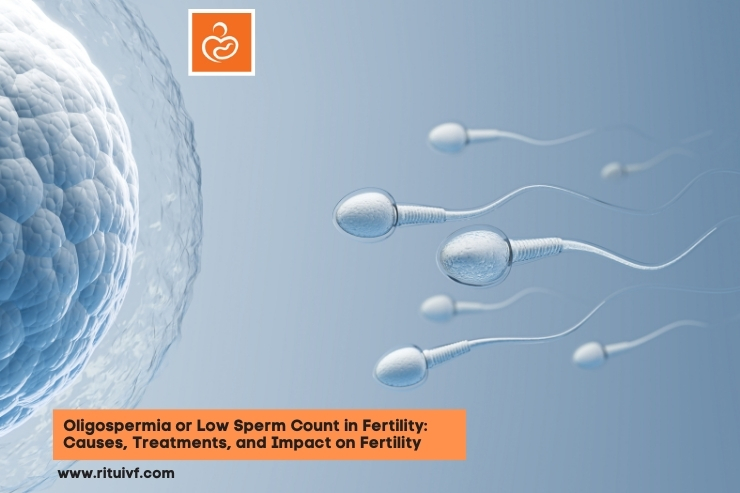
  • Oligospermia or Low Sperm Count in Fertility: Causes, Treatments, and Impact on Fertility

    Oligospermia or Low Sperm Count in Fertility: Causes, Treatments, and Impact on Fertility

    Low sperm count is one of the major causes of male infertility and the medical term for it is oligospermia. As it affects thousands of men around the globe, it is important to know its causes, symptoms, and treatment options. However, very few people know about this condition and how it can be treated. So, in today’s blog, we will understand the link between oligospermia and fertility

    What is Oligospermia? Types of Oligospermia

    The sperm count of a healthy person exceeds 15 million sperm per milliliter of seminal fluid. If you are producing less than 15 million sperm in every 1 milliliter of seminal fluid, you have oligospermia. Another name for oligospermia is oligozoospermia.

    In some rare cases, sperm production is as low as 5 million sperm per milliliter of semen. This is called severe oligospermia.

    Are Azoospermia and Oligospermia the Same?

    While non-medical professionals end up using the terms oligospermia and azoospermia interchangeably, they are different. Oligospermia is characterized by a low sperm count. Azoospermia, on the other hand, means no sperm is produced at all.

    Causes of Oligospermia

    Oligospermia is caused by various factors, including:

    • Nutrition and Exercise: Your fitness levels can be directly proportional to your fertility levels. If you do not eat a balanced diet consisting of protein, vitamins, and minerals, chances are high that sperm count in your ejaculate will be less. On the contrary, a person who eats nutrient-rich meals is expected to have high sperm count in the semen. Inadequate exercise can also lower the sperm count. Similarly, excessive exercise too can have adverse effects on your sperm count as overtraining can damage the vessels/ nerves surrounding the testicles.
    • Environmental Factors: Studies have revealed that exposure to radiation, heavy metals, and toxic industrial chemicals can lower a person’s sperm count. Overheating of testicles can have an equally damaging impact.
    • Medical Conditions: Certain medical conditions can increase an individual’s chances of getting severe oligospermia. Some examples are Varicoceles (a condition that causes swelling of veins and makes the testicle turn dry), ejaculation issues, defects in tubules responsible for transporting sperm, infections, tumors, hormonal imbalances, and undescended testicles.
    • Lifestyle Choices: If you do not maintain a healthy lifestyle, oligospermia may stand in the way of fathering a child. Habits like drug consumption, smoking, and regular intake of alcoholic beverages affect fertility levels and might cause low sperm. Obesity also affects sperm quality and quantity Stress is another enemy to your overall health and reproductive health. So, to improve sperm count, you need to switch to a healthy lifestyle and stay happy.

    Signs and Symptoms of Oligospermia

    Oligospermia’s primary symptom is the inability to conceive a baby. Other symptoms may be:

    • sexual dysfunction
    • swelling or pain in the testicular area
    • hormonal imbalances
    • low libido

    If you experience any of these symptoms, it is better to get yourself checked once.

    Diagnosis of Oligospermia

    To know if you have oligospermia, your healthcare provider will rely on a physical examination and check your complete medical history to discover the underlying cause. Some diagnostic tests to detect this condition are:

    • Urinalysis for testing retrograde ejaculation
    • Semen analysis
    • Imaging tests like scrotal and transrectal ultrasounds
    • Tests to measure the level of testosterone

    Treatment Options for Low Sperm Count

    As oligospermia leads to fertility issues, it is natural to wonder if the condition is treatable. These are the most effective treatment options:

    • Medication: First, doctors try to resolve the issue by starting hormonal treatments and prescribing medications for treating infections (if any).
    • Surgery: If medications don’t give the desired result, surgical intervention is the next step.
    • Assisted Reproductive Technology: Techniques such as Intracytoplasmic Sperm Injection, IVF, and IUI can also be tried.

    Home Remedies to Increase Sperm Count

    If you do not have severe oligospermia, medications may not be necessary. In that case, you have to make simple changes to your lifestyle to boost healthy sperm production. Some excellent home remedies to address reduced sperm production are stated below:

    • Maintain a healthy weight by exercising for 30 minutes daily. You can choose any form of exercise like yoga, jogging, and swimming as these have proven benefits on reproductive health.
    • As part of your treatment of oligospermia, eat a balanced diet with plenty of veggies and fruits. Additionally, quit smoking, drinking, and eating processed foods.
    • If you have a lower sperm count, have coitus when your partner is ovulating to maximize the chances of conception.
    • To help improve sperm production, you should also get 7 hours of sleep at night.

    Read to Know: How to Increase Sperm Count

    The Takeaway

    Now you know how oligospermia can affect male fertility. If you have been struggling to make a baby, it does not confirm that you have oligospermia. Factors like erectile dysfunction, low sperm motility, etc. also lead to male infertility. So, to find out the exact cause and receive treatment, visit an experienced fertility specialist.

  • Understanding Genetic Testing in IVF: PGT, PGD, and PGS Explained

    Understanding Genetic Testing in IVF: PGT, PGD, and PGS Explained

    Assisted Reproductive Technology is the greatest ray of home in the lives of aspiring parents. There have been astounding technological advancements in the past few years that have helped thousands of infertile couples fulfill their dream of becoming parents. Preimplantation Genetic Screening, Preimplantation Genetic Testing, and Preimplantation Genetic Diagnosis are some of the most reliable advanced options.

    However, it is important to have complete awareness before opting for any of these technologies and that’s what this blog is all about. So, what is genetic testing in IVF and what should you know about it?

    Preimplantation Genetic Testing: An Overview

    There are different kinds of genetic tests performed by fertility specialists before embryo transfer. PGT or preimplantation genetic testing is one such screening test performed on an embryo that’s created through IVF (in vitro fertilization). Doctors do it to make sure that there aren’t any chromosomal or genetic disorders. PGT can be of the following three types:

    • PGT-M: Earlier referred to as preimplantation testing, this test is a type of PGT and it can screen for specific genetic defects or genetic abnormalities (that is, single-gene abnormalities)
    • PGT-A: The earlier name for this screening test was preimplantation genetic screening. PGS screens for any kind of chromosomal abnormalities. During this process, a single cell is taken from the embryo to test its DNA.
    • PGT-SR: Structural rearrangements of chromosomes can be detected through this test.

    Who Undergoes Genetic Testing for IVF

    Doctors suggest PGT under the following circumstances:

    • Both partners/ just one has a family history of genetic disorders
    • The man/ woman/ both is a carrier of some kind of chromosomal abnormality
    • The pregnant woman has reached an advanced age
    • The mother has suffered recurrent miscarriages in the past

    Reasons to Rethink PGS or PGD

    Although the various types of genetic testing are becoming increasingly popular in many fertility clinics, there are some compelling reasons why you should think carefully before you decide to screen embryos.

    1. Genes and chromosomes are different

    PGT does not reduce the risk of miscarriages. Even for embryos that are chromosomally normal a miscarriage can happen because of genetic defects, and this is not something that PGT can predict. So, if you are doing this screening test for embryo selection because you think that you will not have a miscarriage after it, then you should reconsider it.

    2. Mosaicism

    Not every cell in an embryo is genetically identical, and this phenomenon is termed mosaicism. This means that the 2-3 sells that go for Biopsy may fail to represent the other hundred cells present in the embryo. So, if there isn’t an abnormality in the biopsied cells, a healthy embryo might get detected only because the test results were misleading.

    3. Self-correction of embryos

    Self-correction is one of the qualities of embryos as they are dynamic entities. Even if some cells turn out to be abnormal, if the remaining cells are normal, they can multiply, resulting in a healthy baby. But if an embryo is discarded based on a false positive result, a viable pregnancy will be lost.

    4. Technical challenges

    We must not forget the technical complexity of tests like PGS. Most fertility treatment centers do not perform the tests on their own but depend on genetic labs where the biopsy cells are sent. The embryo biopsy results are often confusing and ambiguous, and they may not identify the problems. If the embryologist is not skilled enough, the result can’t be completely trusted. If a biopsy is poorly executed, it can kill or damage a healthy embryo.

    5. Psychological impact

    Saying yes to fertility treatments like IVF treatment is a big step for any couple. Feeling low at times is common and genetic analysis may add to their anxiety. For a pregnancy to be successful, the emotional well-being of the mother is of utmost significance.

    6. Additional expense

    Whether you do PGT or not, you will still have to undergo prenatal diagnosis if you get pregnant. It is done to prevent delivering a child with chromosome defects. It takes place at around eight weeks, and it is more reliable. So, if it is compulsory to do PND, why spend extra money on PGT?

    Parting Thoughts

    So, PGT, PGD, and PGS in IVF are beneficial in specific scenarios. However, the PGT process is not mandatory to have a rewarding IVF cycle and a successful pregnancy. Moreover, infertility issues differ from one couple to another, and hence, having a personalized preimplantation genetic diagnosis is the best way to achieve pregnancy. Reconsidering using the newest technologies and relying on proven methods will help you get the desired outcome.

    If you have more questions regarding IVF or want to further expand your knowledge on PGT testing, get in touch with an accomplished fertility expert or a genetic counselor.