Author: Dr. Ritu Agarwal

  • Important Fertility Key Questions to Ask Your IVF Doctor

    It can be scary and overwhelming to think about getting IVF (in vitro fertilization) at first. Finding out that you or your partner might be having trouble getting pregnant can be stressful in and of itself. Even though the first IVF appointment is a great time for “key questions to ask your IVF doctor” how it works and what to expect.  It’s normal to feel a little nervous about the whole thing. We’ve put together a list of the most common questions we get from patients, along with our answers. It helps you calm down and feel more ready for your first IVF consultation.

    What Is The Importance Of IVF Key Questions To Ask Your Doctor?

    You should talk to an IVF fertility specialist about some IVF questions before starting the process. Because it can be hard to understand and may require a lot of money and time.

    Knowing the steps, the possible risks and problems, the chances of success, and the help that is available can help people make better decisions and feel more at ease with the process.

    Plus, everyone’s situation is different, and an IVF specialist can give you personalized advice based on your medical history, age, and other things. People who ask questions can also feel more involved in their care and trust their healthcare providers more.

    Key Questions to Ask Your IVF Doctor

    What kinds of tests must be done before IVF treatment can begin?

    You should know what kinds of tests your doctor will do. How they’ll give you the results, and what kinds of medicines they’ll give you during the process. Don’t be afraid to ask your doctor about how they will diagnose you and how they will treat your infertility. Your doctor needs to make sure that your body is healthy enough to carry a pregnancy to term before you can start the initial IVF cycle. The doctor will give you blood tests to look for any problems and check your hemoglobin levels, blood sugar, and blood group. Patients also have genetic testing. Women may be given other tests to see if they have PCOS and check their ovulation. find out how much ovarian reserve they have, and see if there are any other issues. Before they start the IVF process, men may also have a series of blood tests and a semen analysis. 

    Do the tests happen in the hospital?

    You need to know where the tests are done so that you can plan your care around them. Ritu IVF does the tests right there so that their technicians can handle the whole thing. In the clinic, the results will be sent to the lab much faster, which is one of the best things about it. Tests are sometimes sent to labs outside of the school to be looked at. If so, you should find out the name of the lab they work with to see if they’re using a trustworthy one.

    How likely is it that successful IVF will done?

    An IVF clinic can’t promise that every patient will have a live birth or pregnancy, but you should still ask your doctor what he or she thinks your chances are based on your unique situation. The doctor should be able to give you a general idea of how likely it is that the procedure will work based on your health, weight, and fertility rate. It’s too bad that for some people, it’s just the luck of the draw sometimes. But you should also find out what kind of results the clinic can get by asking about their success rate.

    Should you use fresh or frozen embryos for Fertility Treatment?

    Most of the time, there isn’t a single solution that works for everyone. It’s not a question of whether fresh or frozen embryos are better. It depends on which one is the best choice for you in particular. People who want to start the process as soon as possible might find that transferring a fresh embryo. Which can be done right during ovulation, and is more convenient and effective. On the other hand, some couples may have a better chance of getting pregnant if they choose a frozen embryo. It’s too bad that neither choice guarantees a live birth or pregnancy. If your first IVF treatment doesn’t work, there’s always a chance of success to freeze a few extra embryos just in case. Over the years, embryo storage has come a long way. Now, fertility clinics all over the country trust this process.

    How can I increase my chances of getting pregnant?

    There are a few things you can do to make your chances of IVF treatment more likely to work. A healthy lifestyle is the most important thing you can do for yourself. You should work out regularly and eat a healthy, high-antioxidant diet to keep your weight and BMI at a healthy level for your age and height. Above all, try to keep your stress level low. A high cortisol (stress hormone) level can make it harder to get pregnant. If you smoke, stop, and don’t drink alcohol either. Because he or she knows more about your health, your doctor will make more specific suggestions.

    If you take an initial IVF consultation, so do not shy about these key questions to ask your IVF doctor.

    What are some risks or side effects that might happen?

    IVF can be very hard on the body of the pregnant person, just like a normal pregnancy. You should be aware of the following risks or problems that could happen during pregnancy:

    Ovarian Hyper-Stimulation Syndrome (OHSS), mostly in women who have PCOS

    There is some risk with some IVF drugs.

    It can be painful to get an injection.

    During the treatment, you should tell your doctor right away if you have any strange symptoms, such as severe abdominal pain, fever, inflammation, headaches, red legs, etc.

    What Can I Do If the Treatment Doesn’t Work?

    There is a chance that the treatment might not work, which is something we all know from the start. As long as you know why the treatment didn’t work, you might be able to try again later. You could choose a frozen embryo transfer (FET) if you have extra embryos that have been frozen. If not, the only thing that can be done is to start the IVF treatment cycle all over again.

    How much does IVF truly cost?

    A lot of couples find that IVF is too expensive, but you might be able to get help from the government. Before you decide to go through IVF, you should also check with your insurance company to see if they will cover some or all of the costs. Always ask your doctor up front how much it will cost.

    Check our latest post:  Boosting Male Fertility: How to Increase Sperm Count and Motility

    About Ritu IVF Fertility Centre 

    Ritu IVF Fertility does everything it can to give each patient the best medical care and advice based on their specific needs. To help you succeed, we want to make the IVF process as easy and stress-free as possible. During your IVF initial consultation, we’ll take the time to go over your treatment plan in detail and answer all key questions to ask your IVF doctor. Get in touch with us right away to find out more about our cutting-edge fertility clinic in the Ritu IVF Fertility Center or to set up a meeting!


  • Premature Ejaculation: Causes, Symptoms And Treatment

    Premature Ejaculation: Causes, Symptoms And Treatment

    Sexual dysfunction in men is called premature ejaculation (PE), which can mess up their lives and relationships with other people. To take care of this condition well, you need to know what causes it, what its symptoms are, how to help delay ejaculation, and what the treatment for premature ejaculation is. We want to shed some light on these issues and give you useful tips on how to handle ejaculating too soon.

    Definition of Premature Ejaculation?

    The inability to delay ejaculation during sexual intercourse is the main cause of premature ejaculation. When a man can’t hold orgasm, then his partner would be in stress or dissatisfaction. This erection issue can affect men of all ages.

    Symptoms And Causes

    Who can Experience Premature Ejaculation?

    This male sexual problem can start at any age. Men their age are more likely to do it because they don’t know as much about or control their sexual encounters.

    Types of Premature Ejaculation (Sexual Dysfunction)

    There are two main types of premature (early) ejaculation:

    • Lifelong Premature Ejaculation (Primary): Men start ejaculating too soon after their first sexual experience, and it doesn’t go away.
    • Acquired Premature Ejaculation (Secondary): It happens after the person has been sexually active normally for a while. Usually, the environment or things in the mind are to blame for this.

    What Makes a Person Ejaculate before they should?

    Many things can make you ejaculate too soon, such as mental, physical, and environmental factors. Here are a few common reasons:

    Stress, depression, worry, relationship issues, and traumatic events in the past are some of the psychological factors that can make someone ejaculate too soon.

    It could be because of problems with the thyroid, neurotransmitter levels that aren’t normal, the ejaculatory system response activity that isn’t normal, or the prostate or urethra.

    Behaviors: Ejaculation can happen before it should if you have bad habits like masturbating quickly or were sexually conditioned as a child.

    What are the Symptoms of Premature Ejaculation?

    You can’t hold off ejaculation for long enough while you’re sexually active. This is the main sign of rapid ejaculation. These are some other signs that may be linked:

    • Each time they penetrate, they ejaculate in less than a minute.
    • The situation is making them have trouble, get angry, or worry.
    •  They do not perform intercourse because they are afraid of failing.

    Does Ejaculating Too Early Affect Fertility?

    Most of the time, ejaculating too soon doesn’t directly affect pregnancy. If ejaculation always comes before vaginal penetration, on the other hand, it might be harder to get pregnant. That problem can be solved and your chances of getting pregnant are raised by getting help as soon as possible.

    How can you tell if someone does it too early?

    To find out if someone is ejaculating too soon, it’s important to look at their medical history, sexual history, and physical exam. Some tests may also be done to check the levels of hormones and rule out any underlying health problems.

    What is the Treatment for Premature Ejaculation?

    The International Society for sexual medicine finds management of premature ejaculation through behavioral changes, counseling, and medical methods.

    Here are some well-known treatments:

    1. Ways to change behaviors:

    In the Start-Stop Technique, you stop being sexual to make ejaculation last longer, and then you slowly make it last longer.

    Another way to stop ejaculating is to squeeze your penis. This is known as the “Squeeze Technique.”

    2. Getting help for mental health:

    With cognitive behavioral therapy (CBT), the mental issues that lead to early ejaculation are looked at and ways are found to handle them.

    As part of sex therapy, people work on their communication, and relationship issues, and learn how to stop ejaculating.

    3. Drugs:

    Selective serotonin reuptake inhibitors (SSRIs): These medicines can help you hold your ejaculation for longer.

    Topical anesthetics are creams and sprays that numb the penis. This makes it less sensitive and slows down ejaculation.

    Type of male sexual dysfunction

    There are two types of sexual dysfunction in males. Which are very different from one another. Treatments are available depending on the cause.

    It’s called erectile dysfunction if a man can’t get or keep erection

    It’s called premature ejaculation when a man ejaculates too soon while he’s making sexual activity

    Conclusion

    The most common reason men have sexual problems is ejaculating too soon. Many people who ejaculate too early need therapy for premature ejaculation. PE may include medication, behavioral changes, and psychological counseling. Ritu IVF fertility center provider gives close care should be given to patients to make sure they get treatment and their partner is sexually satisfied.

    Checkout Our Latest Post on: Ectopic Pregnancy Treatment, Symptoms, And Causes

    FAQs related to diagnosis and treatment

    Are there exercises that can help with ejaculating too soon?

    Urology suggests Kegel exercise is used to treat men’s semen. This pelvic floor exercise treats premature ejaculation also.

    Is there a way to completely stop premature ejaculation?

    Yes, many people can successfully control and overcome premature ejaculation with the right treatment and techniques, making their sexual experiences much better.

    When should you see a doctor about ejaculating too soon?

    Seeking help from a medical professional, like a urologist or sex therapist, is suggested if you consistently ejaculate this makes you unhappy or distressed in your sexual life. They can give you the right advice and treatment options.


  • Ectopic Pregnancy Treatment, Symptoms, And Causes

    Ectopic Pregnancy Treatment, Symptoms, And Causes

    An ectopic pregnancy occurs when the fertilized egg implants outside the uterus, usually in the fallopian tubes. Tubal pregnancy—ectopic pregnancy—can be fatal and requires immediate medical intervention. Ectopic pregnancy treatment, its causes, symptoms, diagnosis, and future reproductive impacts will be discussed in this article.

    Who Can Have an Ectopic Pregnancy?

    An ectopic pregnancy can happen to any sexually active woman of childbearing age. It may be more likely that the pregnancy will happen outside of your uterus. If you have pelvic inflammatory disease (PID), ectopic pregnancy, pelvic surgery, or fallopian tube blockage.

    Symptoms of an Ectopic Pregnancy?

    A tubal ectopic pregnancy is the most common type. This is when the fertilized egg implants in a fallopian tube. Ectopic pregnancies can happen in the cervix, the ovary, or the abdomen, but they happen less often.

    What Makes an Ectopic Pregnancy Happen?

    Several things can cause an ectopic pregnancy, such as

    Damaged Fallopian Tubes:

    Previous pelvic infections or procedures can scar the fallopian tubes. This makes it hard for the fertilized egg to reach the uterus.

    Unbalanced Hormones:

    This situation can make it hard for the fertilized egg to move through the fallopian tubes.

    Egg Not Developing Correctly:

    Eggs with unique shapes or structures may not travel down the fallopian tube.

    Risk Factors Of Ectopic Pregnancy

    • There is pain in the abdomen, usually on one side. It can be mild or severe.
    • Vaginal bleeding is usually more or less heavy than a period.
    • Shoulder pain is due to the blood from an ectopic pregnancy that bursts, irritating the diaphragm.
    • For those who are sick and throwing up, with or without stomach pain.
    • Feeling weak and dizzy because of internal bleeding if the ectopic pregnancy breaks.

    What effect does expectant management have on the future fertility of ectopic pregnancy treatment?

    Ectopic pregnancy might make it harder to get pregnant in the future. If an ectopic pregnancy treatment needs to remove one fallopian tube, natural pregnancy chances diminish.

    While some women who have had an ectopic pregnancy may not be able to get pregnant again, many of them can and do.

    How do I know if I have an ectopic pregnancy?

    A person’s medical history, a physical exam, and a hormone level test are all things doctors check to see if someone has an ectopic pregnancy. Ultrasound tests are also used to find the pregnancy and ensure it is in the right place.

    How is an Ectopic Pregnancy Treated?

    For an ectopic pregnancy, you can either take medicine to stop the embryo from growing or have surgery to remove the pregnancy. The treatment chosen depends on several things, such as the patient’s overall health and the size and location of the ectopic pregnancy.

    Conclusion On Ectopic Pregnancy Treatment

    A doctor needs to treat an ectopic pregnancy right away because it is a serious issue. For the person’s health and well-being, it is very important to know what causes it, what its symptoms are, and how to treat it properly. If you think you might have an ectopic pregnancy or are having symptoms that worry you, you should see a doctor right away.

    Frequently Asked Questions Related to Ectopic Pregnancy Treatment

    Ectopic pregnancies: may they be completed?

    No one can carry an ectopic pregnancy to term. The pregnancy is unviable and could kill the mother if not treated.

    Can a woman become fertile again after having an ectopic pregnancy?

    Many women can get pregnant again if the fallopian tube is partially healed or the pregnancy is treated early.

    Is it possible to avoid ectopic pregnancies?

    Ectopic pregnancies can’t be prevented. Reproductive health, pelvic infection treatment, and proper contraception can reduce the risk.

    Can I have a healthy baby again after having an ectopic pregnancy?

    Yes, a lot of women who have had an ectopic pregnancy can have healthy babies in the future. Fallopian tube damage and reproductive system health can affect pregnancy chances. It’s important to get personalized advice from a fertility Specialist.

  • Boosting Male Fertility: How to Increase Sperm Count and Motility

    Boosting Male Fertility: How to Increase Sperm Count and Motility

    To get more sperm, you can change your food, work out, take medicine, or make some other changes to your lifestyle. This piece will talk about all the important parts and how to increase sperm count and boost fertility.

    Reasons For The Low Sperm

    Researchers have found that guys around the world have less sperm than they used to. Because of this scary new knowledge about men’s fertility health, it is important to listen to your doctor right away. This is why there are many ways to improve the health, number, and movement of sperm.

    A low number of sperm is often the reason men cannot have children. The WHO says that a low sperm count is less than 15 million sperm per milliliter of sperm or less than 39 million sperm per pee. Regular sex without protection for a year should usually get you pregnant. If that does not happen, you should talk to a good doctor about how to make your sperm better for pregnancy.

    Genes are the main reason for male infertility. Their general health and fitness level are also reasons for infertility. More reasons, like illnesses, getting older, or toxins in the environment, also count. Sperm and the ability to move around get worse with age, which makes people less fertile, especially after age 50. Still, natural treatments and some changes to your daily routine help the hormones. This might help boost sperm count and make you healthier.

    How Can To Increase Sperm Count And Motility?

    Here are some of the best ways on how to increase sperm count

    Get enough rest and work out often

    Aside from being good for your health, working out regularly can also raise your testosterone levels and have normal sperm motility. Men who worked out had higher amounts of testosterone and better sperm quality than men who did not do much. Even though it might drop testosterone levels, it is best not to do too much exercise. If you want to know how to increase sperm count naturally, the first thing you should do is make time for exercise.

    D-aspartic acid vitamins

    Aspartic acid comes in different forms. One is D-aspartic acid (D-AA), which is sold as a health food. Most of the D-AA in the body is in the sperm, and a few cells are in the testicles. A lot of people think that D-AA improves the fertility of men. Men who cannot have kids have a lot less DAA in their bodies than men who can. Studies back this up by showing that taking DAA supplements may raise testosterone levels. Testosterone is a male sex hormone that is important for pregnancy in men. A controlled study found that healthy men who took three grams of D-AA pills every day for two weeks had 42% more testosterone in their bodies. But first, you should talk to your doctor.

    Avoid Drugs To Increase in Sperm Count

    Some medicines might make it harder for the body to make good sperm. His sperm count should go back to normal or even go up once the man stops using drugs. Some medicines that may stop the growth and production of sperm temporarily are

    • Drugs that kill germs
    • Pain-relieving drugs
    • Blockers of androgens
    • Mental health drugs
    • Drugs for being sad
    • Added to or taken from outside the body, testosterone

    Even a year after someone stops taking anabolic steroids, they may still have a lower number of sperm and fertility issues.

    Men should see a doctor immediately if they suspect their medication is lowering their sperm count or making it harder to conceive.

    Want to know whose sperm is used in ivf

    Take in enough of the C

    Many studies have found that women who take antioxidant pills, like vitamin C, may be able to get pregnant. There is oxidative stress when the body’s reactive oxygen species (ROS) levels are too high. It happens when the body’s natural antioxidant defenses are weak due to sickness, getting old, and living an unhealthy life. One more reason is exposure to pollutants in the surroundings. Eating enough vitamin C and other antioxidants can help lessen some of these negative effects. Several studies have found that getting more vitamin C may improve sperm count and sperm health. A lot fewer damaged sperm cells were seen when people took extra vitamin C. The amount of sperm also went up, and they were able to move around better.

    Get more vitamin D

    Researchers in medicine found that guys with more vitamin D in their blood were more likely to be able to have children. Sperm count may also go down if you do not get enough calcium. Vitamin D might be important for both men and women who want to have children. This extra vitamin could help raise the amount of testosterone in the body. When they took 3,000 IU of vitamin D3 every day for a year, increased testosterone levels by up to 25%.

    Make sure you get enough iron and folate

    Eating folate and zinc together may be the best foods to increase sperm production and health in general, as it may increase sperm count and concentration. Some of the best foods to eat that are high in zinc are meat, fish, eggs, and shrimp. Trends show that low zinc levels are linked to low testosterone, poor sperm, and infertility in men. People who do not have enough zinc in their bodies but take supplements have higher testosterone and sperm numbers.

    How To Increase Sperm Count – Try Ashwagandha

    Another name for ashwagandha is an Indian ginseng. It has been used for a long time in traditional medicine to treat several sexual issues and to improve sperm. Studies show that ashwagandha may raise testosterone levels. This may make guys more likely to get pregnant. Men with low numbers of sperm cells were much more likely to get pregnant after taking 675 mg of ashwagandha root powder every day for three months. The semen quality and amount increased by 53%, the number of healthy sperm increased by 167%, and the movement of sperm increased by 57% from the start of the study.

    Take extra vitamins with fenugreek

    Fenugreek has been used for a long time to treat bad sperm at home. Some experts also think it may help add more sperm. Thirty men who worked out four times a week and took 500 mg of fenugreek powder every day were the subjects of the study. The 2017 study found that furosap, a unique substance made from fenugreek seeds, increased the number and quality of sperm by a large amount.

    Read to Know More: what is azoospermia

    Take a deep breath and calm down

    Having too much stress can make it harder to get pregnant and make you less happy with your sexual life. Scientists think that the stress hormone cortisol might be responsible for some of these bad effects. For a long time, tension makes your cortisol levels rise, which is very bad for your testosterone. When cortisol levels rise, testosterone levels usually drop too. To deal with stress better and make your sperm bigger and stronger, you could go for a walk outside, meditate, work out, or simply hang out with friends.

    Most guys will not be able to have children at some point in their lives. Ritu IVF can help you and your partner if you have trouble getting pregnant. They can help you get how to increase sperm count with the right care and figure out what is wrong.

    Discover more: what is hyperspermia

  • HSG Procedure (Hysterosalpingogram ) for Female Infertility

    HSG Procedure (Hysterosalpingogram ) for Female Infertility

    Doctors use an HSG procedure called a hysterosalpingogram. It is a diagnosis to make sure that women are healthy enough to have children. Because of this screening method, doctors now look for problems with the reproductive system in a different way when they aren’t clear. The HSG test: what it is, who should get it, how Ritu IVF can help, what it means, and the likely pros and cons.

    What Does the HSG Procedure (Hysterosalpingogram) Look Like?

    First, let’s talk about what an HSG test means. HSG stands for hysterosalpingography. This is a test that can tell you a lot about a woman’s reproductive processes, especially her uterus and fallopian tubes. X-rays and a contrast color are used to look for any blocks, flaws, or other problems that might be affecting pregnancy or reproductive health. By showing these details, the HSG test helps doctors come up with the best ways to treat patients.

    Who performs the HSG test?

    Usually, highly trained surgeons, like radiologists or gynecologists, perform HGS tests. The test will be safe and correct because these experts have the right knowledge and experience.

    Who should think about getting an HSG test?

    Several groups of people can gain from the HSG test, such as

    1. People who are not able to conceive: People who are having trouble getting pregnant might choose to get an HSG test to see if their fallopian tubes are open. Due to blockage of the tube or the tube not working right, the egg may not be able to make it to the sperm. And it can make conception hard.

    2. Women with Irregular menstrual: These women may go under the HSG test to look for underlying fertility problems like tumors or polyps.

    3. Before Using ART: The HSG test can help women who want to use ART like IVF, ICSI, or other approaches to help them have children. For these treatments to work, the fallopian tubes must be clear, so the HSG test is an important step.

    4. Perform HGS: Women who have had pelvic infections, surgeries, or other conditions that could lead to blocked fallopian tube

    Who shouldn’t think about getting an HSG test?

    The HSG test is usually safe and tolerable, but here are some situations in which it is not good.

    1. Pregnant Women: Because of the possible risks to the growing baby, pregnant women are usually told not to get the HSG test.

    2. Active Pelvic Infections: Women shouldn’t get an HSG test until the infection is gone, because the treatment could make things worse.

    3. Bad Allergies to Contrast Medium: People who are allergic to the contrast dye should talk to their doctor about it before they get the HSG test.

    Why an HSG test is helpful in Radiology

    The HSG test has many advantages, such as:

    1. Fertility Evaluation: This test checks to see if the fallopian tubes are open, which is very important for getting pregnant. Problems or blockages inside the tubes can be found, which helps doctors decide how to treat the patient.

    2. Uterus Abnormalities: The HSG test can find uterus abnormalities. Fibroids or polyps, which could be affecting ovulation or causing bleeding that isn’t regular.

    3. Help with ART: The HSG test checks the health of the fallopian tubes, which helps plan care for people who are going through IVF.

    What Could Go Wrong with the Hysterosalpingogram Procedure?

    The HSG procedure is usually safe, but there are a few things that could go wrong or cause problems, such as

    1. Pain or discomfort: Some women may feel some mild pain or stiffness during the process.

    2. Allergic responses: People may have allergic responses to the contrast dye in very rare cases.

    3. Infection: There is some slight pain or swelling during the test, but it usually only lasts for a short time.

    FAQs About HSG Procedure

    Does the HSG test hurt?

    Some women may feel some slight pain or swelling during the test

    What is the length of the process?

    The process usually takes between 15 and 30 minutes.

    Can I go back to my daily routine after the test?

    Most women can go back to their normal routines after the treatment, but if the pain lasts longer than a short time, it’s best to rest.

    How can Ritu IVF help?

    As far as women’s reproductive health goes, the HSG test, or hysterosalpingography, is as important as it gets. Doctors use this test to see what’s going on with the uterus and fallopian tubes. They figure out if there are problems with pregnancy or vaginal problems and what treatments might work. The test does come with some small risks, but it could help people who are having trouble getting pregnant. It is an important step towards becoming a parent. You can still get an HSG test, even though medical technology has changed and there are skilled fertility services available.

    Ritu IVF, a leading IVF center in Jaipur, gives the HSG procedure at a reasonable price. With skilled professionals and cutting-edge equipment, we make sure that testing is accurate and cozy. You can get accurate pregnancy tests and early detection of reproductive problems. We also offer custom treatment plans. Ritu IVF wants to help people get pregnant. It makes a good choice for people who want the best and most up-to-date care in HSG tests and other areas as well. Make an appointment today at Ritu IVF fertility center to learn more about the HSG Test.

  • Understand the Link Between Infertility and Obesity

    Understand the Link Between Infertility and Obesity

    Infertility and obesity are two widespread health problems that affect a lot of people around the world. When someone is infertile, they can’t get pregnant after a year of regular, uncontrolled sex. When someone is obese, they have too much fat in their body. These problems that don’t seem to connect have a deep and complicated link. This study tries to explain the difficult link between being overweight and obese and women not being able to have children. It tries to figure out how it works, what causes it, and what changes might be possible.

    The Link between Infertility and Obesity

    An Overview of Infertility:

    Infertility is a common medical disease that affects between 10 and 15 percent of couples around the world. Due to the fact that both men and women can experience fertility issues, they are complex issues. If a woman can’t have children, it could be because of problems with her ovaries, tubes, or uterus. If a man can’t have children, it could be because of problems with his sperm or his reproductive system.

    The Rise of Obesity:

    A body mass index (BMI) of 30 or more is considered to be obese. Obesity has become an issue. Sedentary lives, bad food choices, and genetic tendencies are some of the things that make it more common. Being overweight has effects on more than your physical health. It can also affect your ability to get pregnant and have children.

    The Interplay:

    Studies show that the link between impotence and fat goes both ways. Being overweight can make it harder to get pregnant, and infertility treatments can make people gain weight. Understanding this changing link is important for dealing with both problems completely.

    The Pathways Behind How Being Excess Weight Affects Fertility

    Hormonal Imbalance:

    Being overweight throws off the body’s delicate hormonal balance. Women who are overweight or obese often have high insulin levels and insulin resistance, which can stop them from ovulating. Also, extra fat tissue makes estrogen, which can get in the way of regular reproduction.

    Inflammation and Oxidative Stress:

    Obese people often have inflammation and toxic stress that last for a long time. These can hurt the reproductive systems. If a man has these conditions, his sperm might not be as good, and if a woman has these conditions, her body might not be ready to get pregnant.

    Polycystic Ovary Syndrome (PCOS):

    PCOS is a common hormonal disease to both being overweight and not being able to have children. Women with PCOS often have problems with menstruation, insulin resistance, and high androgen levels, all of which can make it hard for them to get pregnant.

    Healthy Weight Affects Male Fertility

    More and better sperm:

    Overweight and Obesity has a link to fewer and better sperm. Changes in hormone levels, higher scrotal temperatures, and the presence of inflammation markers in fat people can all make it harder for sperm to grow and work properly.

    Erectile Dysfunction:

    Being overweight is to make you more likely to have erectile dysfunction (ED). The physical and mental effects of fat can make it harder to be sexually active, which can make it even harder for couples to get pregnant.

    How Being Overweight Can Affect a Female Reproductive

    Higher Risk of Complications:

    The impact of obesity during pregnancy makes you more likely to have problems like gestational diabetes, hypertension, and needing a cesarean section. These problems hurt both the mother and the child.

    Epigenetic Effects:

    A new study shows that being overweight during pregnancy can change the way genes that are involved in fetal development are controlled. These epigenetic changes could affect the child’s health for a long time, making them more likely to become overweight or have metabolic problems.

    Dealing With Infertility In The Context of Obese Women

    Lifestyle Interventions:

    Overweight and obese women can have much better luck getting pregnant if they make changes to their lifestyle, such as changing their food and getting regular exercise. These actions not only improve sexual health, but they also improve health in general.

    Bariatric Surgery and Fertility:

    Bariatric surgery, which means to help people lose weight, has shown promise in improving fertility in fat people. After surgery, insulin sensitivity and hormonal balance can get better, which can make it increase in pregnancy rate.

    Assisted Reproductive Technologies (ART):

    People who are overweight and are getting in vitro fertilization (IVF) or other methods for infertility may face special problems. To raise success rates in this group, it is important to improve ART methods and think about how to tailor ways to each person.

    FAQs Related Infertility And Obesity

    Can both men and women become more fertile if they lose weight?

    Yes, making changes to your lifestyle that help you lose weight has been shown to normal weight make both men and women more fertile by fixing chemical issues and making your general reproductive health better.

    How does being overweight affect a man’s ability to have children?

    Obesity may make men less fertile by causing chemical changes, lowering the quality and amount of sperm, and raising the risk of problems like sexual dysfunction.

    Is there a certain BMI level that is thought to be best for getting pregnant?

    There isn’t a single BMI range that works for everyone, but staying at a healthy weight in the normal BMI range (18.5–24.9) is usually linked to better pregnancy results.

    Can IVF Work in Infertility And Obesity

    Fertility methods like IVF may not work as well for people who are overweight. Success rates can be raised, though, by using personalized methods such as treatment plans that work best for each person.

    What part does PCOS play in the link between being overweight and not being able to have children?

    PCOS is often linked to women who are overweight and can’t have children. PCOS causes hormonal problems and insulin resistance, which can make people overweight and make it hard for them to get pregnant.

    Conclusion On Obesity And Infertility

    The complicated link between fat and impotence shows how important it is to look at health as a whole. Getting rid of fat through changes in lifestyle, medical help, and individualized fertility treatments can make a big difference for people and couples who are having trouble getting pregnant. More studies and progress in medical science are helping us understand this complicated link better. This could lead to better treatments and more help for people who are struggling with infertility and fat.

  • Endometriosis And Fertility: Reasons For Infertility In Women

    Endometriosis And Fertility: Reasons For Infertility In Women

    Endometriosis is a long-term disease that affects millions of women around the world. It is often painful. In this case, the endometrium, a type of tissue that looks like the lining of the uterus, grows outside of the uterus. This kind of tissue can grow on the walls of the groin, the ovaries, and the fallopian tubes. In endometriosis and fertility, there is an endometrial implant. It may even spread outside of the pelvic area in very rare cases. Many people don’t know what it is, how it happens, or how to deal with it, even though it affects a lot of people.

    To Whom Endometriosis Happens

    Girls and women who can have children can get endometriosis. It most often happens between the ages of 10 and menopause. It is a common gynecological problem because about 1 in 10 women around the world have it.

    What Kinds of Endometriosis and Fertility Are There?

    Endometriosis is breaking down into different types based on where the endometrial implants are and how bad they are:

    1. Superficial Peritoneal Endometriosis: This is the most common type. It is mark small, shallow implant on the lining of the pelvic region, called the peritoneum.

    2. Endometriosis of the ovaries, also called an endometrioma, is when uterine tissue builds up in the ovaries. These are also called chocolate cysts.

    3. Deep Infiltrating Endometriosis (DIE): This is the worst type of endometriosis because tissue from the uterus goes deep into the bladder or rectum, which is a pelvic organ.

    4. Adenomyosis: This is when uterine tissue gets into the muscle wall of the uterus makes it hurt and gives you heavy periods. This is not the same as endometriosis.

    What Makes Infertility?

    Endometriosis’s exact reason is still unknown, but the following ideas have been put forward:

    Retrograde Menstruation: Many people think that when a woman has her period, uterine cells in her blood move backward into her pelvis. In this situation, they settle and grow outside the uterus.

    Damage to the immune system: If the immune system isn’t working right, then uterine tissue may be able to live and grow outside of the uterus.

    Hormonal Effects: Hormones may play a role in how endometriosis starts and gets worse. Oestrogen is one such hormone. If your estrogen level is high, your endometrial implants may grow faster.

    Genetics: Endometriosis often runs in families, so there is proof that some women may be more likely to get it because of their genes.

    Environmental Factors: It has been found that some natural toxins may make you more likely to get endometriosis, but no one knows for sure yet.

    Reasons For Endometriosis And Infertility

    Endometriosis can show up in many different ways, with symptoms that run from mild to severe. Some common signs of endometriosis are:

    The most common sign is pain in the pelvis, which often gets worse when you have your period.

    • Dysmenorrhea: Painful menstruation, means severe monthly cramps that make it hard to do normal things. Period pain is not the only cause of chronic pelvic pain.
    • Painful Intercourse (Dyspareunia): Having pain or discomfort during sleep.
    • Heavy Menstrual Bleeding (Menorrhagia): periods that are too heavy or last too long.
    • Urination or bowel movements that hurt, especially when you’re menstruating.
    • Infertility: Endometriosis is the most common reason why women can’t have children.

    What Causes Infertility

    Endometriosis can be hard to diagnose because its symptoms can look like those of other gynecological diseases. Usually, the following steps are taken to diagnose endometriosis:

    1. Medical background: Your doctor will look over your medical background and talk to you about your symptoms.

    2. Physical Examination: A pelvic check may show problems or sore spots.

    3. Imaging Tests: MRIs, ultrasounds, and other imaging tests can help find uterine implants, especially if they are big or connected to the ovaries.

    4. Laparoscopy: The most accurate way to find out if someone has endometriosis is to do an invasive treatment called laparoscopy. During this surgery, a thin tube with a camera is put into the belly so that the endometrial tissue can be seen and even taken out for a test.

    Treatment Options For Endometriosis And Fertility?

    Treatment of Endometriosis is to ease the pain, increase fertility (if wanted), and stop the condition from getting worse. Some possible treatments are:

    1. Painkillers: You can take over-the-counter painkillers or prescription drugs to help control your pain.

    2. Hormonal Therapy: Low estrogen levels can be helped by hormonal treatments like birth control pills, hormonal IUDs, or GnRH agonists.

    3. Laparoscopic Surgery: You can get rid of uterine implants and scar tissue with this type of treatment. This can help with pain and getting pregnant.

    4. Hysterectomy: If the problem is very bad or if having children is not important, a hysterectomy (removing the uterus) may be performed.

    5. Solutions for Infertility: In vitro fertilization (IVF) is used to help women become pregnant.

    See a doctor or fertility specialist right away if you think you might have endometriosis or if you are having any of the symptoms that go along with proper medical treatment. They will be able to give you a correct diagnosis and a personalized plan for how to treat your endometriosis.

    Conclusion:

    At the end of the blog, highlight the main points and stress how important early detection and all-around treatment plans are for women with endometriosis who want to start a family. Encourage people to get professional help and information that is tailored to their needs.

    FAQs Related Treatment Of Endometriosis

    Q1: How can endometriosis affect fertility?

    Adhesions and hormone imbalances in reproductive organs caused by endometriosis might hinder conception.

    Q2: What are frequent fertility-affecting endometriosis symptoms?

    Pelvic pain, especially during menstruation, and irregular cycles are common. Heavy menstruation may cause endometriosis affecting fertility.

    Q3: Early endometriosis diagnosis?

    Imaging and laparoscopic treatments can detect endometriosis early. Early detection is essential for fertility management.

    Q4: Endometriosis-related fertility treatments?

    Medication, hormonal, and surgical treatments are available. These reduce symptoms, treat structural alterations, and improve fertility.

    Q5: Can endometriosis cure?

    The cure for endometriosis is unknown. However, good care can reduce discomfort and enhance fertility.

  • Bulky Uterus And Fertility: Symptoms, Diagnosis, Causes And Treatment by Ritu IVF

    Bulky Uterus And Fertility: Symptoms, Diagnosis, Causes And Treatment by Ritu IVF

    An excessively enlarged uterus is also called uterine enlargement or adenomyosis. In medical terms, can have a big effect on a woman’s ability to have children. We will talk about the treatment for a bulky uterus and fertility, diagnosis, and what causes an enlarged uterus in-depth piece, with a focus on how uterus growth affects fertility.

    What is a Bulky Uterus And Fertility?

    A big uterus is an enlarged uterus, which can cause several different things. A condition called adenomyosis is linked to this disease. In this condition, the lining tissue of the uterus starts to grow into its muscle walls, which makes it bigger.

    Symptoms of a Bulky Uterus

     Knowing the signs of a uterus that is too big is important for getting the correct evaluation of a bulky uterus and fertility treatment right away. Some common signs are

    • Period Problems: Women with an enlarged uterus may experience prolonged or heavy menstrual periods.
    • Pelvic Pain: One of the most noticeable symptoms is pelvic pain that doesn’t go away. It’s often described as dull and aching.
    • Pressure or Fullness: Some women may feel like their lower belly is pressing down on them or being full.
    • Sexual Activity That Hurts: Adenomyosis can make sexual activity uncomfortable or painful.

    Fertility Issue: If you have a lot of losses or trouble getting pregnant, it could mean that your uterus is too big making it harder for you to get pregnant.

    Diagnosis Of Bulky Uterus

     For focused treatment, it’s important to know what causes a big size of the uterus. Uterine enlargement is typically due to adenomyosis, although there are other factors that can also lead to this condition:

    Adenomyosis

    This is the main reason why the uterus is big. When the endometrium, the tissue that lines the uterus, invades the muscle walls of the uterus, making it bigger, called adenomyosis. We don’t know the exact cause of adenomyosis, but inflammation and hormonal changes may be to blame.

    Fibroids

    Uterine fibroids are growths that can form inside the uterine walls that are not dangerous. These growths can make the uterus bigger and are affected due to genetics and changes in hormone levels.

    Endometrial Hyperplasia

    Hyperplasia is an overgrowth of the endometrial covering that can make the uterus bigger. An imbalance of hormones, especially too much estrogen compared to progesterone, is often linked to this disease.

    Uterine Polyps

    Polyps in the uterus are small, harmless growths on the uterus lining. Typically non-cancerous, these conditions can cause the uterus to become bulky and are often associated with hormonal changes.

    Pelvic Inflammatory Disease (PID)

    Infections of the reproductive system, like PID, can cause swelling and scarring, which can make the uterus bigger.

    Previous Uterine Surgery

    Having surgery on the uterus, like a Cesarian section or a myomectomy (fibroid removal), can cause scar tissue to form and the uterus to get bigger.

    Hormonal Imbalances  

    Changes in hormone levels, particularly estrogen and progesterone, can interfere with the uterus’s normal functioning, causing it to become enlarged.

    Congenital Abnormalities

    Some people may have a naturally bigger uterus. Various factors, including having an enlarged uterus, can lead to congenital abnormalities present at birth.

    Polycystic Ovary Syndrome (PCOS)

    PCOS is a hormonal problem that can cause periods to be irregular and hormonal imbalances, which may make the uterus get bigger.

    Being overweight

    Overweight can cause changes in hormones that can make the uterus get bigger. Being overweight increases the likelihood of developing adenomyosis and other related conditions.

    Causes of Bulky Uterus

     People who want to get pregnant need to know what causes the uterus big and how it affects fertility. An enlarged uterus can lead to several health problems that can make it hard to get pregnant.

    • Changes in the Shape of the Uterine Cavity: The growth can change the shape of the uterine cavity, which makes it hard for a fertilized egg to implant.
    • Irregular Periods: Heavy menstrual bleeding and irregular periods can hinder pregnancy by disrupting ovulation and altering the uterine environment.
    • Trouble with Implantation: Adenomyosis can make it harder for the embryo to attach, which increases the risk of miscarriage.

    Treatment Options for Bulky Uterus

    A big uterus treatment depends on how bad the symptoms are and if they want to have children. Some treatment options are:

    Medication: Nonsteroidal anti-inflammatory drugs (NSAIDs) may be given to ease the pain and swelling that come with adenomyosis.

    Hormonal Therapy: Birth control pills or hormonal reproductive devices are two examples of hormonal treatments that can help control periods and ease symptoms.

    Surgery: Surgical choices like hysterectomy may thought of in severe cases or when non-invasive treatments don’t work.

    FAQs Regarding Enlarge Uterus

    Q1: Is having a big uterus a normal thing that shouldn’t worry you?

    A1: Some changes in uterus size are normal. If you have heavy bleeding or pelvic pain that won’t go away, you should see a doctor.

    Q2: How can I treat a big uterus if I don’t want to have surgery?

    A2: Yes, treatments that don’t involve surgery, like medicine and hormone therapy, can often help manage symptoms.

    Q3: What effect does adenomyosis have on fertility?

    A3: Adenomyosis can make it harder to get pregnant and raise the risk of loss by changing the environment inside the uterus.

    Q4: Can someone get pregnant if their uterus is big?

    A4: Yes, many women with a big uterus can get pregnant and have healthy babies if they get the right care.

    Conclusion:

    Early detection of Bulky Uterus and fertility, a correct diagnosis, and personalized treatment plans are necessary to control this condition. It improves the chances of getting pregnant with IVF or by a natural process. If you think you might have bulky uterus symptoms, you should see a fertility Specialist right away to get personalize advice and care.


  • Know Vaginismus Treatment, Diagnosis, Causes And Symptoms

    Know Vaginismus Treatment, Diagnosis, Causes And Symptoms

    Vaginismus is a condition that makes it hard for women to easily do vaginal penetration. This muscle spasm that you can’t stop can cause a lot of physical and mental pain. We will talk about all the different parts of vaginismus in this detailed guide, such as its causes, symptoms, diagnosis, and treatment choices.

    What is Vaginismus?

    The medical disease vaginismus occurs when the muscles around the vagina contract or spasm without the person meaning to. This spasmodic reaction makes penetration painful or impossible, whether it’s during a sexual encounter or a medical check. It is important to tell the difference between primary vaginismus and secondary vaginismus. Primary vaginismus has been present from the start of vaginal penetration attempts. Secondary vaginismus happens after a period of comfortable penetration.

    Causes Of Vaginismus

    To diagnose and treat vaginismus correctly, you need to know what causes it in the first place. The exact reason may be different for each person, but these are some of the most common ones:

    Psychological Factors:

    Vaginismus can be caused by anxiety or fear linked to sexual abuse, trauma, or other bad experiences in the past.

    There may also be a role for cultural or religious views that connect sex with shame or guilt.

    Physical Factors:

    Vaginismus can be caused by infections or health problems in the groin area. The problem could be caused by trauma during childbirth or pelvic surgery. Problems in relationships:

    Relationship Issues:     

    Vaginismus can happen because of tense relationships, trouble communicating, or problems with sexuality.

    Fear of Pain:

    If you’ve had painful experiences while trying to penetrate, like with vulvodynia, you may become afraid of pain, which can lead to vaginismus.

    Vaginismus Symptoms

    Finding the symptoms of vaginismus is important for getting help right away. Some common symptoms and signs are:

    Involuntary Muscle Contraction:

    After the pelvic exam, you know the main sign that pelvic floor muscles closing up against your will, which makes penetration hard or impossible.

    Painful Intercourse:

    Attempts to penetrate, whether during sexual intercourse or medical exams, are usually painful and can make people feel bad.

    Anxiety or Fear:

    Women with vaginismus often feel anxious or scared because they know that insertion will hurt.

    Avoidance of Sexual Activity:

    People with vaginismus may avoid sexual behaviors because they have sexual dysfunction, which can cause problems in their relationships.

    Diagnosis of Vaginismus:

    A full evaluation of medical and psychological factors is needed to diagnose and treatment for vaginismus. The following methods can be used by healthcare providers:

    Medical History:

    For diagnosis, it is very important to talk in-depth about the patient’s medical history, including any traumatic events that may have happened in the past.

    Physical Examination:

    A check of the pelvis can help rule out any physical problems that might be causing the symptoms.

    Psychological Evaluation:

    As part of the diagnosis, psychological issues like sex-related anxiety or fear are looked at by a physical therapist

    Interviews with patients:

    To understand the emotional and mental parts of the patient’s experience, you must be able to talk to them openly.

    Treatment Options for Vaginismus:

    It is good that the treatment of vaginismus is available, and several things can be done to ease the symptoms:

    Physical therapy for the pelvic floor:

    Working with a physical trainer who specializes in pelvic floor health can help people learn relaxation and control the muscles in their pelvis.

    Counseling and Psychotherapy:

    Counseling for individuals or couples can help people with vaginismus deal with the psychological issues that cause it, like sex therapy which can help them get over trauma or worry.

    Desensitization over time:

    This is done with dilators or other tools that gradually and comfortably improve the ability to penetrate the vaginal canal.

    Education and Talking to People:

    As part of treatment, teaching people and their partners about vaginismus, encouraging open conversation, and offering support can be very helpful.

    Interventions in medicine:

    Sometimes, painkillers or topical anesthetics may be suggested to help with the worry and pain that come with penetration.

    FAQs Regarding Management Of Vaginismus

    How common is vaginismus?

    Vaginismus happens to more people than most people think. It can happen to women of any age or background.

    Does vaginismus have a cure?

    If someone with vaginismus gets the right care, their symptoms can often get a lot better or go away completely.

    Does vaginismus only happen after sexual trauma?

    Having vaginismus can be caused by sexual trauma, but it can also be caused by worry, relationship problems, and health problems.

    Are vaginismus and infertility linked?

    Vaginismus doesn’t affect pregnancy directly, but the problems that come with it may make it harder for couples who are trying to get pregnant.

    Conclusion

    Understanding vaginismus, treating it with compassion, and handling it appropriately are essential. People and medical professionals can work together to treat this often upsetting condition by understanding its causes, signs, and vaginismus treatment choices. To get over vaginismus and get back to having a satisfying and comfortable sexual experience, it’s important to get help as soon as possible, encourage open conversation, and use a multidisciplinary approach.

    Speaking out about vaginismus is important for making people more aware of it and making sure that people who have it get the help and support they need. With the right help, people can manage vaginismus effectively and live happy, healthy lives.

  • Epididymitis Treatment: You Need To Know Everything

    Epididymitis Treatment: You Need To Know Everything

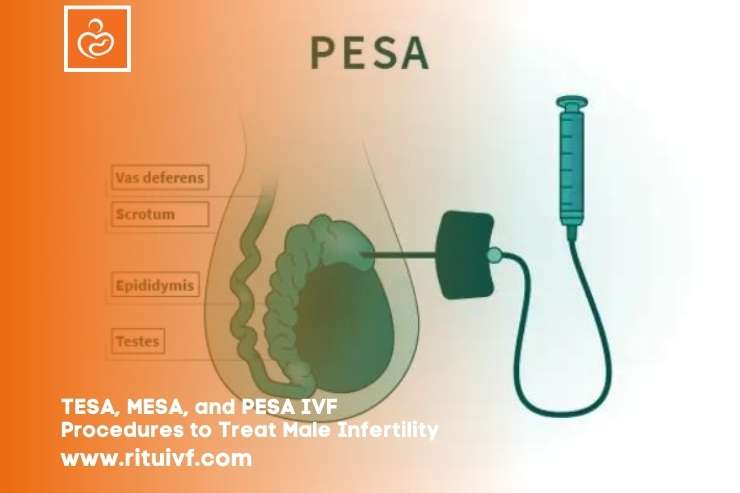
    Epididymitis is an illness or inflammation of the epididymis, a very important structure that stores and moves sperm. At the back of each testicle is a narrow, twisted tube called the epididymis. It connects the testes to the vas deferens, which is the tube that sperm go through when a man ejaculates. If the epididymis includes irritation or swelling, it can cause pain, swelling, and other unpleasant symptoms. In this article, we guide you on everything you need to know about epididymitis treatment

    What Is Epididymitis And Treatment? How Do People Get Epididymitis?

    Men of all ages can get epididymitis, but young people and older men are most likely. Sexually active men, especially those younger than 35, are more likely to get epididymitis. This disease is also more likely to happen to people who have had urinary tract infections (UTIs), prostate infections, or epididymitis in the past.

    What Kinds of Epididymitis Are There?

    Epididymitis includes two main groups:

    1. Acute Epididymitis: This kind comes on quickly and causes a lot of pain, swelling, and inflammation. It happens a lot because of bacterial illnesses, like STIs or UTIs.

    2. Chronic Epididymitis: Symptoms of chronic epididymitis come back more than once a week for more than six weeks. When someone has chronic epididymitis, the pain is generally not as bad as when they have acute epididymitis, but it can last for a long time and make life difficult.

    Symptoms Of Epididymitis

    Cases of epididymitis are usually caused by an infection with germs, which can happen for several reasons, such as:

    Sexually Transmitted Infections (STIs): Epididymitis can be caused by common STIs like gonorrhea and chlamydia, especially in sexually active people.

    Urinary Tract Infections (UTIs): Bad bacterial infection from a UTI can sometimes get to the epididymitis through the urethra.

    Infections in the Prostate: Infections in the prostate can spread to the epididymis and make it swell up.

    Damage or Injury: An injury to the testicles (testicular) or damage to the groin area can also cause epididymitis.

    Risk Factors And Causes Of Epididymitis

    Epididymitis signs can range in severity and may include:

    Pain and Tenderness: One or both testicles usually hurt and feel tender, and they may also swell and turn red.

    Fever and chills: People who have epididymitis may sometimes get fever and chills.

    Urinary Tract Infection: You may have signs like having to go to the urine a lot and having pain when you do it.

    Penis Discharge: If an STI is to blame, there may be a penis discharge.

    Is Epididymitis a Problem with Fertility?

    Potentially, epididymitis could impair fertility. Sperm storage and transportation are components of the male reproductive system that rely heavily on the epididymis. Scarring or obstruction of the epididymis caused by inflammation or infection can impede the sperm’s ability to travel, ultimately leading to complications with fertility. Epididymitis must be treated and managed expeditiously to reduce the likelihood of developing fertility complications.

    How Can I Tell If I Have Epididymitis?

    A doctor must do a full exam on the person to diagnose epididymitis. The exam may include the following:

    Medical History and Physical Exam: The doctor will talk about the symptoms and medical history. He or she will also do a physical exam to check the testicles’ swelling, soreness, and general health.

    Urinalysis and blood tests: These can help find out if there is an infection or swelling.

    Ultrasound: The epididymis and testicles can be seen on an ultrasound, which helps prove the diagnosis and rule out other conditions.

    What Is Epididymitis Treatment

    Epididymitis is usually treated with a mix of medicine, rest, and changes to how you live your life:

    Infections caused by bacteria: If the illness is caused by bacteria, a course of antibiotics is given to kill the bacteria.

    Pain Management: To ease pain and soreness, painkillers and anti-inflammatory drugs may be suggested.

    Rest and Elevation: Giving the scrotum a break and raising it may help reduce pain and stiffness.

    Ice Packs: Putting an ice pack on the hurt spot can also help reduce pain and swelling.

    FAQs Related Chronic Epididymitis

    Can Epididymitis cause chronic issues?

    Chronic epididymitis, abscesses, and scarring might result from untreated or delayed therapy. Preventing long-term complications requires prompt medical intervention.

    Does epididymitis ever necessitate surgery?

    Surgery may be needed to clear an abscess in rare situations. Surgery for epididymitis is rare and reserved for severe instances.

    Epididymitis prevention?

    Secure sex, excellent cleanliness, and timely UTI treatment are preventive strategies. If you suspect Epididymitis, consult a doctor immediately to avoid complications and get treatment.

    Conclusion

    Epididymitis is a disease that can be very painful and could make it hard to get pregnant. People who are having signs of epididymitis should see a doctor right away to get a correct diagnosis and the right treatment. People can successfully manage and avoid epididymitis if they know what causes it, what the symptoms are, and how to treat it.