Author: Dr. Ritu Agarwal

  • What is Intracytoplasmic Sperm Injection (ICSI) Treatment?

    ICSI, or intracytoplasmic sperm injection, is a treatment for impotence. It is done in a lab by putting live sperm into someone’s eggs. An embryo (fertilization egg) can be made with this method. You can get a successful pregnancy through ICSI, which is a type of IVF. Medical professionals usually use ICSI when a person can’t have a child because of male infertility. When sperm is directly injected into an egg, it is called intracytoplasmic. The gel-like stuff in the middle of an egg is made up of water, salt, and other chemicals.

    How is ICSI not the Same as IVF?

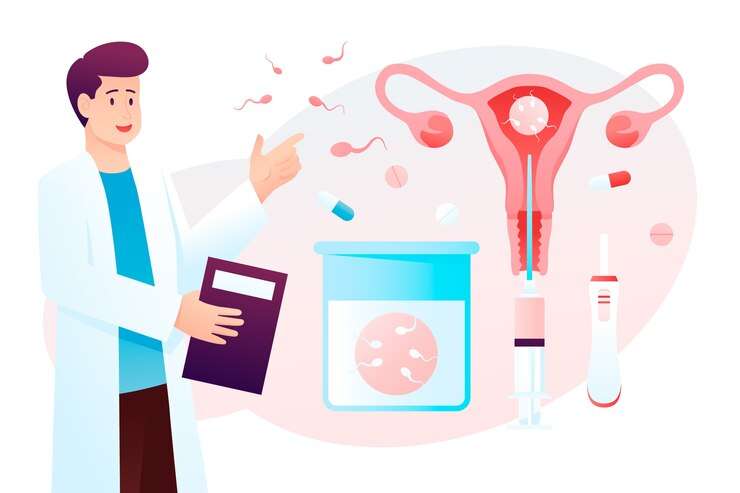
    ICSI is one kind of IVF. When you get standard IVF, your doctor puts an egg on a lab dish next to thousands of sperm directly. It’s up to chance whether one of the sperm gets into the egg and fertilizes it. Conception, which is also called fertilization, doesn’t happen if none of the sperm touch the egg.

    Through the direct placement of a single sperm into a single egg, ICSI helps with the process of fertilization. Still, ICSI doesn’t promise that the egg will hatch.

    Your doctor will put the fertilized egg (embryo) into your uterus during both ICSI and standard IVF. If the egg sticks to the walls of your uterus, you are pregnant.

    What is ART, or Assisted Reproduction Technology?

    ICSI and IVF are both types of assisted reproductive technology (ART) that are used to treat infertility. ART refers to fertility techniques that are done in a lab and use eggs and sperm from outside of a person to start a baby.

    How well does Intracytoplasmic Sperm Transfer Work?

    ICSI is used in about six out of ten IVF processes. You have the same chances of getting pregnant with ICSI as you do with regular IVF. It is thought that between 50 and 80 percent of ICSI tries lead to fertilization.

    Why do we need the ICSI Procedure?

    ICSI works best for people who are having trouble getting pregnant with a boy. This procedure may be suggested by your doctor if someone has:

    • Anejaculation means not being able to ejaculate.
    • Their male sexual system is being blocked.
    • Not many sperm.
    • Not very good sperm.
    • When a man ejaculates, the sperm moves backward into his stomach.

    ICSI may also be needed if:

    • Embryos have not been made with traditional IVF.
    • The guy who is giving you the eggs is over 35 years old.
    • You’re trying to get pregnant with eggs or sperm that have already been frozen (cryopreservation).
    • Someone does an intracytoplasmic sperm injection.

    An OB/GYN who is also a fertility specialist might be able to help you. These doctors fix problems with the endocrine system that make it hard to get pregnant. They know a lot about finding and treating infertility and keeping a woman’s fertility

    What Takes Place Before Intracytoplasmic Sperm Injection (ICSI)

    The eggs and sperm must be collected by your doctor before ICSI can happen.

    To get an egg, these steps must be taken:

    • For ovulation induction, which is also known as ovarian stimulation, the person who is releasing the eggs gets doses of medicine for eight to fourteen days. This makes your ovaries make more than one egg at the same time so they can hatch. Next, a dose of Lupron, or human chorionic gonadotropin (HCG), will help the eggs finish maturing.
    • For egg extraction, your doctor will use transvaginal ultrasound to help guide a thin needle through the wall of your vagina and into your ovaries. A light anesthetic is used for this step, so it doesn’t hurt. Along with the needle is a sucking device that pulls out and catches the eggs.
    • On the same day that the eggs are taken out, sperm collection also happens, unless frozen sperm is used.
    • Sperm given by the person should not have intercourse or masturbation (no ejaculation) for two to three days before the sperm collection.
    • Masturbates at home or in a private room at a pregnancy center, and then ejaculates into a jar given by the lab. The lab must receive the samples no more than 60 minutes after the ejaculation.

    Right away, a semen study is done to check the quality, quantity, and movement of the sperm. Some people may need treatment to collect sperm if they have azoospermia, anejaculation, or backward ejaculation. This is also true for people who try to reverse an abortion but fail. In some cases, the hospital may be the better place for procedures like electroejaculation and tiny testicular sperm extraction. For later use in IVF at the clinic, the sperm may be frozen and stored in a lab. This is called “sperm banking.”

    During Intracytoplasmic Sperm Transfer, What Does it Happen?

    During ICSI, your doctor or nurse will:

      • Keep the fully grown egg in place on a lab dish with a pipette, which is a small glass tube with a suction tip.
      • uses a tiny needle to stop one sperm from moving and pick it up.
      • To get to the cytoplasm, the needle is put into the egg.
      • Puts the sperm into the cell’s cytoplasm.
      • Takes the needle off of the egg.

    What Comes Next After ICSI Treatment

    After ICSI, your doctor will check the fertilized egg in the lab for signs that it was fertilized successfully. A good egg that has been fertilized should split into cells and make a blastocyst in five to six days. Your doctor will look at the size and number of cells in the embryo to figure out when it’s most likely to become pregnant.

    On the fifth or sixth day after the egg removal process, the embryo transfer. Usually, the transfer is put off for a month or even a year. Your doctor will talk to you about when to have the egg transfer. Your doctor will use ultrasound to put a catheter (a long, thin tube) into your vagina and then inject the baby into your uterus. The baby has to connect to your uterus for you to become pregnant. Your doctor may tell you to wait at least two weeks before getting a pregnancy test.

    Benefits and Risks of ICSI Attempts

    Benefits:

    ICSI makes it possible for men who can’t have children or have low sperm count, bad morphology, or bad quality sperm to have children. Women over 35 who are having trouble getting pregnant have a better chance of getting pregnant with ICSI.

    Risks:

    The chances of multiple gestation, premature birth (even in singleton pregnancies), and congenital defects in the progeny are all greatly elevated by assisted reproduction. Most pregnancies conceived by in vitro fertilization end successfully, with the delivery of healthy babies.

    What are the Baby’s Risks if ICSI is Used?

    About 2% of babies born in the U.S. have genetic diseases, which means they had a health problem from the start. A further 1% of children born through ICSI are born with birth defects. Experts in medicine believe that these issues may be caused by the main reason for infertility, not by the fertility treatment itself. And this risk isn’t that big, since birth problems happen in only 2% of babies born each year.

    FAQs Regarding ICSI:

    How do people who use ICSI get better and what is their outlook?

    Recovery and prognosis depend on how the IVF process is done.

    When to See a doctor?

    You should get in touch with your doctor if you notice any of these symptoms:

    • When a fertilized egg implants outside of the uterus, this is called an ectopic pregnancy.
    • Getting sick.
    • Lost the baby.
    • Birth before time.

    Does ICSI make it more likely that you will have twins, triplets, or more?

    Your doctor may use ICSI to fertilize more than one egg to improve your chances of getting pregnant. You might have twins, triplets, or more if you decide to move more than one egg. A multiple pregnancy can make it more likely that the kids will be born early or have other problems.


  • What are Ovulation Days? Calculate Fertility Time with Ovulation Calculator

    What are Ovulation Days? Calculate Fertility Time with Ovulation Calculator

    Most people don’t know what is ovulation days. When an egg is fully grown, it leaves the ovary, moves down the fallopian tube, and is ready to be fertile. This is called ovulation. An egg will hatch inside one of your ovaries every month or so. The ovary lets go of the egg when it’s ready, and it goes into the fallopian tube on its way to the uterus and the waiting sperm. It has become thicker on the inside of the uterus to get ready for the fertilized egg.

    The uterus lining and blood will be shed if there is no conception. menstrual cycle happens when an unfertilized egg and the uterus wall fall out.

    Important Facts Regarding What is Ovulation Days

    • An egg has 12 to 24 hours to live after it leaves the ovary.
    • Most of the time, only one egg is released each time a woman ovulates.
    • Stress, sickness, or changes in the normal routine can all affect ovulation.
    • Light blood or spotting may happen to some women during ovulation.
    • It usually takes 6 to 12 days after ovulation for a fertilized egg to be implanted.

    Every woman is born with millions of eggs that are not fully developed yet. They are waiting for ovulation to start.

    • It is possible to have a menstrual cycle even if ovulation has not happened.
    • Even if you haven’t had your menstrual cycle yet, ovulation can still happen.
    • Middle pain” is the name for the pain some women feel near their ovaries when they ovulate.
    • If an egg doesn’t get fertilized, it breaks down and is taken up by the lining of the uterus.

    How to Keep Track of Your Time Of Ovulation

    A woman’s monthly cycle runs from the first day of her period to the first day of her next period. The standard length of a woman’s cycle is between 28 days and 32 days, but some women may have cycles that are much shorter or much longer. You can start figuring out ovulation on the first day of your last menstrual cycle (LMP) or 12 to 16 days before your next period is due. From the first day of the LMP, most women ovulate between Day 11 and Day 21 of their cycle.

    Many people call this part of a woman’s cycle the “fertile time or fertile window” because having sex during this time makes it more likely that she will get pregnant. Ovulation can happen at different times during a cycle, and it might happen on a different day every month. It is important to keep track of your cycle, and luckily, there are a lot of free fertility charting tools that can help women find their most fertile days.

    The Two Parts of the Ovulation Cycle

    The follicular phase is the name for the first part of the cycle. This phase starts on the first day of the last menstrual period (LMP) and lasts until the egg is released.

    This first part of the cycle length can last anywhere from 7 to 35 days – to 40 days, depending on the woman.

    This part of the cycle lasts from the day of ovulation until the next period starts. It is called the luteal phase. There is a more accurate timetable for the luteal phase, which usually starts 12 to 16 days after ovulation.

    This means that the day you ovulate will tell you how long your cycle is. This also means that things outside of your control, like worry, illness, or changes to your normal routine, can throw off your cycle and cause your period to come at a different time. That old idea that worry can make your period worse is only half true. Your ovulation can be affected by stress, which affects when your period will come. However, if you’re stressed around the time of your period, it won’t come later because the date was already set 12 to 16 days earlier!

    One way to keep track of when ovulation happens is to use a basal temperature and pay attention to changes in the cervical mucus. The fluid in the cervix will change into something wet and slippery that looks like “egg whites” right before and during ovulation. A basal thermometer helps you keep track of a rise in body temperature, which means that ovulation has just happened.

    Egg and pregnancy testers are two more ways to keep track of your cycle. By keeping track, a woman can get a better idea of when she can get pregnant and when she can’t during her monthly cycle. There is nothing you can do to improve your chances of getting pregnant after ovulation. The next thing you should do is start looking for signs of an early pregnancy. You can look at and print out an ovulation calendar to help you understand your pattern better.

    From Your Period to Ovulation (the details you might not know!)

    When your period starts, your estrogen levels are low. It is your hypothalamus’s job to keep your hormone levels in check. It sends a message to your pituitary gland, which delivers the follicle-stimulating hormone (FSH). Some of your follicles will turn into developed eggs when this FSH is released. One of these will grow into the main follicle and release a developed egg. The other follicles will break apart.

    The follicles release one more hormone, estrogen, as they grow up. Because there is a lot of estrogen, the brain and pituitary gland will know that there is a developed egg. Then, a luteinizing hormone (LH) is produced. This is called an LH spike. In 24 to 36 hours, the LH increase makes the egg break through the ovary wall and start its trip down the fallopian tube to be fertilized. Ovulation Predictor Kits (OPKs) find this LH spike and use it to work. The corpus luteum is the name of the cell from which the egg was released. It will release progesterone, which helps the lining of the uterus get thicker and ready for implantation. During the luteal part of your cycle, which lasts for 12 to 16 days, the corpus luteum makes progesterone.

    The corpus luteum continues to make progesterone for a growing pregnancy until the placenta takes over if sperm fertilizes the egg. You can start looking for signs of pregnancy up to a week after sperm fertilizes the egg. You can also use an Early Detection Pregnancy Test up to 7–10 days after your ovulation date to check for pregnancy.

    If sperm does not fertilize the egg, the egg breaks down after 24 hours. Your hormone levels will drop at this point, and about 12 to 16 days after ovulation, the lining of your uterus will start to shed. This is your period of bleeding, and we’re back to day 1 of your cycle. After that, the trip starts all over again.

    Knowing when a woman ovulates is one of the most important things she should know about her body because it affects her ability to get pregnant or not get pregnant.

    FAQs Regarding Signs of Ovulation

    Your ovulation period is how long?

    Ovulation symptoms may continue five days before, one day after, and two days following for many women. The absence of indications of ovulation doesn’t indicate you’re not ovulating.

    Your ovulation period is how long?

    Ovulation symptoms may continue five days before, one day after, and two days following for many women. The absence of indications of ovulation doesn’t indicate you’re not ovulating.

    Is Ovulate without a period possible?

    How irregular periods affect ovulation and fertility. Despite their association, ovulation may occur without menstruation. Women with irregular periods commonly experience this. Alternatively, monthly bleeding without ovulation is conceivable.


  • Main Reasons of IVF Failure

    Main Reasons of IVF Failure

    “Why does IVF fail?” may be on your mind. We have heard a lot of good things about in-vitro fertilization (IVF) methods from family, friends, and the internet. However, we don’t hear much about IVF implantation failure because it’s usually a very touchy subject for people who want to have children. This blog post breaks the taboo and talks about reason of IVF Failure.

    The most recent success rates we sent to the Human Fertilization and Embryology Authority (HFEA) show that the treatment of IVF success rate is 40.6% for getting pregnant and a live birth rate of 32.5%. Sometimes, IVF doesn’t work for people, and they don’t get pregnant or have a live birth. There are several reasons for this.

    What Are The Main Reasons Of IVF Failure:

    There are several things that can go wrong with IVF. One of these reasons is recurrent implantation failure, which happens after a few days. This happens when the growing baby doesn’t stick to the wall of the uterus, stopping a link from being made. There are also problems with growing in the baby and a lot of DNA variation. No matter what the reason for IVF failure but, it can be painful and mentally tiring. Here are some main reasons why IVF fails:

    1. Sperm Abnormality

    Sperm that isn’t working right is a reason of IVF failure. A doctor will carefully look at the sperm for any problems during the treatment. If the sperm isn’t shaped right, the egg probably won’t get fertilized. During this process, the sperm will have to break through the egg’s outer layer and release half of its genetic material. This will allow a healthy baby to grow. Your ability to choose good sexes during the process is important if you want to have a healthy pregnancy. If not, a doctor might have to do genetic testing before the pregnancy to find these problems.

    2. Female Age

    As women age, the quality and number of their eggs decline. It’s a well-known fact that women have a lower chance of getting pregnant as they age. However, a drop in egg number and quality also lowers the chances of a clinical pregnancy or a live birth after IVF treatment.

    “According to our success rates, women up to the age of 35 have the highest chance of IVF success: 47% for clinical pregnancy and 38% for live birth,” says Dr. Ritu Agrawal, co-founder of The RITU IVF Center and one of the most well-known fertility experts in India

     3. Quality of The Embryo

    In the IVF clinic for fertility treatment, the eggs from the female and the sperm from the donor (male) are put together to try to make a baby. Embryo implantation may look healthy in the lab, but there is a chance that they won’t settle into the uterus because of a problem that can’t be seen. Scores are used by our fertility specialist to rate the eggs’ quality and pick the best ones to put back into the uterus. We also use time-lapse images (embryoscope) to keep the embryos warm until they reach the blastocyst stage, which is when embryos are 5 days old. There is a camera inside the closed box that takes pictures of the embryo quality in every 10 to 20 minutes. This is called the embryoscope. The screen on the outside of the embryoscope lets us see how the embryos are growing. This way, we don’t have to take the embryos out every day to check on them, which keeps them in a safe setting. We can also play back the video recording and see how the embryos changed overnight. This lets us pick the best embryo transfer in order to get pregnant.

    4. What the Ovarian Does

    At the start of IVF treatment, the woman has to give herself a shot of follicle-stimulating hormone (FSH), a fertility hormone, every day. The goal of this injection is to make more eggs. Some women’s ovaries don’t react properly to this medicine, so they don’t make enough eggs to collect. Low ovarian reserve means that older women already don’t have many eggs, so this is especially true for them.

    “If the ovaries don’t respond well, it doesn’t mean the end of the IVF treatment,” says Dr. Ritu. The case might be able to get better with more research and changes to the medicine. AMH levels in the blood and the number of antral follicles seen on an ultrasound scan are used to figure out the ovarian reserve. The amount of ovarian reserve would tell you the best way to activate your ovaries and get them to make a good number of eggs.

    5. Problems with Implants

    This means that the eggs did not grow inside the uterus. There could be uterine cysts, an early rise in progesterone levels, an endometrial covering that is too thin, or an infection in the uterus leading to infertility. “If an embryo doesn’t implant, it’s not your fault,” says Dr. Ritu. “Most of the time, problems with implantation are out of anyone’s control.” We put together a wide range of tests to look for the reasons why implantation might not have worked.

     6.  Way of lifestyle

    As with a normal pregnancy, living a healthy life before and during IVF is likely to make it easier to get pregnant. Giving up smoking a few months before you start IVF is a good idea because it has been shown to hurt fertility. In addition to eating well and working out daily, reaching a healthy weight will also help you.

    7. Chromosomal Abnormalities

    Sometimes IVF fails because the eggs don’t have the right chromosomes. This means that there is a piece of chromosomal DNA missing, extra, or not arranged right in the baby. The body then rejects the baby, which means the IVF doesn’t work. Chromosomal abnormalities can be passed down from one parent to the child or form during the early stages of cell division.

    As per Dr. Ritu Agarwal, the best IVF doctor in Jaipur, “Chromosome problems are most likely to be present in embryos from women over the age of 35.” But don’t let that stop you. We can check all 23 pairs of chromosomes in the embryos to see if they have any inherited genetic or gene problems, and only the healthy embryos will be replaced.

    Reproductive immunology is the idea that an egg or fetus is rejected because the body’s immune cells are working too hard. There is a chance that your immune cells are fighting the baby if you have tried IVF but have not been able to get pregnant. Reproductive immunology might be able to help you figure out why your IVF cycles keep failing and, if your immune system is responding in this way, give you a way to treat it.

    Conclusion:

    Failure of IVF is distressing. Mental and emotional health and money might suffer. Support will help you manage these feelings. Counseling and infertility treatment are alternatives.

    Breaks from therapy might also assist. This may alleviate stress and prepare you for another treatment cycle. Many physicians advise waiting four to six weeks before undergoing IVF again, following a negative pregnancy test.

    Identifying the Reason of IVF Failure might enhance future efforts. Your doctor may recommend genetic testing if you have a hereditary condition.

    Different drugs affect your body differently. Inducing ovulation using ovarian stimulation medications may cause reproductive system inflammation. Your doctor will adjust your stimulation regimen based on your reaction.

    Many couples struggle after their first unsuccessful IVF process. But there are various methods to become parents.

    FAQs Regarding IVF Fail Reasons:

    What causes most IVF failure?

    Despite its complexity, embryos that fail to implant on the uterine lining are a common cause of IVF failure. It may have been delivered to the uterus with an unsuitable lining or not attached properly.

    After 3 unsuccessful IVF rounds, what next?

    After your third unsuccessful IVF cycle, consider a second opinion, more diagnostic testing, reevaluating your treatment plan, or other reproductive therapies.


  • Fallopian Tube Blockage – Signs, Symptoms, and Treatment

    Fallopian tubes link the ovaries to the uterus and are reproductive systems for women. Periods usually happen in the middle of each month. During ovulation, an egg is carried from an ovary to the uterus by the fallopian tubes.

    The fallopian tube is also where conception takes place. If sperm joins with an egg, the egg goes through the tube to the uterus where it will be implanted.

    It is impossible for sperm to reach the eggs and for the fertilized egg to return to the uterus if a fallopian tube is blocked. Scar tissue, infections, and pelvic adhesions are common things that can block the fallopian tubes and cause of infertility.

    Symptom That Your Fallopian Tube is a Block

    Most of the time, a blocked fallopian tube may not make you feel sick. A lot of women don’t know they have blocked tubes until they are having trouble getting pregnant.

    When the fallopian tubes get blocked, there may be mild, constant pain on one side of the belly. This often happens with a hydrosalpinx, which is a type of blockage. This is when fluid fills up a blocked fallopian tube and makes it bigger.

    Some of the things that can cause a blocked fallopian tube have their signs and symptoms. As an example, endometriosis can lead to painful, heavy periods and pain in the pelvis. It may be recommended to have your fallopian tubes blocked.

    How it Affects Fertility

    Infertility is often caused by ovarian tubes that are blocked. The fallopian tube is where the sperm and egg sexually transmitted to become one. If the tubes get clogged, they might not be able to connect.

    If both tubes are completely blocked, it will not be possible to get pregnant without surgery. You might be able to get pregnant even if your fallopian tubes are partly blocked. But the chance of having an ectopic pregnancy goes up.

    The reason for this is that a blocked egg finds it harder to get to the uterus after being fertilized. If these things happen, your doctor may suggest in vitro fertilization (IVF), but only if the treatment is possible.

    Causes Of Fallopian Tube Blockage

    Most of the time, scar tissue or adhesions in the pelvis block the fallopian tubes. These can be caused by several things, such as

    • Inflammatory disease of the pelvis: This illness can leave scars or hydrosalpinx.
    • Having endometriosis: Endometrial tissue can build up in the woman’s fallopian tubes and block them. Endometrial tissue that is on the outside of other organs can also stick together and stop the fallopian tubes.
    • Some STIs, or sexually transmitted diseases: Going through chlamydia or gonorrhea can leave scars and lead to pelvic inflammatory disease.
    • Ectopic pregnancy in the past: The fallopian tubes may get scars from this.
    • Lumpy skin: These growths, especially where they connect to the uterus, can block the end of the fallopian tube.
    • After having stomach surgery: If you had abdominal surgery in the past, especially on the fallopian tubes, pelvic adhesions can form and stop the tubes.
  • What is Ovarian Stimulation in IVF?

    What is Ovarian Stimulation in IVF?

    There are a lot of things about in vitro fertilization (IVF) that help it work, or lead to a good baby. One of these parts is the process of ovarian stimulation, which tries to make ovulation happen before other methods are used. The goal of stimulating the ovaries is to make it more likely that a woman will get pregnant.

    Let’s talk more about how ovarian stimulation works to help you and your partner know what to expect during your IVF treatment.

    What is the Goal of Ovarian Stimulation?

    The goal of ovarian stimulation is to make it work like the body’s normal ovulatory cycle, in which chemicals make the eggs develop and release them.

    IVF stimulation is done with pills or hormone shots or injection to help more than one egg develop at the same time, which increases the chance of getting pregnant. When hormones are used to stimulate the ovaries, they also help improve the quality of the eggs.

    Ovarian stimulation is often used to get eggs during the second part of IVF treatment. You can use these eggs right away or save them for another time. This method is mostly used for people who have been told they have a problem with ovulation because it helps them ovulate.

    Stages of IVF Stimulation of the Ovaries:

    There are two main kinds of ovary stimulation:

    1. Long Protocol
    2. Blocker Protocol

    Long Protocol

    The usual way to do things is to follow a long routine. It starts about a week before the next period is supposed to start. GnRH-analogue, or gonadotropin-releasing hormone, is given to stop the ovary from doing anything on its own. This is done to stop the eggs from getting out so that a medical team can get them. Once the menstrual cycle starts, the patient gets hormone shots every day and is watched for two weeks. At the end of that time, the eggs are taken.

    Blocker Protocol

    Once the monthly cycle starts, the antagonist procedure begins. At this point, hormone shots are given to speed up egg maturation so that more eggs can be collected during the extraction stage. When the long plan doesn’t work, this is often the next step. It is also done when a woman has polycystic ovaries or a small number of eggs left in her ovaries.

    Ovarian Stimulation Process

    During ovarian stimulation, chemicals called follicle-stimulating hormones (FSH) and luteinizing hormones (LH) are used to help make more eggs, make them mature, and release them. To start the process, these hormones are given over the course of two weeks.

    Depending on how long it takes the eggs to grow, this stage can last longer for some women. One study in the Journal of In Vitro Fertilisation and Embryo Transfer found that women who didn’t respond well to a certain dose of FSH did respond well to a higher dose of the hormone the next time around.

    The goal of using FSH is to raise estrogen levels and help ovaries grow since some of them die when the body’s FSH levels go down. It is important that these amounts stay high so that more eggs can be made. To raise LH, the amount of estrogen needs to be high since this hormone helps start menstruation. In order for IVF to work, the eggs have to be taken out before the woman ovulates.

    What to Look For

    As you might expect, time is very important when it comes to stimulating the ovaries with hormones. Every step of the process needs to be done carefully and at the right time. The process can have to start over if there is even a small problem or delay.

    The physical parts of the whole process can also be stressful, but they can also give people hope. During the process of stimulating the ovaries, there are a few things to keep in mind. Here are a few things to remember.

    Taking Care of Your Medicines

    The hormone shots are just one of the ways that the IVF procedure is treated with medicine. Most people have to give themselves the shots and take pills and patches that are given to them. Again, just like with IVF shots, it’s important to time all of your medicines right so that your body can respond to the treatment.

    Along with taking normal medicine, it’s important to keep track of hormone levels with blood tests. With these tests, the practitioner can figure out when and how to make changes. Appointments to look at an ultrasound are also a part of the treatment.

    Tests and Touring

    Some people may have to drive a lot for regular tests and meetings, especially if the treatment place is in a different city or town. During the IVF process, it should be easy to stay in touch with the medical team by phone and email, but you’ll need to be there for any physical tests.

    Stress and Changes in Mood

    During the process of stimulating the ovaries, the hormones and medicines that are needed can make a person feel bad. Even though it may seem like the treatment to stimulate the ovaries is causing these mood changes, research has shown that this is not the case.

    Problems and Harmful Effects

    In addition to stress, fear, and worry, the medicine and hormone shots used in ovarian stimulation can have physical side effects. A rash or swelling at the treatment site can be a sign of mild illnesses. People have also said that their breasts hurt, they feel full, and they have stomach pain.

    Some patients have had more than one kid, usually twins or more because the treatment can cause more than one egg to mature at the same time. This means that more than one egg can be fertilized. There can also be problems like babies being born early or even losses.

    Services from Ritu IVF

    Ritu IVF Center is the best place in the Jaipur area for fertility care, treatment, and therapy. Some of the best infertility care experts in India work at our state-of-the-art center. The RITU IVF Fertility team uses a medical method that is backed by proof and combines it with caring treatment and individual care at every step. Our treatment plans can be changed to fit your needs. Contact us today to talk about your fertility questions and let us help you find hope on your IVF path.

  • IUI Treatment Procedure – Intrauterine Insemination Infertility Treatment

    IUI Treatment Procedure – Intrauterine Insemination Infertility Treatment

    The medical treatment known as intrauterine insemination (IUI) is used to treat infertility. IUI increases the likelihood of becoming pregnant by implanting specially prepared sperm directly into the uterus, the organ in which fetal development occurs. The process is also referred to as artificial insemination in certain circles.

    During an IUI procedure, sperm are introduced into the uterus while an ovary releases one or more eggs. The fallopian tube, which links the uterus to the ovaries, is where it is hoped that the egg and the sperm count will eventually fuse together to form a baby. If this does occur, it will result in the chance of pregnancy.

    The timing of an intrauterine pregnancy may be coordinated with a woman’s menstrual cycle. One of the two ovaries will release an egg at some point throughout the monthly cycle. Or, in conjunction with intrauterine insemination (IUI), fertility medicines may be injected to stimulate egg production in the ovaries. The specific procedure used is determined by the underlying causes of infertility.

    Why was the IUI Procedure Executed?

    Whether or not a couple or a person can conceive rests on many things. Most of the time, intrauterine insemination is used on women who have:

    Donor Sperm: This is sperm that was given to you by someone you may or may not know. It’s a choice if you’re single, your partner doesn’t have sperm, or the sperm isn’t good enough for you to get pregnant. Intrauterine insemination is the method most often used to get pregnant for people who need to use donation sperm. Donor sperm comes from labs that have been approved, and it is thawed before the IUI process.

    Unexplained Infertility: IUI is often the first treatment for people who can’t get pregnant for no clear reason. Usually, it is taken with medicines that help the ovaries make eggs.

    Infertility related to endometriosis: When tissue that looks like the lining of the uterus grows outside of the uterus, it can make it hard to get pregnant. Endometriosis is the name for this. When this is the reason for infertility, the first step in treatment is often to use medicine to get a good-quality egg and do IUI.

    Mild Male Factor Infertility: This is also called subfertility. Semen, the fluid that has sperm in it, can make it hard for some couples to get pregnant. A test called “semen analysis” looks at the number, size, shape, and movement of sperm to see if there are any problems. These problems are checked for by analyzing sperm. Some of these problems can be solved by IUI. This is because getting the sperm ready for the process helps separate the good ones from the bad ones.

    Cervical Factor Infertility: Problems with the cervix can make it impossible to have a baby. The cervix is the thin part of the uterus at the bottom. It gives the vagina and the uterus a way to connect. During ovulation, the cervix makes mucus when the ovary releases an egg. The mucus helps the sperm move from the uterus to the fallopian tubes, where the egg is waiting. But if the mucus in the cervix is too thick, it could get in the way of the sperm. Sperm can also be stopped from getting to the egg by the cervix. The cervix can get thicker if it gets scarred, which can happen after a biopsy or other treatments. IUI skips the cervix to make it more likely that you will get pregnant. It puts the sperm right into the uterus and makes more of them ready to meet the egg.

    Ovulatory Factor Infertility: IUI can also help people who can’t have children because they can’t get their eggs to mature. Some of these problems are not ovulating or not making enough eggs.

    Semen Allergy: Proteins in sperm rarely cause a reaction in people who are allergic to them. When the penis sends sperm into the vagina, the area where the sperm hits the skin starts to burn and swell. A condom can keep you from getting sick, and it can also keep you from getting pregnant. IUI can make it possible to get pregnant and stop the allergy symptoms from being painful. Before the sperm is put in, many of the proteins in the sperm are taken out.

    Your Level of Preparation

    Before beginning the real treatment, there are a few essential tasks that must be completed, including the following:

    Keep an eye out for Ovulation: Because the timing of IUI is so important, it is essential to look for indicators that the body is getting ready to ovulate. You might do this by making use of a urine ovulation predictor kit that is designed for at-home usage. It is able to identify when an increase or release of luteinizing hormone (LH) occurs in your body. LH is the hormone that induces the ovary to release an egg. You might also have a procedure known as transvaginal ultrasonography, which captures pictures of your ovaries and the development of your eggs. An injection of human chorionic gonadotropin (HCG) or other medications may also be administered to you in order to induce ovulation at the optimal period. This may result in the release of one or more eggs.

    Performing the surgery at the optimal time: IUI procedures are often performed one or two days after ovulation has been confirmed via diagnostic testing. Your physician will most likely have a strategy outlined for the time of your treatment as well as what to anticipate prior to the appointment.

    Getting the sample of sperm ready: At the recommendation of your physician, your spouse brings in a sample of his sperm. Alternatively, one may thaw and prepare a vial containing frozen donor sperm. The sample is cleaned in such a manner that it separates the sperm that are highly active and healthy from the sperm that are of poorer quality. In addition, washing eliminates components that, if introduced into the uterus, might result in adverse responses such as severe cramping. If a small but highly concentrated quantity of healthy sperm is used, there is a greater chance of the couple getting pregnant.

    During the procedure

    You insert your legs into the stirrups while lying down on the exam table. The vaginal walls are opened using a speculum, a hinged instrument made of plastic or metal. Medical staff do the following throughout the procedure:

    • Places a vial of viable sperm at the end of a catheter, which is a long, thin, flexible tube.
    • Intravaginal catheter insertion; cervix pierced; uterus reached.
    • Introduces the sperm sample into the uterus by forcing it via the tube.
    • The catheter is withdrawn, then the speculum is taken out.
    After the procedure.

    You’ll lay on your back for a short while after the sperm has been implanted in your uterus. After the operation is over, you may go home and change into your regular clothes. After the operation, you may have some mild spotting for up to two days.

    Results for Intrauterine Insemination (IUI) Treatment

    Do not take a home pregnancy test for two weeks. The results of premature testing might be:

    False-negative. Even if you could be pregnant, the test turns out negative. If pregnancy hormones are not yet detectable, you may obtain a false-negative test.

    False-positive. The test will show a positive result for pregnancy even if you are not pregnant. Taking fertility drugs like HCG that are still in your system might cause a false-positive result.

    About two weeks following the results of your at-home pregnancy test, you may be scheduled for a follow-up appointment. A blood test, which is more sensitive to the presence of pregnancy hormones after an egg has been fertilized by sperm, may be performed during the visit.

    You may attempt IUI again before moving on to other fertility treatments if you don’t get pregnant the first time. In order to increase the likelihood of conception, the same medication is often administered for three to six cycles.

    Conclusion:

    Infertile couples might find hope and potential through IUI. Working with healthcare specialists to discover the best strategy for unique situations requires patience and persistence.


  • Whose Sperm Is Used in IVF (In Vitro Fertilization) Process

    Whose Sperm Is Used in IVF (In Vitro Fertilization) Process

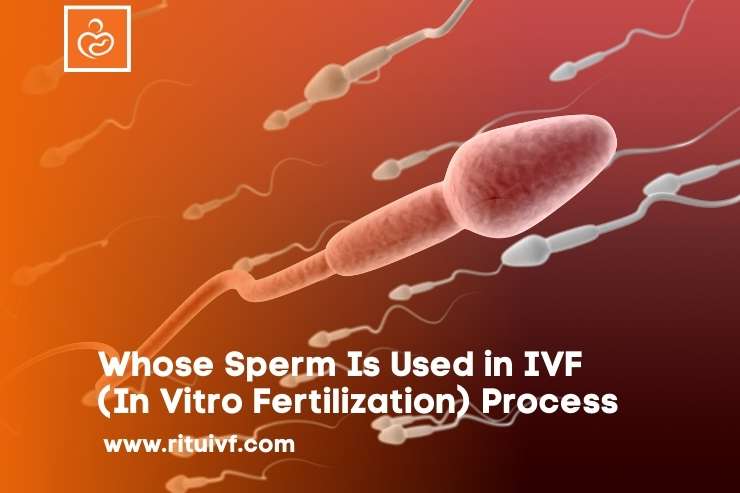
    IVF, which is also called “in vitro fertilization,” is a breakthrough in the area of “assisted reproductive technology” that has changed the way people have babies. It makes artificial breeding possible for partners who can’t have children on their own. IVF gives many people a spark of hope, but it also brings up important questions about whose sperm is used in the IVF Process, the role that sperm motility plays, the minimum number of sperm that is needed, and the use of donor eggs is also an option. This article will talk about these important parts of in vitro fertilization (IVF), and it will also explain how sperm is collected.

    In IVF Treatment, Whose Sperm Is Used?

    IVF, or in vitro fertilization, is a medical treatment that helps couples overcome a variety of reproductive challenges. The procedure includes fertilizing an egg with sperm outside of the body. There are a few different scenarios that might play out in the process of deciding whose sperm will be utilized in – vitro fertilization (IVF)

    Sperm from the Male spouse:

    In vitro fertilization (IVF) often makes use of the sperm of the male spouse. Because of this, if a heterosexual couple decides to pursue in vitro fertilization, the fertilization process will normally include the husband’s sperm.

    Donor Sperm:

    If the partner’s sperm (male) has a low sperm count, poor motile sperm, or any other sperm-related difficulties that make fertilization difficult or impossible, using donor sperm may be a possibility. Donor sperm may also be an alternative when donor sperm may be necessary. This method entails fertilizing many eggs with sperm obtained from a donor who has been chosen with great consideration.

    In ivf whose sperm is used

    How to Collect Sperm for In Vitro Fertilization

    The technique of collecting sperm for in vitro fertilization (IVF) is an essential stage. The collection of sperm directly for use in in vitro fertilization (IVF) can be broken down into the following steps:

    Sperm Collection in a Fertility Clinic:

    In the vast majority of cases, the collection of sperm for in vitro fertilization takes place at a fertility clinic. In this stage of the process, the male partner will produce a sample of his semen by masturbating. The sample is brought to the laboratory, where it is processed to isolate the sperm from the other components of the sample.

    Sperm Extraction for In Vitro Fertilization (IVF):

    In certain instances, where natural ejaculation is not feasible owing to medical issues or physical constraints, sperm extraction procedures such as testicular sperm aspiration (TESA) or epididymal sperm aspiration (TESA) may be utilized. These procedures are used when natural ejaculation is not possible. These techniques include extracting sperm straight from the testicles or the epididymis, depending on the procedure being used.

    Donor Sperm Is Collected:

    Sperm banks collect donor sperm from donors after they go through a screening process and then keep it. Individuals or couples can choose a donor according to certain criteria, such as the donor’s physical traits, medical history, or genetic heritage.

    IVF Success Rates and Sperm Quality

    The quality of the sperm utilized in the process directly correlates with the viability of an in vitro fertilization cycle. The following are some considerations to take into account:

    Sperm Motility:

    People refer to the capacity of sperm to move around effectively as sperm motility, and it is an important element. Even though in vitro fertilization can fix certain motility problems, having a greater motility rate will almost always improve your chances of a successful pregnancy

    Minimum necessary Sperm Count for IVF:

    There is no predetermined minimum necessary sperm count for in vitro fertilization, as this number might change based on the clinic’s procedures and the person or couple’s circumstances. On the other hand, a greater number of sperm in the sample will often boost the chances of success.

    Minimum Sperm Motility for IVF:

    In the same way, there is no rigorous minimum need for sperm count. There is also no stringent minimum requirement for sperm motility in IVF. Having greater motility, on the other hand, is desirable since it increases the odds of fertilization.

    IVF Treatment with Donor Sperm in India: Cost and Other Considerations

    Couples struggling with male infertility treatment should consider IVF using sperm from a donor as an option. The cost of in vitro fertilization (IVF) in India with a donor can vary greatly from clinic to clinic, based on location as well as the number of extra treatments necessary. It is necessary to conduct research on as many different fertility clinics as possible and make comparisons between them to pick the one that best meets your needs and offers the best value.

    FAQs Regarding The Process of Collecting Sperm for IVF Process:

    Is it possible to harvest sperm at home for the IVF process?

    The collection of sperm for in vitro fertilization should normally take place at a fertility clinic. On the other hand, several medical facilities could let patients collect their sperm at home provided they meet certain requirements and adhere to certain protocols.

    How much sperm does in vitro fertilization (IVF) require?

    The quantity of sperm required for in vitro fertilization might vary but is often rather low. Fertility clinics can fertilize eggs effectively with very little sperm even if there is only a small amount of sperm.

    Can a specialist conduct an in vitro fertilization (IVF) procedure even with a low sperm count?

    Even with a low sperm count, undertaking IVF is possible, but it likely decreases the odds of leading to a pregnancy. In such circumstances, experts may suggest various methods of assisted reproductive technology, like intracytoplasmic sperm injection (ICSI), as alternatives.

    How are sperm selected for IVF?

    In IVF, sperm are selected through a process called sperm washing and sorting. This involves separating the healthiest, most motile sperm from the semen sample. Techniques like density gradient centrifugation and swim-up methods are commonly used. The selected sperm are then evaluated under a microscope to choose the best ones for fertilizing the eggs.

    What type of sperm is needed for IVF?

    For IVF, high-quality sperm are needed, characterized by strong motility, normal morphology, and healthy DNA. These sperm must be capable of swimming effectively to fertilize the egg. The best sperm are selected through rigorous screening processes to ensure successful fertilization and embryo development.

    Conclusion

    In vitro fertilization (IVF) gives couples who are struggling with infertility reasons to have hope. It is essential to understand the many methods for sperm collecting. IVF success is highly dependent on the quality that is used as well as the motility of the sperm, regardless of whether the sperm comes from the spouse or a donor. In addition, the cost of in vitro fertilization (IVF) in India with donor sperm can vary greatly. Thus, individuals who are considering this alternative need to give it significant thought and conduct extensive studies. Consult a Ritu IVF fertility Center expert for fertility treatment if you have any further questions or concerns. They can give you individualized counsel and support throughout the IVF process.