Author: Dr. Ritu Agarwal

  • Can I Have Normal Delivery After IVF? A Comprehensive Guide to Delivery for IVF Moms

    Can I Have Normal Delivery After IVF? A Comprehensive Guide to Delivery for IVF Moms

    In vitro fertilization or IVF is an advanced fertility treatment designed to help couples or individuals conceive when natural conception becomes difficult. It is the most popular assisted reproductive technology preferred by infertile men and women who dream of becoming parents. However, despite its high success rate, it is still a taboo in many parts of the world. The biggest concern for these people who are skeptical about opting for IVF is that a normal delivery won’t be possible. So, will it truly be challenging to have normal delivery after IVF or is it just a myth? In this article, we will tell you all about delivering babies through IVF.

    An Overview of IVF

    During the IVF procedure, the first step is stimulating the ovaries so that they generate multiple mature eggs. Then, surgical removal of the eggs from the ovaries takes place and this procedure is called egg retrieval. The mature eggs and sperm are combined outside the woman’s body and in a lab to maximize the chances of implantation. The sperm can be either the male partner’s sperm or the sperm of a donor. When eggs and sperm come in contact with each other in a controlled environment, several embryos (fertilized eggs) are formed at the same time. Finally, the embryos are carefully placed into the uterus and then, you simply have to wait.

    If implantation is successful, you will experience the same symptoms as someone who got naturally pregnant. But the main question is: After IVF normal delivery is possible or not? Let’s find out.

    Can You Expect a Normal Delivery After IVF?

    Even in IVF pregnancy normal delivery is not uncommon. IVF treatment only treats a woman’s infertility issues without impacting her ability to deliver babies through her vagina. Once she gets pregnant through IVF, her pregnancy journey will be the same as another woman who conceived through intercourse.

    So, whether you will require a Caesarean delivery or a normal delivery depends not on the IVF procedure but on various factors such as maternal health, fitness levels, and age of the individual undergoing IVF.

    The decision regarding the delivery process – be it cesarean section or vaginal delivery- is usually the doctor’s discretion. Once a pregnant woman goes into labor, the doctor considers the mom’s and the baby’s health and suggests the best option. As a would-be-mother, it is essential to ask questions and have detailed discussions about your delivery options with your healthcare provider as that person can give personalized guidance after monitoring you and the baby.

    Why Is Normal Vaginal Delivery Desired After IVF?

    We all hope for normal delivery in IVF and the advantages are many:

    • As opposed to a C-section, the recovery period is shorter for IVF babies delivered vaginally.
    • If it’s a normal delivery, the risks of infections and surgical complications will be lower.
    • After normal delivery, a woman can immediately breastfeed.
    • To alleviate the pain, the female body releases endorphins and oxytocin during natural labor and normal delivery. So, normal delivery also positively impacts the emotional well-being of the mother.
    • Some studies claim that a normal delivery after IVF is linked with a low risk of long-term health issues like childhood obesity and respiratory ailments in the baby.

    Reasons Why Doctors Perform C-Section for Some IVF Pregnancies

    Now let’s have a look at some of the biggest determining factors that help doctors choose between NORMAL PREGNANCY V/S THE IVF PREGNANCY:

    Prolonged labor:

    If a pregnant lady is in labor for at least 20 hours, the condition is called prolonged labor. 1/3rd of the C-section births taking place around the globe happen due to this reason. Prolonged labor is something that even a woman with a normal pregnancy can experience and to avoid complications, doctors proceed with surgery.

    Not getting adequate oxygen:

    Sometimes, doctors perform surgery in urgency to take out the baby from the mother’s body. One such scenario is when the baby does not get sufficient oxygen and might get choked.

    Maternal health problems:

    When a woman has pre-existing conditions that can get exacerbated during vaginal delivery or labor, the doctor must prioritize her well-being and suggest a C-section.

    Abnormal position:

    The baby should remain in a headfirst position around its mother’s birth canal. This facilitates a successful delivery through the vagina. If the baby suddenly flips, the butt/ fete will be in the birth canal and so, for the safety of the baby, C-section is preferred.

    Complicated pregnancy:

    Placenta previa and placental abruption are some pregnancy complications. Placenta previa means cervix getting covered by the placenta and placental abruption indicates an untimely separation of your placenta. Both conditions necessitate a Cesarean delivery to keep potential risks at bay.

    Multiple babies:

    If someone is pregnant with multiple babies, the doctors want to ensure the safety of all the babies. So, what could be more reliable than a C-section?

    Health conditions:

    A C-section is the safest option for an expecting mom who has been diagnosed with heart problems, high BP, or diabetes. C-section is also the right choice for women with serious health complications like cancer or HIV.

    Tips to Increase the Chances of Normal Delivery in IVF

    Most women desire to give natural birth after IVF but there is no guarantee. However, you can follow some steps to maintain your overall health and prepare your body for vaginal birth. These are some lifestyle alterations advised by healthcare providers:

    1. Select a qualified IVF doctor 

    An accomplished and qualified fertility doctor will help you have a smooth and low-risk pregnancy through IVF. So, your chances of a normal vaginal birth will be higher.

    1. Stay physically active 

    Engaging in physical activity daily is not just safe but great for expecting moms. Walking, swimming, and prenatal yoga are some excellent exercises to facilitate fetal positioning and thus, prepare the female body for uncomplicated labor.

    1. Eat a balanced diet

    If you aren’t a fan of Cesarean delivery, eating nutrient-rich meals is as important as regular exercise. Additionally, give adequate rest to your body to keep fatigue at bay and aid the baby’s development.

    Read to know: What to Avoid during IVF Treatment

    1. Get proper prenatal care

    Prenatal care encompasses everything from going for regular check-ups to taking your prenatal supplement. If you visit your doctor regularly, they will address any complications promptly and so, normal vaginal delivery will still be an option.

    1. Prepare mentally for a Cesarean section

    As explained already, many factors influence the mode of delivery. If things don’t go as planned, your doctor may not ask you to wait for a normal delivery. So, you should always stay prepared for Cesarean delivery as nothing matters more than the well-being of the baby.

    1. Be positive

    Giving birth is not easy and a positive attitude will benefit you immensely. So, do not take stress and stay hopeful. These will double your chances of having a normal and quick delivery.

    To Sum Up

    We have told you everything you need to know about the link between IVF and normal delivery. Lastly, your healthcare provider will decide your mode of delivery after weighing factors like fetal position, obstetric complications, multiple pregnancies, duration of labor, fitness levels of the mother, etc. The aim of every couple should be to prioritize their baby’s safety and the well-being of the mom. So, have open communication with your doctor, and whatever delivery mode is ideal for you, we wish you all the best!
  • Unexplained Infertility: Diagnosis and Treatment 

    Unexplained Infertility: Diagnosis and Treatment 

    Have you been struggling to conceive for more than a year and your doctor is unable to detect an obvious problem? Are the fertility test results normal and yet the fertility specialist cannot find a detectable cause? This condition is called unexplained infertility and millions of couples around the globe are dealing with this. Does this mean you can never have a biological child or is there a way to treat this? From diagnosis to treatment to lifestyle changes – we will tell you all about unexplained infertility.

    Unexplained Infertility: An Overview

    Infertility in men and women can be of various types. While sometimes, doctors can easily identify the causes and provide the treatment, other times the causes remain elusive. Unexplained infertility means when it is difficult to find out why a couple is unable to conceive. The other name for it is idiopathic infertility and in such cases, the tests reveal:

    • There is no blockage in your fallopian tubes.
    • You ovulate at regular intervals.
    • There isn’t any uterine abnormality or structural issue with the uterus.
    • The semen analysis of your partner is normal in terms of amount, shape, count, and motility.
    • The levels of reproductive hormones in your body are normal.
    • You have a good ovarian reserve (egg count).

    Note: 43% of couples get pregnant after opting for fertility treatment.

    Causes of Unexplained Infertility

    Technically, the cause of unexplained infertility is not known. However, there can be some unexplained infertility reasons that are delaying your journey of parenthood. Healthcare providers list these as the possible causes:

    An undiagnosed underlying condition:

    It can be challenging to be completely sure about how certain conditions impact fertility. Scientists are constantly studying to know more about how human bodies function. For instance, did you know that celiac disease is a kind of gluten allergy that can contribute to a person’s infertility? Thyroid and diabetes are underlying health conditions that too can affect fertility.

    Endometriosis:

    Endometriosis may have some or no symptoms at all. Even endometriosis can stand in your way of becoming pregnant.

    Learn more about Endometriosis And Fertility

    Cervical mucus:

    The cervical mucus plays a key role in implantation as it allows sperm to swim up and get united with the egg when you are ovulating. If the cervical mucus is not transparent and watery but thick, sperm might fail to travel through the cervix and vagina to finally reach the uterus.

    Sperm quality:

    The quality of the sperm is also a contributing factor to infertility. So, a sperm analysis is necessary if there is any problem with the sperm. There can be other sperm-related issues that are making implantation impossible.

    Egg quality:

    With the help of an ultrasound, your healthcare provider can see your number of eggs. However, ultrasound gives no information about the quality of eggs. Blood tests in addition to ultrasound will give some idea about egg quality, but even this isn’t considered a definitive diagnosis.

    Uterine lining:

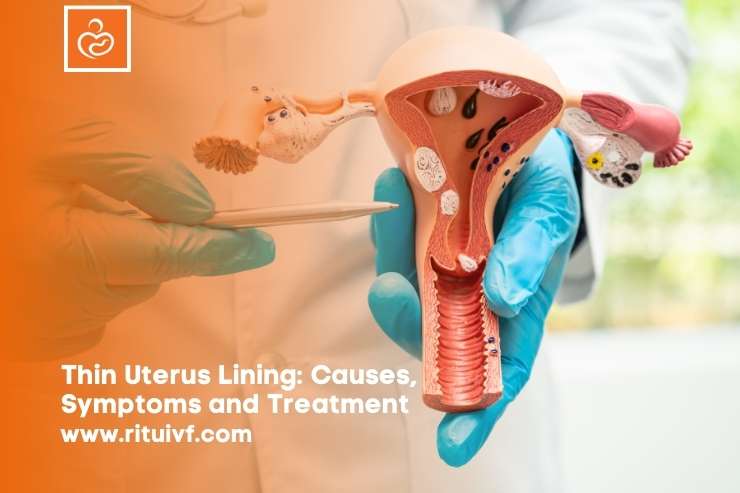
    The lining of the uterus is known as the endometrium. For implantation to be successful, the embryo needs to attach itself to the uterine lining. If your endometrium cannot thicken, then it is not prepared to accommodate a fertilized egg. In a thin uterus lining scenario, even if the sperm fertilizes the egg, the egg cannot implant as your endometrium is too thin. Hence, the pregnancy test results will be negative.

    Poorly timed sexual intercourse:

    Having coitus won’t get you pregnant unless you do it strategically. The timing, frequency, and position are all important aspects to keep in mind when having intercourse with the purpose of making a baby.

    Sometimes, the cause of unexplained secondary infertility is too hard to detect and therefore, treat. While some people can get pregnant without much effort, for others, many things need to happen simultaneously to achieve results.

    Diagnosis of Unexplained Infertility

    Doctors perform a series of tests to diagnose the irregularities that are causing infertility. According to the American Society for Reproductive Medicine (ASRM), the following should be included in fertility testing:

    • A detailed physical exam
    • A complete sexual and medical history
    • Testing the ovarian reserve
    • Semen analysis
    • Blood tests that show hormone levels
    • Keeping track of ovulation
    • Assessment of the ovaries, uterus, and fallopian tubes through ultrasound or the latest imaging tests such as laparoscopy and hysterosalpingogram

    Treatment for Unexplained Infertility

    If unexplained infertility exists, so does its treatment. Hence, without further ado, let us find out the best treatment for unexplained infertility.

    1. IUI (Intrauterine Insemination)

    IUI is one of the assisted reproductive technologies that can increase the chance of pregnancy for an infertile couple. This kind of artificial insemination follows diverse steps like concentrating sperm and placing the sperm directly in the uterus at the time of ovulation. Many fertility specialists prescribe Clomid with IUI for the best results.

    2. IVF 

    Although expensive, IVF (in vitro fertilization) is a reliable treatment option for a couple with unexplained infertility. When none of the other treatments work, fertility doctors suggest IVF for unexplained fertility and it has a high success rate.

    During the treatment, the doctor will collect mature eggs from the ovaries and bring them into contact with sperm in the lab. When the eggs are fertilized, multiple embryos will be placed in the uterus.

    One complete IVF cycle takes 2-3 weeks and it can be done with the couple’s sperm and eggs or with eggs and sperm from a fertile donor. Don’t panic if you do not see results as most patients require multiple IVF cycles.

    3. Medications

    There are many medications for stimulating egg production and facilitating ovulation. Your doctor may prescribe medications only or give them along with IVF and IUI treatment. Clomiphene and gonadotropins are the usual medications and sometimes, letrozole is also given.

    Gonadotropins have hormones that are necessary for egg production and treating issues like low sperm count. On the other hand, clomiphene stimulates the ovaries and encourages the production of more eggs. When more eggs are produced per cycle after using the medicines, the chances of having multiple babies also increase.

    4. Timed intercourse 

    Since you are trying to conceive, make sure you are doing it right to maximize the chances of conceiving. You might be having sex regularly, but what if you miss the 48-hour window when the chances are the highest? Your fertility specialist will tell you how to time coitus so that it coincides with your ovulation.

    There are excellent ovulation tracking kits that can assist you in tracking your ovulation. There are also other ways of understanding that you are ovulating if you notice the changes happening in your body. A few days before ovulation, the vaginal mucus becomes slippery and clear like the white portion of an egg. There can also be a spike in your libido and take this as a clue to have sex.

    Lifestyle Changes to Make Infertility Treatment More Effective

    Several of your lifestyle choices have long-term implications on your reproductive health. So, if you have made up your mind to become a parent, both you and your partner should do the following.

    • Bid adieu to obesity by exercising daily (for at least 30 minutes) and cutting down on unhealthy foods.
    • Try to limit contact with any kind of toxic chemical in home and work environments.
    • Besides exercising regularly, eat a balanced, nutrient-rich diet to become more fertile.
    • Take an iodine and folate supplement to get rid of deficiencies (women only).
    • Manage stress and sleep well at night.
    • Avoid smoking and the consumption of alcohol.
    • Have less caffeine.
    • If you suspect inflammation or infection, see a doctor at the earliest.

    Read to know more: secondary infertility

    The Bottom Line

    We may conclude by saying that infertility can be an emotionally taxing and challenging journey for many couples who are eager to start a family. But you must not lose patience as thousands of couples with unexplained fertility issues are now leading a happy life with their healthy babies born with the help of IVF treatment or naturally.

    So, although it seems challenging to get pregnant at the moment, there is no need to feel despondent. Consult an accomplished fertility expert in your city to receive quality unexplained infertility treatment.

    Best Fertility Specialist in Jaipur

  • Thin Uterus Lining Causes and Symptoms I How to Treat Thin Endometrium Lining

    Thin Uterus Lining Causes and Symptoms I How to Treat Thin Endometrium Lining

    The endometrium or uterine lining is a layer that grows and then sheds during every menstrual cycle. This layer is crucial as the embryo attaches itself to the uterine lining, a process called implantation. So, if the uterine lining is too thin, implantation will not be successful, and you won’t be able to conceive. Intrigued to know the reasons behind thin uterus lining, its symptoms, and how it is treated? Then stay tuned as in this article, you will find all the information about the thin lining of the uterus and its cure.

    What Is Thin Endometrium Lining?

    The uterine lining needs to be nearly 7-8 mm in thickness for implantation to take place. A thin uterine lining means that the endometrium lining’s thickness is not 7 mm but less than that which is thinner than usual.

    What Is the Link Between a Damaged Endometrial Lining and Your Fertility?

    The correlation between fertility and endometrial thickness is a strong one. That’s because the uterus is an important reproductive organ and so, the uterine lining should be perfect to support implantation. These are how thin endometrium may impact a woman’s fertility:

    1. When the endometrium is extremely thin, it will lack the strength to anchor a fertilized egg. That will lead to implantation failure.
    2. Again, a thin uterine lining might result in a miscarriage.
    3. Lastly, if the endometrium lining is thin, it will be challenging for a woman to get pregnant. Even if someone gets pregnant, there can be complications such as IUGR.

    Causes of Thin Endometrium

    Doctors have found the following causes behind thin endometrium:

    1. Less blood flow

    How thick your endometrium is, depends on the amount of blood flow to your uterus. If the blood flow is insufficient, the endometrium will start thinning. According to doctors, diabetes, high BP, obesity, cigarette smoking, and consumption of birth control pills are some causes of less blood flow to the uterus.

    2. Hormonal imbalance

    For both men and women, hormonal imbalance is directly connected to a person’s reproductive health. So, if your body fails to produce enough estrogen and progesterone, the uterine lining may be less than 8 mm thick. Low estrogen levels can be because of factors like stress, certain medications, and unhealthy eating habits.

    Hormonal imbalance does not just mean low levels of female reproductive hormones. Women who PCOS have high levels of male hormones/ androgens. And PCOS affects 10% of women in their 20s. Androgens can interfere with an individual’s ovulation and thicken the endometrium.

    3. Nutrition deficiency

    Do you eat a balanced diet? If a person does not eat properly, her body switches to “starvation mode”. Then it breaks down muscles to get energy. It also includes the muscles present in the uterus. Hence, this may lead to atrophy less uterine contractions, and atrophy, resulting in a thin endometrium.

    4. Age

    As we age, our ovaries cannot produce as much estrogen as the ovaries of a youthful woman. In addition, blood vessels present inside the uterine lining also lose their flexibility and they don’t heal easily. All these things contribute to thinning the endometrium. Irregular ovulation and low-quality eggs can also be held accountable for endometrium thinning.

    5. Autoimmune diseases

    These diseases take a toll on the human body and affect several bodily functions. Autoimmune disease means the immune system attacks healthy tissues mistaking them to be foreign invaders. The adverse effects can be inflammation and thinning of the endometrium. Lupus, celiac disease, rheumatoid arthritis, and Crohn’s disease. are some examples of autoimmune diseases.

    6. Uterine fibroids

    Uterine fibroids are benign growths. They are so small that the human eye can’t detect them. Fibroids can also be large enough to cause bulges in the woman’s uterus. So, fibroids affect pregnancy, thin the endometrium, and surgery is recommended to eliminate them.

    7. Infections

    Sexually transmitted infections can scar the endometrial tissue, making it thin over time. So, if you suspect you have some sexually transmitted infection, don’t feel embarrassed to go to a doctor ASAP.

    Symptoms of Thin Endometrium Lining

    Knowing the symptoms of endometritis is crucial so that you can receive timely treatment and increase your chances of getting pregnant. So, these are the symptoms that indicate you might have a thin endometrium:

    • Light or irregular periods: If periods become lighter or more irregular than usual, it can signify a thin endometrial lining. A common sign that there might be some issue with your endometrium is alterations in your menstrual cycle. If the bleeding is irregular or inadequate, perhaps the endometrium has started to thin out.
    • Infertility: Infertility is the inability to conceive despite having unprotected sexual intercourse regularly. If you are infertile, it may be linked to the endometrial thickness.
    • Discomfort: Studies have revealed that you may experience discomfort or pain in the pelvis if you have a thin endometrium.

    While some women experience the above-mentioned symptoms, many don’t experience any symptoms at all. However, if you are having trouble conceiving, a thorough check-up of your reproductive health will reveal if you have chronic endometritis.

    Read to know: How to Increase Sperm Count

    Treatment for Chronic Endometritis

    Biopsy or ultrasound can detect thin endometrium lining. If you are eager to become a mother but have been diagnosed with an extremely thin uterine lining, there are still ways to get pregnant through IVF. With some lifestyle changes and the right treatment, your uterine lining can thicken, and chances of conceiving will increase. These are your treatment options:

    1. Estrogen therapy

    Doctors suggest estrogen therapy to people with thin endometrium. One common way of increasing the estrogen levels in your body is by prescribing a gel or patch containing estrogen. You simply have to apply it to your skin dedicatedly. Another alternate method is to take an estrogen supplement in the form of tablets orally.

    Most people have witnessed that estrogen therapy makes their endometrium thick and helps them conceive. In case you feel you are having a hormonal imbalance after taking estrogen orally, immediately discuss it with your doctor.

    2.  PRP

    A person with a thin uterine lining can opt for a new kind of treatment known as PRP. The full form of PRP is platelet-rich plasma. When PRP is injected into the uterus, you will see positive results within 2-3 menstrual cycles. As far as the side effects of PRP are concerned, they are minimal. So, you won’t develop any allergic reaction after taking the injections.

    3. Hysteroscopy/ removal of scar tissue

    Endometriosis, previous surgeries, or pelvic inflammatory disease may result in scar tissue. So, if a woman has one of these conditions, the doctor may go ahead with surgery to get rid of the scar tissue. Hysteroscopy is the medical term for this kind of surgery.

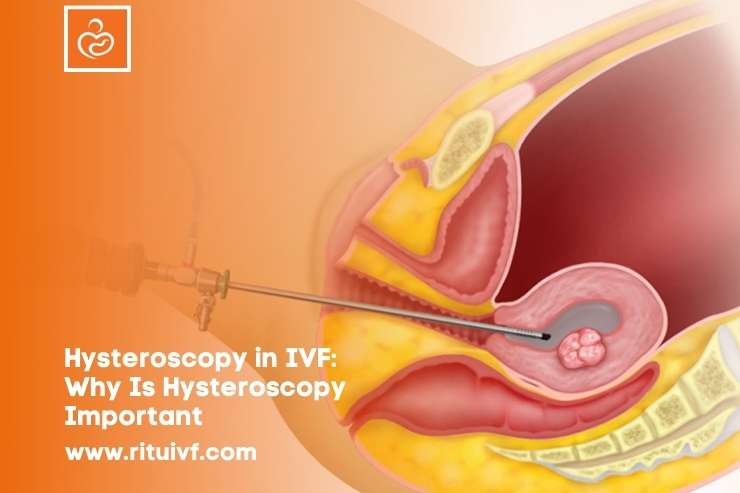
    During hysteroscopy, a fertility specialist inserts a small camera into the uterus and explores the uterine cavity to detect problems. The camera is inserted through the vagina and once the doctor spots the scar tissue, he removes it with a special instrument. Some cramping or bleeding is normal after the completion of the procedure. There is no reason to worry as the side effects will subside in no time.

    4. Lifestyle changes

    Some resources claim that endometrium can be thickened naturally by looking after your body. So, if the test reports confirm that you have a thin endometrium, you can try the following things:

    1. For increasing vascularity, practice yoga or some other form of exercise regularly.
    2. Keep track of your periods and give enough rest to your body. You will be surprised to learn that stress can decrease blood flow to the uterus, affect hormone levels, and make the endometrium thin.
    3. To better your endometrial health, consume foods that are loaded with minerals and vitamins, especially omega-3 fatty acids, and vitamin E. Other than eating vegetables, whole grains, and fruits, you should also avoid foods that are loaded with saturated fat.
    4. For thin endometrium, smoking is a serious risk factor. So, your doctor will advise you to quit smoking as reduces a woman’s fertility significantly.

    To Sum Up

    We may conclude by saying that thin endometrium can be caused by diverse factors and low levels of estrogen are the most common cause. However, this condition is treatable through surgery, dietary modifications, and hormone therapy. So, if you have a thin endometrium, do not delay the treatment as it is decreasing your chances of conceiving. Wish you all the best!

    Know More:

    IVF Follicle Growth Chart

  • Everything You Need to Know About IVF Follicle Growth Chart 

    Everything You Need to Know About IVF Follicle Growth Chart 

    Assisted reproductive technology is a vast field and in vitro fertilization is one of the most reliable ways for infertile couples to conceive. But for it to be successful, several factors need to be considered. For instance, the follicle size plays a key role in delivering successful outcomes and hence, monitoring it is crucial if you want the fertility treatment to be effective. So, what does an IVF follicle growth chart look like? Scroll down to learn all about follicle development and size monitoring throughout your IVF journey.

    What Are Follicles?

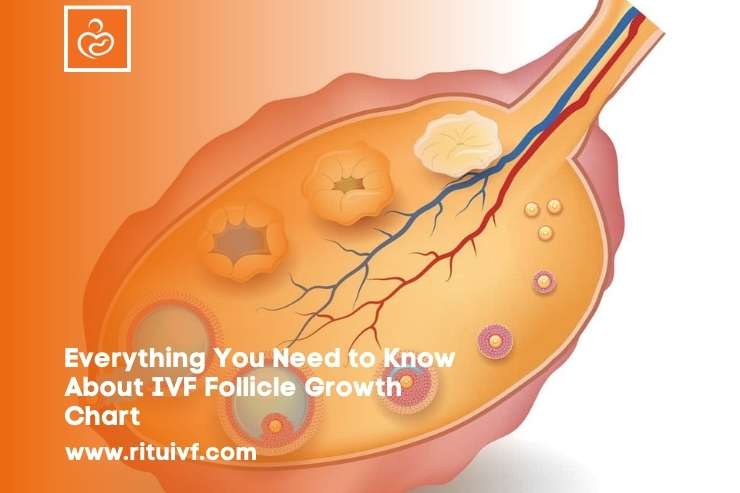
    Fluid-filled sacs and small in size, follicles are present within a woman’s ovaries. There is an immature egg/ oocyte in each follicle. During a normal menstrual cycle, multiple follicles grow but any one follicle matures and ends up releasing an egg when you ovulate. In IVF, the ovaries are stimulated with fertility medicines in such a manner that multiple follicles are produced at the same time, and each has a viable egg. Keep reading if you are curious to find out more about the process.

    The Process of IVF: An Overview

    When a couple opts for IVF treatment, an IVF cycle has several stages. The treatment commences the moment the fertility specialist comes up with a treatment plan after assessing the woman’s hormone levels and reproductive health. Then the doctor prescribes medicines (known as gonadotropins) as they are necessary for stimulating the ovaries and producing multiple follicles.

    The process of IVF typically has the following stages:

    1. Ovarian Stimulation:  With the help of fertility medications, the maturation of several follicles takes place within the ovaries.

    2. Follicle Monitoring: After the ovarian stimulation, follicle growth will be monitored closely. Doctors must monitor the follicle size through blood tests and transvaginal ultrasounds.

    3. Triggering Ovulation: When the follicles are of the desired size, your fertility specialist will administer a trigger shot of human chorionic gonadotropin (HCG) to cause the final maturation of the follicles containing the eggs.

    4. Egg Retrieval: After giving a trigger shot, 36 hours is the waiting time. Then, it is time to retrieve the eggs from the mature follicles and it is a minimally invasive procedure termed transvaginal aspiration.

    5. Fertilization: Then the eggs are fertilized by bringing them in contact with the sperm in a lab and this is how embryos are created.

    6. Embryo Transfer: The healthiest embryos are chosen and carefully placed into the uterus. If they succeed at attaching themselves to the uterine wall, it is called implantation, and the pregnancy test results will show positive.

    Why Must You Have an IVF Follicle Growth Chart?

    A critical aspect of in vitro fertilization is follicle monitoring, and it serves various purposes:

    • Egg retrieval timing: Healthcare providers monitor follicle growth so that they can determine the most suitable time to proceed with egg retrieval. That’s because unless the eggs are fully mature, they won’t be ready for fertilization.
    • Alterations in medication: Through monitoring follicles, doctors figure out if the prescribed medications are doing their work or if the timing and dosage of the fertility medications need to be altered. This type of personalized approach is crucial as every woman’s body is different and it responds differently to reproductive medications.
    • Avoiding OHSS:  OHSS stands for ovarian hyperstimulation syndrome which is a serious condition affecting the ovaries. It is a side effect of overstimulating the ovaries and they become painful and swollen. Monitoring follicles closely can help doctors prevent issues like OHSS and minimize the risk of other complications.
    • Improving the success rate of IVF: The more precise the follicle growth monitoring, the higher the success rate of IVF. It enables fertility specialists to tailor the response of each individual to IVF medications.
    • Mental peace: As a couple eager to become parents, follicle monitoring offers valuable insights to them regarding the progress of the IVF cycle. They get the reassurance they seek to be confident that there is progress in the right direction. The knowledge enlightens them and makes them feel involved in the fertility journey.

    IVF Follicle Growth Chart Day by Day

    Now that you understand why follicle size monitoring is necessary, let us delve deep into the intricacies of this specific aspect of your IVF treatment:

    • Day 1: 10-12 mm follicle size
    • Day 2: 12-14 mm follicle size
    • Day 3: 14-16 mm follicle size
    • Day 4: 16-18 mm follicle size
    • Day 5: 18-20 mm follicle size
    • Day 6: 20-22 mm follicle size
    • Day 7: 22-24 mm follicle size
    • Day 8: 24-26 mm follicle size

    [Note: This is a general guideline, and the actual follicle growth chart IVF differs from one individual to another. It is significant to trace the follicle growth via ultrasound scans to realize when ovulation is happening.]

    Follicle Size & Follicle Development: The Steps Explained

    Take a closer look at what to expect during each stage throughout the IVF cycle:

    1. On the first day, the overall health of the ovaries is tested, and the ovarian stimulation starts. Without doing initial assessments, the doctor should not begin the treatment.
    2. The second and third days involve giving IVF injections to the patient. The two commonly used medicines are Follicle-Stimulating Hormone and Luteinizing Hormone. These medicines trigger the growth of several follicles.
    3. Between days 5 and 7, monitoring should be done more frequently. So, these days, doctors rely on blood tests and transvaginal ultrasounds to measure the size of follicles and their progress.
    4. By the 8th-10th day of your IVF, some of the growing follicles become dominant and leave the others behind. Your doctor will fine-tune the dosages of medications based on hormone levels and the size of the dominant follicle. The goal is to ascertain that the ovarian follicles have reached the optimal size.
    5. Around the 11th/ 12th/ 13th day of a woman’s IVF cycle, human chorionic gonadotropin is injected to lead the maximum number of eggs to their final maturation. To complete egg retrieval, the trigger shot’s timing is critical.
    6. The eggs can be retrieved 36 hours after administering the trigger shot of HCG.

    So, now you realize that time management is of utmost significance for the success of the IVF treatment. Precise timing will ensure that all steps of the treatment align seamlessly and hence, monitoring follicular growth is indispensable. Couples that do not skip their doctor’s appointments and monitor that many follicles reach the ideal size have an increased chance of timely egg retrieval and embryo transfer.

    The Bottom Line

    We may conclude by saying that fertility treatments like IVF involve various complexities and to demystify them, you should know the basics of follicle development taking place within your ovaries. Understanding follicle size and the role it performs in the IVF treatment will empower you to pursue IVF and make informed decisions. So, maintaining a follicle size growth chart IVF is not just a procedural formality but a pivotal aspect of your fertility treatment.


  • Hysteroscopy in IVF: Why Is Hysteroscopy Important Before IVF Fertility Treatment?

    Hysteroscopy in IVF: Why Is Hysteroscopy Important Before IVF Fertility Treatment?

    The journey of IVF is an emotional and exciting one for many couples. It is like a ray of hope in the lives of people who are infertile and have been struggling to conceive naturally. But the process is a complicated one and many things need to come together for the results to be positive. Hysterectomy in IVF is one such crucial step that many people don’t know about. So, in this article, we will tell you all about the connection between hysterectomy and IVF, its significance, and the key role it plays in making in vitro fertilization successful.

    What Is Hysteroscopy?

    Hysteroscopy, a minor diagnostic procedure, examines the intrauterine cavity and it involves inserting a thin and lighted instrument into your uterus. This instrument is called a hysteroscope and it identifies the contributing factors that are responsible for causing infertility issues. These include fibroids, uterine septum, uterine scarring, and fibroids. The main objective of hysteroscopy in the context of IVF is to examine and improve the conditions of the uterus, making sure it is suitable for embryo implantation.

    Types of Hysteroscopy in IVF

    Hysteroscopy techniques are of two types, namely, operative hysteroscopy and diagnostic hysteroscopy.

    1. Diagnostic hysteroscopy: The focus of diagnostic hysteroscopy is on evaluating the uterine cavity to detect abnormalities like adhesions, structural issues, polyps, etc. that are causing IVF failure. So, the fertility specialist can directly visualize the uterus’s condition.
    2. Operative hysteroscopy: Operative hysteroscopy does not just diagnose problems but also fix them. For instance, if polyps or fibroids are present, it will remove them effectively, thus improving the uterine environment and enhancing fertility outcomes.

    Benefits of Hysteroscopy Before IVF

    Before beginning the IVF treatment, a detailed assessment of the uterus will be a game changer. Hysteroscopy offers a range of benefits and improves the success rate as well as pregnancy outcome. Have a look at the top advantages of hysteroscopy incorporation in IVF:

    1.      Enhanced and accurate visualization

    As with hysteroscopy, the doctor gets a clear visualization of the uterus, then can see the abnormalities and address them at the earliest. The lighted instrument provides proper pictures of the uterine openings, uterine walls, and all other structures. When the evaluation is correct, the treatment is bound to be effective.

    2.      Removal of abnormalities present in the uterus

    The big reason why many couples are opting for hysteroscopy is that it does more than reveal the uterine environment. The instrument used can also eliminate uterine polyps, adhesions, etc. So, operative hysteroscopy will rectify those issues and offer a favorable environment for the fertilized egg to attach itself to the uterine lining.

    3.      You will get pregnant quickly

    It goes beyond saying that hysteroscopy for IVF doubles your chances of welcoming home a baby after going through IVF treatment. So, you won’t have to wait for months for the pregnancy test results to turn positive.

    When Do Doctors Recommend Hysteroscopy?

    Doctors suggest hysteroscopy in specific situations throughout the in vitro fertilization process. However, the best time to do it is before the commencement of the IVF treatment. Now that we have already explained the role of hysteroscopy in IVF success, here are the primary reasons why hysteroscopy may have been recommended to you:

    1.      Abnormal findings in the uterus

    When imaging tests like saline infusion sonography reveal abnormal findings, what can be done to further evaluate potential threats? Hysteroscopy is a tried-and-trusted method to make the uterus ready for optimal implantation.

    2.      Unexplained infertility

    Sometimes, it becomes impossible to predict the reasons behind the failure of IVF. If the doctors are unable to figure out why you are unable to get pregnant, a hysteroscopy will be done to rule out abnormalities that are triggering fertility issues.

    3.      Failed attempts at IVF

    Have you experienced failure in IVF treatment previously, it is better to consider hysteroscopy to save time and money. It is the most reliable way of finding out why implantation has been difficult so far.

    Hysteroscopy Reduces the Number of Abortions

    Repeated pregnancy loss can be a heartbreaking experience for anybody. So, it has been the subject of extensive investigation and research. In most cases, the inability to conceive is related to uterine factors. Hysteroscopy has emerged as an essential tool to determine and address uterine complications. Several studies have revealed that as hysteroscopy can eliminate structural abnormalities, scar tissue, and adhesions, it majorly lessens the chances of miscarriages. That’s because it timely corrects the issues, thus renewing the hope of people yearning to hold their baby in their arms.

    Cost of Hysteroscopy Before IVF

    As far as hysteroscopy IVF cost is concerned, the price depends on various factors like the city where you live, the experience of your fertility specialist, and the fertility clinic you choose. So, book an appointment with a reputed fertility treatment center in your area and the doctor will walk you through the process of hysteroscopy which is usually done before IVF for a successful pregnancy.

    Parting Thoughts

    We may conclude by saying that hysteroscopy will maximize your chances of getting pregnant through IVF treatment. This minimally invasive procedure will optimize IVF outcomes after assessing your uterine cavity for any functional or structural abnormalities that are hindering implantation.

    So, even if the expenses add up, hysteroscopy’s role in IVF is undeniable. Hence, you should opt for the hysteroscopy procedure before IVF if you have experienced failed IVF cycles in the past.

    References:

    The effect of diagnostic hysteroscopy performed before fresh and frozen-thawed embryo transfer in IVF cycles on reproductive outcomes – PMC (nih.gov)

    Is Hysteroscopy Before IVF Associated with an Increased Probability of Live Births in Patients with Normal Transvaginal Scan Findings after Their First Failed IVF Trial? – PMC (nih.gov)

  • Know About Fertility Preservation Services and Treatment

    Know About Fertility Preservation Services and Treatment

    As the term denotes, fertility preservation means protecting or saving eggs along with the reproductive tissues so that a woman can have biological babies in the future. It is a fantastic option for people who become infertile due to growing age or health issues. While some people opt for fertility preservation services because they don’t have immediate plans of becoming a mother, others choose it due to sicknesses like cancer. Whatever your reasons to consider freezing your eggs, you are at the right place. In this article, we will tell you everything you need to know about the process of fertility preservation so that you can decide if it’s best for you.

    Female and Male Fertility Preservation: Why Is It Important?

    If you have certain conditions and diseases, your future fertility can be at risk. The reason could be anything from critical surgery to getting diagnosed with cancer. Even if you have no fertility issues at present, your doctor might recommend fertilized egg freezing if you don’t want to have children in your 30s. These are the top reasons why it makes sense to preserve fertility:

    1. Age: Do you feel you are not ready to conceive now as you’d like to travel the world, become financially stable, and achieve professional goals? As an ambitious woman, you can think about preserving your fertility. Then you won’t have to worry about your biological clock ticking and you can live your life freely, focus on your career, or wait patiently to meet your soulmate.
    2. Cancer: Cancer takes a toll on the human body and so do cancer treatments. Radiation therapy, surgery to remove cancer, and chemotherapy impact the body of the patient immensely, weakening their immunity and decreasing their fertility. So, for breast cancer patients who dream of becoming a parent to their biological child someday, finding an egg-freezing clinic is advisable.
    3. Transgender care: Did you know that an individual’s reproductive abilities get altered when they go ahead with gender-affirming treatments? So, doctors suggest they save their sperm, eggs, or embryos before the treatment.
    4. Reproductive health issues: For some women, it becomes challenging to conceive even if they aren’t infertile. For example, uterine fibroids and endometriosis are two such conditions that stand in the way of a woman struggling to conceive. Fertility preservation treatment can come to their rescue in such situations.
    5. Autoimmune diseases: Ailments such as rheumatoid arthritis and lupus can trigger fertility problems. There is even evidence that reveals that the treatment of rheumatoid arthritis decreases a person’s fertility. So, why take chances when medical science has advanced so much and you have the option of egg freezing? If you are still not sure about it and you have any questions, you can book an egg-freezing consultation with a well-known clinic.

    Fertility Preservation Services for Women

    Fertility preservation procedures differ widely. So, having some information about fertility processes will let you know what you should expect.

    ·         Embryo freezing

    Embryo freezing is a process that involves removing the eggs from a woman’s ovaries. Then, the fertility specialist will proceed with fertilizing the eggs with donated sperm or the sperm of your partner, thus creating embryos. The other name for this procedure is IVF (in vitro fertilization). Depending on what you want, the doctor will perform embryo implantation right away or store the embryo for future use. The latter is known as embryo/ oocyte cryopreservation.

    ·         Preservation of ovarian tissue

    For someone undergoing cancer treatment, they may not have enough time (4- 6 weeks) required for receiving hormone treatment. So, the most feasible option is ovarian tissue cryopreservation after removing it from the body. Once the cancer treatment is complete, the surgeon will reimplant the ovarian tissue. Once it regains function, becoming pregnant through IVF won’t be a hassle.

    ·         Egg freezing

    The process of egg freezing will commence with ovarian stimulation. After that, your eggs will be removed. Lastly, the provider will freeze the eggs and store them. If you are looking for affordable egg-freezing facilities, you should know that the prices vary based on the city where you live and the fertility clinic you choose.

    ·         Radiation shielding

    Did you know that your ovaries can be protected with the help of a lead shield during your radiation treatment? This is a kind of fertility assistance for cancer patients. Additionally, your doctor can use the latest radiation technologies that will limit the radiation dose that your ovaries receive.

    ·         Ovarian transposition

    Oophoropexy or ovarian transposition is an excellent procedure that can safeguard the ovaries during radiation treatments. During this procedure, your ovaries will be moved up, into the abdomen and away from the site of radiation therapy.

    Treatments to Preserve Fertility in Men

    Fertility preservation services are not just for women. Men too search for fertility preservation near me and two common fertility preservation options for men are:

    ·         Sperm freezing

    A non-invasive procedure, sperm freezing is the easiest way to preserve the fertility of a man. First, you will ejaculate semen into a container and then, you will give it to your fertility specialist. The sperm cells can be stored for years. In case you are unable to provide the sample due to anxiety, pain, illness, or some religious reason, the following assistance will be provided by your doctor:

    1. Reproductive medicine: Several kinds of drugs are available that can help a person ejaculate or address problems that prevent ejaculation.
    2. Electroejaculation: This involves guiding a probe into a person’s rectum and it will stimulate the prostate with an electrical current, mild. The current will make you ejaculate, and this is generally done when the person is under the effect of anesthesia.
    3. Vibratory stimulation: Ejaculation can be triggered by vibration.

    ·         Testicular tissue freezing

    The surgeon will use a scalpel to collect testicular tissue from your body. After that, the tissue will be preserved in a lab.

    When Is the Right Time for a Fertility Preservation Program?

    Patients with cancer should freeze eggs the moment they learn about their illness. As age affects fertility, women should explore fertility preservation methods before they are 35 years old, even if they are healthy and fit.

    The Bottom Line

    We may conclude by saying that many people have beautiful and healthy babies after fertility preservation treatment and so, it could be a great option for you.

    References:

    What is fertility preservation? | NICHD – Eunice Kennedy Shriver National Institute of Child Health and Human Development (nih.gov)

    The use of fertility preservation services for cancer patients: a single institution experience – PMC (nih.gov)

  • Male Infertility Treatments: Symptoms, Causes and Tests

    Male Infertility Treatments: Symptoms, Causes and Tests

    Infertility in a man or a woman is a health issue that decreases the chances of a woman getting pregnant. Almost 13 out of every 100 couples struggle to get pregnant even after having unprotected sex consistently. During diagnosis, doctors discover that in nearly one-third of the cases, the problem lies with the man – be it related to sperm delivery or sperm production. This proves that infertility is a matter of concern for both genders and so, in this article we will tell you all about male infertility treatments so that you can soon welcome your little one home.

    Cause of Male Infertility

    Before knowing about male infertility treatments, you should understand what is the cause of infertility. Many environmental and biological factors can cause infertility in men and the common ones are listed below:

    • Medical conditions like autoimmune disease or diabetes can deteriorate sperm health
    • Varicoceles or swollen veins in an individual’s testicles
    • Cancer treatments like radiation therapy or chemotherapy
    • Orchiectomy (removal of the testicles through operation)
    • Sperm problems like malformed sperm, oligospermia (low sperm count), and azoospermia (no semen in the sperm)
    • Myotonic dystrophy, Klinefelter syndrome, or other genetic disorders
    • Infections such as orchitis and epididymitis
    • Testicular trauma
    • Sexually transmitted infections like HIV, gonorrhea, etc.
    • Hormonal disorders affecting pituitary glands or hypothalamus

    Symptoms of Male Infertility

    The inability to have an erection is known as impotence and this is one of the biggest signs of infertility in men. If a couple enjoys having sex regularly and yet the pregnancy test results are negative, one or both could be infertile. Another sign of male infertility is retrograde ejaculation or dry orgasm, which means the semen does not enter the female body. If male infertility is because of chromosomal or genetic disorders, there may not be any symptoms and only a male infertility test can reveal the truth.

    While all these are the obvious signs of infertility, infertility also leads to emotional and psychological side effects like feeling depressed or stressed. If you or your spouse experiences these negative feelings, you must not delay talking to a psychiatrist or therapist.

    Diagnosis of Male Infertility

    Different infertile couples have diverse infertility issues. So, doctors may perform multiple tests to detect the issue accurately and give proper reproductive medicine or begin azoospermia treatment. Diagnosis of male infertility issues usually involves:

    1.      Physical examination

    On the first day, the doctor will examine your genitals and ask about chronic ailments, surgeries, injuries, or inherited conditions that could have affected your fertility. Your doctor would also like to know about your sexual practices as well as sexual development at the time of puberty.

    2.      Semen analysis

    Obtaining semen samples can be done in various ways. You can masturbate and ejaculate into a container. There are alternate methods like using a special kind of condom while having intercourse.

    3.      Hormone testing

    Hormones that the pituitary glands, testicles, and hypothalamus produce play a major role in a person’s sexual development and also sperm production. If there are abnormalities in organ systems, you may have to deal with infertility. A blood test will measure if the levels of testosterone and other hormones are adequate.

    4.      Scrotal ultrasound

    Sound waves of high frequency are used during this test to generate images inside the patient’s body. By performing a scrotal ultrasound, your doctor will be able to see if your testicles and its supportive structures are fine.

    5.      Transrectal ultrasound

    This diagnosis method involves inserting a narrow, lubricated wand into the rectum. With the help of the wand, the doctor checks the prostate and searches for blockages of tubes responsible for carrying semen.

    6.      Testicular biopsy

    Testicular biopsy means collecting samples from a man’s testicles by inserting a needle. The results will show if there is an issue with sperm production or something else.

    7.      Post-ejaculation urinalysis

    Sperm present in the urine can be an indication that your sperm travels backward into the urinary bladder. This phenomenon is called retrograde ejaculation and post-ejaculatory urinalysis can detect the condition.

    8.      Sperm function tests

    A range of tests can be done to understand how long a man’s sperm can survive after ejaculation. Other factors that doctors consider are: How well the sperm can penetrate the egg? Does it have issues attaching itself to the egg?

    9.      Genetic tests

    Extremely low sperm concentration can be due to genetic reasons. A blood test can prove if there are some changes in the person’s Y chromosomes (which is a sign of genetic abnormality). Various inherited and congenital syndromes can also be detected through genetic testing.

    Treatment for Male Infertility

    Looking for a male fertility center near me? Have a look at these treatment options before visiting a fertility clinic for men:

    1.      Assisted reproductive technology

    When it comes to treating infertility in men, assisted reproductive technology has already proved its excellence. During ART treatments, the sperm will be obtained via surgical extraction, normal ejaculation, or from a donor individual. After that, they will remove an egg from the ovary of your partner and combine it with the sperm in a laboratory.

    The sperm is inserted into the genital tract of the woman, or it is used to perform intracytoplasmic sperm injection or in vitro fertilization. When a healthcare provider injects a sperm cell into the egg physically, it is called intracytoplasmic sperm injection. The alternative of it is IVF for male fertility. In vitro fertilization involves injecting the female with medications that can turn multiple eggs mature at the same time. When the eggs are completely mature, the doctor will collect them and allow the sperm to fertilize them in the lab. The moment an egg is fertilized, the doctor will place the embryo (fertilized egg) back into the uterus.

    2.      Surgery

    In some cases, surgical intervention can get rid of male infertility and the top surgical procedures include:

    • Vasectomy reversal: A person who has undergone vasectomy cannot impregnate their partner. So, if you regret your decision of opting for vasectomy, you may consider vasectomy reversal which means reconnecting the vas deferens so that pregnancy can be possible once again.
    • Sperm retrieval: This process involves performing a biopsy after retrieving sperm from the epididymis or testicles.
    • Vasoepididymostomy: Some men have a blockage in their epididymis which is the coiled tube lying against the testicle responsible for maturing sperm. As this blockage does not let sperm enter the person’s semen, surgery will remove the blockage.
    • Varicocelectomy: If there is pooling of blood in a person’s testicles because of varicose veins present in the scrotum, this condition is called varicocelectomy. It can adversely impact sperm quality and so, removing varicose veins will be wise to increase the chances of conception.

    3.      Hormone therapy

    Many men have noticed great results after saying yes to hormone therapy. As both low and high levels of hormones can affect fertility, hormone therapy can balance the hormone levels to assist the body in producing quality sperm. You should also stop using medicines such as:

    • Anti-androgens
    • Calcium channel blockers
    • Tricyclic antidepressants

    4.      Treating sexual intercourse issues

    Medication and education can improve fertility conditions in both men and women. Many couples don’t realize that having coitus is not enough to conceive. Sexual intercourse needs to be performed during ovulation to get the desired outcome. Additionally, if your premature ejaculation or erectile dysfunction is the reason why your partner can’t get pregnant, medicines and practice can make these problems disappear.

    Lifestyle Changes to Make Male Infertility Treatment Successful

    Depending on the cause behind your infertility, it is possible to produce healthy sperm by making the following lifestyle alterations:

    • Maintain a healthy body weight.
    • Consume a lot of fresh fruits and vegetables as they are incredible sources of vitamins and minerals.
    • Stay away from unhealthy and junk foods as they affect sperm count in men.
    • Engage in physical activities like walking, jogging, bicycling, dancing, or lifting weights.
    • Practice meditation and other self-relaxation techniques to keep stress at bay.
    • Sleep well at night as your body also needs sufficient rest to produce high-quality sperm.
    • Quit drinking, smoking, and using nonprescription/recreational drugs.
    • Avoid using sexual lubricants while having sexual intercourse.

    Parting Thoughts

    We may conclude by saying that having infertility does not mean one can never become a biological father. There are many treatment options to help you fulfill your dream of holding your baby in your arms.

    All you have to do is book an appointment with an esteemed fertility specialist to receive quality treatment. Just type ‘male fertility doctor near me’ or ‘male fertility clinic near me’ on Google to find the best fertility clinics in your locality.

  • 7 Signs of Ovulation: Ovulation Symptoms to Observe 

    7 Signs of Ovulation: Ovulation Symptoms to Observe 

    Ovulation is an important phase of the feminine reproductive system and during this phase, any one of the ovaries ends up releasing an egg. Ideally, it should happen two weeks prior to your menstrual cycle and if you’re trying to conceive, knowing the obvious 7 signs of ovulation will make things easy for you. That’s because once you start ovulating, the next 24 hours is the best time to have intercourse as the egg won’t live longer than 24 hours.

    So, when does ovulation begin and what fertility signs indicate that now is the best time for your body to make a baby? Intrigued to learn more about your reproductive health so that you can know when ovulation occurs? Then you have come to the right place and we will tell you all about the symptoms of ovulation and how to predict ovulation.

    Key Signs and Symptoms of Ovulation

    When you ovulate, your body has its way of communicating it to you. So, to track ovulation, you must have some idea about the kinds of symptoms you should expect. Here’s what fertility specialists say about the common signs of ovulation and 7 days after ovulation symptoms that you are likely to experience every month.

    1. Alterations in cervical fluid

    Trying to get pregnant won’t be challenging if you are mindful of the changes occurring in your cervical fluid. Cervical fluid is like the white portion of an egg and when ovulation nears, it turns more transparent and stretchy, resembling the egg white. While not all women have the same kind of cervical fluid, ovulation usually happens on that day when the cervical mucus release is the highest. So, if you are wetter on a certain day, this could be a hint.

    [Note: To test the quality of the cervical mucus, wash your finger and insert it into the vagina. Take out some mucus and if it is stretchy, sticky, and slippery, you are fertile at the moment. If your body does not produce as much cervical fluid as it should, there are excellent products to improve the production of cervical fluid].

    2. Alterations in basal body temperature

    Does your basal body temperature decline slightly when your ovulation date approaches? This is among the ovulation symptoms and if you observe minutely, you will notice that the temp. also increases drastically after ovulation. This sudden spike in the basal body temp. is an indicator that you just had your ovulation. So, gynecologists advise to track the basal body temperature for a few months before ovulation.

    3. Breast tenderness/ soreness

    The menstrual cycle ovulation period is also characterized by sore nipples or tender breasts, and these are other ovulation signs. While some women say the breast soreness is before ovulation, for others it can be right after ovulation. Breast tenderness also occurs when you are on your period and the reason behind it is hormonal changes. During this phase, you can wear a bra that isn’t too tight to lessen the pain.

    4. Pain in the abdomen

    Other than breast tenderness ovulation, you may also have to deal with extremely normal ovulation pain. This pain happens in the lower abdomen, and it will be like a sharp pain that will disappear within a few seconds or minutes. If the pain is persistent, you can take some anti-inflammatory medicine. If the pain remains, it can be related to an ovarian cyst or endometriosis.

    5. Headaches and nausea

    Ovulation does not make you sick and it won’t stop you from following your daily routine. However, on the day of ovulation, you may feel nauseous and have a headache. These are among the side effects of ovulation and are triggered due to changes in the levels of progesterone and estrogen. Although many girls of childbearing age face these two issues, these are not severe symptoms and they do not require any medication.

    6. Light discharge or spotting

    A small amount of brown discharge or spotting can be caused by ovulation because of a surge in hormone levels. This symptom occurs if the follicle surrounding and protecting the developing egg (oocyte) matures and ruptures, thus resulting in mild bleeding. It is not a matter of concern as the spotting won’t persist. But, if the spotting is recurrent, you should book an appointment with a physician to rule out the chances of infections and ectopic pregnancy.

    7. More libido

    The urge to have sex and sexual satisfaction is more in women on the day of their ovulation and the day after ovulation. It is simply Mother Nature’s trick to encourage procreation. Research has revealed an interesting fact about enhanced libido during pregnancy: Women who regularly have sex are more likely to experience a boost in their libido than single women.

    Ovulation Cycle Tracking

    Tracking your ovulation is crucial if you have been struggling to get pregnant. But how to detect ovulation accurately?

    Many women rely on ovulation predictor kits so that they don’t miss their 12-24-hour window and increase their chances of conceiving. These kits measure the levels of LH (luteinizing hormone) in the urine. Hence, if the predictor shows a positive result, you can take it as a clue that you will ovulate within 24- 36 hours.

    Know more: What is ovulation days

    The Final Thought

    We may conclude by saying that the symptoms of ovulation vary from one person to another. However, the above-mentioned 7 signs of ovulation are the most common ones that most women experience.

    Another thing that you should keep in mind is that its timing may also differ. While some people ovulate on the same day of their menstrual cycle every month after month, others ovulate on different dates each month. And by now you have already understood how intimately ovulation is connected to your pregnancy. So, we hope you pay attention to the signs by maintaining an ovulation calendar and make sure you consult a doctor if you have irregular ovulation. There are amazing reproductive technologies designed to benefit women who do not ovulate regularly.

  • Pelvic Inflammatory Disease Treatments: How to Treat PID? 

    Pelvic Inflammatory Disease Treatments: How to Treat PID? 

    The U.S. Department of Health and Human Services discovered that pelvic inflammatory disease affects nearly 5% of the US women. However, a lot of women don’t know about this condition and that leads to complications in the long run. So, it is important to be aware of the causes and symptoms of PID. When diagnosed on time, it becomes easy for doctors to provide pelvic inflammatory disease treatments. So, in this article, we will tell you all about PID, its risk factors, and ways of preventing it.

    Pelvic Inflammatory Disease: An Overview

    Pelvic inflammatory disease is one of the common infections occurring in the female reproductive organs that can cause heavy and painful periods and pain during intercourse. The infection can be in the ovaries, fallopian tubes, and the womb. It occurs when bacteria (transmitted sexually) spreads from a woman’s vagina to her uterus, ovaries, and fallopian tubes.

    What Causes PID?

    In most cases, bacterial infection spreading from the vagina/ cervix to the woman’s reproductive organs is what causes PID. STIs like gonorrhea and chlamydia can also be responsible.

    Symptoms of Pelvic Inflammatory Condition

    Not all women with PID experience symptoms and in such cases, it can remain undetected for a long time. Other women complain of the following PID symptoms:

    • Irregular bleeding
    • Painful urination
    • Heavy periods
    • Pain sensation in the lower abdomen
    • Discomfort in the upper abdomen
    • Painful sex
    • Fatigue
    • Unusual (green or yellow) and foul-smelling discharge from the vagina

    Some people who are severely ill can also experience some other symptoms like:

    • Chronic pelvic pain
    • Fainting
    • Vomiting
    • Fever

    If the above-mentioned symptoms persist, you should consult a doctor to receive treatment.

    Note:
    Several of the pelvic inflammatory disease symptoms are the same as the symptoms of UTI (Urinary Tract Infection). So, it is better if you don’t try self-medication and opt for early treatment from an experienced doctor.

    Pelvic Inflammatory Disease Diagnosis

    There is no single test for accurate diagnosis of PID. So, doctors rely on the following methods to accurately diagnose PID:

    Knowing the patient’s medical history: The doctor will ask if you had sexually transmitted infections in the past and if you have unprotected sex.

    Observing the symptoms: The symptoms you are experiencing will give your doctor some idea about the type of infection.

    Conducting a pelvic exam: A pelvic exam reveals if your pelvic region has swelling or tenderness. The doctor may wear gloves and insert two fingers through the vagina to examine the ovaries and uterus. Another method is using cotton swabs and taking fluid samples from the cervix and vagina. Testing the samples will disclose if you have chlamydia or gonorrhea.

    Performing urine and blood tests: Urine and blood tests are used for HIV, pregnancy, and STIs.

    Doing an ultrasound: This means using sound ways to get images of the reproductive system.

    If the diagnosis is not clear, doctors perform some additional tests like:

    Endometrial biopsy: This procedure is about inserting a tube into the uterus and removing a sample of the patient’s endometrial tissue. Testing the tissue will reveal if there is inflammation or infection.

    Laparoscopy: It involves making a tiny hole in the abdomen and inserting a thin instrument with a camera to view the pelvic organs.

    Treatment for Pelvic Inflammatory Disease

    Prompt PID treatment with appropriate medicine will cure pelvic inflammatory disease. However, there is no way of reversing the damage or scarring to the person’s reproductive tract caused by PID. Treatments for PID include the following:

    Antibiotics

    A healthcare provider prescribes different antibiotics that must be started immediately. They decide the medications and their dosages after studying the lab test reports. You will have to go for a follow-up after a few days to make sure the treatment is effective. Even if the pain subsides, you should not stop taking the medicines without your doctor’s permission.

    Temporary abstinence

    You should refrain from getting intimate with your partner until the treatment is over and all the symptoms go away.

    Treating your sexual partner

    Preventing reinfection is as crucial as getting timely treatment. If an STI is the reason behind your PID, your partner too should go for medical examination and treatment even if they don’t have noticeable symptoms.

    If you are seriously ill, pregnant, have an abscess, or aren’t responding to oral medications, hospitalization might be necessary. The doctor may give intravenous antibiotics along with antibiotics to be taken by mouth.

    While most people do not require surgery, draining the abscess is the only option if it ruptures or is on the verge of rupturing. Your healthcare provider might also recommend pelvic reconstructive surgery if the antibiotics fail to get rid of the pain and infection.

    Complications of PID

    Pelvic infection, if left untreated, can cause abscesses and scar tissue, thus resulting in permanent damage to the individual’s reproductive system. Complications include:

    1. Infertility

    The Centers for Disease Control and Prevention states that 1 out of 8 people having a history of PID have trouble getting pregnant. However, you must remember that there are excellent treatments for infertility and so, all you need to do is get in touch with an infertility specialist.

    2. Intense abdominal pain

    PID can cause pelvic pain that might become unbearable and affect your quality of life. The pain can last for months, even years. Then you won’t be able to enjoy intercourse.

    3. Ectopic pregnancy

    One of the leading causes of ectopic/ tubal pregnancy is PID. Sacr tissues can develop in your fallopian tubes because of PID. The scar tissue does not allow the fertilized egg to reach its goal: implantation in the uterus. On the contrary, the implantation takes place in the fallopian tube. This condition is known as ectopic pregnancy, and it can trigger life-threatening bleeding. So, you must rush to the emergency room.

    4. Tubo-ovarian abscess

    An abscess is a pocket containing pus/ infected fluid and multiple abscesses can form in the reproductive tract. They mostly affect the ovaries and fallopian tubes but can also be found in the uterus and some other pelvic organs. If not treated with proper medication, the infection of the female reproductive organs from the abscesses can be life-threatening.

    Tips to Prevent PID

    Now that you know about the treatment of PID, are you wondering if it can be prevented? You can lower your chances of developing PID infection if you:

    • Practice safe sex by using barriers (like condoms) to minimize the risks.
    • Get tested for sexually transmitted infections from time to time.
    • Encourage your partner/ spouse to get tested.
    • Don’t douche (as it upsets the bacterial balance in your vagina).
    • Always clean from front to back after passing stool so that bacteria cannot enter your vagina

    To Sum Up

    We may conclude by saying that PID is a treatable condition, and you can be certain of complete recovery. So, even if the pelvic exam reports confirm that you have PID, there is no reason to panic. Just look for PID testing near me to bid adieu to the symptoms of pelvic inflammatory disease.

  • IVF Myths And Facts: Need to Know Everything

    IVF Myths And Facts: Need to Know Everything

    In vitro fertilization, or IVF, is the process of combining an egg and sperm in a lab and then putting the early baby back into the uterus. Biologist Bob Edwards and gynecologist Patrick Steptoe made a huge step forward for couples who were unable to have children when they helped to create the first test tube baby, Louise Brown. She was born through the in vitro fertilization (IVF) procedure.

    Common IVF Myths and Facts:

    Some people believe that IVF and other forms of artificial conception are not as safe as they seem. Nevertheless, the truth is that most of them happen because people don’t fully understand how these processes work. Getting rid of these misconceptions, myths, and facts about IVF will also help get rid of the stigma that comes with these methods.

    Some common Myths regarding IVF

    Myth 1: IVF works every time.

    Fact: IVF can greatly raise the chances of getting pregnant, but it doesn’t always work. Success rates change based on age, problems with pregnancy, and the quality of the eggs and sperm.

    Myth 2: If you are having trouble getting pregnant, IVF is the only way to do it.

    Fact: IVF is one of many ways to help people get pregnant. Fertility drugs, intrauterine insemination (IUI), and surgery are some of the other choices.

    Myth 3:  IVF always leads to twins or more.

    Fact: It is more likely to have multiples with IVF because more than one egg is transferred. However, this risk decreases as single embryo transfers become more frequent.

    Myth 4: Babies born through IVF have problems with their health and growth.

    Fact: Most children born through IVF grow up properly. There may be a small rise in the risk of some conditions, but the total risk is still low

    Myth 5: IVF takes away eggs that you would have had naturally and lowers your store.

    Fact: In IVF, the ovaries are stimulated so that they make more than one egg in a single period. This doesn’t use up all the eggs in the spare.

    Myth 6: Stimulating the ovaries leads to cancer.

    Fact: As of now, research does not show a direct link between stimulating the ovaries for IVF and a higher chance of ovarian cancer. 

    Myth 7: No matter how old you are, IVF can work.

    Fact: Age is a significant factor in how well IVF works. Most of the time, women under 35 have better success rates.

    Myth 8: IVF will never work again if it fails the first time.

    Fact: A lot of people who don’t get pregnant on their first IVF treatment do so on their second or third.

    Myth 9:  IVF costs too much for most people.

    Fact: IVF can be pricey, but many clinics offer payment plans, and some insurance plans cover fertility treatments.

    Myth 10: IVF is only for women whose tubes are closed.

    Fact: IVF can help with a lot of different kinds of infertility, such as male factor infertility, infertility that can’t be explained, and problems with ovulation.

    Myth 11: Stress makes IVF fail.

    Fact: Although being under a lot of stress can be bad for your health in general, there is no solid proof that worry directly leads to IVF failure.

    FAQs Related Fertility and Myths Around IVF

    How well does IVF work?

    IVF success rates depend on age, infertility origin, and treatment cycles. Consult a fertility professional for personalized advice.

     Do IVFs always produce multiples?

    Higher risk, but not assured. Modern technology and protocols allow doctors to transfer one embryo, reducing the number of pregnancies.

     Are there IVF side effects?

    Bloating, mood fluctuations, and discomfort are common adverse effects. Discuss potential dangers with your doctor, even if severe consequences are rare.

     Can IVF provide male infertility treatment?

    IVF can treat male infertility by injecting sperm directly into eggs using intracytoplasmic sperm injection (ICSI).

     Conclusion – Myths About IVF

    Clearing up any IVF myths and facts and knowing the truth about IVF and IVF clinics can help you make smart decisions on your way to getting pregnant. It’s important to remember that everyone’s fertility process is different and that there is no one right way to treat fertility issues.

    It is very important to talk to your IVF specialist in the Ritu IVF fertility clinic about your choices and the situation you are in.