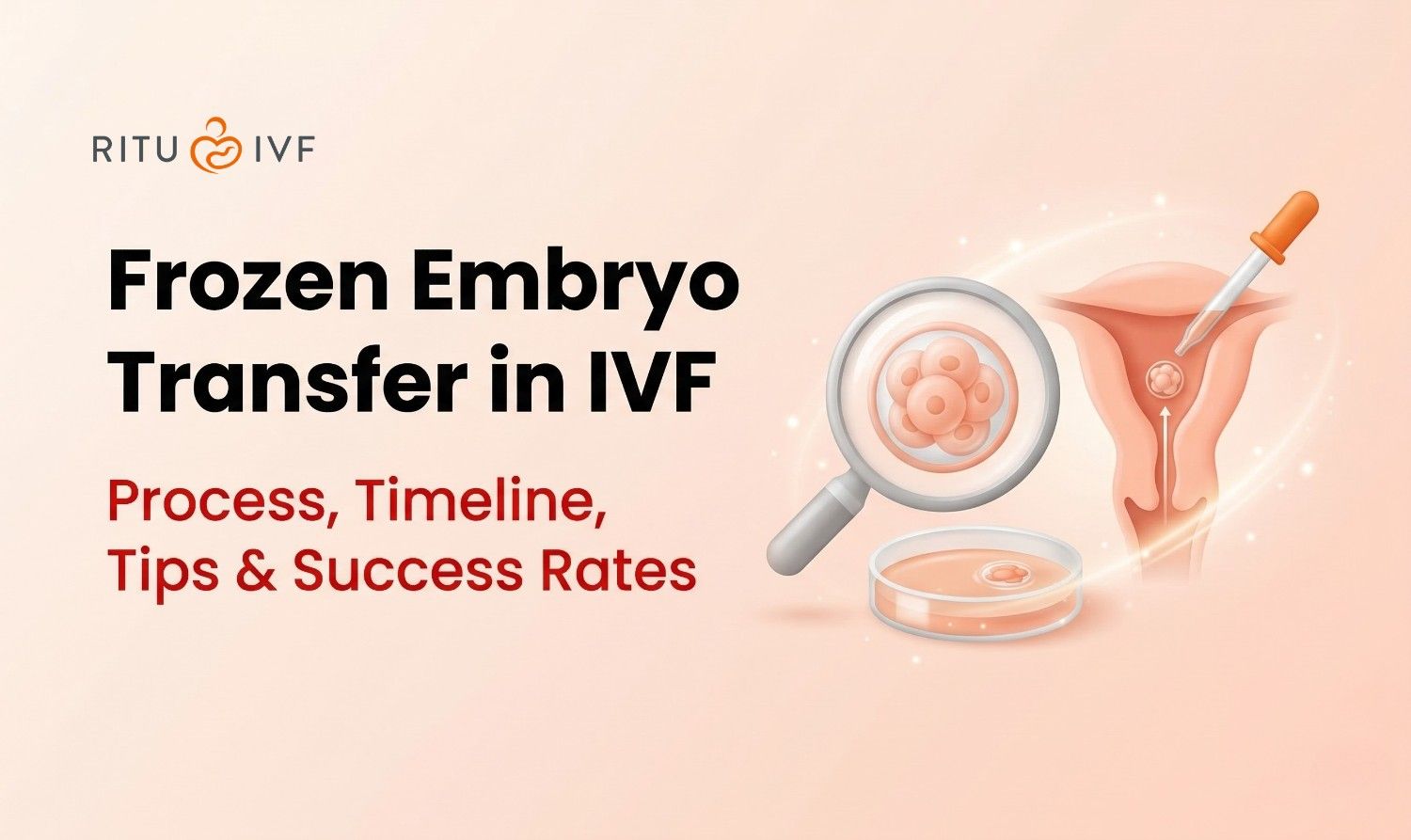
Frozen embryo transfer is an essential process in the IVF process in which already developed embryos undergo a process of cryopreservation or thawing and are then transferred to the uterus to ensure conception. This process is used in the current IVF process, in which doctors take advantage of this process to ensure that healthy embryos are preserved for future use. In the IVF process, in case not all embryos are transferred, they are preserved, thus giving couples a second chance to conceive without going through the entire process of egg retrieval.
The frozen embryo transfer procedure is carefully planned to ensure that the woman’s uterine lining is matched with the embryo’s developmental stage. This is because hormone levels are monitored and the uterus is prepared for the transfer to increase the chances of success. This process is important in the transfer of frozen embryos, which is likely to have high success rates compared to fresh embryo IVF cycles, thus making them a reliable option for couples seeking fertility treatment.

Ready to take the next step toward parenthoo
[Book an Appointment Now]
Understanding Frozen Embryo Transfer (FET) in the IVF Cycle
The frozen embryo transfer process is a significant part of the IVF cycle, where the previously frozen embryo is thawed and then transferred to impregnate the woman. The frozen embryo transfer definition is the process of taking advantage of the use of embryos that were created during a previous IVF cycle, which were then frozen.
The use of this technique allows the experts in the field of fertility to prepare the body for the implantation of the embryo at the appropriate time without the need for the entire egg retrieval process.
Using frozen embryos has several benefits over fresh embryos in the IVF cycle:
- High Success Rate: Various studies have proven that frozen embryo transfer success rates are quite high with the frozen embryo transfer technique, as it is believed that this technique may condition the uterine environment through hormonal preparation and that the chances of the survival of the embryos through vitrification, a technique of freezing the embryos, are very high.
- Promotes Cost Savings: Because embryo cryopreservation is performed during the initial IVF cycle, there is no need for a series of egg retrieval procedures, resulting in cost savings.
- Flexible Time Window: Unlike the case with fresh embryo transfer, in FET, the procedure can be carried out at a time that is convenient for the patient.
- Genetic Testing: Frozen embryos can be carefully tested for genetic abnormalities before freezing, allowing the selection of genetically healthy embryos for transfer and IVF implantation.
- Less Ovarian Stimulation: There is no need to go through the process of ovarian stimulation again with FET.
Hormonal Support-Based FET and Natural FET-IVF Cycles
There are typically two types of frozen embryo transfer-based IVF cycles, like hormonal support cycles and natural IVF cycles.
Hormonally supported FET cycles are popular with couples as estrogen and progesterone are administered to mimic the body’s cycle and thicken the endometrium. Labs and clinics prefer this frozen embryo transfer procedure cycle type because the day of frozen embryo transfer is easy to control, and hormonal support is available for ovulatory problems.
In a Natural FET IVF cycle, the timing of your FET is determined when the woman ovulates naturally. However, an hCG injection is given to induce ovulation, as well as progesterone to support the luteal phase after ovulation and embryo transfer.
Your Journey to Motherhood Starts Here
“With advanced fertility care and personalized support every step of the way.”
Contact UsWhat is the Frozen Embryo Transfer Procedure?
Another important aspect of IVF is frozen embryo transfer, where a woman is given a frozen embryo to be transferred to her uterus in order to conceive. This is also done in sync with the woman’s menstrual cycle to ensure that the uterus is ready for the implantation process.
1. Initial Consultation and IVF Treatment Planning
The first step in this procedure is a consultation with your fertility expert! In this step, the doctor will examine your health records, your history of your previous IVF cycle, and the quality of your frozen embryos. In this step, blood tests and ultrasound scans may also be advised to monitor hormone levels and overall reproductive health.
After this assessment, a personalised treatment plan is developed. IVF treatment plan entails the mode of FET, which can be a natural cycle, whereby FET occurs based on the ovulation cycle of the woman, or a medicated cycle, whereby hormones are used to prepare the uterus.
2. Preparing the Uterine Lining (Endometrial Preparation)
For the process of implantation of the embryo to be successful, the uterus must be thick enough, referred to as the endometrium. In a medicated cycle, estrogen medicines are administered to help the uterine lining thicken to an optimal thickness of about 7-10 mm.
Additionally, ultrasound and blood tests are carried out during this process to check the development of the endometrium. The progesterone therapy will be carried out on the patient by the medical staff once the patient’s endometrial development is fully levelled.
3. Thawing the Frozen Embryos
Once the uterus is ready, the fertility lab will thaw the embryos. By using advanced cryopreservation techniques, frozen embryos are carefully thawed in the laboratory.
Embryologists monitor embryos to ensure they survive thawing and continue to thrive. Only the healthiest embryos are transferred.
4. Embryo Transfer Process
Embryo transfer is a painless procedure that does not require anaesthesia. An embryologist leverages a thin catheter (soft tube) to place the embryo directly into the uterus.
The doctor, with the help of ultrasound technology, then places a catheter through the cervix and releases the embryo into the uterine cavity. The procedure requires 10 to 15 minutes to complete, and patients are able to return home on the same day.
5. Post-Transfer Care and Medications
After the process, patients are advised to rest for a short period of time at the clinic. However, normal daily activities can usually be resumed later the same day.
Progesterone and other drugs are prescribed by the doctor to help build up the uterine lining and support early pregnancy with IVF. Patients are further advised to avoid heavy exercise, smoking and stress during this stage.
6. Waiting Period and Pregnancy Test
Finally, the “two-week wait” stage! At this period, the embryo will attempt to implant itself in the uterine wall and start developing.
About 10-14 days after the embryo transfer process, a blood test will be carried out to detect a pregnancy hormone called hCG. If this is present and rising well, it will confirm that a pregnancy has occurred.
Frozen Embryo Transfer Success Rate In IVF Cycle
There are varied factors that influence the success of the FET procedure, which include:
- Maternal Age: Younger patients tend to experience high success rates.
- Embryo Quality: Better quality embryos are associated with higher implantation success.
- Uterine Environment: Proper preparation of the endometrium is vital for a successful pregnancy.
What is the Frozen Embryo Transfer Timeline?
The frozen embryo transfer timeline takes off on the first day of the menstrual cycle. On this day, the first tests are carried out. Blood tests and an ultrasound are conducted to check the hormone levels and the readiness of the uterus for implantation. In the following days, estrogen is given to prepare the uterus for the implantation of the embryo. Progesterone is then given in preparation for the IVF or surrogacy implantation.
After the uterus is well prepared for the implantation of the embryo, the embryo is thawed and then transferred into the uterus. The process is quick and painless. After the embryo transfer, the patient enters the waiting period. On the ninth day after the transfer, the pregnancy test is conducted.
Tips to Consider During Frozen Embryo Transfer
- Follow Your Medication Strictly: You are required to take hormones such as estrogen and progesterone. You are also required to take the medication at the right time. This will help prepare the uterine lining for embryo implantation.
- Focus on a Healthy, Fertility-Friendly Diet: You are required to eat a diet rich in proteins, fruits, nuts, green veggies, and water. You are also required to avoid processed foods, alcohol, and caffeinated drinks for the implantation of the embryo.
- Prioritize Rest, But Avoid Complete Bed Rest: You are required to include physical activity, such as walking, in your daily routine. This will help improve the blood circulation of the uterus. You are also required to avoid workouts after the transfer.
- Manage Stress and Stay Positive: Stress may impact hormone levels in women. Meditation, deep breathing exercises, and light yoga may be included to maintain a positive frame of mind during this period.
Final Thoughts
Frozen embryo transfer is a safe and effective step in the IVF process that gives hopeful parents a better chance at pregnancy with complete care and planning. Knowledge of the FET process will enable you to always be ready, reduce your stress levels, and improve your success rates. With the right medical guidance, timely monitoring, and lifestyle support, your chances of success improve.
Take the next step towards parenthood with Ritu IVF! Schedule your appointment today and begin your journey to conception with confidence.
Frequently Asked Questions
1. What is the Frozen egg transfer process?
It includes thawing a previously frozen embryo and transferring it into the uterus for implantation.
2. How to prepare for the frozen embryo transfer?
The focus should always be on the medication, diet, and stress levels.
3. What is FET’s success rate?
The success rates depend on the quality of the embryos and the woman’s age. It may also be the same or higher.
Leave a Reply